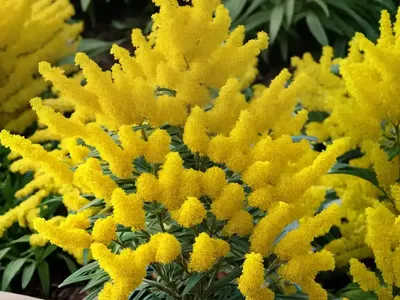
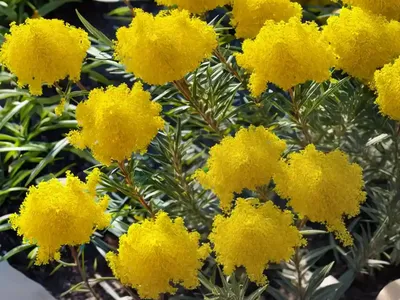
Eupatorium Serotinum (Late Boneset)
Eupatorium serotinum, commonly known as Late Boneset, is a native North American perennial plant that belongs to the Asteraceae family. This herbaceous.
What is Eupatorium Serotinum?
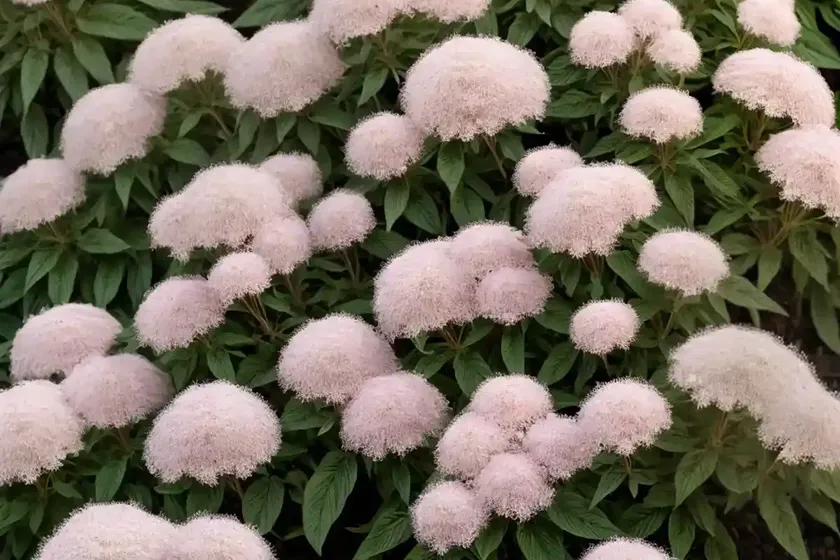
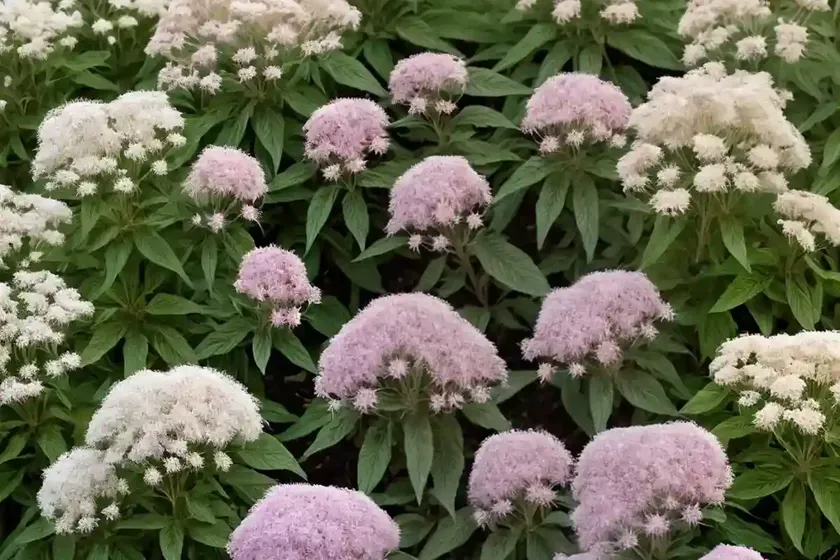
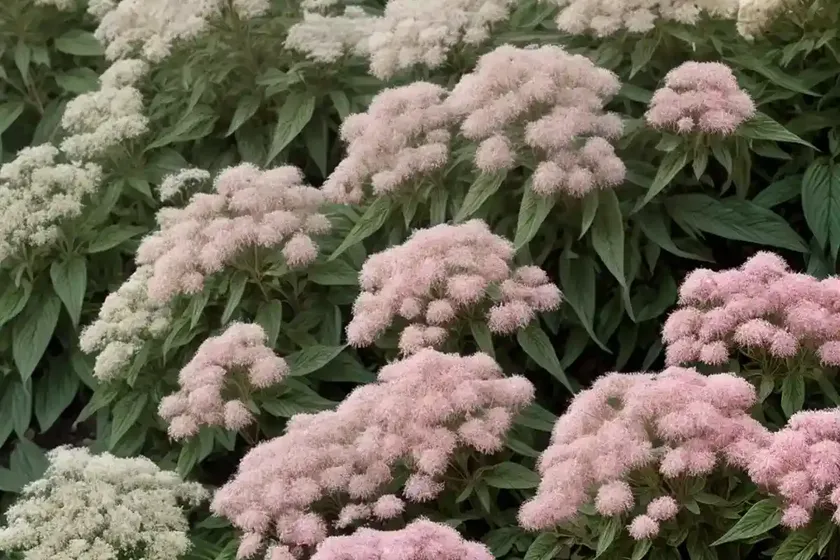
Eupatorium serotinum, commonly known as Late Boneset, is a native North American perennial plant that belongs to the Asteraceae family. This herbaceous plant is renowned for its attractive clusters of small, white flowers that bloom in late summer to early fall. Late Boneset is a robust and versatile plant, making it a popular choice for gardeners and naturalists alike.
Key Takeaways – Eupatorium Serotinum (Late Boneset)
Before delving into the details about Late Boneset, let’s quickly summarize some key takeaways about this remarkable plant:
- Botanical Name: Eupatorium serotinum
- Common Name: Late Boneset
- Family: Asteraceae
- Native Range: North America
- Characteristics: Clusters of small, white flowers, robust and versatile
- Blooming Time: Late summer to early fall
- Uses: Natural landscaping, herbal medicine, wildlife habitat
- Cultural Importance: Folklore and ecological value
- Growth Conditions: Sunlight, water, soil, and fertilizer requirements
In this comprehensive guide, we will explore the cultural, medicinal, and ecological aspects of Eupatorium serotinum, along with essential care tips for its successful cultivation and propagation.
Culture
Uses
Eupatorium serotinum, or Late Boneset, is valued for a multitude of purposes, ranging from its ornamental appeal to its medicinal and ecological significance. Let’s delve into the various uses of this versatile plant:
- Landscaping: Late Boneset is often used in natural or wildflower gardens due to its striking appearance and ability to attract pollinators.
- Herbal Medicine: Traditional uses of Late Boneset in herbal medicine include remedies for fevers, colds, and respiratory conditions.
- Wildlife Habitat: The nectar-rich flowers of Eupatorium serotinum attract butterflies, bees, and other beneficial insects, making it a valuable addition to wildlife gardens.
Water
Late Boneset typically thrives in moderately moist to slightly dry soil conditions. While it is resilient in drought-like situations, providing regular watering during dry spells can encourage robust growth and prolific flowering.
Sunlight
Eupatorium serotinum prefers full sun to partial shade for optimal growth and flowering. When planted in well-drained soil, it can withstand a variety of light conditions, but it typically performs best in full sun.
Fertilizer
Late Boneset is not overly demanding when it comes to fertilization. However, applying a balanced, all-purpose fertilizer in the spring can aid in healthy growth and abundant flowering. It is essential to follow the manufacturer’s recommendations for application rates.
Soil
The ideal soil for Eupatorium serotinum is well-drained and fertile. It can tolerate a range of soil types, including loamy and sandy soils. A slightly acidic to neutral pH range is suitable for this plant’s growth.
Pruning
Late Boneset is a low-maintenance plant that generally requires minimal pruning. However, removing spent flower heads after blooming can promote a tidier appearance and potentially encourage additional flowering.
Propagation
Late Boneset can be propagated through both seeds and division. The following are the primary methods for propagating Eupatorium serotinum:
- Seeds: Collect mature seeds from the flower heads and sow them in a prepared seedbed in the fall. They may require a period of cold stratification to enhance germination.
- Division: In the early spring, divide established plants by carefully separating the root clumps and replanting them in desired locations.
Container Popularity
While Late Boneset is commonly grown in garden beds or naturalized areas, it can also thrive in containers. When cultivating Eupatorium serotinum in containers, ensure that the pots have adequate drainage and provide the plant with the necessary growing conditions.
Container Common Diseases
Late Boneset grown in containers may be susceptible to certain diseases, including:
- Powdery Mildew: This fungal disease can affect the foliage, causing a powdery, white growth on the leaves.
- Root Rot: Overly wet conditions in containers can lead to root rot, negatively impacting the plant’s health.
Disease Diagnosis
When diagnosing diseases in Late Boneset, it is crucial to inspect the plant regularly for symptoms such as unusual spots, discoloration, or wilting. Proper sanitation practices and providing favorable growing conditions can aid in disease prevention.
Common Pests
Eupatorium serotinum may encounter various pests, including:
- Aphids: These small, sap-sucking insects can cluster on the stems and leaves, leading to distortion and stunted growth.
- Caterpillars: Certain caterpillar species may feed on the foliage of Late Boneset, potentially causing defoliation.
Proactive pest management involves monitoring the plants for early signs of infestation and employing suitable control measures, such as insecticidal soaps or biological controls, when necessary.
Botanist’s Tips
As a plant scientist, it is essential to provide insights and guidance on cultivating and appreciating Eupatorium serotinum. Here are some expert tips for successful cultivation and enjoyment of Late Boneset:
- Companion Planting: Pair Eupatorium serotinum with other native plants to create diverse and ecologically beneficial garden landscapes.
- Wildlife Attraction: Utilize Late Boneset’s appeal to pollinators and beneficial insects to support biodiversity in gardens and natural areas.
- Conservation Efforts: Support conservation initiatives that aim to protect native plants and their habitats, including Eupatorium serotinum.
- Medicinal Opportunities: Explore the potential of Late Boneset in herbal medicine and promote sustainable and responsible harvesting practices.
Fun Facts
Uncover some intriguing and lesser-known facts about Eupatorium serotinum:
- Late Boneset has a rich history of traditional medicinal uses among various Native American tribes.
- Certain butterflies, such as the Monarch and the Painted Lady, are attracted to the nectar of Eupatorium serotinum.
- The ecological value of Late Boneset extends beyond its role as a nectar source, as it provides larval food for several butterfly and moth species.
Links to External Resources
For additional information and resources on Eupatorium serotinum (Late Boneset), explore the following sources:
- The Natural Resources Conservation Service (NRCS) Plant Database
- Lady Bird Johnson Wildflower Center – Native Plant Database
- United States Department of Agriculture (USDA) Plants Database
In conclusion, Eupatorium serotinum, or Late Boneset, is a captivating and valuable plant with a rich array of cultural, medicinal, and ecological attributes. By understanding its unique characteristics and implementing proper cultivation techniques, gardeners and plant enthusiasts can appreciate and sustain its presence in natural and cultivated settings.
Remember that this comprehensive guide serves as a valuable resource for anyone seeking to deepen their knowledge of Late Boneset and harness its myriad benefits in various contexts, from gardening and landscaping to herbal medicine and conservation efforts.
References:
– “Eupatorium serotinum – Late Boneset” The Natural Resources Conservation Service (NRCS) Plant Database. https://plants.sc.egov.usda.gov/home
– “Native Plant Database” Lady Bird Johnson Wildflower Center. https://www.wildflower.org/plants/
– “USDA Plants Database” United States Department of Agriculture (USDA). https://plants.usda.gov/java/