Eupatorium Perfoliatum (Common Boneset)
As a passionate plant scientist and horticulturist, I am constantly fascinated by the remarkable diversity and uniqueness of plant species. In this blog.
As a passionate plant scientist and horticulturist, I am constantly fascinated by the remarkable diversity and uniqueness of plant species. In this blog post, we will explore the captivating world of Eupatorium perfoliatum (Common Boneset), a plant with a rich history and a wide range of cultural, medicinal, and horticultural uses.
What is Eupatorium perfoliatum (Common Boneset)?
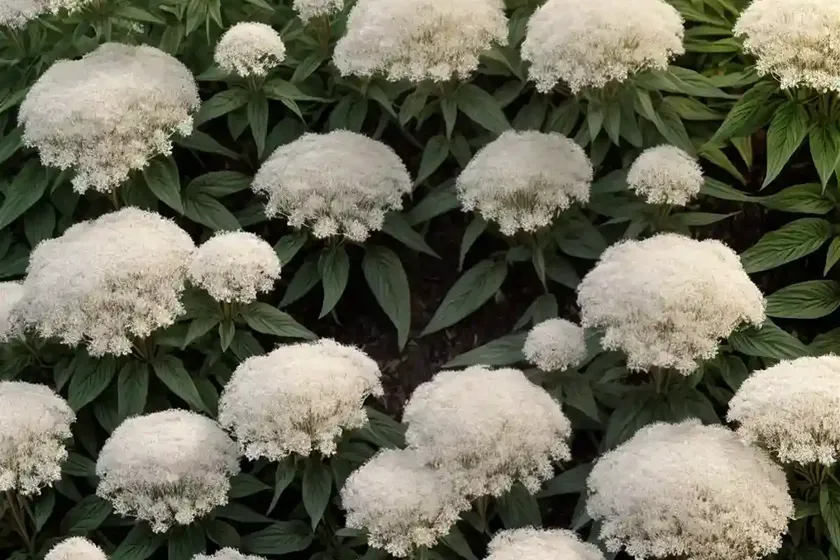
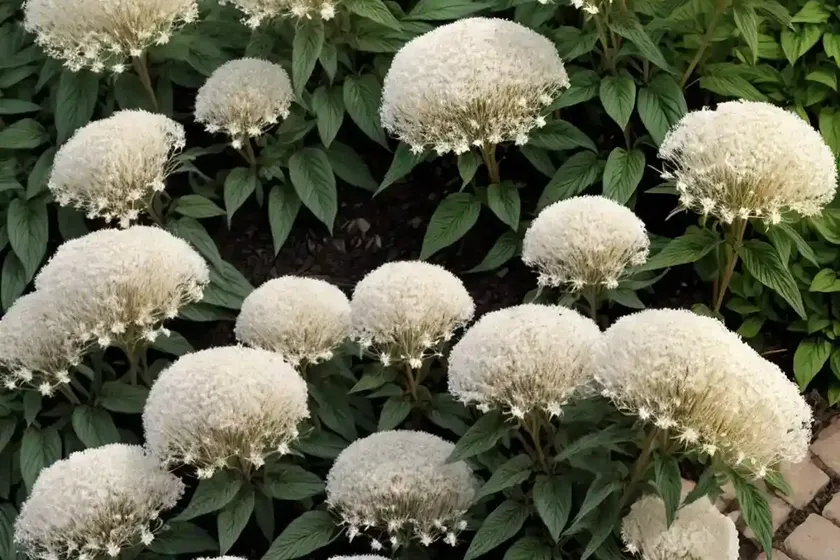
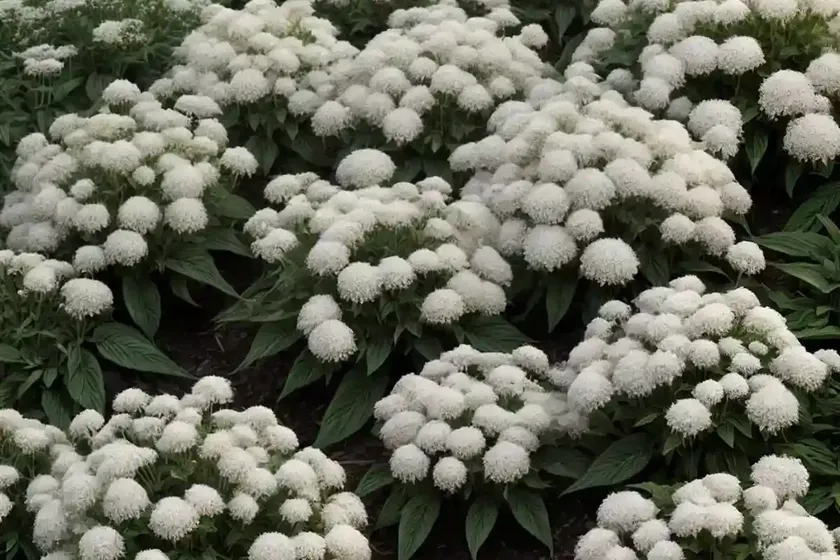
Eupatorium perfoliatum, commonly known as Common Boneset, is a herbaceous perennial plant belonging to the Asteraceae family. It is native to North America and is widely distributed throughout the eastern and central regions of the continent. This plant is characterized by its striking appearance, with clusters of delicate, white flowers held in tightly packed inflorescences atop sturdy, upright stems. The foliage is also noteworthy, featuring robust, serrated leaves that envelop the stem, giving the impression of the stem piercing through the leaf.
The common name, Boneset, is derived from its historical use in traditional medicine to treat dengue fever, also referred to as “break-bone fever,” due to the severe joint and muscle pain it causes. The unique botanical name, Eupatorium perfoliatum, stems from the Greek word “eupatorio” and the Latin word “perfoliatum,” combining to signify the plant’s perceived medicinal properties and its distinctive leaf arrangement.
Throughout history, Eupatorium perfoliatum has been valued for its medicinal properties, folklore, and as a horticulturally significant plant. It continues to captivate the interest of plant enthusiasts, herbalists, and researchers due to its various uses and attributes.
Key Takeaways – Eupatorium perfoliatum (Common Boneset)
Culture
Eupatorium perfoliatum is a versatile plant that can thrive in a variety of environments, from natural woodland settings to cultivated gardens. Its cultural preferences can be summarized as follows:
- Hardiness Zone: Eupatorium perfoliatum is well-suited to hardiness zones 3 to 9, indicating its adaptability to a wide climatic range.
- Soil Type: It prefers moist, well-drained soils, though it can tolerate a range of soil types.
- pH Range: Neutral to slightly acidic soil pH (6.0 to 7.0) is preferred.
- Watering: Adequate moisture is essential, particularly during the establishment phase and in periods of drought.
- Maintenance: It is a relatively low-maintenance plant, with minimal pruning and grooming requirements.
Uses
The uses of Eupatorium perfoliatum are diverse and encompass both cultural and horticultural applications:
- Medicinal: In traditional herbal medicine, it has been used to alleviate symptoms of fever, colds, and flu, as well as for its potential immunomodulatory properties.
- Ornamental: Its attractive flowers and foliage make it a popular choice for wildflower gardens, naturalistic landscapes, and pollinator-friendly habitats.
- Historical Significance: Throughout history, it has been revered for its cultural and symbolic significance, featuring in folklore and traditional remedies.
Water
Eupatorium perfoliatum thrives in optimal moisture conditions, and its water requirements should be carefully managed to ensure its vitality and vigor. Key considerations include:
- Optimal Moisture: Consistent moisture levels are essential, particularly during the growing season and dry spells, to support healthy growth and flowering.
- Avoid Waterlogging: While it prefers moist soils, it is important to prevent waterlogging, which can lead to root rot and other detrimental effects.
Sunlight
Proper sunlight exposure is crucial for the growth and development of Eupatorium perfoliatum, aligning with its natural habitat preferences:
- Full Sun: It thrives in full sun conditions, receiving at least 6 to 8 hours of direct sunlight per day.
- Partial Shade: It can tolerate partial shade, particularly in regions with intense midday sun or during periods of extreme heat.
Fertilizer
Strategic fertilization can enhance the performance and resilience of Eupatorium perfoliatum, promoting robust growth and prolific flowering:
- Fertilization Timing: Apply a balanced, slow-release fertilizer in early spring to support the plant’s nutrient requirements as it begins its active growth phase.
- Application Rate: Use a moderate application rate, as excessive fertilization can lead to lush foliage at the expense of flowering.
Soil
Understanding the soil preferences of Eupatorium perfoliatum is instrumental in creating an ideal growing environment for this remarkable plant:
- Moisture Retention: It thrives in well-drained soils with good moisture retention, particularly in regions with drier conditions.
- Soil Composition: A rich, loamy soil with ample organic matter is preferred, providing essential nutrients and a conducive root environment.
Pruning
Appropriate pruning practices play a key role in maintaining the health, appearance, and longevity of Eupatorium perfoliatum:
- Deadheading: Regular deadheading of spent flowers promotes prolonged flowering and prevents self-seeding.
- Spring Pruning: In early spring, remove any damaged or overgrown stems to encourage new, healthy growth and maintain a tidy appearance.
- Division: Periodic division of mature clumps can rejuvenate the plant and promote better flowering in congested areas.
Propagation
Efficient propagation methods can be employed to multiply Eupatorium perfoliatum and propagate its desirable traits:
- Division: In early spring or fall, divide established clumps, ensuring each division has ample roots and shoots for successful establishment.
- Seed Propagation: Sow seeds in a prepared seedbed in early spring or fall, lightly covering them with soil and maintaining consistent moisture until germination occurs.
Container Popularity
Eupatorium perfoliatum can be an attractive and functional addition to container gardens, offering versatility and visual appeal:
- Container Size: Select a spacious, deep container to accommodate the plant’s vigorous root system and support stable growth.
- Soil Quality: Use a well-draining, nutrient-rich potting mix to provide an optimal growing medium for the plant.
- Maintenance: Regular watering and fertilization are crucial to sustain container-grown Eupatorium perfoliatum, along with potential repotting as it outgrows its current container.
Common Diseases
While Eupatorium perfoliatum is generally robust, it is susceptible to certain diseases that warrant careful monitoring and management:
- Powdery Mildew: This fungal disease can affect the foliage, leading to a powdery, white growth, and compromising the plant’s overall health.
- Leaf Spot: Various leaf spot diseases can occur, causing discoloration, spotting, and defoliation if left unchecked.
Disease Diagnosis
Diagnosing and addressing potential diseases promptly are essential for maintaining the health and vitality of Eupatorium perfoliatum:
- Symptom Recognition: Regularly inspect the foliage for signs of abnormal growth, discoloration, or presence of fungal growth.
- Cultural Practices: Ensure proper spacing, airflow, and sanitation practices to minimize disease incidence and spread.
- Treatment: Treat affected plants with appropriate fungicidal sprays or cultural measures to mitigate disease progression and prevent recurrence.
Common Pests
Eupatorium perfoliatum can attract certain pests that may impact its growth and aesthetics, necessitating vigilant pest management:
- Aphids: These sap-sucking insects can colonize the tender shoots and flower buds, leading to distorted growth and potential virus transmission.
- Caterpillars: Some species of caterpillars may feed on the foliage and flowers, causing visible damage and defoliation if populations are left unchecked.
Botanist’s Tips
As a dedicated botanist, I offer the following tips for cultivating and appreciating Eupatorium perfoliatum:
- Companion Planting: Pair Eupatorium perfoliatum with other moisture-loving perennials and grasses to create dynamic plant combinations and provide diverse habitats for wildlife.
- Pollinator Gardens: Emphasize its role in supporting pollinators by incorporating it into pollinator-friendly gardens and native plant landscapes.
- Naturalistic Landscapes: Utilize its graceful form and flower clusters in naturalistic and woodland-style landscapes, blending it with native species for a cohesive, ecologically conscious design.
Fun Facts
Delving into the lore and fascinating attributes of Eupatorium perfoliatum reveals intriguing insights and captivating anecdotes:
- Historical Remedies: Its historical use in traditional medicine for treating dengue fever has contributed to its enduring legacy and cultural significance.
- Wildlife Habitat: As a nectar and pollen source, Eupatorium perfoliatum supports a diverse array of pollinators, including bees, butterflies, and beneficial insects.
- Folklore: It has been intertwined with folklore and traditions, serving as a symbol of healing, resilience, and natural remedies in various cultural contexts.
Links to External Resources
For further exploration and comprehensive information on Eupatorium perfoliatum, I recommend the following resources:
- The National Gardening Association – Eupatorium perfoliatum Plant Care
- Missouri Botanical Garden – Eupatorium perfoliatum Profile
- University of Maryland Medical Center – Boneset Overview
Conclusion
In conclusion, Eupatorium perfoliatum (Common Boneset) stands as a captivating and multifaceted plant with a rich history, medicinal properties, and ornamental appeal. Its resilience, adaptability, and ecological value make it an invaluable addition to diverse landscapes, from native plant gardens to herbal medicine traditions. Through careful cultivation, appreciation of its cultural significance, and understanding of its potential applications, we can foster a deeper connection with this remarkable botanical treasure.
As we continue to explore and celebrate the remarkable diversity of plant life, Eupatorium perfoliatum exemplifies the enduring legacy and inherent value of plants in our lives, serving as a source of inspiration and knowledge for plant scientists, horticulturists, and enthusiasts alike.
References
- “Eupatorium perfoliatum.” National Gardening Association, garden.org, https://garden.org/plants/view/83044/Boneset-Eupatorium-perfoliatum/
- “Eupatorium perfoliatum.” Missouri Botanical Garden, missouribotanicalgarden.org, http://www.missouribotanicalgarden.org/PlantFinder/PlantFinderDetails.aspx?taxonid=263668&isprofile=0&
- “Boneset.” University of Maryland Medical Center, umm.edu, https://www.umm.edu/health/medical/altmed/herb/boneset