Eupatorium Maculatum (Atropurpureum Group) ‘Riesenschirm’ (Joe-Pye Weed)
Eupatorium maculatum (Atropurpureum Group) ‘Riesenschirm’, also known as Joe-Pye Weed, is a stunning perennial plant that is native to North America. This.
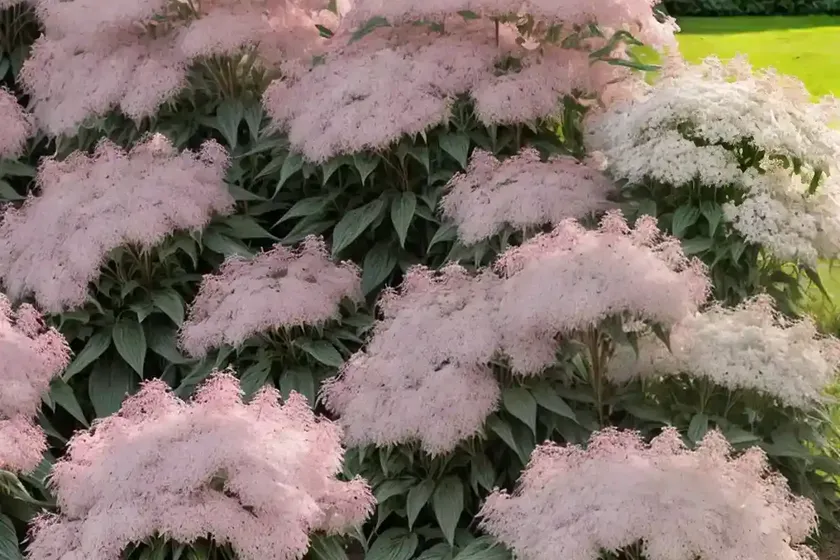
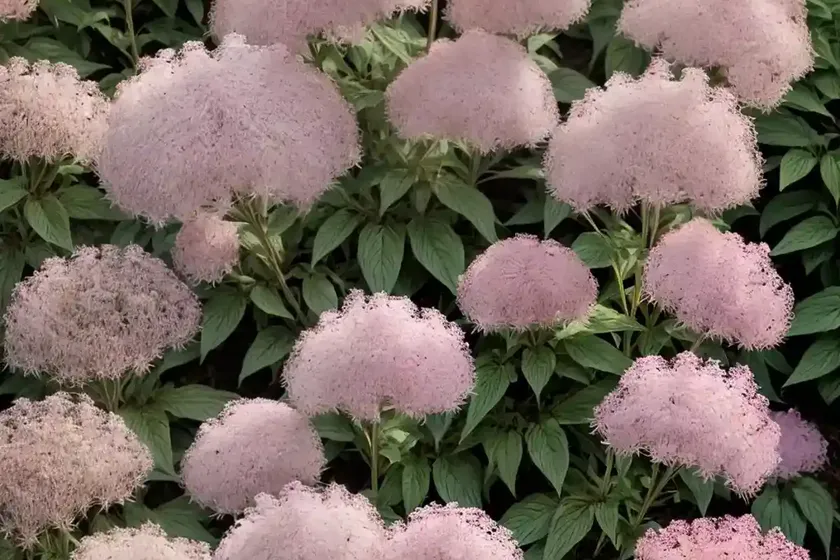
Eupatorium maculatum (Atropurpureum Group) ‘Riesenschirm’, also known as Joe-Pye Weed, is a stunning perennial plant that is native to North America. This beautiful plant is known for its large, colorful flowers and its attractiveness to butterflies and other pollinators. In this blog post, we will explore the culture, uses, care tips, and interesting facts about Eupatorium maculatum (Atropurpureum Group) ‘Riesenschirm’.
Key Takeaways
Before delving deeper into the specifics of Eupatorium maculatum (Atropurpureum Group) ‘Riesenschirm’, let’s first highlight some key takeaways about this plant:
- Plant Name: Eupatorium maculatum (Atropurpureum Group) ‘Riesenschirm’ (Joe-Pye Weed)
- Botanical Name: Eupatorium maculatum
- Common Name: Joe-Pye Weed
- Cultivar: Atropurpureum Group
- Family: Asteraceae
- Hardiness Zone: 4-8 (USDA)
- Sunlight: Full sun to part shade
- Soil: Moist, well-draining soil
- Height: 4-7 feet
- Spread: 2-4 feet
- Bloom Time: Late summer to early fall
- Attracts: Butterflies and pollinators
- Uses: Perennial borders, naturalized areas, butterfly gardens
What is Eupatorium maculatum (Atropurpureum Group) ‘Riesenschirm’?
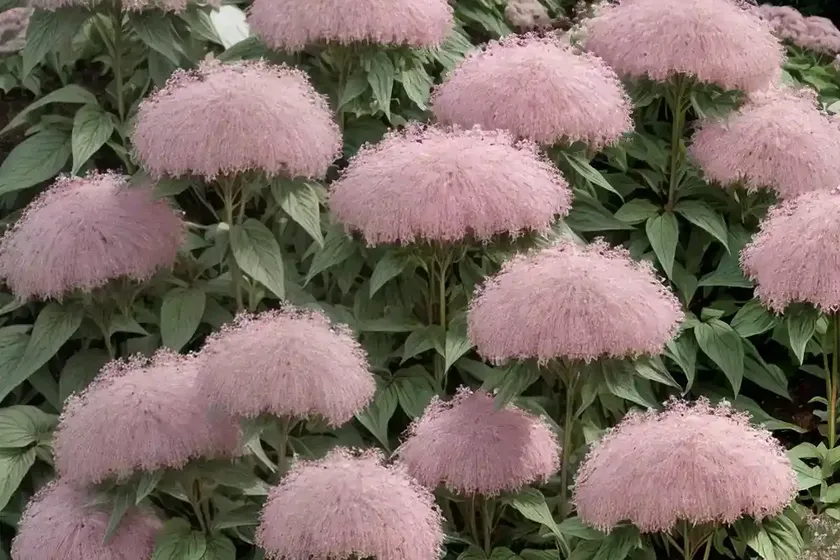
Eupatorium maculatum (Atropurpureum Group) ‘Riesenschirm’ is a herbaceous perennial plant that belongs to the Asteraceae family. It is native to eastern and central North America and is commonly found in moist woodland areas, along streams, and in open meadows. This plant is known for its robust growth habit, large, dome-shaped flower clusters, and the ability to attract butterflies and other pollinators. The cultivar ‘Riesenschirm’ is particularly esteemed for its striking dark pink to purple flowers and its overall garden presence.
Description
The ‘Riesenschirm’ cultivar of Eupatorium maculatum is characterized by its towering height, reaching 4 to 7 feet, and its impressive flower heads that can span 1 to 2 feet in diameter. The flowers are composed of numerous tiny, densely packed florets, creating a captivating display that often attracts various pollinators. The foliage is deeply veined, lance-shaped, and arranged in whorls along the stems, giving the plant an attractive vertical aspect.
Landscape Uses
Due to its impressive height, attractive flowers, and wildlife-attracting qualities, Eupatorium maculatum (Atropurpureum Group) ‘Riesenschirm’ is a popular choice for various landscape applications:
- Perennial Borders: The bold, architectural presence of ‘Riesenschirm’ makes it an excellent candidate for the back or middle of perennial borders, where it can provide vertical interest and floral abundance.
- Naturalized Areas: In more informal settings, such as meadows or woodland edges, this plant can be allowed to naturalize, forming large, striking drifts that complement the surrounding landscape.
- Butterfly Gardens: Given its affinity for butterflies and other pollinators, ‘Riesenschirm’ is valued for its ability to enhance the ecological diversity of butterfly gardens and wildlife-friendly landscapes.
Culture
To cultivate Eupatorium maculatum (Atropurpureum Group) ‘Riesenschirm’ successfully, it is important to understand its cultural requirements, including water, sunlight, soil, and fertilizer needs.
Water
Proper moisture levels are essential for the growth and health of Eupatorium maculatum ‘Riesenschirm’. While the plant has good tolerance to moist soils, proper drainage is crucial to prevent waterlogged conditions that can lead to root rot. During hot and dry periods, supplemental watering may be necessary, especially for newly established plants and those in containers.
Sunlight
This cultivar of Joe-Pye Weed thrives in full sun to part shade. While it can tolerate some shade, providing ample sunlight encourages sturdy, upright growth and prolific flowering. In hotter regions, providing some afternoon shade can help protect the plant from excessive heat stress.
Soil
Eupatorium maculatum (Atropurpureum Group) ‘Riesenschirm’ prefers moist, well-draining soil with moderate fertility. It is best to avoid planting in heavy, compacted soils that retain excess moisture. Amending the soil with organic matter, such as compost or well-rotted manure, can improve the overall soil structure and water retention capacity.
Fertilizer
Generally, Eupatorium maculatum ‘Riesenschirm’ does not require heavy fertilization. A balanced, slow-release fertilizer applied in spring as new growth emerges can provide the necessary nutrients for healthy development. It is important to follow the recommended application rates to avoid over-fertilizing, which can lead to excessive vegetative growth at the expense of flowering.
Pruning
Regular pruning can help maintain the appearance and vitality of Eupatorium maculatum (Atropurpureum Group) ‘Riesenschirm’. Here are some key points to consider when pruning this cultivar:
- Deadheading: Removing spent flowers can prolong the blooming period and prevent self-seeding, especially in garden settings where controlling spread is a concern.
- Cutting Back: In late winter or early spring, cutting back the stems to a few inches above ground level can rejuvenate the plant, promote new growth, and reduce the overall height of the plant.
Propagation
Eupatorium maculatum ‘Riesenschirm’ can be propagated through several methods, including division, stem cuttings, and seed sowing.
- Division: Dividing mature clumps in early spring allows for the creation of new plants and can help invigorate older, overcrowded specimens.
- Stem Cuttings: Taking semi-hardwood stem cuttings in late spring to early summer and rooting them under mist or in a suitable propagation medium offers an alternative means of producing new plants.
- Seed Sowing: Collecting and sowing seeds in a controlled environment, such as a greenhouse or indoors, can yield new plants for subsequent transplanting.
Container Gardening
While Eupatorium maculatum (Atropurpureum Group) ‘Riesenschirm’ is typically grown in garden beds and naturalized areas, it can also be cultivated effectively in large containers. When growing ‘Riesenschirm’ in containers, it is important to consider the following aspects:
- Container Size: Select a container that provides ample space for the plant to establish a strong root system and grow to its full potential.
- Drainage: Ensure that the container has sufficient drainage holes to prevent waterlogging, and use a well-draining potting mix to promote healthy root development.
- Watering: Containers may require more frequent watering, especially during hot and dry periods, to maintain consistent soil moisture levels.
- Overwintering: In colder climates, providing winter protection for container-grown ‘Riesenschirm’, such as moving the container to a sheltered location or insulating it, can help ensure plant survival.
Common Diseases
While Eupatorium maculatum ‘Riesenschirm’ is generally resistant to many pests and diseases, it may still encounter certain issues under unfavorable growing conditions. Common diseases that can affect this plant include:
- Powdery Mildew: Occurring in humid and poorly ventilated conditions, powdery mildew can cause a white, powdery growth on the foliage, potentially leading to leaf distortion and reduced photosynthetic activity.
- Leaf Spot: Various fungal pathogens can cause dark, irregular spots on the leaves, potentially leading to premature leaf drop and reduced plant vigor.
- Root Rot: Excessive soil moisture and poor drainage can predispose the plant to root rot, characterized by wilting, yellowing foliage, and overall decline.
Disease Diagnosis
When diagnosing potential diseases affecting Eupatorium maculatum (Atropurpureum Group) ‘Riesenschirm’, it is important to:
- Observe Symptoms: Carefully observe the affected plant parts, noting any changes in color, texture, or overall appearance.
- Inspect Surroundings: Consider environmental factors such as humidity levels, air circulation, and soil moisture to determine if the conditions are conducive to disease development.
- Consult Experts: If uncertain about the diagnosis or treatment, seek advice from local extension services, plant clinics, or experienced horticulturists to accurately identify and address the issue.
Common Pests
Eupatorium maculatum (Atropurpureum Group) ‘Riesenschirm’ is relatively resistant to many common pests. However, some potential pests that may affect this plant include:
- Aphids: These small, soft-bodied insects may congregate on the new growth and undersides of the leaves, potentially causing distortion and reduced vigor.
- Japanese Beetles: These voracious feeders can skeletonize the foliage, greatly diminishing the plant’s aesthetic appeal and overall health.
- Caterpillars: Certain caterpillar species may feed on the foliage, requiring management if their population becomes problematic.
To manage pest issues, it is important to employ integrated pest management (IPM) strategies that prioritize cultural controls, biological controls, and selective use of low-impact pesticides when necessary.
Botanist’s Tips
As a plant scientist, I recommend the following tips for successfully growing and enjoying Eupatorium maculatum (Atropurpureum Group) ‘Riesenschirm’:
- Provide Adequate Space: Due to its substantial size, select a planting location that allows for the plant’s mature height and spread without overcrowding neighboring plants.
- Maintain Moisture Levels: While the plant appreciates moisture, ensuring proper drainage and avoiding waterlogged conditions is crucial to prevent root issues.
- Support Wildlife: Embrace the ecological benefits of ‘Riesenschirm’ by cultivating it in wildlife-friendly landscapes that prioritize biodiversity and habitat enhancement.
- Be Mindful of Spreading: Given its potential to naturalize, consider the desired extent of its spread and manage accordingly to prevent unwanted colonization in certain settings.
Fun Facts
If you’re intrigued by the charming qualities of Eupatorium maculatum (Atropurpureum Group) ‘Riesenschirm’, here are some fun and interesting facts about this captivating plant:
- Butterfly Magnet: The colorful flowers of ‘Riesenschirm’ act as a magnet for various butterfly species, adding a delightful spectacle to the garden.
- Late Season Appeal: As many other perennials wane in late summer, ‘Riesenschirm’ steps into the spotlight with its abundant, showy flowers, providing a welcome burst of color.
- Historic Medicinal Uses: Traditionally, certain Indigenous tribes and early settlers utilized Joe-Pye Weed for its purported medicinal properties, exploring its potential as a diuretic and overall wellness aid.
Links to External Resources
To further expand your knowledge of Eupatorium maculatum (Atropurpureum Group) ‘Riesenschirm’ and delve deeper into its horticultural aspects, consider exploring the following external resources:
- https://www.gardeningknowhow.com/
- https://www.missouribotanicalgarden.org/
- https://www.rhs.org.uk/
- https://www.fs.fed.us/
- https://www.plantdelights.com/
By drawing insights from reputable sources and botanical gardens, you can gain a comprehensive understanding of ‘Riesenschirm’, its cultivation, and its role in ecological stewardship.
In summary, Eupatorium maculatum (Atropurpureum Group) ‘Riesenschirm’ is a captivating, wildlife-attracting perennial that holds substantial appeal for both gardeners and nature enthusiasts. By embracing its cultural requirements, understanding its ecological importance, and appreciating its captivating floral display, you can fully maximize the ornamental and ecological potential of this delightful Joe-Pye Weed cultivar.