Eupatorium Maculatum (Atropurpureum Group) ‘Gateway’ (Joe-Pye Weed)
Eupatorium maculatum, commonly known as Joe-Pye Weed, is a striking perennial plant that belongs to the Asteraceae family. The ‘Gateway’ cultivar.
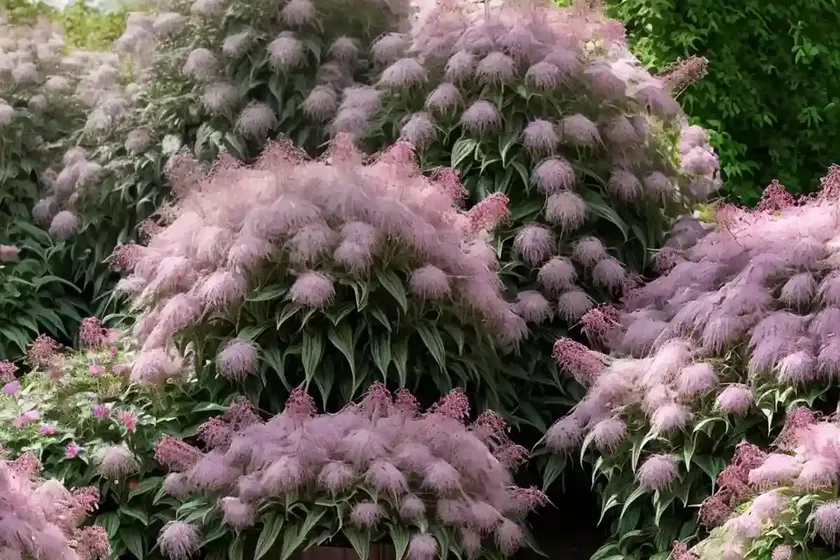
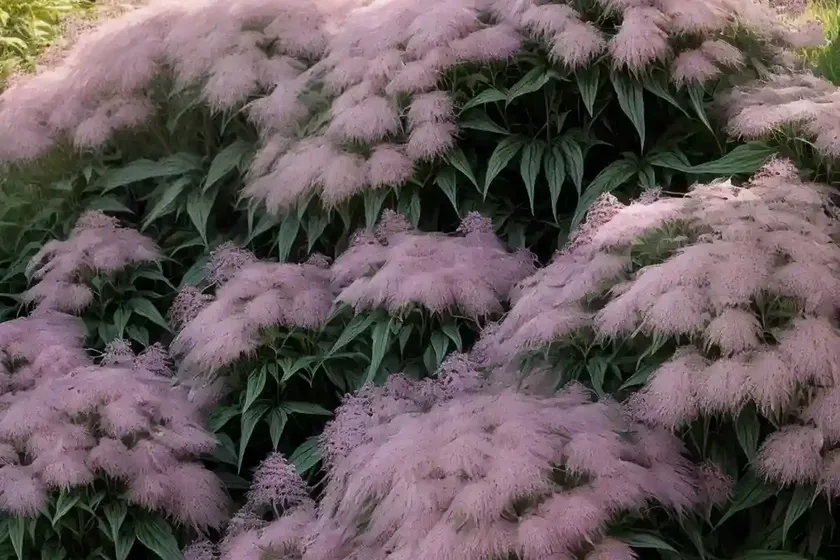
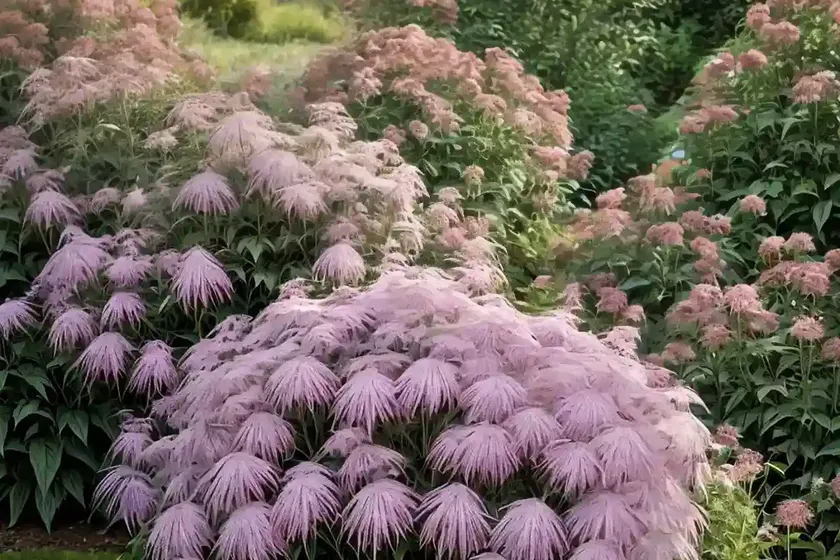
Eupatorium maculatum, commonly known as Joe-Pye Weed, is a striking perennial plant that belongs to the Asteraceae family. The ‘Gateway’ cultivar, specifically part of the Atropurpureum Group, is recognized for its impressive ornamental qualities and various landscape uses. In this comprehensive article, we will delve into the diverse aspects of Eupatorium maculatum ‘Gateway’, exploring its culture, uses, care requirements, and much more. Whether you are a novice gardener seeking information about this fascinating plant or a seasoned horticulturist looking to expand your knowledge, this in-depth guide aims to provide valuable insights into the cultivation and appreciation of Eupatorium maculatum ‘Gateway’.
What is Eupatorium maculatum ‘Gateway’?
Eupatorium maculatum ‘Gateway’, also referred to as Joe-Pye Weed ‘Gateway’, is a cultivated variety of Eupatorium maculatum, a native North American perennial. Known for its majestic stature, deep pink to purple flower clusters, and its ability to attract various pollinators, this plant has gained popularity among landscape designers and garden enthusiasts alike.
Key Takeaways – Eupatorium maculatum (Atropurpureum Group) ‘Gateway’ (Joe-Pye Weed)
Before delving into the specific aspects of Eupatorium maculatum ‘Gateway’, let’s highlight some key takeaways about this plant:
- Scientific Name: Eupatorium maculatum (Atropurpureum Group) ‘Gateway’
- Common Name: Joe-Pye Weed ‘Gateway’
- Cultivar Group: Atropurpureum Group
- Distinctive Features: Tall, erect habit, large pink to purple flower clusters, attractive to pollinators
- Landscape Uses: Border plant, butterfly garden, naturalized areas, rain gardens, wildlife gardens
- Growth Requirements: Moist, well-drained soil, full to partial sunlight, regular watering, minimal pruning needs
- Potential Concerns: Susceptible to certain pests and diseases, may require staking due to height
Now that we have set the stage for our exploration of Eupatorium maculatum ‘Gateway’, let’s dive deeper into various aspects related to its culture, uses, care, and more.
Culture
Understanding the cultural requirements of Eupatorium maculatum ‘Gateway’ is essential for successfully nurturing this plant in a garden or landscape setting. From its soil preferences to its watering needs, each aspect contributes to the overall health and vitality of the plant.
Water
Eupatorium maculatum ‘Gateway’ thrives in consistently moist soil, making it well-suited for areas with naturally damp conditions such as rain gardens or along the margins of water features. Adequate moisture is particularly crucial during the plant’s establishment phase and during periods of drought.
- Watering Requirements:
- Regular watering, especially during dry spells
- Ensure well-drained soil to prevent waterlogging
- Consider mulching to retain soil moisture and regulate temperature
Sunlight
In terms of sunlight exposure, Eupatorium maculatum ‘Gateway’ displays a preference for full to partial sunlight. While it can tolerate partial shade, providing ample sunlight can enhance the plant’s overall vigor and promote robust flowering.
- Sun Exposure Preferences:
- Full sun to partial shade
- Aim for at least 6 hours of direct sunlight daily for optimal growth and bloom production
- Avoid excessively shady locations to prevent leggy growth and reduced flowering
Soil
The ideal soil conditions for Eupatorium maculatum ‘Gateway’ mirror its natural habitat, favoring moist, nutrient-rich, and well-drained soils. Understanding the specific soil requirements and making suitable amendments can contribute significantly to the plant’s overall performance.
- Soil Requirements:
- Moist, well-drained soil with a preference for loamy or sandy compositions
- Neutral to slightly acidic pH range (6.5-7.5) is generally preferred
- Incorporate organic matter, such as compost or well-rotted manure, to improve soil structure and fertility
Fertilizer
When it comes to fertilizing Eupatorium maculatum ‘Gateway’, a balanced approach is recommended to support healthy growth and prolific flowering without promoting excessive lushness or potential susceptibility to certain diseases.
- Fertilization Guidelines:
- Apply a slow-release, balanced fertilizer in early spring, following the manufacturer’s recommendations
- Avoid excessive nitrogen application, as it may lead to overly vigorous growth at the expense of flower production
- Monitor the plant’s overall health and adjust fertilization practices based on its performance and visual cues
Pruning
Eupatorium maculatum ‘Gateway’ generally requires minimal pruning, especially during the growing season. However, some maintenance practices, such as deadheading spent flower clusters, can contribute to a tidier appearance and potentially encourage additional blooms.
- Pruning Recommendations:
- Pinch or snip off faded flower heads to promote continuous flowering and prevent self-seeding in managed landscapes
- Remove any damaged or withered foliage to maintain the plant’s overall aesthetic and health
- Conduct any necessary structural pruning or stem reduction during the dormant season, if required
Propagation
For those interested in propagating Eupatorium maculatum ‘Gateway’ to expand their plantings or share this remarkable variety with fellow gardeners, understanding effective propagation methods is essential. While seed propagation is an option, division and stem cuttings are also viable approaches for achieving new plants.
- Propagation Methods:
- Seed Propagation:
- Collect mature seeds in late summer and sow them directly in prepared seedbeds
- After stratification, germination typically occurs in the following spring
- Division:
- Divide established clumps in early spring or fall, ensuring each division has viable roots and growing points
- Replant the divisions in suitable locations and provide appropriate care for establishment
- Stem Cuttings:
- Take 4-6 inch stem cuttings from healthy, non-flowering shoots in the spring or early summer
- Root the cuttings in a well-draining propagation medium under controlled conditions, maintaining consistent moisture and warmth
Container Popularity
Despite its large stature, Eupatorium maculatum ‘Gateway’ has gained recognition for its potential to thrive in container gardens, adding vertical interest and attracting pollinators on patios, decks, or smaller outdoor spaces.
- Container Gardening Considerations:
- Select large, sturdy containers with ample depth to accommodate the plant’s extensive root system
- Choose a high-quality, well-draining potting mix to support healthy growth and moisture regulation
- Position the containers in locations that receive adequate sunlight and provide sufficient space for the plant’s mature dimensions
Common Diseases
Eupatorium maculatum ‘Gateway’ is generally considered resistant to many common plant diseases. However, certain environmental conditions or cultural practices may predispose the plant to specific ailments, necessitating proactive management and preventative measures.
- Potential Disease Concerns:
- Powdery Mildew:
- Maintain good air circulation and avoid overcrowding to minimize humidity levels around the plant
- Consider applying preventive fungicidal sprays or opt for resistant cultivars if powdery mildew becomes a recurring issue
- Root Rot:
- Ensure well-drained soil and avoid overwatering to prevent excess moisture around the roots
- Consider incorporating organic matter or amendments to improve soil structure and drainage
Common Pests
While Eupatorium maculatum ‘Gateway’ is known for its relative resistance to pest infestations, vigilance is still necessary to address potential concerns and prevent detrimental impacts on the plant’s health and aesthetics.
- Pest Management Strategies:
- Aphids:
- Monitor new growth and tender shoots for aphid activity, especially during the growing season
- Utilize natural predators or apply targeted insecticidal soaps to control aphid populations if significant infestations occur
- Caterpillars:
- Regularly inspect the plant for caterpillar eggs or larvae, particularly in the vicinity of flower clusters and foliage
- Employ organic or biological control methods to manage caterpillar populations without harming beneficial insects
Botanist’s Tips
Seasoned botanists and horticulturists often provide valuable insights and recommendations based on their expertise and experience with specific plant species. Here are some noteworthy tips related to the cultivation and appreciation of Eupatorium maculatum ‘Gateway’:
- Botanical Insights:
- Select companion plants with contrasting textures and complementary colors to create visually engaging combinations with Eupatorium maculatum ‘Gateway’
- Incorporate this tall, architectural plant as a focal point or vertical element in mixed border plantings or perennial gardens
- Encourage biodiversity by showcasing Eupatorium maculatum ‘Gateway’ as part of wildlife-friendly or pollinator-attracting garden designs
Fun Facts
To further enrich our understanding and appreciation of Eupatorium maculatum ‘Gateway’, let’s explore some intriguing and lesser-known facts about this remarkable plant.
- Fascinating Tidbits:
- The common name “Joe-Pye Weed” is believed to be derived from a Native American healer named Joe Pye, who reputedly used a related species, Eupatorium purpureum, to treat various ailments
- Eupatorium maculatum ‘Gateway’ is often sought after for its role in supporting pollinators, particularly attracting butterflies and hummingbirds with its nectar-rich flower clusters
- Some cultivars of Eupatorium maculatum exhibit varying flower colorations, including shades of pink, purple, or mauve, adding diversity to the species’ ornamental appeal in gardens and landscapes
Links to External Resources
For further details and comprehensive information on Eupatorium maculatum ‘Gateway’, consider exploring the following reputable online resources and publications:
- The American Horticultural Society
- University Extension programs such as the University of Minnesota Extension
- Botanical gardens and arboretums with online plant databases
- Gardening publications and magazines dedicated to ornamental plants and perennials
- Plant conservation organizations and native plant societies
This concludes our comprehensive exploration of Eupatorium maculatum (Atropurpureum Group) ‘Gateway’ (Joe-Pye Weed). By understanding its culture, uses, care requirements, and botanical significance, we can appreciate the unique contributions of this remarkable plant to garden landscapes and natural ecosystems. Whether incorporated into formal garden designs or left to naturalize in wilder settings, Eupatorium maculatum ‘Gateway’ stands as a testament to the beauty and resilience of native perennial species.