Eulalia (Miscanthus sinensis ‘Morning Light’): A Comprehensive Guide
Eulalia (Miscanthus sinensis ‘Morning Light’) is a stunning ornamental grass known for its graceful plumes and variegated foliage. If you’re looking to add a touch of elegance and texture to your garden or landscape, the Morning Light Grass is an excellent choice. In this comprehensive guide, we’ll delve into the culture, uses, care, and maintenance of this beautiful grass species, as well as explore its popularity, common diseases, and propagation techniques.
What is Eulalia (Miscanthus sinensis ‘Morning Light’)?
Eulalia, scientifically known as Miscanthus sinensis ‘Morning Light’, is a herbaceous perennial grass that belongs to the Poaceae family. It is native to East Asia, including China, Japan, and Korea, and is widely cultivated as an ornamental grass in gardens and landscapes worldwide.
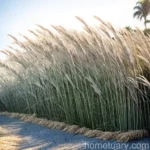
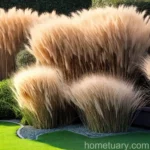
The ‘Morning Light’ cultivar is particularly prized for its variegated foliage, which features narrow leaves with white margins that create a striking visual impact. In late summer to early fall, Eulalia produces feathery, pink-tinged flower plumes that rise above the foliage, adding an extra dimension of beauty to its overall appearance.
Key Takeaways – Eulalia (Miscanthus sinensis ‘Morning Light’)
Before we delve deeper into the specific aspects of growing and caring for Eulalia (Miscanthus sinensis ‘Morning Light’), here are some key takeaways about this ornamental grass:
- Scientific Name: Miscanthus sinensis ‘Morning Light’
- Common Names: Eulalia Morning Light, Morning Light Grass, Ornamental Grass Morning Light, Japanese Silver Grass Morning Light
- Variegation: The morning light grass is prized for its variegated foliage, with narrow leaves adorned with white margins that impart a delicate and graceful appearance.
- Cultural Uses: Eulalia is commonly utilized in landscaping for its ornamental value, providing texture, movement, and visual interest to garden beds, borders, and landscapes.
- Hardiness: Eulalia is generally hardy and low-maintenance, making it a popular choice for both experienced and novice gardeners.
- Height and Spread: Depending on the specific cultivar and growing conditions, Eulalia can reach heights of 4 to 6 feet and have a spread of 3 to 5 feet, creating a dramatic presence in the garden.
- Growing Conditions: Morning Light Grass thrives in full sun to partial shade and well-draining soil, making it adaptable to various garden environments.
With these key insights in mind, let’s explore the specific cultural requirements, uses, and maintenance guidelines for Eulalia (Miscanthus sinensis ‘Morning Light’) in more detail.
Culture
Cultural practices play a fundamental role in the successful growth and development of ornamental grasses like Eulalia. Understanding the specific cultural requirements of Eulalia, including its preferred growing conditions, water needs, sunlight exposure, and soil preferences, is essential for fostering healthy and vigorous plants. Let’s explore these cultural aspects in more detail:
Water
Proper watering is crucial for the establishment and ongoing health of Eulalia (Miscanthus sinensis ‘Morning Light’). While this ornamental grass is relatively drought-tolerant once established, it thrives best with regular watering, especially during its initial establishment phase and periods of prolonged dryness.
-
Establishment: During the initial establishment period, typically the first growing season after planting, ensure that Eulalia receives consistent moisture. Water deeply and thoroughly to encourage the development of a strong root system.
-
Mature Plants: Once established, Eulalia can tolerate moderate drought conditions and is generally low-maintenance in terms of watering. However, during prolonged dry spells or particularly hot summers, provide supplemental irrigation to prevent the soil from drying out excessively.
-
Watering Techniques: When watering Eulalia, aim to saturate the root zone thoroughly, ensuring that the soil is evenly moist but not waterlogged. Avoid frequent shallow watering, as this can encourage shallow root development and make the plants more susceptible to stress.
Sunlight
Eulalia (Miscanthus sinensis ‘Morning Light’) thrives in full sun to partial shade and is adaptable to a range of light conditions. However, it tends to exhibit its best growth and foliage coloration when provided with ample sunlight.
-
Full Sun: Morning Light Grass performs exceptionally well in full sun, where it can receive at least 6 to 8 hours of direct sunlight daily. In sunny locations, the variegated foliage develops vibrant coloration and the plant remains upright and vigorous.
-
Partial Shade: While Eulalia can tolerate partial shade, it may exhibit slightly reduced growth and less vibrant foliage coloration compared to plants grown in full sun. When planted in partial shade, ensure that it still receives several hours of direct or dappled sunlight to support healthy growth.
-
Sunlight Guidelines: When selecting a site for planting Eulalia, choose a location that receives adequate sunlight based on the plant’s preferences. In regions with intense heat, providing some afternoon shade can help prevent potential leaf scorch in extreme conditions.
Fertilizer
Proper fertilization can bolster the growth, vigor, and overall appeal of Eulalia (Miscanthus sinensis ‘Morning Light’). While this ornamental grass is relatively versatile and can thrive in nutrient-poor soils, providing supplemental nutrients can enhance its performance and visual impact. Here are some guidelines for fertilizing Eulalia:
-
Initial Planting: When initially planting Eulalia, incorporate organic matter or compost into the soil to enrich its fertility and provide a nutrient-rich foundation for the developing plants. This can help support healthy establishment and early growth.
-
Routine Maintenance: Once established, Eulalia typically requires minimal fertilization, especially in well-amended soils. However, if the plants exhibit signs of slow growth or nutrient deficiency, consider applying a balanced, slow-release fertilizer in early spring to provide a gentle nutrient boost.
-
Fertilizer Selection: Use a balanced, granular fertilizer with an NPK ratio of 10-10-10 or similar, ensuring that it contains a mix of essential macro and micronutrients. Avoid overfertilizing, as excessive nutrient availability can lead to lush, floppy growth and reduce the plant’s overall resilience.
-
Application Method: Apply the fertilizer according to the manufacturer’s instructions, evenly distributing it around the base of the plants. Water the area thoroughly after application to facilitate nutrient absorption and prevent potential root burn.
Soil
Well-draining, nutrient-rich soil provides the foundation for healthy growth and development of Eulalia (Miscanthus sinensis ‘Morning Light’). Its adaptability to a range of soil types makes it a versatile addition to various garden and landscape settings. Here are some soil considerations when growing Eulalia:
-
Drainage: Ensure that the planting site offers good drainage to prevent waterlogging and reduce the risk of root rot. If planting in heavier clay soils, amending the soil with organic matter or compost can improve its drainage and overall structure.
-
Nutrient Content: While Eulalia can tolerate average to moderately fertile soils, it benefits from soil that is enriched with organic matter. Incorporating compost or well-rotted manure during planting or as a top-dressing in spring can enhance the soil’s fertility and support robust growth.
-
Soil pH: Eulalia thrives in neutral to slightly acidic soils with a pH range of 6.0 to 7.5. Conduct a soil test to assess the pH of the planting site, and make adjustments as needed to ensure that it falls within the preferred range for the grass.
-
Soil Texture: Eulalia adapts to a variety of soil textures, including loam, sandy loam, and clay loam, provided that they offer good drainage and aeration. Avoid heavy, waterlogged soils, as they can impede root development and lead to long-term stress on the plants.
Pruning
Proper pruning and maintenance practices are essential for preserving the aesthetic appeal and overall health of Eulalia (Miscanthus sinensis ‘Morning Light’). Regular pruning helps rejuvenate the plants, remove old foliage, and promote the development of new growth and flowering plumes. Here are some guidelines for pruning Eulalia:
-
Spring Maintenance: In early spring, before the new growth emerges, cut back the previous year’s foliage and spent flower plumes to ground level using sharp, clean pruning shears. This rejuvenation pruning helps remove debris and facilitates the emergence of fresh, healthy growth.
-
Height Control: Depending on your preferences and the specific cultivar of Eulalia, you can adjust the height of the plants by pruning them to varying heights. For taller, dramatic displays, leave the plants at their full height, while a shorter, more compact appearance can be achieved by pruning them to a more moderate height.
-
Division: Every few years, consider dividing mature clumps of Eulalia to rejuvenate the plants, prevent overcrowding, and promote better air circulation and vigor. Divide the clumps in early spring before new growth starts, and replant the divided sections in suitable locations.
-
Safety Precautions: When pruning Eulalia, wear gloves and long sleeves to protect your skin from potential cuts and irritation caused by the grass’s sharp foliage. Take care when handling spent flower plumes, as they can be somewhat abrasive.
With these pruning guidelines, you can maintain the health and appearance of Eulalia (Miscanthus sinensis ‘Morning Light’) throughout the growing season, ensuring that it remains a standout feature in your garden or landscape.
Propagation
Eulalia (Miscanthus sinensis ‘Morning Light’) can be propagated through various methods, offering gardeners the opportunity to expand their plantings and cultivate new specimens. Whether through division, seed sowing, or other techniques, propagating Eulalia allows for a versatile and rewarding approach to expanding your collection. Let’s explore some common propagation methods for Eulalia:
Division
Division is one of the most popular and reliable methods for propagating Eulalia, especially for established clumps that have matured over several years. This technique allows you to create new plants from existing ones, ensuring genetic uniformity and maintaining the desirable characteristics of the parent plants. Here’s how to propagate Eulalia through division:
-
Timing: Perform division in early spring before new growth begins, or in early fall to allow the divided sections to establish before winter. Choose a cool, overcast day for the task to minimize stress on the plants.
-
Process: Dig up the entire clump of Eulalia, taking care to preserve as much of the root system as possible. Using a sharp, clean spade or garden knife, divide the clump into smaller sections, each containing a portion of the root system and several vigorous shoots.
-
Replanting: Replant the divided sections in prepared planting holes at the same depth they were previously growing. Water the divisions thoroughly after planting to promote establishment, and provide ongoing care as needed to support their growth and adaptation.
Seed Sowing
While less commonly practiced than division, propagating Eulalia from seeds offers a rewarding and cost-effective approach to raising new plants. Seed propagation allows for a broad genetic diversity and may yield unique variations within the species. Here’s how to propagate Eulalia from seeds:
-
Collection: Collect ripe seed heads from the plants in late summer to early fall, when the seeds have fully developed and the plumes have turned a golden-brown color. Gently shake the seed heads to release the seeds into a container.
-
Preparation: Clean the seeds by removing any remaining chaff or debris, and store them in a cool, dry location until you are ready to sow them. This can help maintain their viability and promote successful germination.
-
Sowing: Sow the seeds in prepared seed trays or pots filled with a well-draining potting mix. Press the seeds lightly into the surface of the soil, and cover them with a thin layer of additional soil. Water the trays gently to settle the soil and initiate the germination process.
-
Germination: Place the seed trays in a warm, bright location, ensuring that the soil remains consistently moist but not waterlogged. Germination of Eulalia seeds can take several weeks to months, so be patient and provide appropriate care during this period.
By employing these propagation techniques, you can expand your collection of Eulalia (Miscanthus sinensis ‘Morning Light’), creating additional plants to adorn your garden or landscape and sharing the beauty of this ornamental grass with fellow gardening enthusiasts.
Container Popularity
Eulalia (Miscanthus sinensis ‘Morning Light’) is well-suited for container gardening, offering a versatile and visually appealing option for adding ornamental grasses to patios, balconies, and small outdoor spaces. When grown in containers, Eulalia can serve as a focal point, provide textural interest, and contribute to vibrant and dynamic displays. Here are some reasons why Eulalia is popular for container gardening:
-
Compact Growth: Many cultivars of Eulalia exhibit a restrained growth habit, making them suitable for container culture. Compact varieties are particularly well-suited for smaller containers and confined spaces, offering an ornamental element without overwhelming the container garden.
-
Variegated Foliage: The variegated foliage of ‘Morning Light’ grass adds an extra dimension of interest to container plantings, providing a striking contrast to other plants and serving as a focal point in mixed container arrangements.
-
Seasonal Interest: Eulalia offers seasonal interest throughout the year, from its delicate spring growth and vibrant summer foliage to its elegant fall plumes and winter structural appeal. This diversity of visual appeal ensures that the containers remain attractive across different seasons.
-
Low Maintenance: Many container-grown Eulalia plants are relatively low-maintenance, requiring minimal grooming and care to maintain their appearance. This makes them suitable for gardeners seeking ornamental options that do not demand extensive upkeep.
-
Versatile Design Element: Eulalia can be incorporated into a wide range of container styles, from contemporary and minimalist designs to more traditional and rustic arrangements. Its adaptability allows for creative and personalized container displays.
By capitalizing on the container popularity of Eulalia, gardeners can elevate their container gardens, introduce new textures and forms, and capitalize on the beauty and versatility of this ornamental grass species.
Common Diseases
While Eulalia (Miscanthus sinensis ‘Morning Light’) is generally resilient and low-maintenance, it can be susceptible to certain diseases under specific environmental conditions or cultural practices. Understanding the potential diseases that can affect Eulalia and implementing proactive measures to minimize their impact are essential for preserving the health and vitality of these ornamental grasses. Here are some common diseases that may affect Eulalia:
Rust
Rust is a fungal disease that can manifest as yellow to reddish-brown pustules on the foliage and stems of Eulalia.
-
Symptoms: The affected areas of the foliage may display discoloration, browning, or the presence of powdery or pustular growth. In severe cases, the leaves may wither and die prematurely.
-
Management: To prevent rust, provide adequate air circulation around the plants by spacing them appropriately and avoiding overcrowding. Refrain from overhead watering, as moisture on the foliage can facilitate the development and spread of rust spores.
Leaf Spot
Leaf spot diseases can cause circular to irregularly shaped lesions on the foliage of Eulalia, leading to aesthetic blemishes and potential weakening of the affected plants.
-
Identification: Look for dark, water-soaked spots or lesions on the leaves, often with a defined margin and potential yellowing or browning of the surrounding tissue.
-
Prevention: To minimize leaf spot diseases, avoid overhead watering and direct moisture to the soil level. Consider applying a preventive fungicidal spray in early summer to protect the foliage from potential infections.
Anthracnose
Anthracnose is a fungal disease that can affect the foliage and stems of Eulalia, causing dark, sunken lesions and potential dieback of the affected plant parts.
-
Signs: Look for dark lesions with distinct margins on the foliage and stems of Eulalia, which can lead to wilting, yellowing, or premature defoliation under severe infection.
-
Cultural Practices: Implement proper cultural practices, including regular pruning to promote air circulation and remove infected plant material. Ensure that the planting site offers good drainage and minimizes prolonged leaf wetness to reduce the risk of anthracnose development.
By being vigilant for these potential diseases and implementing proactive measures to mitigate their impact, gardeners can maintain the health and vitality of Eulalia (Miscanthus sinensis ‘Morning Light’) and ensure that it remains a resilient and attractive addition to their garden or landscape.
Disease Diagnosis
Diagnosing diseases that affect Eulalia (Miscanthus sinensis ‘Morning Light’) is a critical step in implementing effective management and control strategies. By recognizing the signs and symptoms of potential diseases, and understanding the environmental and cultural factors that can influence their development, gardeners can take appropriate action to minimize the impact of diseases on their ornamental grasses. When diagnosing diseases in Eulalia, consider the following factors:
Symptoms
Carefully observe the visual symptoms present on the foliage, stems, and overall appearance of the Eulalia plants.
-
Coloration: Note any changes in color, such as yellowing, browning, or discoloration, as well as the distribution of the symptoms throughout the plant.
-
Lesions: Look for characteristic lesions, spots, or growths on the foliage, which can provide clues about the specific type of disease affecting the plants.
-
Growth Patterns: Assess the growth patterns and overall vigor of the Eulalia plants, as certain diseases can impact the plant’s vitality and development.
Environmental Conditions
Consider the prevailing environmental conditions and cultural practices in the garden, as they can influence the likelihood of disease development.
-
Moisture Levels: Evaluate the moisture levels and watering practices, as excessive moisture or prolonged leaf wetness can contribute to the development of certain fungal diseases.
-
Air Circulation: Assess the air circulation around the plants, as poor ventilation can create favorable conditions for the proliferation of certain diseases, such as rust or leaf spot.
-
Soil Quality: Consider the soil quality and drainage, as waterlogged or overly compacted soils can stress the plants and make them more susceptible to diseases.
Previous Disease History
Review the previous disease history of Eulalia in the garden, if applicable, as certain diseases may persist in the soil or plant material.
-
Previous Treatments: Consider any previous treatments or interventions applied to manage diseases in Eulalia, and assess their efficacy and impact on the plants.
-
Crop Rotation: If Eulalia is grown in a rotational planting scheme, consider the potential influence of previously cultivated crops and their associated diseases.
By carefully considering these factors and making accurate diagnoses of diseases affecting Eulalia, gardeners can develop targeted and effective management strategies to safeguard the health and vitality of their ornamental grasses.
Common Pests
While Eulalia (Miscanthus sinensis ‘Morning Light’) is generally resilient to pest pressures, it can occasionally encounter specific insect pests that may affect its growth and appearance. Understanding the common pests that can target Eulalia, their signs and symptoms, and effective management approaches is essential for preserving the health and visual appeal of these ornamental grasses. Here are some common pests that may affect Eulalia:
Aphids
Aphids are small, soft-bodied insects that can cluster on the foliage of Eulalia