Eulalia (Miscanthus Sinensis ‘Dixieland’)
In the world of ornamental grasses, eulalia, also known as Miscanthus sinensis ‘Dixieland’, stands out for its graceful appearance and versatility in.
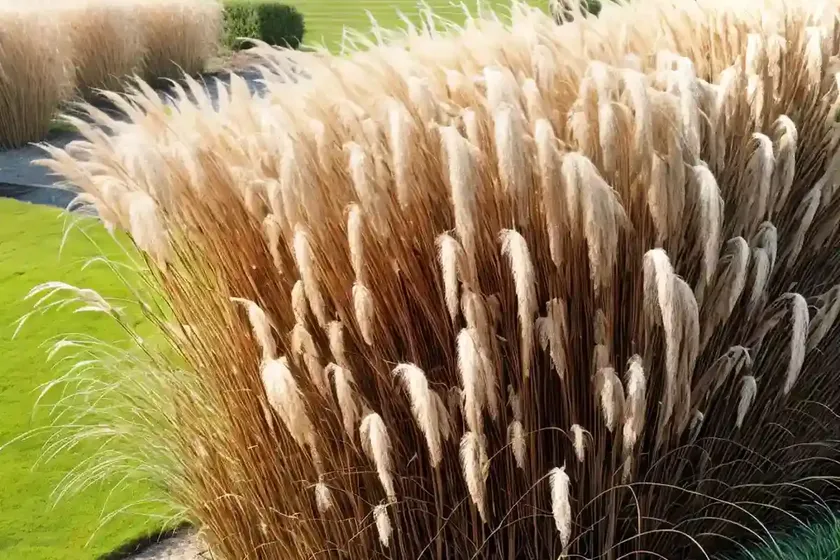
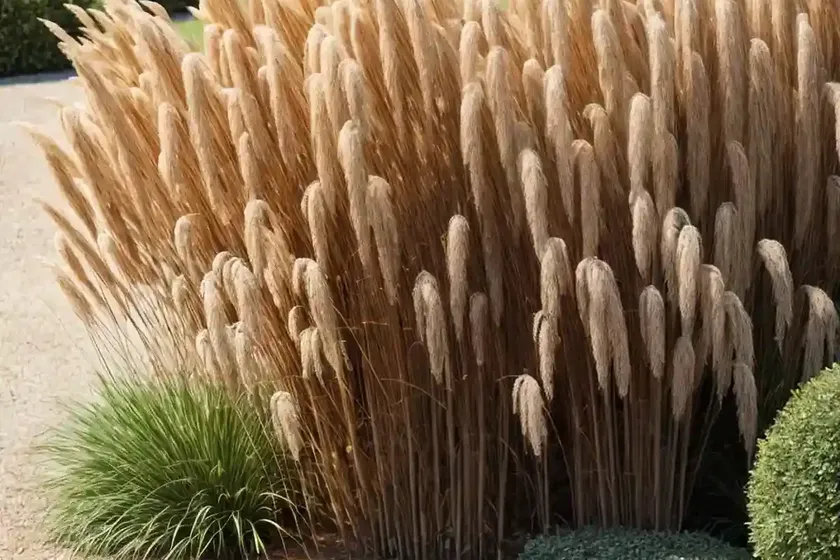
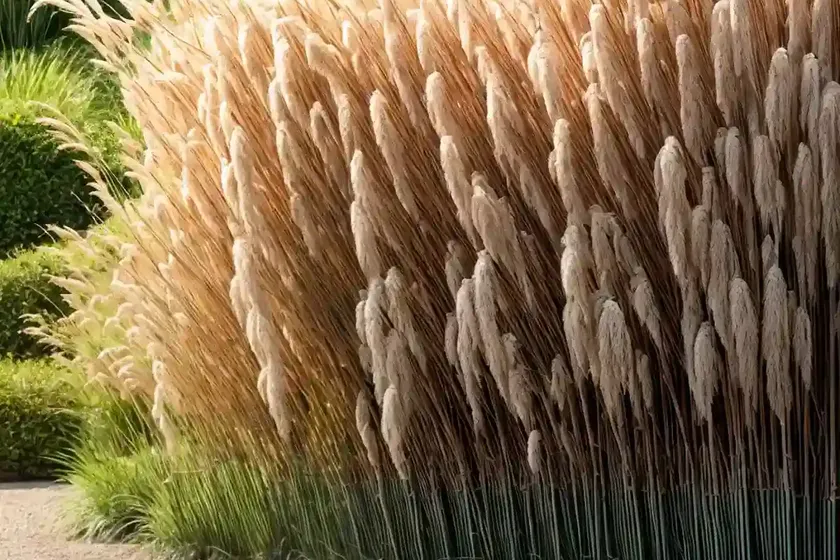
In the world of ornamental grasses, eulalia, also known as Miscanthus sinensis ‘Dixieland’, stands out for its graceful appearance and versatility in landscaping. In this extensive guide, we will explore the various facets of this captivating plant, from its cultural requirements and common uses to its maintenance, propagation, and potential pests and diseases. Whether you are a gardening enthusiast, a landscaping professional, or simply intrigued by the allure of eulalia, this guide is designed to provide you with all the essential knowledge to understand, grow, and appreciate this stunning plant.
What is Eulalia (Miscanthus sinensis ‘Dixieland’)?
Eulalia, scientifically known as Miscanthus sinensis ‘Dixieland’, is a deciduous perennial grass renowned for its attractive foliage and graceful plumes. Belonging to the Poaceae family, this ornamental grass is native to East Asia, including China, Japan, and Korea. ‘Dixieland’ is a cultivar of Miscanthus sinensis, commonly referred to as Chinese silver grass, and is cherished for its variegated leaves and eye-catching inflorescences.
Key Takeaways – Eulalia (Miscanthus sinensis ‘Dixieland’)
Before delving into the specifics of eulalia, here are the key takeaways to keep in mind:
- Eulalia, also known as Miscanthus sinensis ‘Dixieland’, is an ornamental grass prized for its variegated foliage and striking plumes.
- It is a versatile plant with diverse uses in landscaping, such as providing texture, creating privacy screens, and adding visual interest to garden borders.
- Eulalia generally requires minimal maintenance but thrives when provided with adequate sunlight, well-draining soil, and occasional fertilization.
- While relatively resistant to diseases and pests, proper care and monitoring are essential to ensure the plant’s health and vigor.
Now, let’s delve deeper into the various aspects of eulalia, from its cultural requirements to its propagation and potential uses in landscaping.
Culture
Water
Eulalia is known for its moderate water needs. While it adapts well to average moisture levels, it is essential to establish a consistent watering routine, especially during the initial stages of growth and during hot, dry periods. Adequate watering is crucial to promote healthy root development and lush foliage. However, it is equally important to ensure that the soil does not become waterlogged, as excess moisture can lead to root rot and other water-related issues.
- Watering Tips:
- Water eulalia deeply but infrequently, allowing the soil to partially dry out between watering sessions.
- Consider using a soaker hose or drip irrigation system to deliver water directly to the plant’s root zone, minimizing water waste and foliage dampness.
- Regularly monitor the soil moisture levels to adjust your watering schedule based on specific environmental conditions and the plant’s overall health.
Sunlight
Eulalia thrives in full sun to partial shade, exhibiting its best growth and visual appeal when provided with ample sunlight. Ideally, the plant should receive at least 6 to 8 hours of direct sunlight daily for optimal development. When placed in shadier locations, eulalia may experience reduced vigor, less pronounced coloration, and a propensity for floppy growth. As such, selecting a sunny to a partially shaded spot in the landscape is crucial for the plant’s overall health and aesthetic value.
- Sunlight Requirements:
- Choose a planting location that receives abundant sunlight, particularly during the morning and early afternoon hours.
- In regions with intense summer heat, providing partial shade during the hottest part of the day can help prevent leaf scorch and minimize stress on the plant.
- Regularly assess the sun exposure in your garden to identify the most suitable site for cultivating eulalia, ensuring that it aligns with the plant’s sunlight needs and overall environmental conditions.
Fertilizer
Fertilization plays a pivotal role in promoting robust growth and enhancing the ornamental appeal of eulalia. While this grass is relatively low-maintenance, providing it with essential nutrients can bolster its overall vitality and aesthetic quality. A balanced fertilizer formulated for ornamental grasses can be applied during the growing season, typically in spring or early summer, to supply eulalia with the necessary elements for healthy foliage and prolific flowering.
- Fertilizer Application:
- Use a slow-release, granular fertilizer designed for ornamental grasses, following the manufacturer’s recommendations for application rates and frequency.
- Apply the fertilizer evenly around the base of the plant, being careful to avoid direct contact with the foliage to prevent burning.
- Monitor the plant’s response to the fertilizer and adjust the feeding schedule as needed, ensuring that the eulalia receives adequate nourishment without excessive fertilizer buildup in the soil.
Soil
Eulalia flourishes in well-draining, fertile soil, demonstrating resilience in various soil types, including loamy, sandy, and clay soils. However, ensuring proper drainage is paramount to prevent waterlogged conditions that can compromise the plant’s health. Amending the soil with organic matter, such as compost or well-rotted manure, can improve its structure, enhance fertility, and facilitate moisture retention without impeding drainage.
- Soil Preparation:
- Prior to planting, perform a soil drainage test to assess the soil’s capacity to allow water to pass through effectively.
- Incorporate organic amendments into the soil to enhance its structure, fertility, and moisture-retention capabilities, creating an optimal growing environment for eulalia.
- Consider mulching around the base of the plant with organic materials to suppress weed growth, conserve soil moisture, and protect the roots from temperature fluctuations.
Pruning
Pruning is a valuable maintenance practice for eulalia, enabling you to manage its size, shape, and overall appearance, as well as to promote vigorous growth and flowering. Regular pruning also helps to remove old or damaged foliage and inflorescences, allowing the plant to allocate its resources more efficiently and maintain a tidy, attractive form throughout the growing season.
- Pruning Guidelines:
- In late winter to early spring, before the new growth emerges, prune eulalia close to the ground to remove the previous season’s foliage and prepare the plant for fresh growth.
- During the growing season, promptly trim away any dead, yellowing, or unsightly leaves and spent flower heads to maintain the plant’s visual appeal and encourage new growth.
- Use clean, sharp gardening shears to make precise cuts, minimizing the risk of damage to the plant and promoting rapid healing of pruning wounds.
Propagation
Division
Eulalia can be easily propagated through division, a technique that entails separating the plant’s root clumps into smaller sections and replanting them to establish new individuals. Division is typically performed in early spring before the new growth emerges or in early fall, allowing the divided sections to establish themselves before the onset of winter.
- Division Steps:
- Begin by carefully digging up the mature eulalia plant, ensuring that the root ball remains intact and undamaged.
- Using a sharp, clean tool, divide the root ball into smaller sections, each containing a viable portion of roots and shoots.
- Plant the divided sections in prepared soil, watering them thoroughly and providing appropriate care to support their establishment and subsequent growth.
Container Popularity
Eulalia is a popular choice for container gardening, offering versatility, visual interest, and textural contrast to container compositions. Whether grown in individual containers or incorporated into mixed container arrangements, eulalia adds a touch of elegance and movement, making it a valuable addition to patios, balconies, and other outdoor spaces.
- Container Considerations:
- Select large, sturdy containers with adequate drainage holes to accommodate the plant’s mature size and ensure proper soil aeration.
- Use a well-draining potting mix formulated for ornamental grasses, providing the eulalia with the necessary support and nourishment for healthy growth.
- Monitor the moisture levels in the container, watering the plant as needed to prevent the soil from drying out excessively and compromising the eulalia’s well-being.
Common Diseases
Disease Diagnosis
Eulalia is generally resistant to diseases, exhibiting robust growth and minimal susceptibility to common plant pathogens. However, it is essential to remain vigilant and monitor the plant for any signs of disease, such as unusual discoloration, wilting, or the presence of fungal growth. Conducting regular inspections and promptly addressing any issues can help maintain the plant’s health and mitigate the impact of potential diseases.
- Diagnosing Disease:
- Examine the foliage, stems, and overall appearance of the plant for symptoms of disease, including abnormal discoloration, spots, or lesions.
- Inspect the soil and surrounding areas for signs of fungal or bacterial activity, such as powdery mildew or root rot, which can adversely affect the eulalia’s well-being.
- Seek professional guidance or utilize diagnostic resources to accurately identify and address any observed disease symptoms, implementing appropriate management strategies as necessary.
Common Pests
While eulalia is largely resistant to pests, it may occasionally attract certain insects that can affect its growth and overall health. Being familiar with the potential pests and their associated symptoms enables gardeners to promptly intervene and implement effective pest management measures to safeguard the plant’s well-being.
Pest Identification
- Aphids: These small, soft-bodied insects may cluster on the foliage and stems of eulalia, sucking sap from the plant and potentially transmitting viral diseases.
- Spider Mites: Spider mites are tiny arachnids that can infest eulalia, causing stippling and discoloration of the foliage and compromising the plant’s vigor.
- Scale Insects: Scale insects, characterized by their protective shells, may attach themselves to the plant and feed on its sap, leading to weakened growth and development.
Pest Management
- Regularly inspect the eulalia for signs of pests, such as visible insects, webbing, or stippled foliage.
- Use an insecticidal soap or horticultural oil to control aphids, spider mites, and scale insects, applying the products according to the manufacturer’s instructions to ensure safe and effective pest management.
- Encourage natural predators, such as ladybugs and lacewings, which can help control pest populations and maintain a balanced ecosystem in the garden.
Botanist’s Tips
Here are some valuable tips from botanists and plant experts to help you maximize the beauty and potential of eulalia in your garden or landscape:
- Companion Planting: Pair eulalia with complementary perennials, shrubs, or annuals to create visually captivating combinations and enhance the overall aesthetic appeal of the landscape.
- Seasonal Interest: Emphasize the seasonal interest of eulalia by selecting companion plants with varying bloom times, foliage colors, and textures, ensuring year-round visual appeal in the garden.
- Wildlife Habitats: Consider the ecological benefits of eulalia, as it can provide food and shelter for birds, beneficial insects, and other wildlife, contributing to a biodiverse and thriving outdoor environment.
Fun Facts
- Eulalia is named after the Greek word “eulalos,” meaning “lovely or sweetly speaking,” highlighting the plant’s enchanting visual appeal and graceful presence in the landscape.
- In its native habitat, eulalia is valued for its ecosystem benefits, serving as a source of food and cover for various wildlife species, including birds and small mammals.
- The plumes of eulalia, also known as inflorescences, persist through the winter, adding visual interest and structure to the winter landscape while providing essential shelter and forage for wildlife.
Links to External Resources
For further information and resources on eulalia (Miscanthus sinensis ‘Dixieland’), explore the following links:
- Royal Horticultural Society: Miscanthus sinensis ‘Dixieland’
- Missouri Botanical Garden: Miscanthus sinensis ‘Dixieland’
- University of Florida IFAS Extension: Ornamental Grasses for the Florida-Friendly Landscape
With the wealth of knowledge provided in this comprehensive guide, you are now equipped to appreciate, cultivate, and maximize the potential of eulalia in your garden and landscape. Whether used as a focal point, a textural accent, or a versatile container plant, eulalia (Miscanthus sinensis ‘Dixieland’) offers enduring beauty and functional benefits, enriching outdoor spaces with its enchanting presence and ornamental allure.


