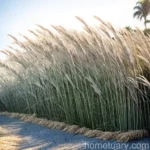
Eulalia (Miscanthus ‘Purpurascens’): A Beautiful Ornamental Grass for Your Garden
Ornamental grasses are a versatile and aesthetically pleasing addition to any garden or landscape. Their graceful movement in the wind, diverse textures, and striking colors make them a popular choice for gardeners looking to add visual interest and structure to their outdoor spaces. One such captivating ornamental grass is the eulalia (Miscanthus ‘Purpurascens’). In this comprehensive guide, we will explore the cultivation, care, and uses of this stunning plant, along with tips from botanists, fun facts, and resources for further exploration.
What is Eulalia (Miscanthus ‘Purpurascens’)?
Eulalia, scientifically known as Miscanthus ‘Purpurascens’, is a perennial ornamental grass that belongs to the Poaceae family. It is commonly referred to as purple eulalia, purple maiden grass, or purple fountain grass. This striking plant is renowned for its vibrant foliage, which transitions from green in the spring to rich hues of red, purple, and bronze in the fall, creating a captivating display throughout the seasons.
Key Takeaways
- Eulalia (Miscanthus ‘Purpurascens’) is a perennial ornamental grass known for its stunning purple foliage and graceful presence in the garden.
- It thrives in full sun and well-drained soil, and its low-maintenance nature makes it an excellent choice for various landscaping applications.
- Eulalia is a drought-tolerant plant that adds color and texture to borders, privacy screens, and mixed plantings, enhancing the overall visual appeal of the garden.
- Botanist’s tips, common uses, and guidance on cultivation and care will empower gardeners to successfully incorporate eulalia into their outdoor spaces.
Culture
Eulalia (Miscanthus ‘Purpurascens’) is a versatile plant that can thrive in a range of climates and soil conditions. Understanding its cultural requirements is essential for fostering healthy growth and vibrant foliage.
Uses
Eulalia offers diverse uses in landscaping and garden design, adding both visual interest and structural diversity to outdoor spaces. Common applications include:
- Borders and Edging: Eulalia’s upright growth habit and striking foliage make it an excellent choice for defining borders and edges within the landscape.
- Privacy Screens: The tall and dense nature of eulalia makes it an ideal candidate for creating natural privacy screens, adding both visual and functional benefits to the garden.
- Mixed Plantings: Its colorful and textural attributes make eulalia a valuable addition to mixed plantings, where it can complement an array of flowering perennials and shrubs.
- Accent Plantings: Eulalia can be used as an eye-catching focal point in garden beds, drawing attention with its distinctive foliage and graceful form.
Water
Eulalia is known for its drought tolerance once established, making it a resilient choice for gardens subjected to periodic water scarcity. However, providing adequate moisture during the initial establishment period is crucial for promoting strong root development and healthy growth. In regions with prolonged dry spells, occasional deep watering can help sustain eulalia during the hottest months, ensuring its foliage remains vibrant and lush.
Sunlight
This ornamental grass thrives in full sun to partial shade, with a preference for at least 6-8 hours of direct sunlight per day. Placing eulalia in a sunny location encourages robust growth and promotes the development of its signature purple foliage, enhancing its overall visual impact in the garden.
Fertilizer
Eulalia is not particularly demanding when it comes to fertilization. A balanced, slow-release fertilizer applied in early spring can suffice to support healthy growth and vibrant foliage. However, excessive fertilization should be avoided, as it may lead to overly lush foliage at the expense of the plant’s natural elegance.
Soil
Well-drained soil is essential for the successful cultivation of eulalia. It thrives in a variety of soil types, ranging from loamy to sandy, as long as the drainage is adequate to prevent waterlogging. Amending heavy clay soils with organic matter can improve drainage and create a more hospitable environment for eulalia’s root system.
Pruning
Pruning requirements for eulalia are minimal, mainly involving the removal of old foliage and spent flower stalks in late winter or early spring. This practice helps maintain the plant’s neat appearance and encourages the emergence of fresh growth in the upcoming growing season. When performing pruning tasks, it’s advisable to wear gloves to protect the hands from the sharp edges of the ornamental grass blades.
Propagation
Eulalia can be propagated through division, making it possible to expand an existing planting or share divisions with other gardeners. The best time for division is in early spring, just as new growth begins to emerge. Dividing the plant every few years helps rejuvenate its vigor and ensures the continuation of its striking presence in the garden.
Container Popularity
While eulalia is primarily known for its use in landscape plantings, it can also thrive in large containers, where its bold foliage and graceful habit create an attractive focal point on patios, decks, or balconies. When cultivated in containers, eulalia benefits from regular monitoring of soil moisture, as containers can be prone to drying out more quickly than garden beds.
Container Common Diseases
When grown in containers, eulalia may be susceptible to certain diseases, such as root rot caused by overwatering or poorly draining soils. Additionally, fungal diseases like powdery mildew can pose a risk, especially in humid conditions. Proper container drainage, adequate spacing between plants, and good air circulation can help mitigate the risk of disease in container-grown eulalia.
Disease Diagnosis
Common diseases that may affect eulalia include:
- Powdery Mildew: This fungal disease manifests as a white, powdery coating on the foliage, leading to aesthetic decline and potential weakening of the plant.
- Leaf Spot: Leaf spot diseases can cause dark lesions or spots on the foliage, affecting the plant’s overall appearance and vitality.
- Root Rot: Excessive soil moisture and poor drainage can contribute to root rot, leading to a decline in the plant’s health and vigor.
Common Pests
Eulalia is generally resistant to most pests, thanks to its robust nature and low susceptibility to pest infestations. However, occasional encounters with aphids, mites, or grasshoppers may occur. Vigilance in monitoring plant health, along with the promotion of beneficial insect populations, can help keep pest pressures in check without the need for chemical interventions.
Botanist’s Tips
- Seasonal Color Variation: Embrace the ever-changing hues of eulalia’s foliage throughout the year, appreciating the vibrant greens of spring and the rich purples and bronzes of autumn.
- Clumping Habit: Utilize eulalia’s clumping growth habit to create visually compelling mass plantings or to define specific areas within the landscape.
- Naturalistic Landscaping: Incorporate eulalia into naturalistic or prairie-style landscapes, where its graceful form and striking coloration contribute to a wild, untamed aesthetic.
- Companion Planting: Pair eulalia with drought-tolerant perennials and flowering shrubs for a dynamic, water-wise garden composition that thrives with minimal irrigation.
Fun Facts
- Aesthetic Appeal: Eulalia’s long, arching blades of foliage dance gracefully in the breeze, adding movement and visual interest to the garden.
- Winter Interest: The dried, tan-hued flower heads of eulalia can persist through the winter, providing textural and visual appeal during the colder months.
- Wildlife Support: Eulalia’s dense growth provides shelter for small wildlife, including overwintering insects and nesting birds, contributing to the ecological value of the garden.
Links to External Resources
For further information on eulalia (Miscanthus ‘Purpurascens’) and related topics, explore the following resources:
- American Horticultural Society
- Royal Horticultural Society
- Missouri Botanical Garden
- University Cooperative Extension Services
- The American Phytopathological Society
- The Wildlife Trusts
By tapping into these valuable resources, you can expand your knowledge of eulalia cultivation, care, and the broader world of ornamental grasses, enhancing your ability to create and maintain an inviting and visually captivating garden space.
As we conclude this exploration of eulalia (Miscanthus ‘Purpurascens’), it is clear that this stunning ornamental grass has much to offer to both beginner and seasoned gardeners. Its low-maintenance nature, striking coloration, and versatility in garden applications position it as a valuable addition to any landscape. With the guidance provided in this comprehensive guide, you are equipped to welcome the captivating beauty of eulalia into your garden, enriching your outdoor environment with its distinct charm and visual allure.