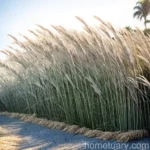
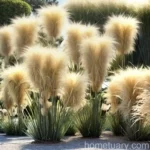
The Fascinating World of Amur Silvergrass (Miscanthus sacchariflorus)
As a plant scientist, I am constantly amazed by the diversity and beauty of the plant kingdom. One particular plant that has captured my attention is the Amur silvergrass, scientifically known as Miscanthus sacchariflorus. In this comprehensive guide, we will delve into the characteristics, cultivation, care, and uses of this remarkable plant.
What is Amur Silvergrass (Miscanthus sacchariflorus)?
Amur silvergrass, or Miscanthus sacchariflorus, is a perennial grass species that belongs to the Poaceae family. This plant is native to East Asia, specifically to regions such as China, Japan, Korea, and Taiwan. It is known for its tall, graceful plumes and its adaptability to various environmental conditions.
Key Takeaways
Before we embark on a detailed exploration of Amur silvergrass, let’s summarize the key takeaways associated with this plant.
Miscanthus sacchariflorus Characteristics
- Perennial grass species
- Belongs to the Poaceae family
- Native to East Asia
- Known for its tall, graceful plumes
Amur Silvergrass Facts
- Adaptability to various environmental conditions
- Cultivated for its ornamental and practical uses
Now that we have a basic understanding of what Amur silvergrass is, let’s explore its cultural requirements, uses, and care guidelines in more detail.
Culture
Cultivating Amur silvergrass successfully involves understanding its specific cultural requirements. This includes factors such as water, sunlight, fertilizer, soil, and pruning.
Water
Amur silvergrass is adaptable to different moisture levels, making it suitable for a range of garden settings. While it can tolerate dry conditions, it thrives in moist, well-draining soil. When establishing young plants, regular watering is crucial to promote healthy root development. Once established, Amur silvergrass demonstrates excellent drought tolerance.
Sunlight
This grass species prefers full sun to partial shade. To ensure optimal growth and flowering, it is essential to plant it in a location that receives at least 6 hours of direct sunlight per day.
Fertilizer
Amur silvergrass is not particularly demanding when it comes to soil fertility. However, incorporating a balanced, slow-release fertilizer into the soil during the planting phase can encourage vigorous growth. A yearly application of fertilizer in the spring can further support the plant’s health and vitality.
Soil
Well-draining, fertile soil is ideal for cultivating Amur silvergrass. It adapts well to a variety of soil types, including sandy, loamy, and clay soils. Prior to planting, amending the soil with organic matter can enhance its overall quality, providing a favorable environment for the plant to thrive.
Pruning
Pruning is generally minimal for Amur silvergrass. In late winter or early spring, it is beneficial to cut back the previous year’s growth to make way for fresh, new growth. Additionally, removing any dead or damaged foliage throughout the growing season can help maintain the plant’s appearance and health.
Uses
Amur silvergrass is a versatile plant with a range of practical and ornamental uses. Understanding its potential applications can provide inspiration for incorporating it into various landscape designs and garden settings.
Landscape Ornamental
The graceful plumes and elegant foliage of Amur silvergrass make it a popular choice for ornamental landscaping. It adds a touch of elegance and movement to gardens, parks, and public spaces, particularly when planted in drifts or clusters.
Erosion Control
Due to its vigorous growth habit and extensive root system, Amur silvergrass is effective for stabilizing soil in erosion-prone areas. It is often utilized on slopes, embankments, and other areas where soil erosion is a concern.
Privacy Screen
The tall, feathery nature of Amur silvergrass makes it an attractive option for creating privacy screens and windbreaks. Whether used as a standalone feature or in conjunction with other plants, it offers a natural and visually appealing way to enhance privacy in outdoor spaces.
Wildlife Habitat
The dense foliage and tall plumes of Amur silvergrass provide valuable shelter and habitat for wildlife, including birds and small mammals. Incorporating this plant into naturalized areas can contribute to the creation of wildlife-friendly habitats.
Propagation
Propagating Amur silvergrass can be achieved through several methods, including division, seed sowing, and cuttings.
Division
Dividing established clumps of Amur silvergrass is a reliable way to propagate this plant. This method is typically carried out in early spring before new growth emerges. By carefully dividing the clumps and replanting the divisions, new plants can be established.
Seed Sowing
Growing Amur silvergrass from seed is another viable propagation method. Seeds can be sown directly into the ground in the spring or started indoors and later transplanted into the garden. Providing consistent moisture and warmth can enhance germination rates.
Cuttings
While less commonly practiced, propagating Amur silvergrass from cuttings is a possibility. Taking stem cuttings and applying rooting hormone can encourage the development of new plants. This method may require more time and attention compared to division or seed sowing.
Container Popularity
The adaptability and aesthetic appeal of Amur silvergrass make it well-suited for container cultivation. Whether grown in large, decorative containers or smaller pots, it can thrive in a container setting, adding texture and visual interest to patios, decks, and other outdoor spaces.
Container Common Diseases
When grown in containers, Amur silvergrass may be susceptible to certain diseases that can impact its health and appearance. Understanding the common diseases associated with container cultivation is essential for maintaining the plant’s vitality.
Disease Diagnosis
Common diseases that may affect Amur silvergrass in containers include fungal infections such as rust and leaf spots. Regularly inspecting the plant for signs of disease, providing adequate air circulation, and avoiding overwatering can help prevent the onset and spread of these issues.
Common Pests
Pests such as aphids, grasshoppers, and spider mites may also pose a threat to Amur silvergrass when grown in containers. Being vigilant and promptly addressing pest infestations can safeguard the plant from potential damage.
Botanist’s Tips
As a plant scientist with a passion for Amur silvergrass, I have gathered valuable insights and tips for cultivating and caring for this remarkable plant.
Fun Facts
- Amur silvergrass is known for its impressive height, often reaching 6 to 10 feet or more.
- In the fall, the plumes of Amur silvergrass take on a beautiful golden hue, adding seasonal interest to landscapes.
- This plant has been used in traditional medicine in certain regions for its potential healing properties.
Links to External Resources
As we continue to explore the world of Amur silvergrass, it is important to access reliable external resources for further information and guidance. Here are some useful links that offer in-depth insights into various aspects of Amur silvergrass cultivation and care:
-
University of Florida IFAS Extension – Ornamental Grasses for Shade
-
American Society of Landscape Architects – Native Grasses for Sustainable Landscapes
-
North Carolina State University Extension – Miscanthus Plantings for Biomass Production
-
American Phytopathological Society – Fungal Diseases in Ornamental Plants
-
University of California Agriculture and Natural Resources – Pests in Gardens and Landscapes
This expansive collection of resources offers a wealth of knowledge on growing, caring for, and utilizing Amur silvergrass in various settings.
In conclusion, Amur silvergrass (Miscanthus sacchariflorus) stands as a captivating and versatile plant with much to offer in both practical and aesthetic terms. By understanding its cultural requirements, uses, and propagation methods, plant enthusiasts can incorporate this graceful grass species into their landscapes and gardens with confidence. As we continue to explore the intricate world of plants, the allure of Amur silvergrass serves as a reminder of the endless wonders that the natural world has to offer.
“`