Eucomis ‘Tugela Jade’ (Pineapple Lily)
As a plant scientist, I am excited to share an in-depth exploration of the Eucomis ‘Tugela Jade,’ commonly known as the Pineapple Lily. This extraordinary.
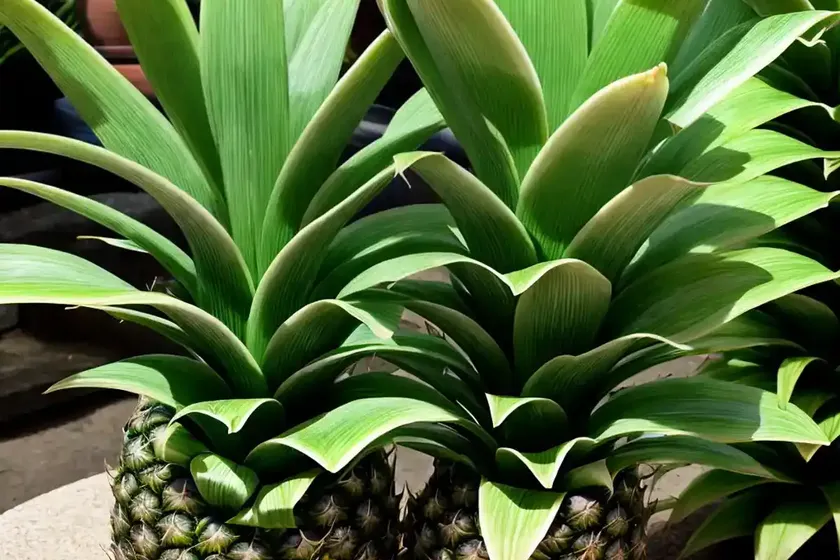
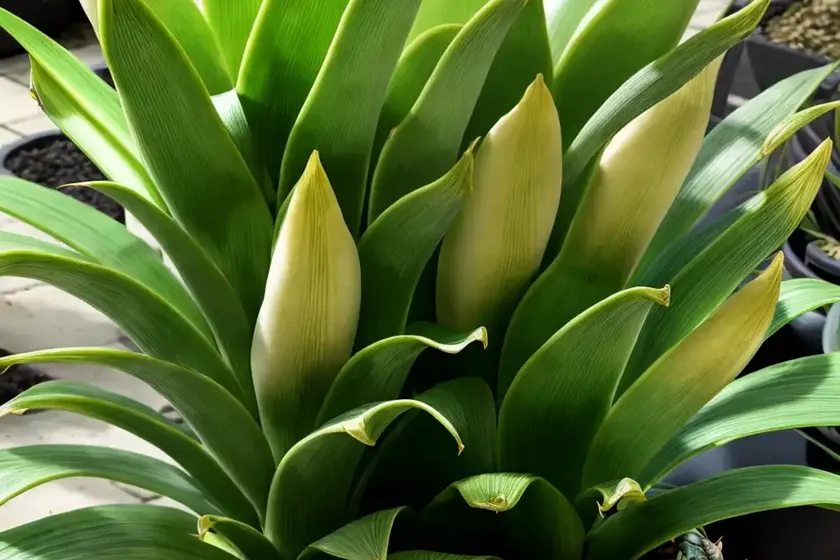
As a plant scientist, I am excited to share an in-depth exploration of the Eucomis ‘Tugela Jade,’ commonly known as the Pineapple Lily. This extraordinary plant offers unique characteristics, making it a fantastic addition to gardens, containers, and indoor spaces. In this comprehensive guide, we will delve into the origin, care requirements, propagation, and various other aspects of this stunning plant.
What is Eucomis ‘Tugela Jade’ (Pineapple Lily)?
Eucomis ‘Tugela Jade’ is a captivating perennial plant known for its striking resemblance to a pineapple, both in appearance and fragrance. Its distinctive shape and color make it an eye-catching addition to any garden or landscape. Belonging to the Asparagaceae family, this plant is native to South Africa and is a sought-after choice for gardening enthusiasts due to its unique characteristics and low maintenance requirements.
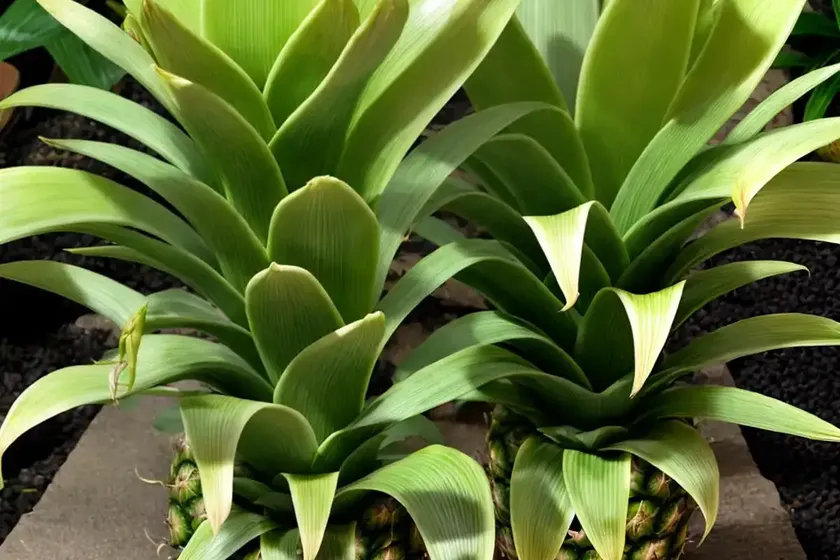
The plant gets its common name, Pineapple Lily, from its resemblance to a pineapple, especially when the flowers are in bloom. The inflorescence takes the form of a dense spike of small star-shaped flowers, typically topped with a tuft of leafy bracts that closely resemble a pineapple crown. The flowers are often greenish-white, while the bracts may range in color from pale green to purplish hues.
Key Takeaways – Eucomis ‘Tugela Jade’ (Pineapple Lily)
Before delving into the specifics of the care and cultivation of Eucomis ‘Tugela Jade,’ let’s summarize the key takeaways that we will explore in this guide.
- Scientific Name: Eucomis ‘Tugela Jade’
- Common Name: Pineapple Lily
- Plant Type: Perennial
- Family: Asparagaceae
- Origin: Native to South Africa
- Distinctive Feature: Resembles a pineapple in appearance and fragrance
- Flower Color: Greenish-white
- Foliage: Strappy leaves with a basal rosette structure
- Scent: A fragrance reminiscent of pineapples
- Uses: Ornamental gardens, containers, and indoor spaces
- Popularity: Widely sought after for its unique appearance and low maintenance
- Propagation: Can be grown from bulbs
- Challenges: Susceptible to certain pests and diseases
Now that we have an overview of the Pineapple Lily, let’s dive into its specific care requirements and how to ensure its successful cultivation.
Culture
Uses
The Eucomis ‘Tugela Jade’ offers a range of uses due to its striking appearance and unique characteristics. Here are the main applications of this captivating plant:
- Ornamental Gardens: Its exotic and intriguing appearance makes it an excellent choice for ornamental garden beds and borders. The Pineapple Lily stands out when planted alongside other flowering plants, providing an attractive visual contrast with its distinctive pineapple-like inflorescence and strappy foliage.
- Container Gardening: This plant is well-suited for container gardening, adding an exotic touch to patios, balconies, and indoor spaces. The Pineapple Lily’s compact size and low maintenance needs make it an ideal candidate for container displays, bringing a tropical flair to any setting.
- Indoor Decor: Due to its intriguing appearance and relatively low light requirements, the Pineapple Lily is increasingly being used as an indoor decorative plant. Its unique foliage and occasional flowering make it a conversation piece in living spaces and offices.
Water
Proper watering is crucial for the healthy growth and development of the Eucomis ‘Tugela Jade.’ While it is relatively drought-tolerant once established, consistent moisture is essential, especially during the growing season and flowering period. Here are some key points to consider regarding watering:
- Established Plants: Once established, the Pineapple Lily can tolerate periods of dry soil. However, during the active growing season, it is essential to provide consistent moisture to support healthy foliage and flower development.
- Watering Frequency: Aim for a regular watering schedule, allowing the soil to dry slightly between waterings. Avoid waterlogging the soil, as excessive moisture can lead to root rot and other issues.
- Flowering Period: During the flowering period, maintain adequate soil moisture to support the development of the inflorescence and prevent premature wilting of the flowers.
Sunlight
Proper sunlight exposure is a critical factor in the successful cultivation of the Eucomis ‘Tugela Jade.’ Understanding its sunlight requirements is essential for optimizing its growth and flowering. Here are the key points to consider regarding sunlight:
- Full Sun to Part Shade: The Pineapple Lily thrives in locations with full to partial sunlight. It performs best when exposed to at least 6-8 hours of direct sunlight per day. However, it can also tolerate partial shade, especially in regions with intense afternoon sun.
- Indoor Placement: When grown indoors, place the plant in a location with bright, indirect sunlight. South or west-facing windows are generally suitable for providing adequate light for indoor Pineapple Lilies.
- Summer Considerations: During the hottest months, providing partial shade during the peak afternoon sun can prevent potential sun damage to the foliage.
Fertilizer
Proper fertilization is essential for promoting healthy growth and robust flowering in the Eucomis ‘Tugela Jade.’ By providing the right nutrients at the appropriate times, you can ensure the plant’s vitality and visual appeal. Here are some key considerations regarding fertilization:
- Balanced Fertilizer: Use a balanced, all-purpose fertilizer with an N-P-K ratio of 10-10-10 or a similar formulation. Apply the fertilizer at half-strength to prevent the risk of over-fertilization, which can lead to excessive vegetative growth at the expense of flowering.
- Application Timing: Apply the fertilizer in early spring as new growth emerges. Another application during the active growing season, typically in mid-summer, can provide an additional boost to the plant’s vitality.
- Avoid Overfeeding: While adequate nutrition is crucial, avoid excessive fertilization, as this can lead to imbalanced growth and potential nutrient toxicity.
Soil
Selecting the right soil type and ensuring proper soil conditions are crucial for the successful cultivation of the Eucomis ‘Tugela Jade.’ The soil directly impacts the plant’s moisture retention, nutrient availability, and overall vitality. Here are the key points to consider regarding soil:
- Well-Draining Soil: The Pineapple Lily thrives in well-draining soil that prevents waterlogging, especially during the winter months. A mix of loamy soil with added organic matter, such as compost, promotes a healthy root environment.
- Soil pH: The ideal soil pH for Pineapple Lilies ranges from slightly acidic to neutral (pH 6.0-7.0). Conduct a soil test to determine the pH level and make any necessary amendments to achieve the optimal range.
- Container Mix: When growing Eucomis ‘Tugela Jade’ in containers, use a high-quality potting mix formulated for ornamental plants. Ensure that the mix provides adequate drainage while retaining moisture.
Pruning
Pruning plays a role in maintaining the appearance and vitality of the Eucomis ‘Tugela Jade,’ ensuring that it continues to thrive and produce attractive foliage and flowers. Here are the key aspects of pruning to keep in mind:
- Faded Flowers: Remove faded flower spikes to encourage the plant to focus its energy on producing new foliage and potential secondary blooms.
- Dead Leaves: As the plant grows, remove any dead or yellowing leaves to maintain a tidy appearance and prevent the potential spread of diseases.
- Winter Pruning: In regions where the Pineapple Lily experiences frost or freezing temperatures, trim back the foliage after the first frost to prepare the plant for its dormant phase. This step helps protect the plant from potential winter damage.
Propagation
The propagation of Eucomis ‘Tugela Jade’ involves various methods to create new plants from existing specimens. Understanding the propagation techniques allows gardeners to expand their plant collection and share this captivating species with others. Here are the primary methods of propagation for the Pineapple Lily:
- Bulb Division: Divide large, established bulbs in early spring before new growth emerges. Each division should have sufficient roots and a portion of the basal plate. Plant the divisions at the same depth as the parent bulb to encourage robust growth.
- Seed Propagation: Collect ripe seeds from mature flower spikes and sow them in a well-draining seed-starting mix. Keep the soil consistently moist, and provide warmth and bright indirect light to encourage germination.
Container Popularity
Eucomis ‘Tugela Jade’ is increasingly popular among gardeners and plant enthusiasts for container gardening due to its compact size, unique aesthetic, and low maintenance requirements. The plant’s adaptability to containers makes it a versatile choice for various settings, including patios, balconies, and indoor spaces. When selecting a container for the Pineapple Lily, consider the following factors:
- Size: Choose a container that provides ample space for the plant’s bulb and root system to grow and expand. A depth of at least 12 inches (30 cm) is generally suitable for accommodating the bulb and promoting healthy growth.
- Drainage: Select a container with multiple drainage holes to prevent waterlogging. Proper drainage is essential for maintaining healthy soil conditions and preventing root rot.
- Material: Opt for containers made from durable materials such as terracotta, fiberglass, or resin, which provide adequate insulation and stability for the plant.
Common Diseases
While the Eucomis ‘Tugela Jade’ is generally resilient, it is susceptible to certain diseases under specific conditions. Recognizing the common diseases and their symptoms is crucial for implementing timely interventions and ensuring the plant’s long-term health. Here are the primary diseases that can affect Pineapple Lilies:
- Rot Diseases: Overly wet or poorly drained soil can lead to root rot and bulb rot in Pineapple Lilies. Symptoms include wilting, yellowing foliage, and mushy bulbs. Improve soil drainage and adjust watering practices to prevent rot diseases.
- Powdery Mildew: In humid or poorly ventilated conditions, Pineapple Lilies may develop powdery mildew on their foliage. Characterized by a white, powdery coating on the leaves, this fungal disease can be mitigated through improved air circulation and strategic spacing between plants.
Disease Diagnosis
When diagnosing potential diseases affecting the Eucomis ‘Tugela Jade,’ it is essential to closely observe the plant’s physical symptoms and environmental conditions. Here are the key steps to consider when diagnosing and addressing potential diseases:
- Symptom Observation: Carefully inspect the plant for any unusual signs, such as wilting, discoloration, or unusual growth patterns. Note any changes in foliage texture and appearance.
- Environmental Factors: Consider the plant’s growing conditions, including soil moisture, sunlight exposure, and air circulation. Environmental stressors, such as excessive moisture or poor ventilation, can contribute to disease development.
- Consultation: If uncertain about a specific disease or its management, consult with local horticultural experts or plant health professionals for accurate diagnosis and targeted treatment recommendations.
Common Pests
Despite its resilient nature, the Eucomis ‘Tugela Jade’ can be susceptible to certain pests that may affect its overall health and appearance. Recognizing and addressing pest infestations promptly is crucial for preserving the plant’s vitality. Here are the primary pests that may impact Pineapple Lilies:
- Aphids: These small, soft-bodied insects can cluster on the undersides of leaves and feed on the plant’s sap, potentially causing stunted growth and distorted foliage.
- Mealybugs: Mealybugs are another common pest that may affect Pineapple Lilies, especially in indoor settings. They appear as white, cottony clusters on the stems and foliage, and their feeding can lead to weakened plant vitality.
Botanist’s Tips
1. Optimal Watering Routine
Maintain a balanced watering routine, especially during the growing season and flowering period, to support the Pineapple Lily’s vitality and resilience. While it can tolerate brief dry spells, consistent moisture promotes robust growth and flowering.
2. Sunlight Considerations
Provide adequate sunlight exposure, ensuring that the plant receives sufficient light to support healthy growth and flower development. In regions with intense summer sun, partial shade during the hottest part of the day can protect the foliage from potential sunburn.
3. Fertilization Practices
Apply a balanced fertilizer at the right times to provide essential nutrients without overstimulating vegetative growth. Overfertilization can lead to imbalanced growth and may compromise the plant’s overall health and flowering potential.
4. Vigilant Pest Monitoring
Regularly monitor the plant for signs of pest infestations, particularly aphids and mealybugs. Early intervention, such as the targeted application of insecticidal soap, can effectively manage pest populations while minimizing potential damage to the plant.
Fun Facts
- The Pineapple Lily’s scent is reminiscent of a fresh pineapple, adding an aromatic dimension to its ornamental appeal.
- The plant’s lush, strappy foliage forms a basal rosette, creating an attractive visual effect even when the plant is not in bloom.
- The Pineapple Lily is a favorite of pollinators, attracting bees and butterflies with its nectar-rich flowers.
Links to External Resources
To further expand your knowledge of Eucomis ‘Tugela Jade’ and its care requirements, explore the following resources:
- Royal Horticultural Society – Eucomis (Pineapple Lily)
- Missouri Botanical Garden – Growing Pineapple Lily
- North Carolina State University Extension – Pineapple Lily Propagation
- American Society for the Prevention of Cruelty to Animals – Toxic and Non-Toxic Plants: Pineapple Lily
Through comprehensive exploration and thoughtful care, the Eucomis ‘Tugela Jade’ can thrive in various settings, bringing its exotic allure to gardens, containers, and indoor spaces. By understanding its unique attributes and specific maintenance needs, enthusiasts can appreciate the beauty of the Pineapple Lily while supporting its long-term health and vitality.