Eucomis Comosa ‘Sparkling Burgundy’ (Pineapple Lily)
Eucomis comosa ‘Sparkling Burgundy’, commonly known as Pineapple Lily, is a striking perennial plant celebrated for its unique appearance and.

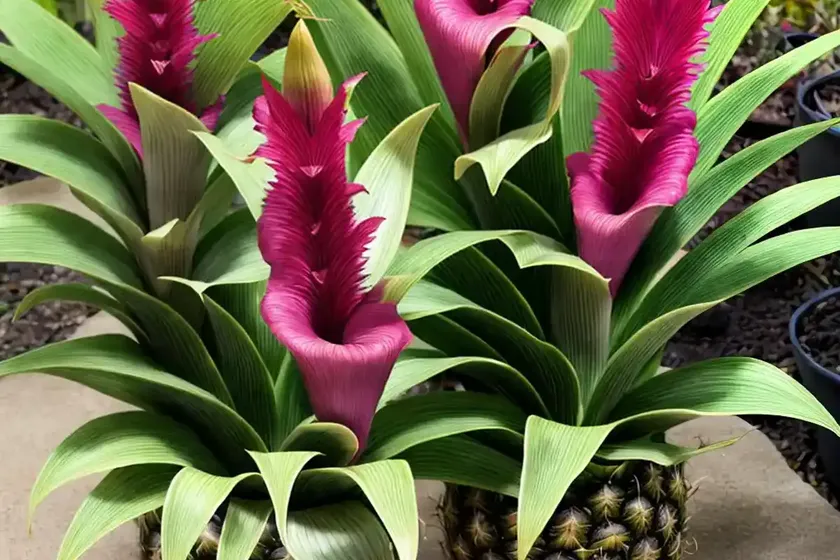
Eucomis comosa ‘Sparkling Burgundy’, commonly known as Pineapple Lily, is a striking perennial plant celebrated for its unique appearance and easy-to-maintain nature. This comprehensive guide will delve into the intricacies of Eucomis comosa ‘Sparkling Burgundy’, covering its culture, uses, water, sunlight, fertilizer, soil, pruning, propagation, container gardening, diseases, pests, and much more.
What is Eucomis comosa ‘Sparkling Burgundy’ (Pineapple Lily)?
Eucomis comosa ‘Sparkling Burgundy’ is a member of the Eucomis genus within the Asparagaceae family. Its botanical name is derived from the Greek words ‘eu’ (pleasant) and ‘kome’ (hair) due to the tuft of leafy bracts on the inflorescence. The specific epithet ‘comosa’ refers to the hairy appearance of the flower tuft.
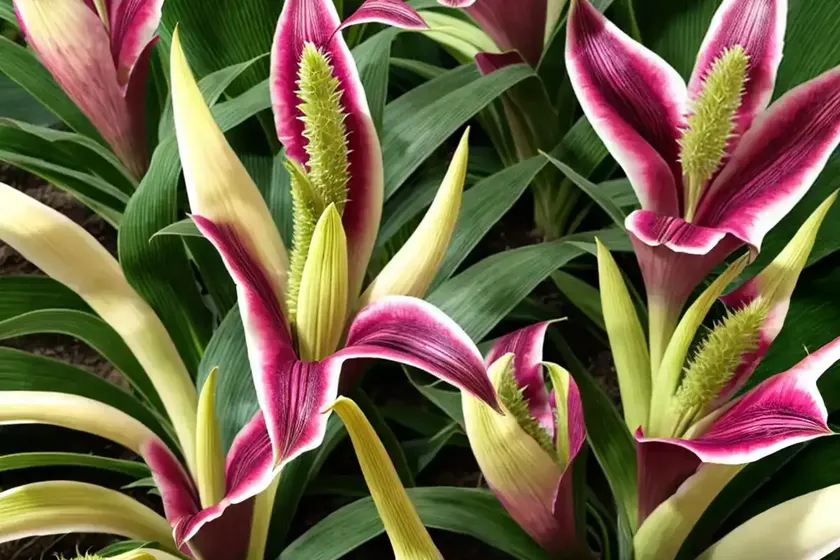
Pineapple Lily is native to South Africa and is particularly known for its striking floral spikes, which resemble pineapples, and its rich, burgundy foliage. The plant is characterized by its bold and tropical aesthetic, making it a popular choice for gardens and landscapes looking to add a touch of exotic allure.
Key Takeaways – Eucomis comosa ‘Sparkling Burgundy’ (Pineapple Lily)
This section will provide a summarized overview of key points related to Eucomis comosa ‘Sparkling Burgundy’, which will be explored in detail in subsequent sections.
Culture
– Origin: South Africa
– Genus: Eucomis
– Family: Asparagaceae
Uses
– Ornamental
– Landscaping
Water
– Moderate watering needs
– Well-draining soil
Sunlight
– Full sun to partial shade
Fertilizer
– Balanced fertilizer during the growing season
Soil
– Rich, well-draining soil
Pruning
– Removal of spent flower stalks
Propagation
– Division of bulbs
– Seeds
Container Popularity
– Suited for containers
Diseases
– Potential fungal infections
Common Pests
– Aphids
– Snails
Botanist’s Tips
– Regular moisture during the growing season
– Protection from frost in cooler climates
Fun Facts
– Striking pineapple-like inflorescences
– Bold burgundy foliage
Links to External Resources
– Royal Horticultural Society
– Missouri Botanical Garden
– Plant Delights Nursery
Now, let’s delve into each of these aspects in greater detail.
Culture
Origin and Taxonomy
Eucomis comosa ‘Sparkling Burgundy’ hails from South Africa, where it thrives in the region’s favorable climatic conditions. It belongs to the Eucomis genus, which is characterized by its unique and visually striking floral displays. Within the plant kingdom, Pineapple Lily is classified under the Asparagaceae family, a diverse group that includes a wide array of ornamental plants such as asparagus, sansevierias, and other attractive foliage species.
The genus Eucomis consists of around 10 species, with many unique varieties and cultivars. ‘Sparkling Burgundy’ stands out among these with its remarkable deep purple foliage, adding a touch of elegance and sophistication to any garden or landscape it inhabits.
Uses
Ornamental Value
Eucomis comosa ‘Sparkling Burgundy’ is primarily cherished for its ornamental appeal. The striking foliage and unique inflorescences make it a standout addition to any garden or landscape. Its vibrant and tropical appearance lends an exotic touch, attracting the attention of garden enthusiasts and landscape designers alike.
Landscaping
Pineapple Lily is frequently employed in landscaping projects, where its bold appearance is used to create focal points or add visual interest to various areas. Whether used in mass plantings or as solitary specimens, its unique characteristics contribute to the overall aesthetic appeal of the landscape.
Water
Watering Requirements
Eucomis comosa ‘Sparkling Burgundy’ thrives in soil that is kept evenly moist but not waterlogged. During the growing season, it is important to water the plant moderately, allowing the soil to partially dry out between waterings. This approach prevents the risk of waterlogging, which can lead to root rot and other detrimental conditions.
Soil Drainage
One of the key considerations for watering Pineapple Lily is the soil’s drainage. It is essential to plant Eucomis comosa in well-draining soil, as excessive moisture retention can have adverse effects on the plant’s health. A good potting mix or garden soil with adequate drainage properties is crucial for maintaining optimal soil moisture levels.
Sunlight
Sun Exposure
In terms of sunlight requirements, Eucomis comosa ‘Sparkling Burgundy’ thrives in locations offering full sun to partial shade. While it can tolerate partial shade, providing ample sunlight encourages robust growth and enhances the development of its vibrant foliage and unique inflorescences.
Shading Considerations
When planted in regions with intense sunlight, it is advisable to provide some shade during the hottest parts of the day, particularly in warmer climates. This shade can be provided by nearby trees, taller plants, or even strategically placed shading materials to prevent scorching of the foliage.
Fertilizer
Balanced Fertilization
To support healthy growth and abundant flowering, Pineapple Lily benefits from regular feeding with a balanced fertilizer during the growing season. A slow-release or liquid fertilizer with balanced N-P-K (nitrogen, phosphorus, potassium) ratios can help provide the essential nutrients required for robust foliage and prolific flowering.
Fertilizer Application
Fertilizer should be applied according to the manufacturer’s instructions, typically at the beginning of the growing season and then periodically throughout the season. It is essential to avoid excessive fertilization, as this can lead to nutrient imbalances and potential damage to the plant.
Soil
Soil Composition
Eucomis comosa ‘Sparkling Burgundy’ thrives in rich, well-draining soil. A well-balanced potting mix or garden soil provides the ideal growing medium for this plant. The soil should have good drainage properties to prevent waterlogging, which can compromise the plant’s health and vitality.
Soil pH
In terms of pH, Pineapple Lily prefers a slightly acidic to neutral soil environment. A pH range between 6.0 and 6.5 is considered optimal for supporting the plant’s nutrient uptake and overall growth.
Amendments
In cases where the natural soil composition is not ideal, incorporating organic matter such as compost, peat moss, or well-rotted manure can help improve the soil structure and fertility. These organic amendments contribute to better moisture retention and nutrient availability, promoting healthier plant growth.
Pruning
Spent Flower Stalks
Pruning is an essential aspect of Pineapple Lily care, particularly when it comes to maintaining its neat appearance and promoting future flowering. After the flowering period, spent flower stalks should be promptly removed to redirect the plant’s energy towards the development of new growth and potential subsequent blooms.
Leaf Maintenance
Regular removal of any damaged or yellowing leaves helps maintain the plant’s overall health and visual appeal. By promptly tidying up the foliage, it is possible to prevent the spread of diseases and enhance the plant’s ornamental value.
Propagation
Division of Bulbs
Eucomis comosa ‘Sparkling Burgundy’ can be propagated through the division of its bulbs. When the plant becomes crowded and requires rejuvenation, the bulbs can be carefully separated and replanted in suitable growing locations. This method allows for the creation of new plants while revitalizing the existing ones.
Seeds
Propagation from seeds is another viable option for expanding Pineapple Lily populations. The collection of seeds from mature seed pods and their subsequent sowing in appropriate growing conditions facilitates the growth of new plants, providing an opportunity for further cultivation and enjoyment of these unique ornamental specimens.
Container Popularity
Container Gardening
Pineapple Lily’s adaptability makes it well-suited for container gardening. Its striking appearance and manageable size make it an excellent choice for adding visual interest to patios, balconies, or any outdoor living spaces. Container cultivation offers the flexibility of relocating the plant as needed, accommodating changes in sunlight exposure or environmental conditions.
Soil Considerations
When cultivating Eucomis comosa ‘Sparkling Burgundy’ in containers, it is crucial to use a well-draining potting mix that supports healthy root development. The growing medium should also retain adequate moisture without becoming waterlogged, facilitating optimal growth and overall plant vigor.
Common Diseases
Disease Susceptibility
While Pineapple Lily is generally robust, it is susceptible to certain diseases, particularly those caused by fungal pathogens. Common concerns include leaf spot diseases, powdery mildew, and botrytis blight. These fungal issues can manifest under conditions of excessive moisture and poor air circulation.
Disease Management
To manage fungal diseases, it is essential to maintain good garden hygiene by removing any infected plant material promptly. Providing adequate air circulation and avoiding excessive watering can help prevent the onset and spread of fungal pathogens, safeguarding the health and vitality of Eucomis comosa ‘Sparkling Burgundy’.
Common Pests
Aphids
Aphids are a potential pest concern for Pineapple Lily. These small, sap-sucking insects can cause damage to the plant’s foliage and overall growth. Regular inspection and prompt intervention can help contain aphid populations and mitigate their impact.
Snails
Snails are another common pest that can pose a threat to Pineapple Lily, particularly in moist environments. Their feeding activity can result in unsightly damage to the foliage and flowers. Employing appropriate pest control measures, such as physical barriers or eco-friendly deterrents, can help protect the plant from snail damage.
Botanist’s Tips
Regular Moisture
Maintaining regular moisture levels during the growing season is crucial for the health and vitality of Eucomis comosa ‘Sparkling Burgundy’. While it is important to avoid waterlogging, ensuring consistent moisture supports the plant’s growth and flowering performance.
Frost Protection
In cooler climates, it is advisable to provide frost protection for Pineapple Lily during the winter months. This can be accomplished by applying a layer of mulch to insulate the soil and protect the plant’s bulbs from potential freeze damage. Alternatively, potted specimens can be brought indoors or relocated to a sheltered area.
Fun Facts
- The name “Pineapple Lily” is derived from the resemblance of its floral spikes to miniature pineapples, adding a whimsical and charming dimension to its visual appeal.
- The deep burgundy foliage of Eucomis comosa ‘Sparkling Burgundy’ contributes to its dramatic and eye-catching presence in any garden or landscape setting, offering a remarkable contrast to traditional green foliage.
Links to External Resources
For further information on Eucomis comosa ‘Sparkling Burgundy’ (Pineapple Lily), the following external resources provide valuable insights and additional details:
Conclusion
Eucomis comosa ‘Sparkling Burgundy’ (Pineapple Lily) embodies a captivating blend of tropical allure and distinctive aesthetics, making it a sought-after choice for gardeners and landscapers alike. With its unique cultural requirements, adaptable uses, and enchanting ornamental traits, this plant stands as a testament to the inherent beauty and diversity of the plant kingdom. By embracing the insights and guidelines offered in this comprehensive guide, enthusiasts can cultivate and enjoy the captivating presence of Pineapple Lily in their own green spaces, enriching their surroundings with its alluring charm and visual splendor.