Eucomis Comosa ‘Reuben’ (Pineapple Lily)
Eucomis comosa ‘Reuben,’ commonly known as Pineapple Lily, is a fascinating and visually striking plant that captures the attention of plant enthusiasts.
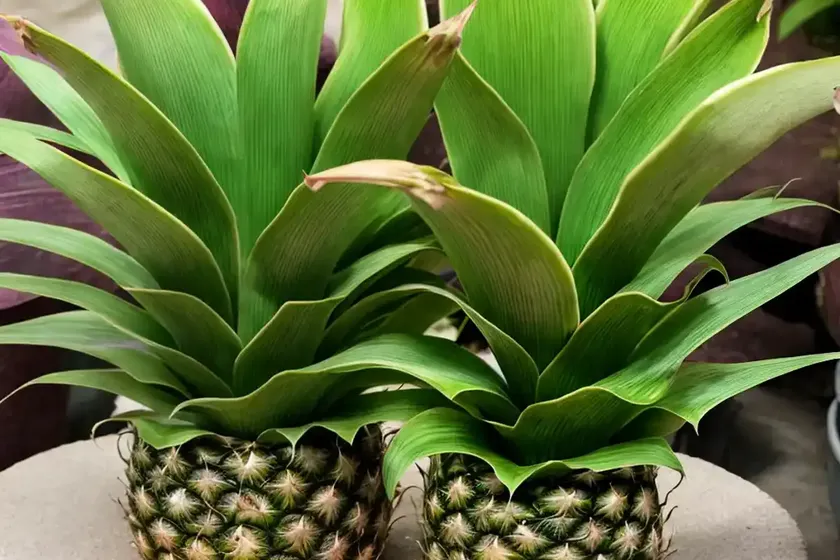
Eucomis comosa ‘Reuben,’ commonly known as Pineapple Lily, is a fascinating and visually striking plant that captures the attention of plant enthusiasts and casual observers alike. This unique plant is valued for its striking flowers and distinct foliage, making it an appealing addition to gardens and indoor spaces. In this comprehensive guide, we will delve into the essential information for successfully cultivating and caring for Eucomis comosa ‘Reuben.’
Key Takeaways – Eucomis comosa ‘Reuben’ (Pineapple Lily)
Before we explore the specifics of cultivating and caring for Eucomis comosa ‘Reuben,’ let’s take a quick look at the key takeaways:
- Botanical Name: Eucomis comosa ‘Reuben’
- Common Name: Pineapple Lily
- Cultivation: Outdoors and indoors
- Watering Needs: Moderate
- Sunlight Preferences: Full sun to partial shade
- Soil Requirements: Well-draining, fertile soil
- Propagation: Offsets, seeds
- Fertilization: Balanced, organic fertilizer
- Pruning: Remove spent flower stalks and yellowing leaves
- Common Pests: Mealybugs, aphids
- Common Diseases: Rot, fungal infections
- Fun Facts: Unique flower structure resembling a pineapple
Now, let’s delve into each of these aspects to gain a comprehensive understanding of cultivating and caring for Eucomis comosa ‘Reuben.’
What is Eucomis comosa ‘Reuben’ (Pineapple Lily)?
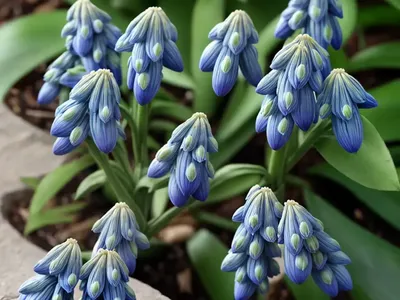
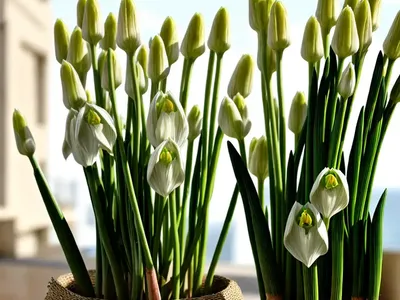
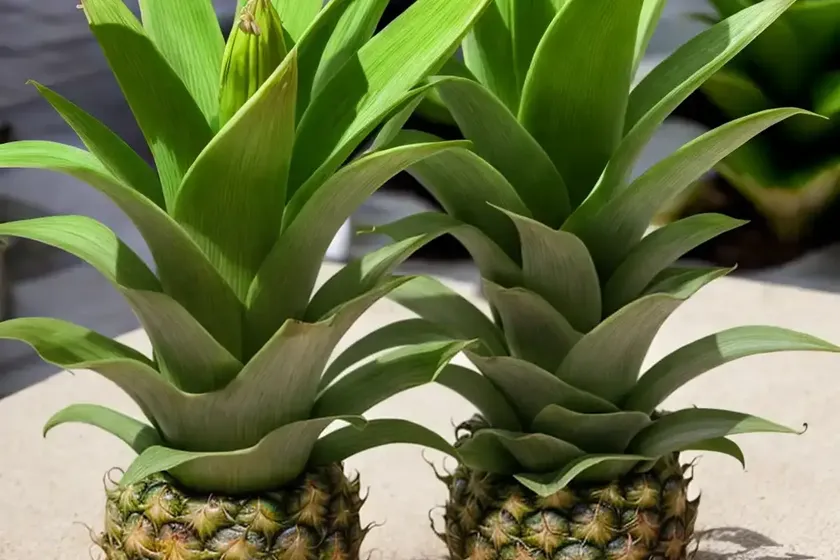
Eucomis comosa ‘Reuben,’ also known as Pineapple Lily, is a perennial bulbous plant that belongs to the Asparagaceae family. It is native to southern Africa and is characterized by its distinctive flowers and striking foliage. The name “Pineapple Lily” is derived from the unique inflorescence that closely resembles the shape and texture of a pineapple.
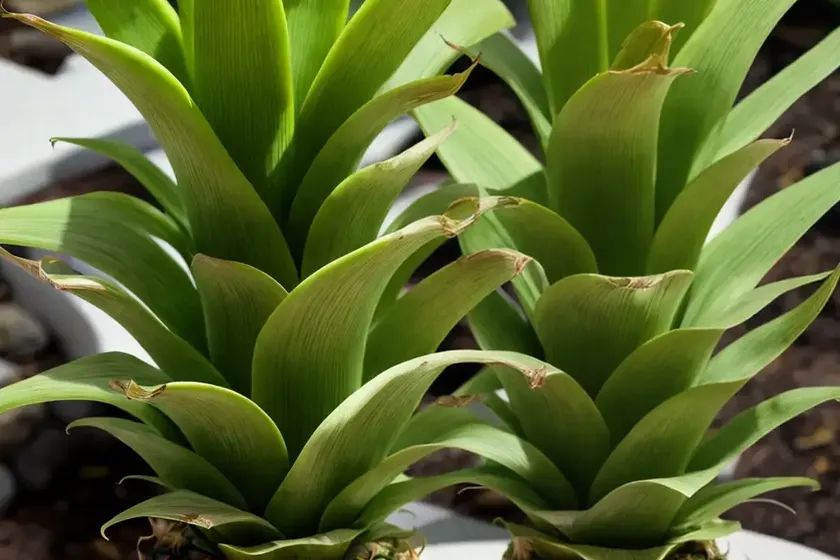
This plant typically produces a rosette of strap-shaped green leaves, and in the summer, it sends up thick flower stalks topped with an array of star-shaped flowers in shades of green, purple, and maroon. The overall appearance of the inflorescence closely resembles a miniature pineapple, adding an exotic and captivating element to the garden or indoor space.
Botanical Classification:
- Kingdom: Plantae
- Clade: Tracheophytes
- Order: Asparagales
- Family: Asparagaceae
- Genus: Eucomis
- Species: Eucomis comosa
- Cultivar: ‘Reuben’
Now, let’s explore the specific requirements and care guidelines for successfully growing and maintaining Eucomis comosa ‘Reuben.’
Culture
Uses
The Eucomis comosa ‘Reuben’ (Pineapple Lily) offers a range of uses in both outdoor gardens and indoor spaces:
- Outdoor Gardens: This plant adds an exotic and visually captivating element to garden beds, borders, and containers. Its striking flowers and foliage make it an excellent choice for mixed perennial plantings, rock gardens, and tropical-themed landscapes.
- Indoor Spaces: When grown in containers, Eucomis comosa ‘Reuben’ makes an attractive and conversation-worthy addition to indoor spaces such as living rooms, sunrooms, and conservatories.
Water
Proper watering is crucial for the health and vitality of Eucomis comosa ‘Reuben.’ Here are some essential considerations for watering this plant:
- Established Plants: Once established, Eucomis comosa ‘Reuben’ prefers moderate watering, allowing the top inch of the soil to dry out between waterings. It is essential to maintain consistent moisture during the growing season without allowing the soil to become waterlogged.
- Container-Grown Plants: When grown in containers, ensure that the pots have drainage holes to prevent waterlogging. Water thoroughly when the top inch of the soil dries out, allowing excess water to drain away.
- Dormancy: During the plant’s dormancy period, typically in late fall to early spring, reduce watering to prevent the bulbs from sitting in excessively moist soil.
Sunlight
Eucomis comosa ‘Reuben’ thrives in locations with ample sunlight, but it can also tolerate partial shade. Understanding the plant’s sunlight preferences is essential for successful cultivation:
- Outdoor Cultivation: Plant Eucomis comosa ‘Reuben’ in a location that receives full sun to partial shade. In regions with hot summers, providing some afternoon shade can prevent excessive stress on the plant.
- Indoor Cultivation: When grown indoors, place the plant in a bright location with indirect sunlight. A south-facing window or a space with ample natural light is ideal for indoor cultivation.
Fertilizer
Appropriate fertilization contributes to the plant’s overall health and vigor. Here are some essential guidelines for fertilizing Eucomis comosa ‘Reuben’:
- Organic Fertilizer: Use a balanced organic fertilizer suitable for flowering plants. Apply the fertilizer in spring as new growth emerges, following the manufacturer’s recommendations for application rates.
- Container-Grown Plants: Fertilize container-grown Pineapple Lilies with a diluted liquid fertilizer every two to three weeks during the growing season to support healthy growth and flowering.
Soil
The choice of soil and its properties play a crucial role in the successful cultivation of Eucomis comosa ‘Reuben.’ Consider the following soil requirements:
- Well-Draining Soil: Plant Eucomis comosa ‘Reuben’ in well-draining, fertile soil to prevent waterlogging and root rot. A mix of loamy soil and organic matter such as compost or well-rotted manure is ideal for promoting healthy growth.
- pH Levels: The plant thrives in slightly acidic to neutral soil with a pH level ranging from 6.0 to 7.0. Conduct a soil test to assess the pH of the planting site or container mix and make appropriate amendments if necessary.
Pruning
Pruning plays a vital role in maintaining the appearance and health of Eucomis comosa ‘Reuben.’ Here are some essential pruning techniques for this plant:
- Removal of Spent Flower Stalks: Once the flowering period is over, remove the spent flower stalks at their base to promote a tidy appearance and redirect the plant’s energy back into the bulb for the following season.
- Yellowing Leaves: Throughout the growing season, monitor the plant for any yellowing or withering leaves, and promptly remove them to prevent the spread of disease and to maintain the plant’s aesthetic appeal.
Now that we have discussed the essential cultural requirements and care guidelines for Eucomis comosa ‘Reuben,’ let’s move on to the propagation and common challenges associated with this plant.
Propagation
Propagation of Eucomis comosa ‘Reuben’ can be achieved through offsets and seeds. Let’s explore the propagation methods for expanding your Pineapple Lily collection:
Offset Division
- Propagate Eucomis comosa ‘Reuben’ by dividing the offsets, or small bulbils, from the parent plant. When the plant is dormant in late fall or early spring, carefully lift the bulbs and gently separate the offsets from the main bulb.
- Plant the offsets in individual pots filled with well-draining potting mix, and place them in a location with indirect light. Keep the soil lightly moist, and the offsets will develop into new plants.
Seed Propagation
- Collect seeds from mature Pineapple Lily flower heads when they have dried and turned brown. Sow the seeds in a seed-starting mix and lightly cover them with a thin layer of the growing medium.
- Keep the soil consistently moist and maintain a warm, humid environment to encourage germination. Once the seedlings develop several sets of true leaves, they can be transplanted into individual pots or the garden.
By employing these propagation methods, you can expand your collection of Eucomis comosa ‘Reuben’ and share the beauty of this unique plant with others.
Container Popularity
Due to its unique appearance and relatively low maintenance requirements, Eucomis comosa ‘Reuben’ is gaining popularity as a container plant. When grown in containers, the plant offers the flexibility to be showcased on patios, decks, or in indoor spaces, making it a versatile choice for plant enthusiasts with limited garden space.
Container Common Diseases and Pest Control
While Pineapple Lilies are relatively resilient, there are some common pests and diseases to watch out for, especially when the plants are grown in containers. Here are some common challenges and their respective control methods:
Common Diseases
- Rot: Overly moist soil or waterlogged conditions can lead to root rot and bulb rot. To prevent this, ensure adequate drainage in the container and allow the top inch of the soil to dry out before rewatering. Remove any affected parts of the plant and adjust the watering regimen as needed.
- Fungal Infections: In humid and damp conditions, Pineapple Lilies may be susceptible to fungal diseases such as Botrytis and Powdery Mildew. Maintain good air circulation around the plant, avoid overhead watering, and consider applying a fungicidal spray if signs of fungal infection appear.
Common Pests
- Mealybugs: These small, white, cottony pests can infest the plant, particularly in the crevices and leaf axils. Use a cotton swab dipped in rubbing alcohol to remove individual mealybugs, and consider natural predators such as ladybugs or lacewings to control the infestation.
- Aphids: These soft-bodied pests may cluster on the new growth and undersides of leaves, sucking sap from the plant. A strong blast of water can dislodge aphids, and applications of insecticidal soap can help control the population if necessary.
By diligently monitoring the plants for signs of disease and pest infestations, you can take proactive measures to maintain the health and vitality of Eucomis comosa ‘Reuben’ in containers.
Botanist’s Tips
As a botanist, here are some additional tips and insights for successfully cultivating and caring for Eucomis comosa ‘Reuben’:
- Companion Plants: Pair Pineapple Lilies with other sun-loving perennials such as Echinacea, Rudbeckia, and Salvia for a vibrant summer garden display. The contrasting foliage and unique flower structure of Eucomis comosa ‘Reuben’ make it an excellent companion for a wide range of flowering and foliage plants.
- Wildlife Attraction: The nectar-rich flowers of Pineapple Lilies attract pollinators such as bees, butterflies, and hummingbirds, contributing to the biodiversity and ecological value of the garden.
Fun Facts
Here are some intriguing and fun facts about Eucomis comosa ‘Reuben,’ the captivating Pineapple Lily:
- The flower stalk of Eucomis comosa ‘Reuben’ is covered in small, star-shaped florets that are borne in a dense, pineapple-like cluster, hence the common name “Pineapple Lily.”
- Despite the name, Pineapple Lilies are not true lilies. They belong to the Asparagus family and are named for their pineapple-like inflorescence.
Now that we have delved into the cultivation, care, and fascinating traits of Eucomis comosa ‘Reuben,’ it’s crucial to provide access to credible external resources for further exploration and reference.
Links to External Resources
Explore the following resources for additional information on Eucomis comosa ‘Reuben’ (Pineapple Lily):
- Royal Horticultural Society (RHS) Guide to Eucomis
- Missouri Botanical Garden – Pineapple Lily
- North Carolina State University Extension – Growing Pineapple Lilies
By referring to these reputable sources, you can access in-depth guides, cultivation tips, and additional insights into the unique characteristics of Eucomis comosa ‘Reuben.’
In conclusion, Eucomis comosa ‘Reuben,’ or Pineapple Lily, is a captivating and distinct plant that offers unique floral displays and visually striking foliage. By adhering to the cultural requirements, providing appropriate care, and addressing common challenges, you can cultivate and enjoy the beauty of this remarkable species with confidence and success.
Remember to appreciate the miniature “pineapples” in your gardens and indoor spaces, and share the allure of Eucomis comosa ‘Reuben’ with fellow plant enthusiasts, adding a touch of exotic charm to horticultural collections and landscapes.
As we embrace the diversity and wonder of plant life, the Pineapple Lily stands out as a testament to nature’s artistry and fascination.
Plant Name: Eucomis comosa ‘Reuben’ (Pineapple Lily)
Keywords: Eucomis comosa propagation, Pineapple lily care, Reuben eucomis comosa, Pineapple lily bulbs, Growing Eucomis comosa, Reuben pineapple lily varieties, Eucomis comosa planting guide, Pineapple lily flower, Reuben pineapple lily care tips, Eucomis comosa ‘Reuben’ cultivation, Pineapple lily plant, Reuben pineapple lily characteristics, Eucomis comosa ‘Reuben’ varieties, Pineapple lily bulbs for sale, Reuben pineapple lily growing conditions, Eucomis comosa ‘Reuben’ propagation methods, Pineapple lily outdoor care, Reuben pineapple lily plant profile, Eucomis comosa ‘Reuben’ watering needs, Pineapple lily indoor cultivation, Reuben pineapple lily container gardening, Eucomis comosa ‘Reuben’ soil requirements, Pineapple lily flower colors, Reuben pineapple lily planting tips, Eucomis comosa ‘Reuben’ sunlight preferences, Pineapple lily seasonal care, Reuben pineapple lily pest control, Eucomis comosa ‘Reuben’ maintenance guide, Pineapple lily companion plants, Reuben pineapple lily fertilization methods, Eucomis comosa ‘Reuben’ pruning techniques, Pineapple lily winter care, Reuben pineapple lily disease prevention, Eucomis comosa ‘Reuben’ growth habits, Pineapple lily flower arrangements, Reuben pineapple lily container care, Eucomis comosa ‘Reuben’ wildlife attraction, Pineapple lily propagation from offsets, Reuben pineapple lily flower meaning, Eucomis comosa ‘Reuben’ foliage characteristics, Pineapple lily hardiness zones, Reuben pineapple lily decorative uses, Eucomis comosa ‘Reuben’ water requirements, Pineapple lily planting season, Reuben pineapple lily soil pH preferences, Eucomis comosa ‘Reuben’ companion flowers, Pineapple lily pruning tips, Reuben pineapple lily leaf colors, Eucomis comosa ‘Reuben’ garden design ideas, Pineapple lily repotting guidelines.