Eucomis Bicolor (Pineapple Lily)
Plants, whether they adorn our homes or create picturesque landscapes, exude an enigmatic charm, adding vibrant colors and a touch of nature to our.
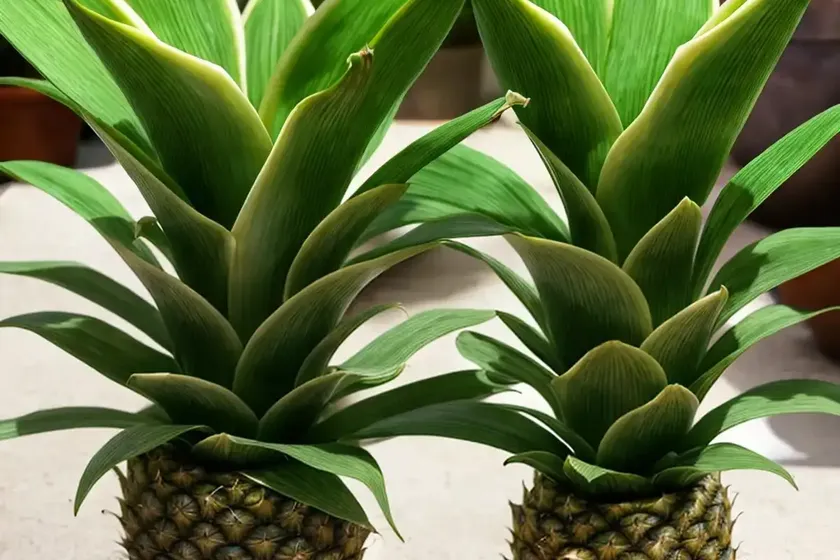
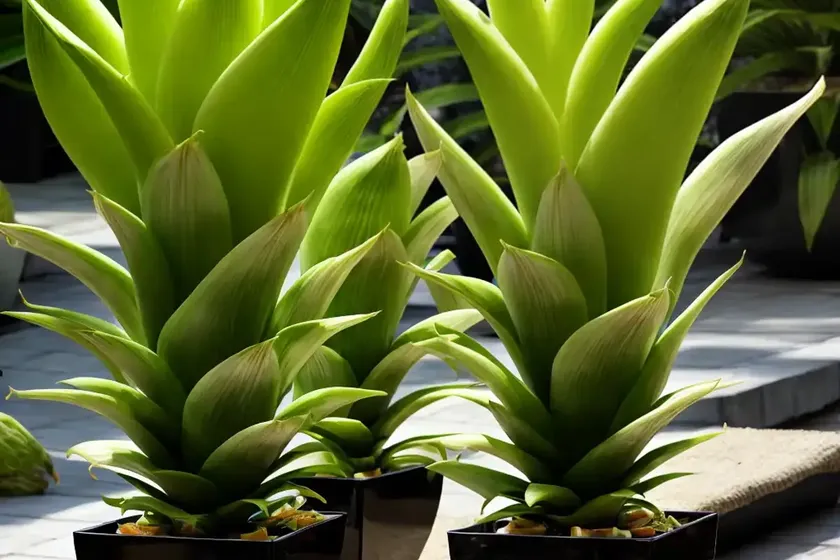
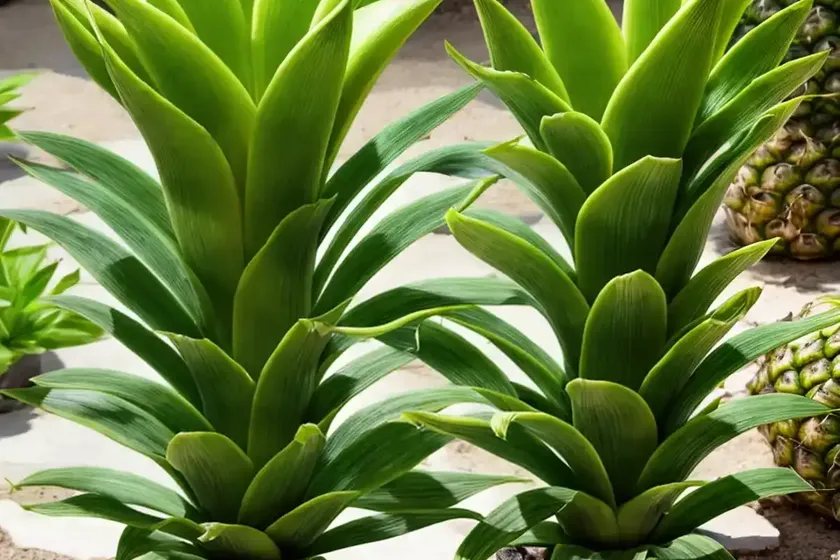
Plants, whether they adorn our homes or create picturesque landscapes, exude an enigmatic charm, adding vibrant colors and a touch of nature to our surroundings. One such captivating plant is the Eucomis Bicolor, also known as Pineapple Lily. This tropical plant is renowned for its stunning foliage and unique inflorescences that closely resemble a pineapple.
In this comprehensive guide, we will delve into the intricate details of Eucomis Bicolor, exploring its cultural requirements, uses, and ways to nurture it. As a plant scientist with a passion for botanical diversity, I am thrilled to unravel the enchanting aspects of this magnificent plant, offering invaluable insights to both enthusiasts and seasoned gardeners.
What is Eucomis Bicolor (Pineapple Lily)?
Eucomis Bicolor, commonly referred to as Pineapple Lily, is a striking perennial plant that belongs to the Asparagaceae family. Originating from South Africa, this ornamental plant has garnered significant attention for its distinctive appearance and low-maintenance nature. The species name “bicolor” aptly describes the two-toned inflorescences that grace the plant, adding an element of elegance to its overall allure.
The Pineapple Lily derives its name from the unique resemblance of its flower spike to the structure of a pineapple, particularly when the florets atop the spike are in full bloom. The plant is highly regarded for its architectural presence, making it a prized addition to both indoor and outdoor settings. With its visually appealing attributes and relatively easy care requirements, Eucomis Bicolor has garnered a dedicated following among gardening enthusiasts, serving as a standout feature in floral displays and landscape designs.
Now, without further ado, let us venture into the intricacies of cultivating and caring for this remarkable botanical gem.
Key Takeaways – Eucomis Bicolor (Pineapple Lily)
Before delving into the detailed care and cultivation practices for Eucomis Bicolor, let’s outline the key takeaways, offering a snapshot of the essential aspects associated with this captivating plant. We’ll explore its cultural requirements, uses, and potential benefits, setting the stage for a comprehensive understanding of this botanical wonder.
Culture
- Species Name: Eucomis Bicolor
- Common Name: Pineapple Lily
- Family: Asparagaceae
- Native to: South Africa
- Type: Perennial
- Hardiness Zones: 7-11
Uses
- Ornamental: Adds visual interest and architectural appeal to gardens, containers, and floral displays.
- Landscape Design: Serves as a focal point in landscape compositions, contributing to the overall aesthetics of outdoor spaces.
- Cut Flower: The striking inflorescences make for captivating additions to floral arrangements, enhancing the visual appeal of bouquets and displays.
Water
- Watering Requirements: Moderate to regular watering, ensuring that the soil remains consistently moist but well-drained.
- Hydration Needs: Exhibits a preference for adequate moisture, especially during the active growth and blooming periods.
Sunlight
- Sun Exposure: Prefers partial to full sunlight, thriving in locations with ample natural light.
Fertilizer
- Fertilization: Benefits from a balanced, slow-release fertilizer applied during the growing season to support healthy foliage and vibrant blooms.
Soil
- Soil Type: Well-draining, nutrient-rich soil with a slightly acidic to neutral pH.
- Growing Medium: Can thrive in various soil types, provided that they offer proper drainage and sufficient nutrients.
Pruning
- Maintenance: Limited pruning requirements, primarily focused on removing spent flower stalks and dead foliage to maintain the plant’s aesthetics.
Propagation
- Propagation Methods: Offsets, seeds, and division.
- Offsets: Easily propagated by separating and planting the offsets produced by mature plants.
Container Popularity
- Container Gardening: Well-suited for container cultivation, offering versatility in indoor and outdoor spaces.
- Pot Size: Thrives in appropriately sized containers with good drainage and nutrient-rich potting mix.
Common Diseases
- Disease Susceptibility: Relatively resistant to diseases when provided with suitable growing conditions.
- Pest Management: Vigilant monitoring and proper care practices can help prevent common pests and diseases.
These key takeaways serve as a foundation for our in-depth exploration of Eucomis Bicolor, offering valuable insights into its cultural preferences, uses, and essential care practices. Now, let’s embark on a detailed journey into the world of Pineapple Lily, unveiling the nuances of nurturing this captivating plant to its full potential.
Cultural Requirements of Eucomis Bicolor (Pineapple Lily)
To successfully cultivate and care for Eucomis Bicolor, it is paramount to gain a comprehensive understanding of its cultural requirements. From water and sunlight preferences to soil considerations and fertilizer needs, each aspect plays a pivotal role in fostering the optimal growth and development of this striking perennial plant. Now, let’s delve into the intricate details of cultivating Eucomis Bicolor, offering valuable guidance on meeting its unique cultural needs.
Water
Watering Requirements
Eucomis Bicolor exhibits moderate water needs and thrives in consistently moist, well-drained soil. While it is crucial to avoid waterlogged conditions, the plant benefits from regular watering to maintain adequate moisture levels, especially during the active growing season and blooming period.
It is essential to monitor the soil moisture and adjust the watering frequency based on environmental conditions and the plant’s specific requirements. Throughout the growing season, a balanced approach to watering, ensuring that the soil remains damp but not overly saturated, is conducive to the plant’s overall health and vitality.
Sunlight
Sun Exposure
Pineapple Lily thrives in locations with partial to full sunlight, benefiting from ample natural light to support robust growth and vibrant flowering. When selecting an ideal planting site or positioning the plant in a container, it is imperative to consider its sunlight preferences and provide suitable exposure to foster its developmental requirements.
In regions with intense afternoon sun or high temperatures, providing partial shade during the hottest part of the day can help prevent sunscald and ensure that the plant receives the appropriate balance of light and shade.
Fertilizer
Fertilization Practices
To support the nutritional needs of Eucomis Bicolor and promote healthy foliage and prolific blooms, a balanced, slow-release fertilizer formulated for flowering perennials can be applied during the active growing season. This gradual-release approach ensures a consistent supply of essential nutrients, nurturing the plant’s overall vitality and enhancing its ornamental value.
Before applying fertilizer, it is advisable to follow the manufacturer’s recommended dosage and application instructions, taking into account the plant’s stage of growth and the specific fertilizer formulation. This practice helps prevent over-fertilization and ensures that the plant receives the appropriate nutritional support without risk of nutrient imbalances or excessive growth stimulation.
Soil
Soil Type and Growing Medium
Eucomis Bicolor thrives in well-draining, nutrient-rich soil with a slightly acidic to neutral pH. Ensuring proper soil drainage is paramount, as the plant is susceptible to root rot and other moisture-related issues in waterlogged conditions. A loamy, well-aerated growing medium that retains sufficient moisture while allowing excess water to drain freely is ideal for promoting the plant’s overall health and vigor.
In instances where the native soil lacks the necessary drainage or nutrient content, amending it with organic matter such as compost or well-rotted manure can improve its structure and fertility, providing an optimal environment for Eucomis Bicolor to flourish.
Pruning
Maintenance Practices
Eucomis Bicolor has limited pruning requirements, primarily focused on the removal of spent flower stalks and any yellowed or damaged foliage. Trimming the spent flower spikes not only maintains the plant’s aesthetic appeal but also encourages the allocation of energy towards new growth and future flowering.
When undertaking pruning activities, it is essential to use clean, sharp pruning tools to minimize injury to the plant and prevent the spread of diseases. By practicing regular maintenance and grooming, the plant can maintain a tidy appearance while redirecting its resources towards foliage and flower production.
Propagation
Propagation Methods
Eucomis Bicolor can be propagated through various methods, including offsets, seeds, and division. Offset propagation, in particular, offers a straightforward and reliable means of expanding plantings and establishing new specimens from the offsets produced by mature plants. By carefully separating the offsets and planting them in suitable growing conditions, gardeners can propagate Pineapple Lily with ease, expanding their collection and sharing the plant’s beauty with others.
In addition to offset propagation, the plant can also be propagated from seeds and through division, providing alternative approaches for multiplying its presence in diverse garden settings.
The Versatility of Eucomis Bicolor: Container Gardening and Indoor Cultivation
Eucomis Bicolor’s adaptability extends to container gardening, offering a versatile and visually appealing option for cultivating the plant in indoor and outdoor settings. The plant’s architectural presence, coupled with its stunning inflorescences, makes it an ideal candidate for showcasing in decorative containers, adding a touch of tropical charm to porches, patios, and interior spaces.
Container Gardening
Eucomis Bicolor is well-suited for container cultivation, thriving in appropriately sized pots with good drainage and nutrient-rich potting mix. When selecting a container for planting Pineapple Lily, it is crucial to choose a vessel that provides ample room for root development and offers efficient drainage to prevent waterlogging. Additionally, incorporating a high-quality potting mix enriched with organic matter and essential nutrients can provide an optimal growing medium for the plant, promoting healthy growth and vibrant flowering.
By incorporating Eucomis Bicolor into container gardens, gardeners can enjoy the flexibility of relocating the plant to accommodate changing light conditions or specific aesthetic preferences, harnessing its ornamental appeal to enhance various indoor and outdoor spaces.
Indoor Cultivation
In addition to outdoor container gardening, Eucomis Bicolor can be cultivated indoors, adding a touch of botanical elegance to interior settings. When integrating the plant into indoor environments, it is essential to provide suitable light exposure and maintain appropriate moisture levels to support its growth and development.
Selecting a well-lit location with access to natural light or supplemental lighting can help ensure that the plant receives the illumination it requires for robust growth and flowering. Additionally, consistent monitoring of watering needs, humidity levels, and temperature conditions contributes to the well-being of the plant, fostering a thriving presence within indoor spaces.
By embracing Eucomis Bicolor as an indoor plant, enthusiasts can appreciate its captivating features year-round, infusing interior settings with the beauty and charm of this tropical gem.
A Closer Look at Eucomis Bicolor: Common Diseases and Pest Management
In the realm of plant care, maintaining vigilance against common diseases and pests is integral to preserving the health and vitality of ornamental species such as Eucomis Bicolor. By familiarizing ourselves with potential disease susceptibility and the effective management of common pests, we can safeguard the well-being of the plant, ensuring that it flourishes in optimal conditions.
Common Diseases
Disease Susceptibility
Eucomis Bicolor exhibits a relatively resilient nature, displaying resistance to many common diseases when provided with suitable growing conditions and proper care. However, as with any plant, it is essential to remain attentive to potential issues and promptly address any signs of disease, ensuring the plant’s ongoing health and vigor.
While Pineapple Lily is generally resistant to major diseases, it is essential to monitor the plant for symptoms of fungal infections, particularly in instances of excessive moisture or poor air circulation. Vigilant observation of the foliage and the overall condition of the plant facilitates early detection and proactive management of potential disease challenges, enabling effective intervention when necessary.
Pest Management
Vigilance and Prevention
In addition to disease surveillance, proactive pest management is vital for preserving the pristine beauty of Eucomis Bicolor. Common garden pests, such as aphids, snails, and slugs, can occasionally target the plant, posing a risk to its foliage and overall well-being. By adopting vigilant monitoring practices and implementing preventive measures, gardeners can minimize the impact of pests and safeguard the plant from detrimental infestations.
Effective pest management strategies include regular inspection of the plant, prompt removal of pests, and the introduction of natural predators or deterrents to mitigate pest activity. By fostering a balanced ecosystem and promoting biodiversity in the garden, gardeners can create an environment that encourages beneficial organisms while deterring harmful pests, preserving the health and vitality of Eucomis Bicolor.
Botanist’s Tips: Nurturing Eucomis Bicolor to Perfection
As we explore the captivating world of Eucomis Bicolor, it is essential to distill our insights into practical tips and recommendations that serve as a guiding light for nurturing this enchanting plant. Drawing from my expertise as a plant scientist, I am pleased to share valuable botanist’s tips that encapsulate the fundamental care practices and strategies for cultivating Pineapple Lily with finesse.
1. Optimal Watering Practices
Maintain a balanced approach to watering, ensuring that the soil remains consistently moist but well-drained. Regular monitoring of soil moisture and attentive irrigation habits contribute to the plant’s overall health and vitality, supporting robust growth and blooming.
2. Sunlight Optimization
Position Eucomis Bicolor in a location with suitable sunlight exposure, providing partial to full sunlight to promote healthy growth and prolific flowering. Adequate natural light is essential for the plant’s development, enhancing its ornamental value and vigor.
3. Fertilization Wisdom
Apply a balanced, slow-release fertilizer during the growing season to supply essential nutrients and support the plant’s nutritional needs. Adhering to recommended fertilizer application guidelines ensures the promotion of healthy foliage and vibrant blooms.
4. Soil Integrity
Cultivate Eucomis Bicolor in well-draining, nutrient-rich soil with a slightly acidic to neutral pH, bolstering its growth and resilience. Amending the soil with organic matter enhances its structure and fertility, fostering an optimal growing environment for the plant.
5. Pruning Precision
Engage in regular pruning practices, focusing on removing spent flower stalks and any discolored or damaged foliage to maintain the plant’s aesthetic appeal. Utilize clean, sharp pruning tools to minimize trauma and promote the plant’s overall well-being.
6. Vigilant Pest Monitoring
Stay vigilant against common garden pests, monitoring the plant for signs of infestation and promptly addressing pest activity. Implement preventive measures and natural pest control methods to safeguard the plant from potential threats.
By incorporating these botanist’s tips into your care routine, you can embark on a journey to nurture Eucomis Bicolor with precision and expertise, unlocking the full potential of this remarkable plant.
Fun Facts About Eucomis Bicolor: Discovering the Extraordinary
Amidst the wealth of botanical marvels that adorn our natural world, Eucomis Bicolor stands out for its exceptional attributes and intriguing aspects. To enrich our appreciation of this captivating plant, let’s uncover some fascinating fun facts that offer a glimpse into its extraordinary nature, shedding light on its unique features and cultural significance.
1. Pineapple-Inspired Beauty
Eucomis Bicolor derives its common name, Pineapple Lily, from the striking resemblance of its flower spike to the structure of a pineapple, especially when adorned with delicate florets in full bloom. This intriguing characteristic adds a touch of tropical allure to the plant, captivating the imagination with its pineapple-inspired beauty.
2. Tropical Origins
Hailing from South Africa, Eucomis Bicolor thrives in its native tropical habitat, where it graces the landscape with its elegant inflorescences and lush foliage. Its natural affinity for warm climates contributes to its resilience and adaptability when cultivated in suitable environments around the world.
3. Architectural Elegance
With its stately stature and architectural presence, Eucomis Bicolor lends a sense of grandeur and elegance to gardens, containers, and landscape compositions. The plant’s structural form and captivating inflorescences make it a standout feature, adding visual interest and a touch of sophistication to diverse settings.
4. Ornamental Versatility
Eucomis Bicolor’s ornamental versatility extends to its uses in floral displays, where its distinctive inflorescences elevate the visual appeal of bouquets and arrangements. The plant’s striking flowers contribute to captivating floral designs, enhancing the allure of cut flower compositions and decorative displays.
5. Aesthetic Diversity
Eucomis Bicolor encompasses a range of cultivars and varieties, offering a spectrum of colors, sizes, and inflorescence characteristics. This aesthetic diversity enables gardeners to explore unique cultivars, each with its own captivating attributes and ornamental value, enriching the horticultural landscape with a kaleidoscope of Pineapple Lily variations.
6. Wildlife Habitat
The captivating blooms of Eucomis Bicolor attract pollinators such as bees and butterflies, fostering a vibrant ecosystem within garden settings. By serving as a habitat and food source for beneficial wildlife, the plant contributes to biodiversity and ecological balance, enriching the natural environment through its ornamental presence.
These fun facts illuminate the captivating allure of Eucomis Bicolor, infusing our understanding of the plant with a sense of wonder and appreciation for its unique qualities. As we continue our exploration of Pineapple Lily, let’s delve into additional resources and external links that provide valuable insights and in-depth information about this extraordinary botanical gem.
Links to External Resources
To augment our understanding of Eucomis Bicolor and further explore its cultural nuances, uses, and potential benefits, it is invaluable to engage with external resources that offer comprehensive insights and expert guidance. Here are a selection of external resources and links that provide in-depth information about Pineapple Lily, serving as valuable references for enthusiasts, gardeners, and botanical enthusiasts:
1. The Royal Horticultural Society (RHS) – Eucomis Bicolor
Description: The Royal Horticultural Society provides detailed information about Eucomis Bicolor, including its characteristics, cultivation practices, and ornamental uses. The comprehensive resource serves as a valuable guide for enthusiasts seeking to enhance their knowledge of this captivating plant.
2. Missouri Botanical Garden – Eucomis Bicolor
Description: The Missouri Botanical Garden offers an in-depth overview of Eucomis Bicolor, encompassing its botanical features, cultural requirements, and potential landscape uses. This authoritative resource serves as a valuable reference for gardeners and horticultural enthusiasts.
3. Fine Gardening – The Pineapple Lilies: Bulbs with Wow!
Description: Fine Gardening provides a comprehensive article on Pineapple Lilies, exploring their ornamental appeal, cultivation tips, and unique attributes. The resource offers valuable insights and practical guidance for enthusiasts seeking to cultivate and appreciate Eucomis Bicolor.
4. American Meadows – Eucomis Bicolor: Pineapple Lily
Description: American Meadows presents a detailed overview of Eucomis Bicolor, capturing its ornamental value, propagation methods, and utilization in garden landscapes. The resource serves as a valuable reference for individuals interested in incorporating Pineapple Lily into their horticultural pursuits.
By engaging with these external resources, enthusiasts and gardeners can