Eucomis Autumnalis (Pineapple Lily)
Eucomis autumnalis, commonly known as the Pineapple Lily, is a stunning flowering plant native to South Africa. This unique plant is a member of the.
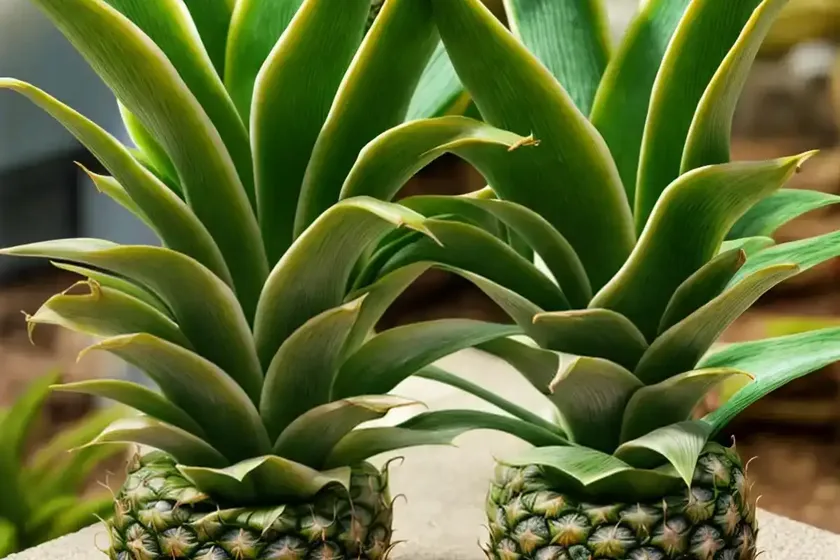
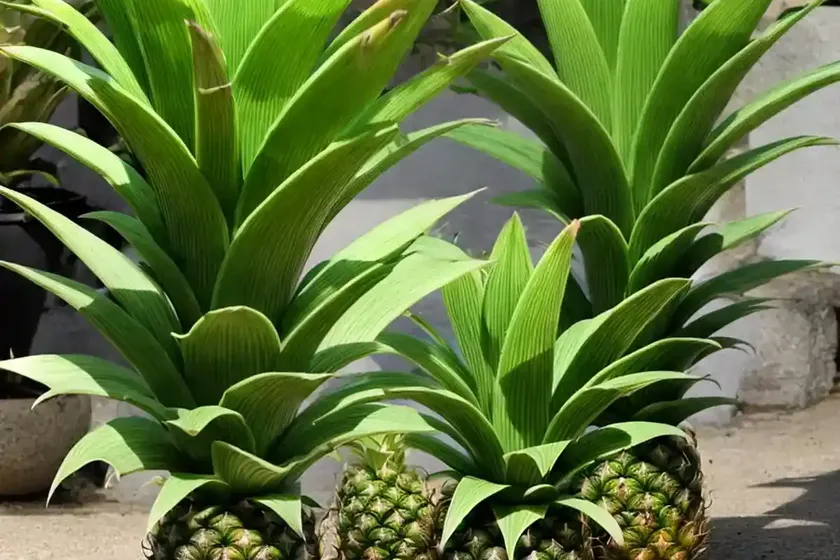
Eucomis autumnalis, commonly known as the Pineapple Lily, is a stunning flowering plant native to South Africa. This unique plant is a member of the Asparagaceae family and is valued for its exotic appearance and vibrant, long-lasting flowers. As a plant scientist, I’m excited to share an in-depth guide to the cultivation, care, and uses of Eucomis autumnalis, including its cultural preferences, propagation methods, container gardening tips, common diseases, and more. Whether you’re a gardening enthusiast, a horticulture student, or someone looking to add a touch of exotic beauty to your outdoor or indoor spaces, this comprehensive guide will provide you with all the essential information about the Pineapple Lily.
What is Eucomis autumnalis (Pineapple Lily)?
Eucomis autumnalis, commonly known as the Pineapple Lily, is a perennial bulbous plant native to South Africa. It is a member of the Eucomis genus, which includes several species known for their distinctive pineapple-like flowering spikes. The species name “autumnalis” refers to its flowering season, which typically occurs in late summer to early autumn.
This plant is known for its striking appearance, with long, strap-shaped leaves and an intriguing flower spike that resembles a pine cone or pineapple, giving rise to its common name. The flower spike is composed of numerous tiny, star-shaped flowers arranged in a dense, conical inflorescence. These flowers can range in color from greenish-white to pink or deep purple, adding a dramatic visual element to gardens and landscapes.
In addition to its ornamental value, some cultures have attributed medicinal properties to certain parts of the plant, although its primary use is as an attractive ornamental addition to gardens, borders, and containers.
Now, let’s explore the key takeaways related to Eucomis autumnalis, including its cultural requirements, uses, propagation, and maintenance.
Key Takeaways – Eucomis autumnalis (Pineapple Lily)
Culture
Uses
-
Ornamental: Eucomis autumnalis is primarily valued for its ornamental qualities, serving as a striking addition to flower beds, borders, and container gardens. Its unique appearance and long-lasting flowers make it a popular choice for gardeners seeking to add a touch of exotic beauty to their outdoor spaces.
-
Medicinal: In certain traditional medicinal practices, various parts of the plant have been used for their purported therapeutic properties. While these uses are not widely recognized in contemporary medicine, they contribute to the plant’s cultural significance in some regions.
Water
- Eucomis autumnalis prefers consistently moist soil during the growing season, but it is essential to avoid waterlogged conditions, as this can lead to root rot and other complications. Adequate drainage is crucial to prevent water stagnation around the bulb.
Sunlight
- Partial to full sunlight: This plant thrives in bright, indirect light or partial shade. While it can tolerate some direct sunlight, providing protection from intense midday sun can prevent leaf scorching and ensure optimal growth and flowering.
Fertilizer
- Balanced fertilizer: Use a balanced, all-purpose fertilizer during the growing season to promote healthy foliage and robust flowering. Avoid excessive nitrogen, as this can lead to lush foliage at the expense of flower production.
Soil
- Well-draining, fertile soil: Eucomis autumnalis thrives in well-draining soil with a rich organic content. A slightly acidic to neutral pH range is suitable for optimal growth and flowering.
Pruning
- Minimal pruning requirements: Eucomis autumnalis generally requires minimal pruning. Deadheading spent flowers and removing any yellowing or damaged leaves can help maintain the plant’s appearance and redirect energy into new growth and flower production.
Propagation
- Division: Propagation of Eucomis autumnalis can be achieved through bulb division, typically performed in the dormant season. Separating offsets from the main bulb and replanting them in suitable growing conditions can successfully propagate new plants.
Container Popularity
- Well-suited for containers: Due to its striking appearance and manageable size, Eucomis autumnalis is a popular choice for container gardening. It adds a unique focal point to mixed container arrangements and can thrive in appropriately sized pots with adequate drainage.
Now that we’ve covered the key cultural aspects of Eucomis autumnalis, let’s delve deeper into each of these factors to gain a comprehensive understanding of the Pineapple Lily’s care and cultivation.
Eucomis autumnalis Care and Cultivation
Growing Eucomis autumnalis
Eucomis autumnalis can thrive in various outdoor settings, from garden borders and flower beds to mixed container gardens. Its cultural requirements make it relatively adaptable, although providing optimal conditions can promote vigorous growth and abundant flowering.
Pineapple Lily Flower
The epitome of Eucomis autumnalis’s allure is undoubtedly its exotic flower spike. The distinctive inflorescence, resembling a pineapple or pine cone, is composed of tiny, star-shaped blossoms tightly packed into a conical structure. The flower spike emerges atop a sturdy stem, rising above the attractive foliage and commanding attention with its unique form and vibrant colors. The flowers can range from pale greenish-white to delicate shades of pink and deep, rich purples, adding a touch of drama to the garden.
Eucomis autumnalis Bulbs
The bulb of Eucomis autumnalis serves as the storage organ that sustains the plant through its dormancy period and fuels the production of new growth and flowering. Healthy bulbs are essential for robust plant performance, and proper planting depth and spacing are crucial for their successful establishment and development.
When planting Eucomis autumnalis bulbs, it’s important to place them at a depth that provides adequate protection and insulation while also allowing the emerging growth to reach the surface. Proper spacing prevents overcrowding and allows each plant to develop unimpeded, resulting in a more visually appealing and floriferous display.
Pineapple Lily Varieties
Eucomis autumnalis belongs to a genus that includes several noteworthy species and cultivars, each with its own unique characteristics and ornamental attributes. While the species itself possesses undeniable charm, exploring different varieties within the Eucomis genus can introduce a diverse range of flower colors, plant sizes, and leaf forms into the garden, offering an exciting palette of options for enthusiasts and landscape designers.
Pineapple Lily Planting Guide
Successful cultivation of Eucomis autumnalis begins with proper planting practices and site selection. Whether you’re establishing the plants in the ground or in containers, following a comprehensive planting guide can help ensure optimal growth and floral abundance.
Eucomis autumnalis Indoor
While Eucomis autumnalis is most commonly grown in outdoor settings, it can also thrive as a container plant indoors, provided that it receives adequate light and favorable growing conditions. Indoor cultivation allows enthusiasts to enjoy the plant’s unique beauty and captivating flowers year-round, enhancing interior spaces with a touch of exotic charm.
Pineapple Lily Blooming
The flowering season of Eucomis autumnalis typically occurs in late summer to early autumn, offering a captivating display of colorful flower spikes that can persist for several weeks. The long-lasting blooms are not only visually striking but also attract pollinators, contributing to the ecological value of the plant and enhancing biodiversity in the garden.
Eucomis autumnalis Garden
In garden settings, Eucomis autumnalis serves as an exceptional addition to mixed borders, perennial beds, and other ornamental plantings. Its architectural form and captivating flowers complement a wide range of companion plants, providing a versatile and visually appealing element to diverse garden compositions.
Pineapple Lily in Pots
Eucomis autumnalis is well-suited for container gardening, allowing enthusiasts to showcase its unique beauty in patio and balcony settings. When planted in appropriately sized pots with adequate drainage, it can thrive as a stand-alone specimen or as part of mixed container arrangements, offering a stunning focal point in outdoor living spaces.
Eucomis autumnalis Leaves
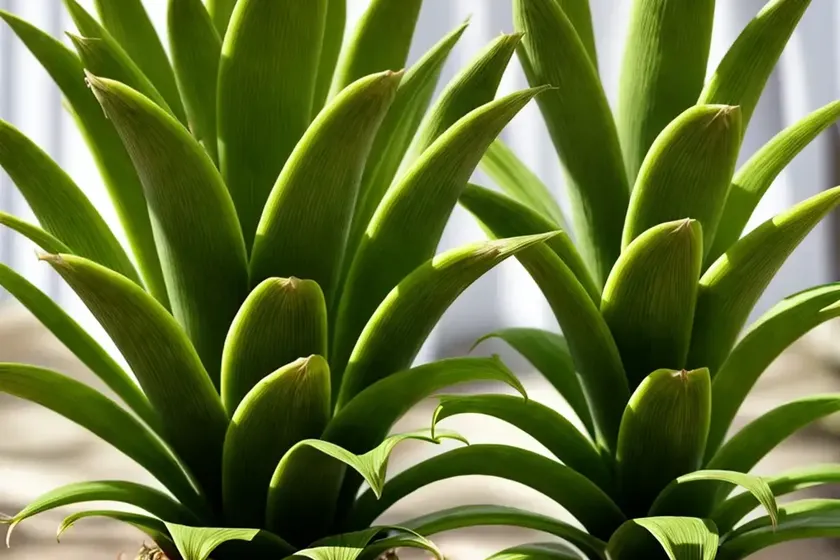
The foliage of Eucomis autumnalis consists of long, strap-shaped leaves that form an attractive rosette around the base of the plant. The broad, glossy leaves contribute to the plant’s ornamental appeal and provide an appealing backdrop for the showy flower spike, creating a visually balanced and harmonious display.
Pineapple Lily Sunlight Requirements
Providing optimal sunlight is crucial for the successful cultivation of Eucomis autumnalis. While it can tolerate partial shade, the plant thrives in bright, indirect light or partial sunlight. Properly positioning the plant to receive adequate sunlight promotes robust growth, sturdy flower spikes, and vibrant flower coloration.
Eucomis autumnalis Watering
Consistent moisture is essential for the optimal performance of Eucomis autumnalis. During the active growing season, maintaining moderately moist soil helps support healthy foliage and flowering, ensuring that the plant remains vigorous and resilient. However, it’s important to avoid overwatering, as excessive moisture can lead to root-related issues and compromise overall plant health.
Pineapple Lily Temperature Preferences
Eucomis autumnalis thrives in moderate temperatures and generally prefers mild, temperate climates. While it can adapt to a range of temperature conditions, protecting the plant from extreme heat or cold can help maintain its vitality and promote reliable flowering.
Eucomis autumnalis Soil Type
The selection of suitable soil is critical for the successful cultivation of Eucomis autumnalis. Well-draining, fertile soil with a slightly acidic to neutral pH range provides an ideal growing medium for the plant, fostering healthy root development and supporting robust growth and flowering.
Pineapple Lily Fertilization
Regular fertilization can significantly enhance the growth and flowering performance of Eucomis autumnalis. Applying a balanced, all-purpose fertilizer during the growing season provides essential nutrients that support healthy foliage and promote the development of sturdy, vibrant flower spikes. However, it’s important to avoid excessive nitrogen, as this can lead to excessive vegetative growth at the expense of flowering.
Eucomis autumnalis Pruning
The maintenance of Eucomis autumnalis typically involves minimal pruning requirements. Deadheading spent flowers and removing any discolored or damaged leaves can help maintain the plant’s appearance and redirect energy into new growth and flower production. Additionally, cleaning the plant of debris and maintaining a tidy appearance can contribute to a more visually appealing garden display.
Now that we’ve explored the fundamental aspects of caring for Eucomis autumnalis, it’s essential to address its propagation methods, common diseases, and pest management to ensure its long-term health and vitality.
Propagation of Eucomis autumnalis
Eucomis autumnalis can be successfully propagated through bulb division, a straightforward and reliable method for generating new plants from established specimens. Proper timing and handling of the bulbs are essential for ensuring successful propagation and the subsequent development of healthy, vigorous plants.
Bulb division is typically performed during the plant’s dormant period, which may occur in late winter to early spring, depending on the specific growing conditions and climate. During this phase, the bulbs can be carefully separated, ensuring that each division has sufficient roots and a viable growing point for producing new foliage and flowers.
Replanting the divisions in suitable growing conditions, consisting of well-draining soil and adequate sunlight, promotes their establishment and future growth. By following proper propagation practices, enthusiasts can expand their collection of Eucomis autumnalis and share the plant’s beauty with others, contributing to its horticultural appreciation and conservation.
Common Diseases of Eucomis autumnalis
As with any plant, Eucomis autumnalis is susceptible to certain diseases and disorders that can affect its health and appearance. Identifying common diseases and understanding their causes and management can help gardeners maintain healthy plants and prevent the spread of potential issues.
Disease Diagnosis
Botrytis Blight
- Botrytis blight, caused by the fungal pathogen Botrytis spp., can lead to the development of grayish-brown patches on the leaves and flowers of Eucomis autumnalis. This disease thrives in moist, humid conditions and can spread rapidly, particularly in crowded plantings or areas with poor air circulation.
Root Rot
- Excessive moisture and poor drainage can contribute to the development of root rot in Eucomis autumnalis. This condition, caused by various fungal pathogens, can lead to the deterioration of the plant’s roots, resulting in wilting, yellowing foliage, and overall decline in vigor.
Common Pests
Aphids
- Aphids are small, sap-feeding insects that can infest Eucomis autumnalis, clustering on the undersides of leaves and causing damage through their feeding activity. Their presence can lead to distorted growth, yellowing leaves, and the production of sticky honeydew that attracts additional pests and promotes the growth of sooty mold.
Snails and Slugs
- Snails and slugs are common pests that can feed on the foliage and flowers of Eucomis autumnalis, leaving behind distinctive, ragged feeding damage. Their nocturnal activity can make it challenging to detect their presence, but the visual evidence of their feeding can signal the need for intervention to protect the plants.
Botanist’s Tips for Eucomis autumnalis
As a plant scientist, I’ve gathered valuable insights and recommendations for enthusiasts and growers looking to cultivate Eucomis autumnalis with success and satisfaction. These botanist’s tips encompass essential aspects of plant care, maintenance, and appreciation, providing a holistic approach to ensuring the plant’s health, vigor, and ornamental value.
Fun Facts about Eucomis autumnalis
-
The specific epithet “autumnalis” refers to the plant’s flowering season, which typically occurs in late summer to early autumn, coinciding with the transition to the fall season in many regions where the plant is cultivated.
-
Eucomis autumnalis is a magnet for pollinators, attracting bees, butterflies, and other beneficial insects that contribute to the ecological diversity and resilience of garden and natural landscapes.
-
The plant’s common name, Pineapple Lily, is derived from the striking resemblance of its flower spike to a pine cone or pineapple, adding to its allure and cultural significance.
-
In some traditions, Eucomis autumnalis is associated with symbolic meanings related to prosperity, resilience, and the appreciation of natural beauty, enriching its horticultural and cultural importance.
Links to External Resources
For additional information, inspiration, and practical guidance on Eucomis autumnalis, consider exploring the following websites and resources:
- Royal Horticultural Society (RHS):
-
The RHS offers comprehensive guidance on growing and caring for Eucomis autumnalis, including cultivation advice, disease and pest management, and inspiring ways to incorporate the plant into garden designs.
-
Missouri Botanical Garden:
-
The Missouri Botanical Garden provides a wealth of botanical information, including detailed plant profiles, horticultural tips, and conservation efforts related to Eucomis autumnalis and other noteworthy plant species.
-
Gardening Know How:
- Gardening Know How offers practical articles, expert tips, and community forums focused on gardening topics, providing valuable insights into Eucomis autumnalis care, propagation, and creative uses in outdoor and indoor settings.
As you embark on your journey of cultivating and appreciating Eucomis autumnalis, these resources can serve as valuable companions, offering diverse perspectives and guidance to enhance your horticultural experience and deepen your connection with this exceptional plant.
Conclusion
Eucomis autumnalis, the Pineapple Lily, stands as a captivating and unique addition to horticulture, offering remarkable beauty, versatile uses, and cultural significance. From its striking flower spikes and vibrant blooms to its adaptable growing preferences and potential medicinal attributes, the plant embodies a rich tapestry of ornamental and practical qualities that appeal to a wide range of gardeners and enthusiasts.
This comprehensive guide has provided an in-depth exploration of Eucomis autumnalis, covering its cultural requirements, uses, propagation methods, common diseases, and pest management. By understanding and applying the insights shared in this guide, you can cultivate and enjoy the captivating beauty of Eucomis autumnalis with confidence and appreciation, contributing to the preservation and celebration of this extraordinary plant.
Whether you’re seeking to enrich your garden with unique plant specimens, explore the world of ornamental bulbs and perennials, or simply embrace the allure of exotic flora, Eucomis autumnalis holds the promise of delight, discovery, and enduring fascination. As you embark on your journey with the Pineapple Lily, may its beauty and resilience inspire and enrich your horticultural pursuits, fostering a deeper connection with the natural world and the diverse wonders of plant life.