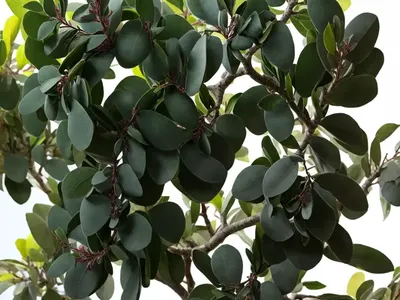
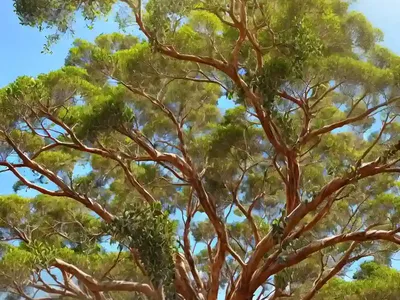
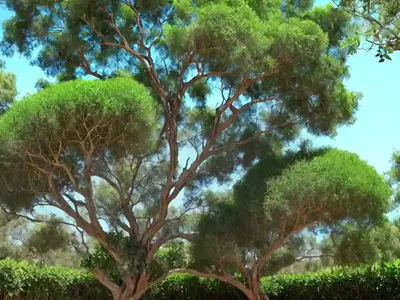
Eucalyptus Pauciflora Subsp. Debeuzevillei (Jounama Snow Gum)
Eucalyptus pauciflora subsp. debeuzevillei, commonly known as the Jounama Snow Gum, is a majestic and versatile species of eucalyptus that captivates with.
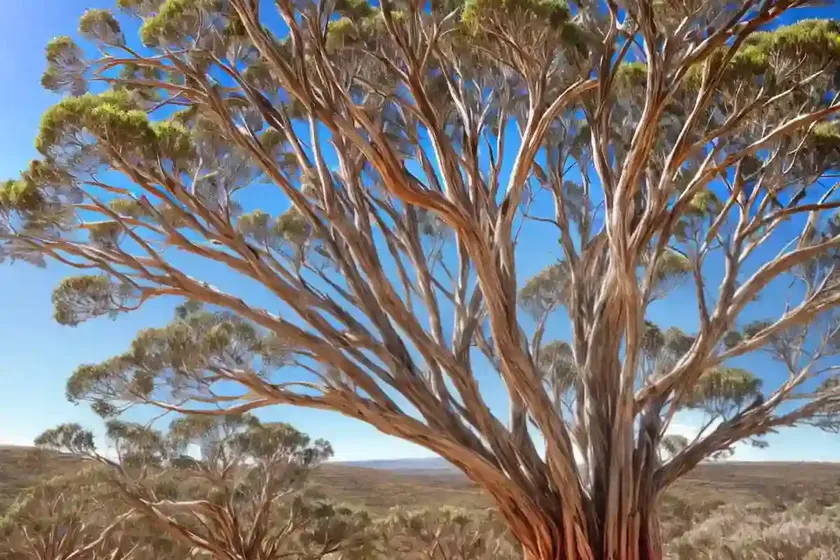
Introduction
Eucalyptus pauciflora subsp. debeuzevillei, commonly known as the Jounama Snow Gum, is a majestic and versatile species of eucalyptus that captivates with its hardiness, distinctive bark, and overall aesthetic appeal. This species belongs to the diverse and globally distributed genus Eucalyptus, which encompasses over 700 species. In this comprehensive guide, we will delve into the various aspects of Eucalyptus pauciflora subsp. debeuzevillei, including its cultural requirements, uses, care tips, and much more. Whether you are a gardening enthusiast, a plant biologist, or simply intrigued by the wonders of nature, there is much to discover about this remarkable species.
What is Eucalyptus pauciflora subsp. debeuzevillei?
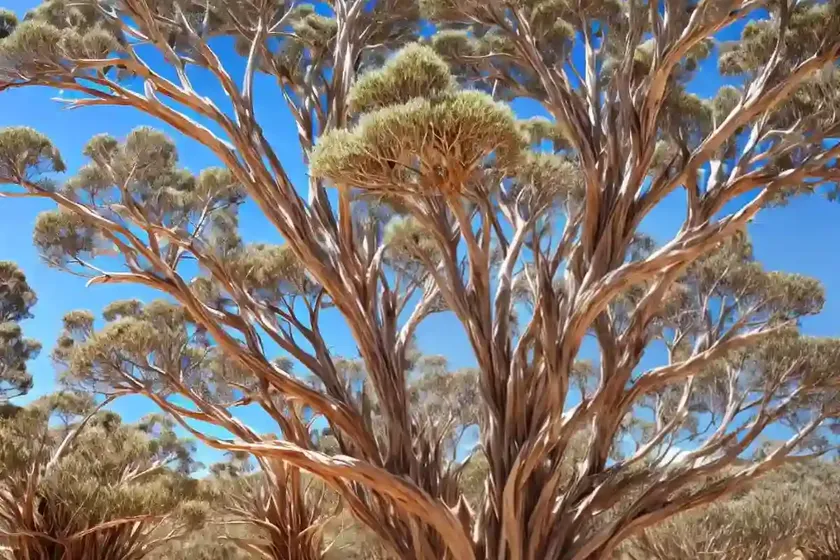
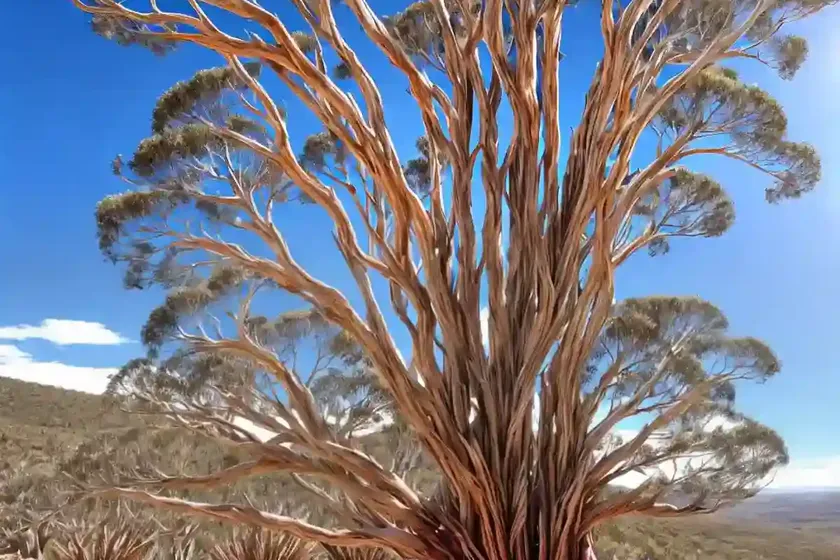
Eucalyptus pauciflora subsp. debeuzevillei, also referred to as the Jounama Snow Gum, is a subspecies of the Eucalyptus pauciflora, commonly known as the Snow Gum tree. This evergreen tree belongs to the Myrtaceae family and is native to the alpine regions of southeastern Australia. The unique combination of its snow-white bark, compact growth habit, and adaptability makes it a standout choice for gardens, parks, and landscapes.
Key Takeaways – Eucalyptus pauciflora subsp. debeuzevillei (Jounama Snow Gum)
- Common Names: Eucalyptus pauciflora subsp. debeuzevillei, Jounama Snow Gum, Snow Gum
- Scientific Classification:
- Kingdom: Plantae
- Order: Myrtales
- Family: Myrtaceae
- Genus: Eucalyptus
- Species: E. pauciflora
- Subspecies: E. pauciflora subsp. debeuzevillei
- Natural Habitat: Alpine regions of southeastern Australia
- Notable Features: Snow-white bark, compact growth habit, cold tolerance
Now, let’s explore the various aspects of Eucalyptus pauciflora subsp. debeuzevillei in detail.
Culture
Uses of Eucalyptus pauciflora subsp. debeuzevillei
The Jounama Snow Gum holds significant cultural value in landscaping, horticulture, and conservation efforts. It serves various purposes and offers numerous benefits, including:
-
Ornamental Beauty: Its visually striking features, such as snow-white bark, can serve as a focal point in gardens and landscapes, especially in regions with cooler climates.
-
Wildlife Habitat: The tree provides shelter and food for various forms of wildlife, enhancing biodiversity in its natural habitat.
-
Environmental Significance: Eucalyptus pauciflora subsp. debeuzevillei plays a vital role in ecological balance by contributing to soil conservation and moisture retention, especially in alpine ecosystems.
-
Medicinal Uses: Some traditional medicine systems utilize certain parts of the Snow Gum tree for their perceived therapeutic properties.
-
Artistic Inspiration: Its unique appearance has inspired artists, photographers, and designers, contributing to its cultural significance beyond its native range.
Care Requirements
Water
Eucalyptus pauciflora subsp. debeuzevillei generally prefers well-drained soils and is moderately drought-tolerant once established. However, adequate watering, especially during the establishment phase, is crucial for its healthy growth and development.
Watering Guidelines:
- Optimal soil moisture: Slightly moist, well-drained soil
- Frequency: Water deeply but infrequently, allowing the soil to dry slightly between watering sessions
- Seasonal variations: Adjust watering frequency based on seasonal changes and local climate
Sunlight
Jounama Snow Gum thrives in full sun to partial shade, exhibiting its best growth and ornamental features in ample sunlight. Adequate exposure to sunlight is essential for the tree’s overall vigor and the development of its iconic snow-white bark.
Sunlight Requirements:
- Ideal light conditions: Full sun to partial shade
- Minimum sunlight exposure: Approximately 6 hours of direct sunlight per day
- Significance of light: Direct sunlight supports its optimal growth and enhances the visual appeal of its bark and foliage
Soil
The ideal soil conditions for Eucalyptus pauciflora subsp. debeuzevillei encompass a well-drained and slightly acidic substrate. Understanding the specific soil requirements is crucial for ensuring the tree’s vitality and longevity in both natural and cultivated settings.
Soil Type:
- Texture: Well-drained, loamy soil with good aeration
- pH Range: Slightly acidic to neutral (pH 6.0 – 7.5)
- Amendments: Organic matter can be beneficial for improving soil structure and nutrient retention
Fertilizer
When it comes to fertilization, the nutritional needs of Eucalyptus pauciflora subsp. debeuzevillei are relatively modest, especially when grown in nutrient-rich soils. However, the application of balanced fertilizers can support its growth, particularly during the initial stages of establishment.
Fertilization Guidelines:
- Fertilizer type: Balanced, slow-release fertilizers formulated for woody plants
- Application timing: Apply fertilizer in early spring, prior to the active growth period
- Dosage: Follow manufacturer recommendations and adjust based on the tree’s response and soil conditions
Pruning
Pruning plays a vital role in maintaining the health, aesthetics, and structural integrity of Eucalyptus pauciflora subsp. debeuzevillei. Proper pruning techniques are essential for managing its growth, removing deadwood, and enhancing its overall form.
Pruning Recommendations:
- Pruning objectives: Shape control, removal of dead or damaged branches, and size management
- Timing: Prune during the dormant season or after the tree’s flowering period
- Techniques: Utilize sterile pruning tools and adhere to best practices to minimize stress and promote rapid healing
Propagation
Propagation methods for Eucalyptus pauciflora subsp. debeuzevillei include both sexual and asexual techniques, each with its unique requirements and considerations.
Propagation Techniques:
-
Seeds: Collect and sow fresh seeds in a well-drained propagation medium, maintaining consistent moisture and warmth for successful germination.
-
Cuttings: Root semi-hardwood cuttings under controlled conditions, ensuring proper humidity and environmental stability to support root development.
Container Popularity
Eucalyptus pauciflora subsp. debeuzevillei is also cultivated in containers, allowing enthusiasts and horticulturists to appreciate its beauty and benefits in a more confined setting.
Container Considerations:
- Container size: Opt for large, well-drained containers to accommodate the tree’s root system and minimize transplant stress.
- Soil media: Utilize a well-aerated, nutrient-rich potting mix suitable for woody plants and amend as necessary based on the tree’s growth.
- Environmental conditions: Ensure adequate sunlight and moisture levels, and protect the tree from extreme temperature fluctuations.
Common Diseases
While Eucalyptus pauciflora subsp. debeuzevillei is relatively resilient, it can be susceptible to certain diseases and health issues, particularly in challenging environmental conditions.
Common Diseases:
-
Canker Diseases: Pathogens such as Botryosphaeria spp. and Teratosphaeria spp. can cause cankers on the tree’s bark and branches.
-
Powdery Mildew: Fungal infections like Erysiphe spp. can lead to the development of powdery mildew on leaves and young shoots.
-
Leaf Spot Diseases: Several fungal pathogens can cause leaf spot, leading to the formation of dark lesions and potential defoliation.
Disease Diagnosis
Accurate diagnosis of diseases affecting Eucalyptus pauciflora subsp. debeuzevillei is essential for implementing effective management strategies and safeguarding the tree’s long-term health.
Diagnosis Process:
- Visual inspection: Identify symptom patterns, including leaf discoloration, bark lesions, and unusual growths.
- Laboratory analysis: Utilize diagnostic services to identify causal pathogens and confirm disease presence through fungal cultures and molecular techniques.
- Expert consultation: Seek guidance from plant pathologists and horticultural professionals to validate observations and determine appropriate treatment options.
Common Pests
In addition to diseases, Jounama Snow Gum can encounter pest pressures under specific conditions, warranting vigilance and proactive management measures.
Common Pests:
-
Lerp Psyllid (Cardiaspina spp.): Infestations can cause leaf deformation and defoliation, particularly in younger trees.
-
Eucalyptus Longhorn Borers: Larvae of certain longhorn beetles can bore into the tree’s trunk and branches, leading to structural damage and reduced vigor.
-
Sap-Sucking Insects: Aphids, scale insects, and mealybugs can feed on the tree’s sap, potentially causing stress and affecting its overall health.
Botanist’s Tips
For successful cultivation and enjoyment of Eucalyptus pauciflora subsp. debeuzevillei, here are some valuable insights and recommendations from botanists and horticultural experts:
-
Site Selection: Choose a planting location with well-drained soil, good air circulation, and ample sunlight to promote the tree’s vitality.
-
Water Management: Prioritize thorough, less frequent watering over shallow, frequent irrigation to encourage deep root establishment.
-
Integrated Pest Management: Adopt a holistic approach to pest control, combining cultural practices, biological controls, and targeted pesticide applications as needed.
-
Pruning Guidelines: Focus on maintaining the tree’s natural form and structure while removing dead or diseased branches and avoiding excessive pruning during the growing season.
Fun Facts
Uncover fascinating insights and trivia about Eucalyptus pauciflora subsp. debeuzevillei:
-
Snowy Bark: The species’ distinctive white bark evolves as the tree matures, peeling in thin strips to reveal a contrasting cream or grayish surface underneath.
-
Adaptation to Cold: Jounama Snow Gum displays remarkable cold tolerance, thriving in high-altitude regions and withstanding frost and snowfall.
-
Fire Adaptability: Like many eucalyptus species, E. pauciflora subsp. debeuzevillei has evolved mechanisms to cope with and even benefit from wildfires, including epicormic regrowth and seed germination triggered by heat.
-
Ecological Importance: The tree contributes to the unique ecology of alpine environments, providing food and habitat for diverse wildlife and supporting ecosystem resilience.
Links to External Resources
For additional information and resources on Eucalyptus pauciflora subsp. debeuzevillei, explore the following sources:
- Australian Native Plants Society (Australia)
- Atlas of Living Australia
- Flora of Victoria
- Royal Botanic Gardens Victoria
- Australian National Botanic Gardens
Conclusion
Eucalyptus pauciflora subsp. debeuzevillei, with its compelling combination of aesthetics, resilience, and ecological value, stands as a remarkable representative of the diverse and captivating world of eucalyptus species. Its remarkable adaptability to varied environmental conditions, coupled with its cultural significance, renders it a plant of considerable interest to botanists, horticulturists, and nature enthusiasts alike. By understanding and appreciating the unique characteristics and care requirements of the Jounama Snow Gum, we can celebrate and promote the conservation of this iconic species, ensuring its presence in gardens, landscapes, and natural ecosystems for generations to come.
In this comprehensive guide, we have explored the many facets of Eucalyptus pauciflora subsp. debeuzevillei, shedding light on its cultural significance, care requirements, and the valuable insights offered by experts in the field. Whether as a symbol of resilience in alpine environments or an ornamental treasure in cultivated landscapes, the Jounama Snow Gum continues to enthrall and inspire a deeper connection with the natural world.
Remember to consult local experts, botanical gardens, and conservation organizations for region-specific guidance and conservation efforts related to Eucalyptus pauciflora subsp. debeuzevillei. By leveraging this knowledge and appreciation, we can contribute to the preservation and celebration of this iconic eucalyptus species.
Keywords: Eucalyptus pauciflora debeuzevillei, Jounama Snow Gum, Eucalyptus debeuzevillei, Snow Gum trees, Eucalyptus species, Eucalyptus pauciflora subsp., Subspecies debeuzevillei, Jounama Snow Gum facts, Snow Gum habitat, Eucalyptus pauciflora varieties, Eucalyptus debeuzevillei characteristics, Snow Gum leaves, Jounama Snow Gum in gardens, Eucalyptus taxonomy, Subspecies of Eucalyptus pauciflora, Eucalyptus debeuzevillei uses, Snow Gum adaptations, Jounama Snow Gum distribution, Eucalyptus pauciflora subsp. debeuzevillei care, Snow Gum bark, Eucalyptus pauciflora varieties for landscaping, Eucalyptus debeuzevillei cultivation, Snow Gum flowering season, Jounama Snow Gum ecology, Eucalyptus pauciflora subsp. debeuzevillei characteristics, Snow Gum tree benefits, Eucalyptus pauciflora subsp. debeuzevillei growth habits, Jounama Snow Gum medicinal properties, Eucalyptus pauciflora subsp. debeuzevillei adaptations, Snow Gum plant care tips, Eucalyptus debeuzevillei landscaping ideas, Jounama Snow Gum conservation status, Eucalyptus pauciflora subsp. debeuzevillei description, Snow Gum tree diseases, Eucalyptus pauciflora subsp. debeuzevillei common names, Jounama Snow Gum natural habitat, Eucalyptus pauciflora subsp. debeuzevillei propagation, Snow Gum tree pruning techniques, Eucalyptus pauciflora subsp. debeuzevillei native range, Jounama Snow Gum historical significance, Eucalyptus pauciflora subsp. debeuzevillei landscape uses, Snow Gum tree planting guidelines, Eucalyptus pauciflora subsp. debeuzevillei climate requirements, Jounama Snow Gum conservation efforts, Eucalyptus pauciflora subsp. debeuzevillei pest control, Snow Gum tree care essentials, Eucalyptus pauciflora subsp. debeuzevillei wildlife interactions, Jounama Snow Gum artistic representations, Eucalyptus pauciflora subsp. debeuzevillei air-purifying properties, Snow Gum tree pruning schedule