Eryngium Yuccifolium (Rattlesnake Master)
Eryngium yuccifolium, commonly known as Rattlesnake Master, is a unique and fascinating plant native to North America. As a plant scientist, I am excited.
Eryngium yuccifolium, commonly known as Rattlesnake Master, is a unique and fascinating plant native to North America. As a plant scientist, I am excited to share with you the intricate details of this remarkable species. In this comprehensive guide, we will explore the description, habitat, cultivation, folklore, uses, and much more about Eryngium yuccifolium.
What is Eryngium yuccifolium (Rattlesnake Master)?
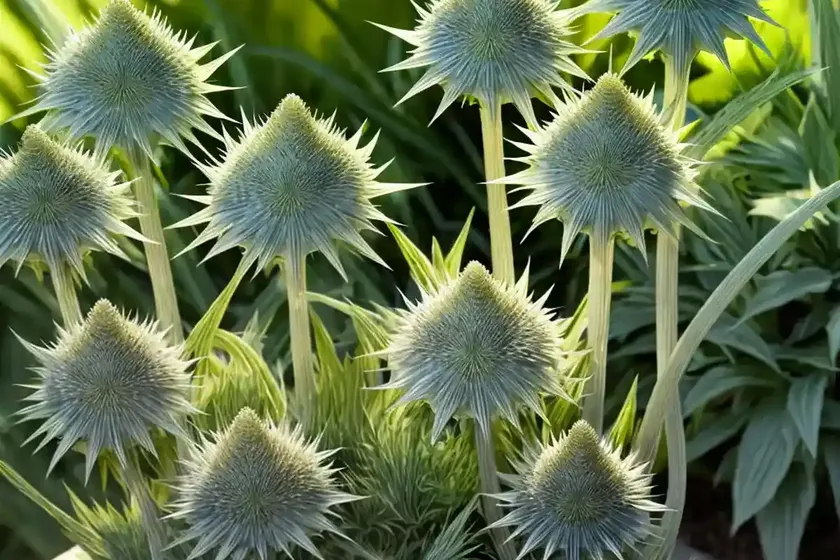
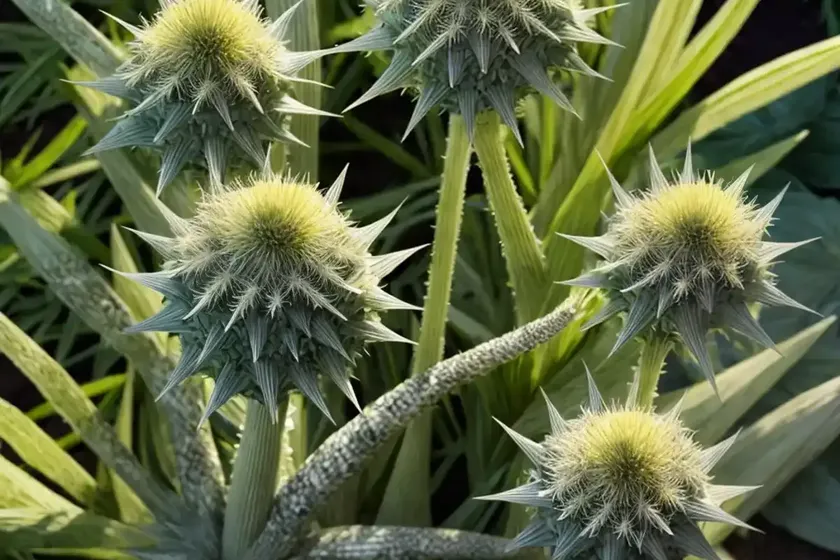
Eryngium yuccifolium, belonging to the Apiaceae family, is a perennial herbaceous plant that is known for its distinctive appearance and various cultural and ecological significances. The unique name “Rattlesnake Master” is derived from its historical use in folk medicine as a remedy for snakebites. The plant’s spiky, bluish-green foliage and striking flower heads make it a visually intriguing addition to gardens and natural landscapes.
In the following sections, we will delve deeper into the various aspects of Eryngium yuccifolium, from its cultural symbolism to its ecological significance and practical uses.
Eryngium yuccifolium Description
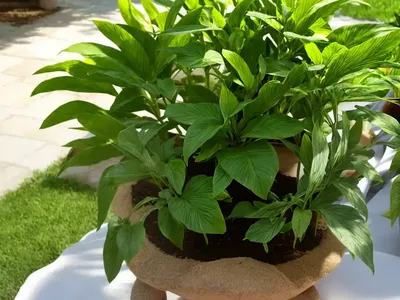
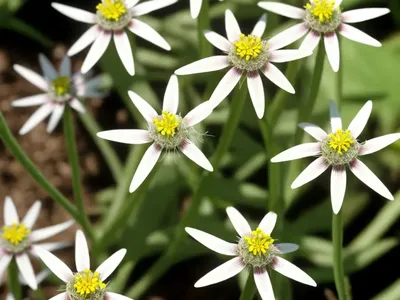
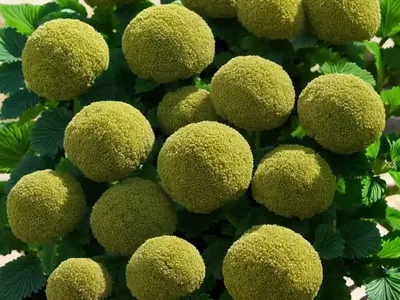
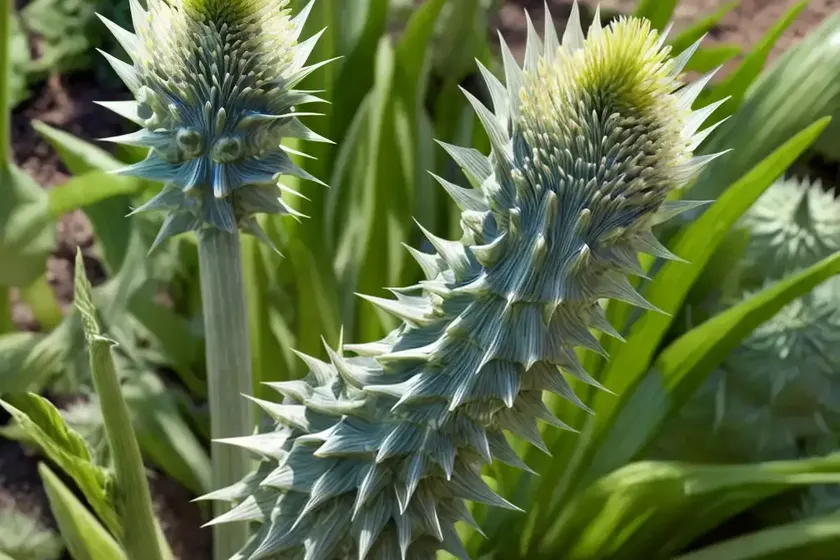
Eryngium yuccifolium is characterized by its yucca-like leaves, which are long, narrow, and sharply toothed, giving the plant a distinctive and spiky appearance. The plant typically forms a basal rosette of leaves, from which tall, sturdy stems emerge, bearing spherical flower heads. These flower heads are composed of numerous small, densely packed, pale green or white florets, surrounded by a whorl of spiny bracts. This unique floral structure adds to the plant’s ornamental value and attracts various pollinators, contributing to its ecological significance.
Rattlesnake Master Plant Care
To cultivate Eryngium yuccifolium successfully, it is essential to understand its specific care requirements, including optimal growing conditions, soil preferences, and propagation methods. In the following sections, we will explore the key aspects of caring for Rattlesnake Master, enabling you to nurture and appreciate this fascinating plant in your own garden or landscape.
Key Takeaways – Eryngium yuccifolium (Rattlesnake Master)
Culture
- Hardiness Zones: Eryngium yuccifolium is well-suited to USDA Hardiness Zones 3-9, making it adaptable to a wide range of climates and growing conditions.
- Drought Tolerance: The plant exhibits excellent drought tolerance once established, making it suitable for dry or xeriscape gardens.
Uses
- Ornamental Value: Eryngium yuccifolium’s unique foliage and flower heads make it a visually appealing addition to ornamental gardens, native plant landscapes, and wildlife habitats.
- Ecological Significance: The plant serves as a valuable resource for pollinators, contributing to the conservation of native insect species and ecological balance.
Water
- Watering: While Eryngium yuccifolium prefers well-drained soils, it is important to provide regular moisture, especially during the initial establishment period. Once established, the plant exhibits good drought tolerance, reducing the need for frequent watering.
Sunlight
- Light Requirements: Rattlesnake Master thrives in full sun to partial shade, making it adaptable to a variety of light conditions. However, it tends to produce more robust growth and prolific flowering in full sun.
Soil
- Soil Type: The plant prefers well-drained, sandy or loamy soils with a slightly alkaline to neutral pH. It is important to avoid waterlogged or heavy clay soils, as they can lead to root rot and poor growth.
Fertilizer
- Minimal Fertilization: Eryngium yuccifolium generally does not require heavy fertilization. A top dressing of compost or a balanced, slow-release fertilizer in early spring can support healthy growth.
Pruning
- Minimal Pruning: The plant typically requires minimal pruning, primarily to remove spent flower heads and maintain overall shape. Pruning should be done in late fall or early spring to promote vigorous regrowth.
Propagation
- Seed Propagation: Eryngium yuccifolium can be propagated from seeds, which should be sown in fall or early spring to allow for natural cold stratification. The plant also readily self-seeds in favorable growing conditions.
Container Popularity
- Container Culture: While Rattlesnake Master can be grown in containers, it is important to select a spacious and well-draining pot to accommodate the plant’s deep taproot system. Container-grown specimens may require more frequent watering and maintenance.
Common Diseases
- Minimal Disease Susceptibility: Eryngium yuccifolium is generally resistant to common plant diseases. However, excessive moisture and poor air circulation can lead to issues such as root rot and powdery mildew.
Disease Diagnosis
- Visual Inspection: Symptoms of diseases such as powdery mildew can manifest as white, powdery patches on the foliage. Root rot may cause wilting, yellowing, or browning of the leaves, accompanied by decayed roots upon inspection.
Common Pests
- Pest Resistance: Rattlesnake Master exhibits good resistance to most pests. However, occasional visits from aphids, caterpillars, and leaf-mining insects may occur.
Botanist’s Tips
Fun facts
Links to External Resources
References
- Missouri Botanical Garden, “Eryngium yuccifolium (Rattlesnake Master)”: https://www.missouribotanicalgarden.org/PlantFinder/PlantFinderDetails.aspx?taxonid=280458&
- Lady Bird Johnson Wildflower Center, “Eryngium yuccifolium”: https://www.wildflower.org/plants/result.php?id_plant=ERYU
- North Creek Nurseries, “Rattlesnake Master (Eryngium yuccifolium)”: https://northcreeknurseries.com/plantName/Eryngium-yuccifolium
In the upcoming sections, we will delve into the botanical and horticultural aspects of Eryngium yuccifolium, providing detailed insights into its habitat, folklore, medicinal properties, and ceremonial significance.
Eryngium yuccifolium is native to the central and eastern regions of North America, where it thrives in prairies, open woodlands, and savannas with well-drained soils and ample sunlight. The plant’s natural habitat encompasses a diverse range of ecological communities, from dry, sandy plains to mesic upland sites, reflecting its adaptability to various soil and moisture conditions.
Best Conditions for Rattlesnake Master
Soil Requirements
Eryngium yuccifolium thrives in well-drained, sandy to loamy soils with a preference for slightly alkaline to neutral pH levels. The plant is well-adapted to dry, nutrient-poor soils, making it suitable for xeriscape and native plant garden designs. It is important to avoid heavy clay or waterlogged soils, as they can impede root development and lead to stress-related issues.
Sunlight Preferences
Full sun exposure is ideal for promoting robust growth and prolific flowering in Eryngium yuccifolium. The plant can tolerate partial shade, especially in regions with hot summers, but may exhibit reduced flower production and elongated, leggy growth in shaded conditions.
Eryngium yuccifolium Uses
Ornamental Value
Eryngium yuccifolium’s unique foliage and striking flower heads make it a sought-after ornamental plant for native plant landscapes, prairie restorations, and pollinator gardens. Its architectural form, drought tolerance, and wildlife-attracting qualities contribute to its popularity in sustainable and ecologically conscious landscape designs.
Medicinal Properties
In traditional herbal medicine, various parts of Eryngium yuccifolium were historically used to treat a range of ailments, including snakebites, fevers, and respiratory conditions. While modern scientific research on the plant’s medicinal properties is limited, its historical significance in folk medicine highlights the cultural and ethnobotanical importance of Rattlesnake Master.
Rattlesnake Master Folklore
Eryngium yuccifolium holds cultural significance in Native American folklore and traditional ceremonies. The plant’s unique appearance and historical use in herbal remedies have contributed to its symbolic representation in indigenous cultures, where it is revered for its healing properties and protective qualities.
Cultural Significance
Among various Native American tribes, Rattlesnake Master is associated with themes of protection, resilience, and spiritual purification. The plant’s presence in ceremonial practices underscores its ceremonial and symbolic relevance within indigenous traditions, reflecting the intrinsic connection between people, plants, and the natural world.
Eryngium yuccifolium Native Range
Eryngium yuccifolium is native to a wide geographical range, encompassing the central and eastern United States, from Texas and Oklahoma to Pennsylvania and Illinois. The plant’s natural distribution reflects its adaptability to diverse climatic and ecological conditions, ranging from the Southern Plains to the Midwest and Mid-Atlantic regions.
Cultivation Tips
When cultivating Eryngium yuccifolium, it is important to replicate the plant’s native habitat through well-drained, lean soils, ample sunlight, and minimal interference with natural ecosystem processes. By embracing sustainable gardening practices and native plant conservation, gardeners can uphold the cultural and ecological values associated with Rattlesnake Master.
In the following sections, we will explore Eryngium yuccifolium’s role in landscapes and gardens, emphasizing its drought tolerance, pollinator-friendly qualities, and potential for creating wildlife habitats.
Eryngium yuccifolium is a versatile and valuable addition to native plant gardens, wildlife landscapes, and sustainable gardening initiatives. Its drought tolerance, pollinator-attracting properties, and ornamental value make it an ideal choice for enhancing ecological diversity and cultural significance within garden designs.
Landscape Design
Pollinator-friendly Planting
The spiky flower heads of Eryngium yuccifolium attract a diverse array of pollinators, including bees, butterflies, and beneficial insects. By incorporating Rattlesnake Master into pollinator-friendly garden designs, individuals can contribute to the conservation of native pollinator species and enhance overall ecosystem health.
Wildlife Habitat
Eryngium yuccifolium serves as a valuable resource for wildlife, providing nectar, pollen, and habitat for native bees and other beneficial insects. Including Rattlesnake Master in wildlife-friendly garden designs contributes to urban and suburban biodiversity, supporting the conservation of native plant species and associated wildlife communities.
Drought Tolerance
Eryngium yuccifolium’s ability to thrive in dry, nutrient-poor soils makes it an excellent choice for xeriscape and water-wise gardening. Its deep taproot system enables the plant to withstand prolonged periods of drought, reducing the need for supplemental irrigation and promoting sustainable gardening practices.
Perennial Plant
As a perennial species, Eryngium yuccifolium returns year after year, providing long-term ornamental and ecological benefits in garden and landscape settings. Its persistent presence contributes to the establishment of resilient, low-maintenance plant communities, aligning with principles of sustainable landscaping and native plant conservation.
Endangered Status
While Eryngium yuccifolium is not currently listed as endangered, it is important to recognize the conservation value of native plant species and their roles in supporting biodiverse ecosystems. By promoting the cultivation and protection of Rattlesnake Master and other underutilized native plants, individuals can contribute to the preservation of native plant diversity and associated wildlife habitats.
Herbal Remedies
Rattlesnake Master holds historical significance in traditional herbal medicine, with various parts of the plant used in remedies for snakebites, fevers, and respiratory ailments. While the plant’s medicinal properties are not extensively studied in modern herbalism, its cultural and historical uses underscore the valuable knowledge and practices associated with indigenous plant-based healing traditions.
Traditional Uses
Eryngium yuccifolium’s association with folklore, ceremonies, and traditional uses reflects the enduring connection between people and plants in cultural and spiritual contexts. By honoring the traditional knowledge and practices surrounding Rattlesnake Master, individuals can foster a deeper appreciation for the cultural diversity and ecological significance of native plants within contemporary society.
Eryngium yuccifolium’s role in ethnobotany encompasses its historical uses, cultural symbolism, and sustainable resource management within indigenous societies. Studying the ethnobotanical aspects of Rattlesnake Master offers valuable insights into the intertwined relationships between plants, people, and landscapes across diverse cultural traditions.
Non-toxic Plant
Eryngium yuccifolium is considered non-toxic to humans and animals, making it a safe and environmentally friendly addition to gardens, natural landscapes, and wildlife habitats. Its non-toxic nature further enhances its appeal as a pollinator-friendly, wildlife-attracting plant with minimal environmental impact.
Plant Family
Eryngium yuccifolium belongs to the Apiaceae family, a diverse and widespread plant family that includes many culinary herbs, ornamental species, and medicinal plants. Understanding the botanical relationships and characteristics of the Apiaceae family provides valuable insights into the evolutionary and ecological contexts of Eryngium yuccifolium.
Landscape Uses
Eryngium yuccifolium’s ornamental value, drought tolerance, and wildlife-friendly qualities make it a versatile and impactful element in landscape designs. Whether incorporated into native plant gardens, prairie restorations, or xeriscape landscapes, Rattlesnake Master contributes to the aesthetic, ecological, and cultural richness of designed outdoor spaces.
Sustainable Gardening
The cultivation and conservation of Eryngium yuccifolium align with principles of sustainable gardening, native plant advocacy, and ecological restoration. By promoting the inclusion of underutilized native plants, individuals can contribute to sustainable, biodiverse, and culturally significant landscapes that support the wellbeing of people, plants, and wildlife.
Drought-tolerant Landscaping
Rattlesnake Master’s exceptional drought tolerance and low-water requirements position it as a valuable component in drought-tolerant and water-wise landscaping initiatives. Its ability to thrive in dry, challenging conditions underscores its practical and aesthetic value in sustainable landscape designs.
Understanding the ecological, cultural, and practical dimensions of Eryngium yuccifolium enhances our appreciation for the plant’s multifaceted contributions to biodiversity, traditional knowledge, and sustainable gardening practices.
In the following sections, we will further explore Eryngium yuccifolium’s ecological interactions, including its role as a pollinator-friendly species, wildlife habitat provider, and native plant advocate.
Eryngium yuccifolium plays a pivotal role in wildlife-friendly gardening, pollinator conservation, and habitat restoration efforts. Its ecological interactions with native pollinators, wildlife species, and the surrounding environment contribute to the establishment of resilient, biodiverse plant communities with widespread ecological benefits.
Pollinator-friendly Garden
As a pollinator-friendly species, Eryngium yuccifolium attracts and sustains a diverse assemblage of native pollinators, including bees, butterflies, and beneficial insects. Creating pollinator-friendly gardens with Rattlesnake Master supports the conservation of native pollinator species and enhances the reproductive success of surrounding plant communities.
Seed Saving Tips
Eryngium yuccifolium readily produces seeds, which can be collected for propagation and conservation efforts. By saving and sharing Rattlesnake Master seeds, gardeners, conservationists, and native plant enthusiasts can contribute to the preservation and expansion of the plant’s genetic diversity in various ecological and horticultural contexts.
Perennial Plant
Rattlesnake Master’s perennial nature ensures its long-term presence in wildlife landscapes, providing continuous ecological benefits, ornamental value, and habitat resources for native wildlife species. Its persistent and resilient qualities support the establishment of enduring, self-sustaining plant communities in natural and designed environments.
Flowering Season
Eryngium yuccifolium blooms from mid to late summer, producing spherical flower heads with numerous small, densely packed florets. The plant’s extended flowering season provides critical nectar and pollen resources for pollinators during the warmer months, contributing to overall ecosystem health and diversity.
Wildlife Attraction
Eryngium yuccifolium attracts a variety of wildlife, including bees, butterflies, and other beneficial insects, which utilize the plant as a food source and foraging habitat. By incorporating Rattlesnake Master into wildlife-friendly gardens, individuals can create diverse, ecologically rich landscapes that support a wide range of native wildlife species.
Underutilized Plants
Eryngium yuccifolium is part of a group of underutilized native plants that hold valuable ecological and cultural significance but are often overlooked in horticultural and conservation contexts. By advocating for the inclusion of underutilized native species in garden designs, conservation initiatives, and public landscapes, individuals can amplify the ecological and cultural benefits of these valuable plants.
Endangered Status
While Eryngium yuccifolium is not currently listed as endangered, it faces threats from habitat loss, land development, and ecological disturbances. By raising awareness of the plant’s ecological importance and advocating for its cultivation and conservation, individuals can contribute to the protection of Rattlesnake Master and similar underutilized native species.
Drought-tolerant Landscaping
Rattlesnake Master’s exceptional drought tolerance and minimal water requirements position it as a valuable component in drought-tolerant landscapes, water-wise gardens, and environmentally conscious outdoor spaces. Its capacity to thrive in dry, challenging conditions underscores its practical and aesthetic value in sustainable landscape designs.
Understanding the complex ecological interactions and cultural significance associated with Eryngium yuccifolium enriches our understanding of the plant’s multifaceted value as a promoter of biodiversity, conservation, and sustainable gardening practices.
Eryngium yuccifolium, known as Rattlesnake Master, embodies a rich tapestry of ecological, cultural, and practical features that make it a remarkable and valuable plant species. From its unique appearance and ornamental value to its medicinal folklore, wildlife attraction, and conservation significance, Rattlesnake Master serves as a symbol of ecological resilience, traditional knowledge, and interconnectedness within diverse ecosystems.
By acknowledging and embracing the multifaceted roles of Eryngium yuccifolium in our landscapes, gardens, and cultural traditions, we can foster a deeper appreciation for native plants, biodiversity conservation, and sustainable gardening practices. As we navigate the intricate web of ecological relationships and cultural ties associated with Rattlesnake Master, we gain a holistic perspective on its enduring relevance and significance in a rapidly changing world.
References
- Missouri Botanical Garden, “Eryngium yuccifolium (Rattlesnake Master)”: https://www.missouribotanicalgarden.org/PlantFinder/PlantFinderDetails.aspx?taxonid=280458&
- Lady Bird Johnson Wildflower Center, “Eryngium yuccifolium”: https://www.wildflower.org/pl