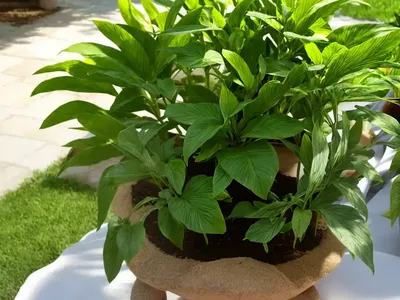
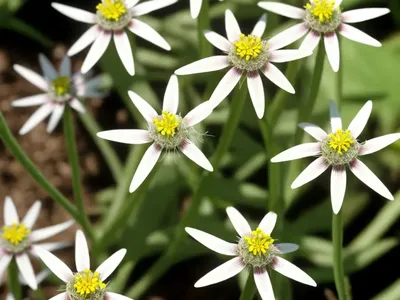
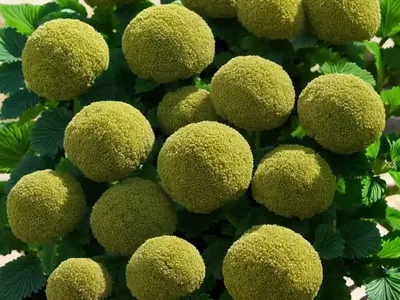
Eryngium X Zabelii ‘Jos Eijking’ (Sea Holly)
Eryngium x zabelii ‘Jos Eijking’, commonly known as Sea Holly, is a stunning perennial plant that belongs to the Apiaceae family. This unique and beautiful.
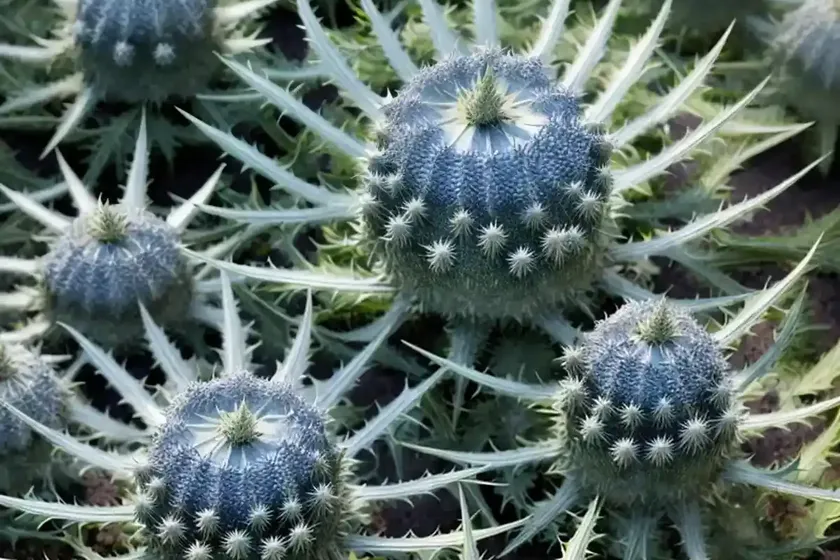
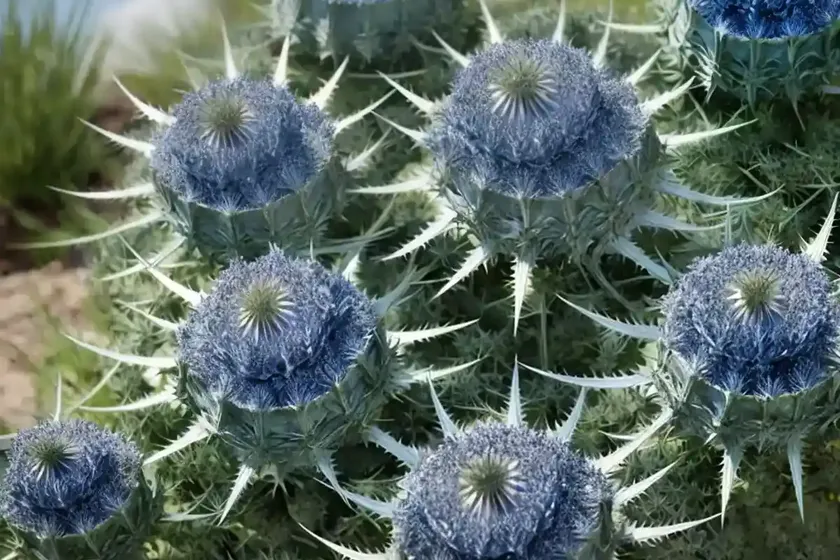
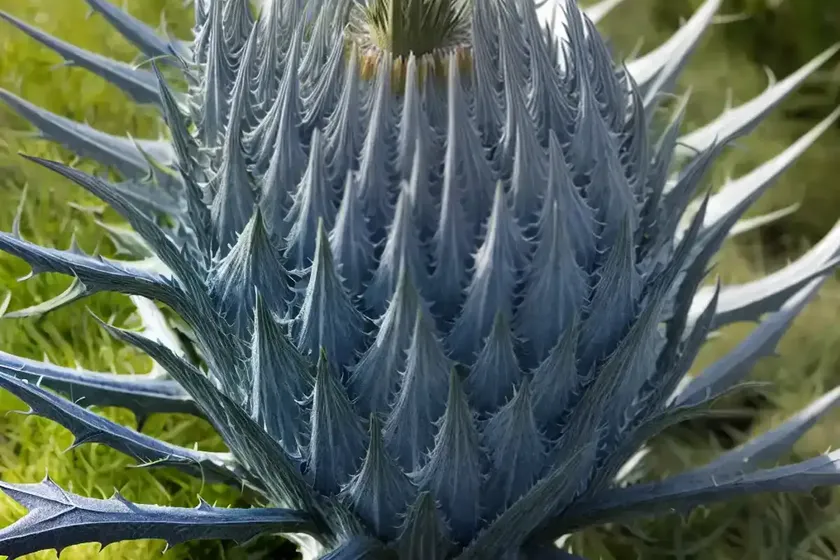
Eryngium x zabelii ‘Jos Eijking’, commonly known as Sea Holly, is a stunning perennial plant that belongs to the Apiaceae family. This unique and beautiful plant is a popular choice for gardens, not only for its visual appeal but also for its versatility and low maintenance requirements.
In this comprehensive guide, we will delve into the various aspects of Sea Holly, including its characteristics, cultivation, care requirements, and much more. Whether you’re a seasoned gardener or a novice enthusiast, this guide will provide you with valuable insights into cultivating and appreciating this exceptional plant.
What is Eryngium x zabelii ‘Jos Eijking’ (Sea Holly)?
Eryngium x zabelii ‘Jos Eijking’ is a striking hybrid plant resulting from the crossbreeding of two Eryngium species, Eryngium alpinum and Eryngium bourgatii. This hybridization has given rise to a plant with exceptional ornamental qualities, making it a sought-after addition to gardens and landscapes.
Key Takeaways
Before we delve deeper into the specifics of cultivating and caring for Sea Holly, let’s begin by outlining the key characteristics and requirements that define this unique plant.
- Common Name: Sea Holly ‘Jos Eijking’
- Scientific Name: Eryngium x zabelii ‘Jos Eijking’
- Family: Apiaceae
- Type: Perennial
- Hardiness Zones: 4 to 9
- Mature Height: 18 to 24 inches
- Mature Spread: 12 to 18 inches
- Bloom Time: Summer
- Bloom Color: Steel-blue
- Foliage: Silvery-green, spiky
- Sunlight: Full sun to partial shade
- Soil pH: Neutral to slightly alkaline
- Watering: Moderate
- Uses: Borders, containers, cut flowers, and pollinator gardens
Now, let’s explore the various facets of Sea Holly, from its cultural requirements to its role in the ecosystem and its potential medicinal uses.
Culture
Cultivating Eryngium x zabelii ‘Jos Eijking’ involves understanding its specific cultural requirements, including soil preferences, water needs, sunlight exposure, and pruning practices.
Soil
Sea Holly thrives in well-draining, nutrient-rich soil. It prefers slightly alkaline to neutral soil pH levels and benefits from the incorporation of organic matter into the planting area. Additionally, it’s important to ensure that the soil is not overly compacted, as good drainage is crucial for the plant’s health and vigor.
Water
While Sea Holly is relatively drought-tolerant once established, consistent moisture is essential, especially during its initial growth stages. It’s important to strike a balance, providing adequate hydration without overwatering, as excessive moisture may lead to root rot and other issues. As such, a moderate watering regimen is recommended, allowing the soil to partially dry out between waterings.
Sunlight
In terms of sunlight requirements, Sea Holly thrives in full sun to partial shade. When provided with ample sunlight, the plant displays vibrant coloration and robust growth, making it an ideal choice for sunny borders and garden beds. However, it can tolerate partial shade, particularly in hotter climates, where some respite from intense sunlight can be beneficial.
Pruning
Pruning Eryngium x zabelii ‘Jos Eijking’ is relatively straightforward. To promote continued blooming and maintain the plant’s overall appearance, spent flower stems can be removed, and any dead or damaged foliage can be trimmed away. However, it’s important to exercise caution when handling the plant, as the spiky nature of its foliage can cause skin irritation.
Uses
Sea Holly serves a variety of purposes in garden settings and beyond. Its ornamental appeal, resilience, and potential ecological contributions make it a valuable addition to diverse landscapes.
Ornamental Use
One of the primary uses of Eryngium x zabelii ‘Jos Eijking’ is its ornamental value. The plant’s unique steel-blue flowers, complemented by its silvery-green, spiky foliage, make it a captivating addition to borders, rock gardens, and container plantings. Its visually striking appearance adds an element of interest and texture to any landscape, and its cut flowers are highly prized for floral arrangements and crafts.
Ecological Role
Apart from its aesthetic contributions, Sea Holly also plays a vital role in supporting pollinators and beneficial insects. Its flowers, rich in nectar and pollen, attract bees, butterflies, and other pollinating species, contributing to the overall biodiversity of the garden or natural setting. In this way, Sea Holly serves as a valuable component of pollinator-friendly and wildlife-friendly landscapes.
Medicinal Potential
While Sea Holly is primarily cultivated for its ornamental attributes, some Eryngium species have historical uses in traditional medicine. Research into the potential medicinal properties of Sea Holly and related species is ongoing, with the plant showing promise in certain ethnobotanical contexts. However, it’s crucial to approach any potential medicinal use with caution and seek guidance from qualified healthcare professionals.
Fertilizer
In order to support the healthy growth and development of Eryngium x zabelii ‘Jos Eijking’, it’s important to consider its fertilizer needs. While Sea Holly is not particularly heavy-feeding, providing some nutritional support can enhance its vigor and flowering performance.
An organic, balanced fertilizer applied in spring can provide the necessary nutrients to sustain the plant throughout the growing season. A slow-release or granular fertilizer specifically formulated for flowering perennials can be incorporated into the soil around the base of the plant, following the manufacturer’s recommended application rates.
Furthermore, a layer of organic mulch can be beneficial in conserving soil moisture, moderating temperature fluctuations, and gradually releasing nutrients into the root zone. This mulch layer also helps to suppress weed growth, contributing to the overall health and appearance of the planting area.
Soil
Soil type
Sea Holly prefers well-draining soil that is rich in organic matter. It thrives in loamy or sandy soil types, and it’s important to ensure that the soil does not become waterlogged, as excess moisture can lead to root rot and other issues. Additionally, the soil pH should ideally range from neutral to slightly alkaline, conducive to the plant’s nutrient uptake and overall health.
Soil pH
The ideal soil pH range for Sea Holly is between 6.0 and 7.5. Slightly alkaline to neutral soil conditions support the plant’s nutrient absorption, root development, and overall vitality. Conducting a soil test can provide valuable insights into the pH of the planting area, allowing for targeted amendments if necessary.
Pruning
Pruning is an important aspect of Sea Holly maintenance, contributing to its overall health, appearance, and flowering performance. By following proper pruning practices, gardeners can encourage continuous blooming and prevent the plant from becoming overly leggy or unkempt.
Deadheading
Removing spent flower stalks through deadheading not only enhances the plant’s appearance but also promotes the development of new blooms. As the flowers fade, they can be carefully pruned away, encouraging the plant to redirect its energy into the production of additional flowers.
Trimming
Trimming away any dead, damaged, or discolored foliage is essential in maintaining the plant’s vigor and aesthetic appeal. Additionally, removing excessive growth or overcrowded stems can improve air circulation around the plant, reducing the risk of disease and promoting overall plant health.
Propagation
Division
Propagating Eryngium x zabelii ‘Jos Eijking’ through division is a reliable method of generating new plants and rejuvenating established ones. Division is typically carried out in early spring before new growth emerges or in early autumn when the plant is preparing for dormancy.
To propagate Sea Holly through division:
1. Carefully dig up the mature plant, ensuring that the root ball is lifted intact.
2. Gently separate the root mass into smaller sections, each containing several healthy stems and an adequate root system.
3. Replant the divided sections in prepared soil, ensuring that they are at the same depth as they were previously planted.
By following this process and providing the appropriate care, the divided sections should establish themselves and begin to grow, ultimately yielding new Sea Holly plants.
Seed Propagation
While seed propagation is possible with Sea Holly, it’s important to note that the resulting plants may not retain the exact characteristics of the parent plant, particularly in the case of hybrids. However, if you wish to experiment with growing Sea Holly from seed, the following steps can guide you through the process:
- Collect ripe seed heads from the plant once the flowers have faded and developed into seed heads.
- Carefully extract the seeds from the dried seed heads and store them in a cool, dry place until you are ready to plant them.
- Sow the seeds in a prepared seedbed or individual containers filled with a well-draining seed-starting mix.
- Water the seeds gently, keeping the soil consistently moist but not waterlogged.
- Provide warmth and indirect sunlight to encourage germination, ensuring that the young seedlings have a favorable environment for their initial growth.
- Once the seedlings have developed several sets of true leaves, they can be transplanted into their permanent growing positions, where they will continue to mature into full-fledged Sea Holly plants.
By following these steps, you can explore the process of seed propagation and potentially uncover unique variations within the Sea Holly population.
Container
Cultivating Eryngium x zabelii ‘Jos Eijking’ in containers can offer a range of advantages, particularly for gardeners with limited space or those seeking to accentuate specific areas with its striking features.
Container Selection
When selecting a container for Sea Holly, it’s important to choose a sizeable pot that can accommodate the plant’s mature root system while providing ample room for growth. Additionally, the container should feature drainage holes to prevent waterlogging and promote healthy root development.
Soil Mix
A well-draining potting mix comprising components such as perlite, vermiculite, and peat moss can create an optimal growing medium for Sea Holly in containers. This mix facilitates healthy root respiration and moisture management, supporting the plant’s overall health and vitality.
Placement
Position the container in a location that receives ample sunlight, as Sea Holly thrives in full sun to partial shade conditions. Providing the plant with the necessary sunlight exposure in its container environment contributes to robust growth and prolific flowering.
Watering and Maintenance
Regular monitoring of soil moisture is essential when growing Sea Holly in containers. While the plant is relatively drought-tolerant, it’s important to ensure that the containerized environment does not lead to excessively dry conditions. Additionally, periodic fertilization and pruning can help maintain the plant’s vigor and visual appeal.
Overwintering
In regions where winter temperatures are particularly harsh, overwintering potted Sea Holly may be advisable. Protecting the container from extreme cold and providing insulation to the plant’s root zone can help safeguard its well-being during the colder months.
Popularity
Eryngium x zabelii ‘Jos Eijking’ has gained significant popularity among gardeners and landscaping enthusiasts, owing to its distinct beauty, adaptability, and low maintenance requirements. Its unique steel-blue flowers, coupled with its silvery foliage, make it a desirable choice for a variety of garden settings.
Garden Use
Sea Holly is commonly used in garden borders, rock gardens, and coastal landscapes, adding a striking and textural element to these environments. Its resilience in the face of challenging growing conditions, such as sandy or well-draining soils, makes it an attractive option for diverse garden designs.
Floral Industry
The cut flowers of Eryngium x zabelii ‘Jos Eijking’ are highly sought after for floral arrangements and bouquets, contributing a distinct texture and color to floral compositions. The longevity of Sea Holly blooms, coupled with its visually captivating appearance, has contributed to its appeal in the floral industry.
Pollinator Gardens
Given its nectar-rich flowers and attractive to pollinators, Sea Holly is often incorporated into pollinator-friendly gardens and landscapes. Its role in supporting beneficial insects and contributing to overall ecological diversity has further amplified its popularity among environmentally-conscious gardeners.
Common Diseases
While Sea Holly is generally resistant to many common plant diseases, it may occasionally encounter issues that warrant attention and intervention. Understanding these potential diseases and their management can aid in maintaining the plant’s health and appearance.
Powdery Mildew
Powdery mildew, characterized by a white, powdery growth on the plant’s foliage, can affect Sea Holly, particularly in conditions of high humidity and poor air circulation. To mitigate this issue, ensure proper spacing between plants, adequate ventilation, and consider applying a suitable fungicidal treatment if the condition persists.
Root Rot
Overly wet soil conditions or poor drainage can lead to root rot in Sea Holly. To prevent this issue, ensure that the plant’s growing environment promotes good drainage, and adjust watering practices as necessary to avoid waterlogged soil. Additionally, promptly addressing any signs of wilting or decline can help mitigate the impacts of root rot.
Rust
Rust, indicated by orange or rust-colored spots on the plant’s leaves, can occur in conditions of high humidity and insufficient airflow. Pruning affected foliage, promoting better air circulation, and applying appropriate fungicidal treatments can help manage rust issues in Sea Holly.
It’s important to promptly identify and address any signs of disease, as early intervention can greatly improve the plant’s prospects for recovery and continued health.
Disease Diagnosis
Diagnosing diseases in Sea Holly requires careful observation of the plant’s foliage, stems, and overall vigor. Key signs such as abnormal discoloration, fungal growth, or unusual lesions can serve as indicators of potential disease issues. If you observe any concerning symptoms, consider the following steps to accurately diagnose and address the problem:
- Visual Inspection: Conduct a thorough visual examination of the plant, noting any aberrations or anomalies in its appearance and structure.
- Symptom Identification: Identify the specific symptoms exhibited by the plant, such as leaf spots, powdery growth, or wilting, in order to narrow down potential disease causes.
- Research and Resources: Utilize reputable plant disease resources and diagnostic guides to compare observed symptoms with known diseases, aiding in the identification process.
- Professional Consultation: If uncertain about the diagnosis or appropriate course of action, seek guidance from horticultural professionals or plant pathologists for accurate assessment and treatment recommendations.
By following these steps and drawing upon available resources, you can effectively diagnose and address potential disease issues in Sea Holly, safeguarding its health and vitality.
Common Pests
While Sea Holly is generally resistant to most common garden pests, it may occasionally encounter certain insect nuisances that warrant attention and management. Understanding these potential pests and their control measures can aid in preserving the plant’s well-being and visual appeal.
Aphids
Aphids are small, sap-feeding insects that may infest Sea Holly, particularly during periods of new growth and succulent foliage. Regularly inspect the plant for signs of aphid colonies and consider employing natural or targeted control methods, such as insecticidal soaps or horticultural oils, to manage infestations.
Spider Mites
Spider mites, tiny arachnids that can cause stippling and discoloration on plant leaves, may occasionally affect Sea Holly, particularly in dry and dusty environments. Maintaining adequate humidity levels, periodic foliage rinsing, and applying appropriate miticides can help manage spider mite populations.
Caterpillars
Caterpillars and larvae of certain moth species may feed on the foliage of Sea Holly, potentially causing visible damage and defoliation. Handpicking or carefully applying targeted insecticides can help control caterpillar populations and minimize their impact on the plant.
By remaining vigilant and promptly addressing any signs of pest activity, gardeners can effectively manage potential pest issues and maintain the overall health and beauty of Sea Holly.
Botanist’s Tips
Successfully cultivating and appreciating Eryngium x zabelii ‘Jos Eijking’ involves consideration of its unique characteristics and the application of tailored care practices. Here are some insightful tips for optimizing the growth and appearance of Sea Holly:
-
Siting Considerations: When selecting a location for Sea Holly, prioritize well-draining soil, ample sunlight, and adequate air circulation to create optimal growing conditions for the plant.
-
Moderate Moisture: While Sea Holly can tolerate dry conditions once established, it’s important to provide consistent, moderate moisture during its initial growth and establishment phase to support healthy development.
-
Overwintering Preparation: In regions with harsh winters, consider providing protective insulation to the base of the plant and its root zone to safeguard its well-being during colder periods.
-
Ecological Synergy: Embrace Sea Holly as a valuable contributor to pollinator-friendly and wildlife-friendly landscapes, recognizing its potential to support beneficial insects and enhance ecological diversity.
By integrating these tips into your gardening practices, you can foster the growth of healthy, vibrant Sea Holly plants and derive maximum enjoyment from their ornamental and ecological contributions.
Fun Facts
Explore the intriguing and delightful aspects of Sea Holly with these captivating fun facts:
-
Mythical Associations: In folklore and mythology, Eryngium species, including Sea Holly, have been associated with various symbolic meanings, from protection against enchantments to qualities of courage and strength.
-
Historical Uses: Some Eryngium species have historical uses in traditional medicine and herbalism, reflecting the diverse cultural significance of these plants across different civilizations.
-
Globally Diverse: The Eryngium genus comprises a wide range of species distributed across different continents, reflecting their adaptability and ecological versatility.
-
Dried Flower Appeal: The distinctive appearance and longevity of Sea Holly blooms make them highly prized for dried flower arrangements, adding a touch of natural elegance to decorative compositions.
By delving into these fun facts, you can gain a deeper appreciation for the enriching qualities and cultural significance of Sea Holly, elevating its value as an ornamental and botanically intriguing plant.
Links to External Resources
To further expand your knowledge and understanding of Eryngium x zabelii ‘Jos Eijking’ and related topics, consider exploring the following reputable external resources:
-
Royal Horticultural Society (RHS): The official website of the RHS provides comprehensive information on plant profiles, cultivation advice, and horticultural resources, offering valuable insights into growing Sea Holly and other ornamental plants.
-
Missouri Botanical Garden: The Missouri Botanical Garden’s extensive plant database and educational resources offer in-depth botanical information, horticultural guidance, and plant care recommendations.
-
American Horticultural Society (AHS): The AHS website features a wealth of gardening articles, cultivation tips, and plant-related resources, serving as a valuable source of horticultural knowledge and gardening inspiration.
By consulting these reputable resources, you can access authoritative guidance and expert perspectives on Sea Holly and related botanical subjects, enriching