Eryngium X Tripartitum (Tripartite Sea Holly)
Plants have always fascinated me with their unique characteristics, diverse uses, and their ability to thrive in various environments. Today, we’ll delve.
Plants have always fascinated me with their unique characteristics, diverse uses, and their ability to thrive in various environments. Today, we’ll delve into the world of Eryngium x tripartitum, commonly known as Tripartite Sea Holly. This distinctive plant has both ornamental and practical applications, and its intriguing features make it a valuable addition to any garden or landscape.
What is Eryngium x tripartitum?
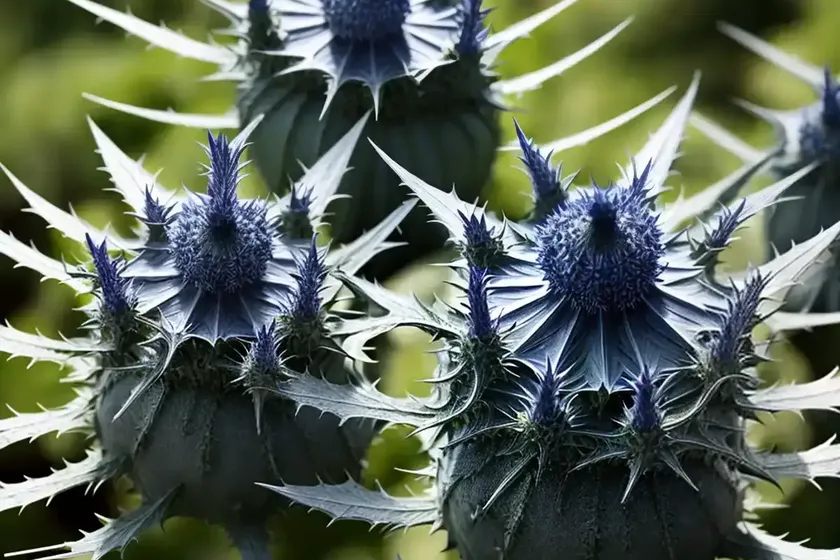
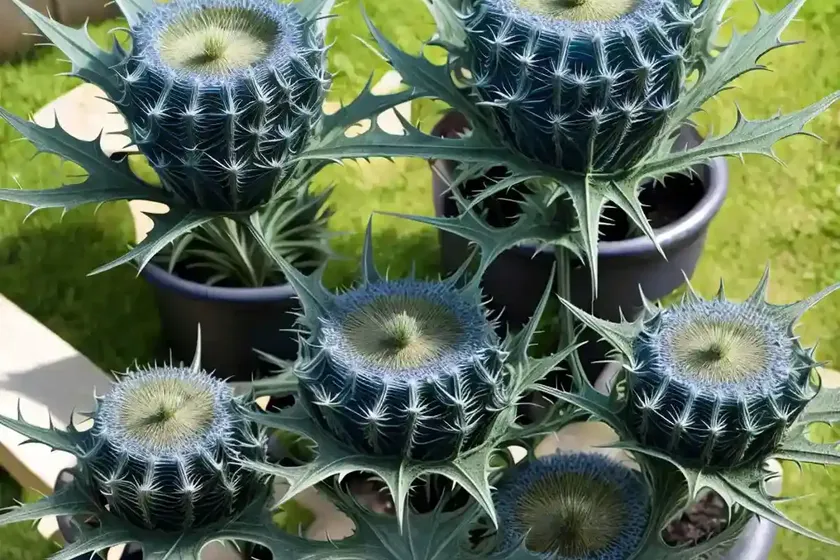
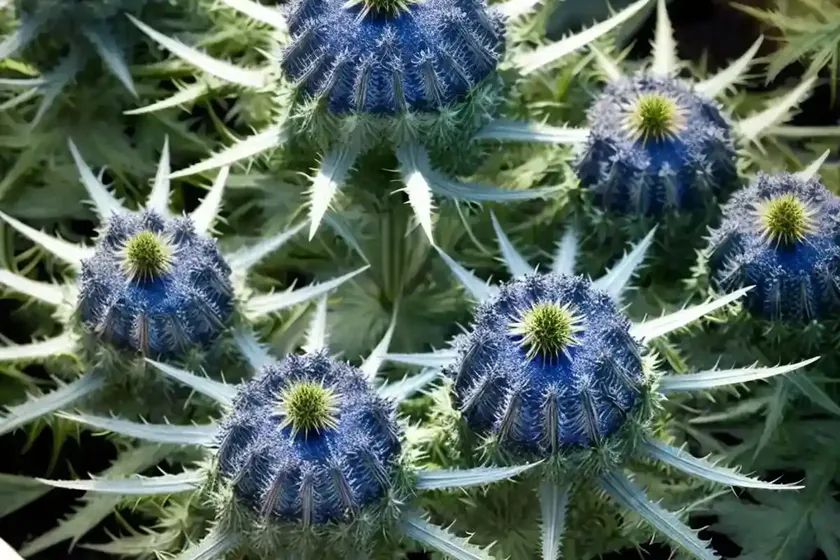
Eryngium x tripartitum, a hybrid of various Eryngium species, is a herbaceous perennial plant that belongs to the Apiaceae family. It is commonly known as Tripartite Sea Holly and is native to Europe and Asia. The plant is characterized by its stunning metallic blue, thistle-like flowers, and spiky, silvery-green foliage. Its unique appearance and hardiness make it a popular choice for gardeners and landscapers seeking to add visual interest and texture to their outdoor spaces.
Eryngium x tripartitum Description
Eryngium x tripartitum is renowned for its striking appearance, featuring:
- Foliage: The plant’s spiky leaves are a silvery-green hue, adding an intriguing texture to the overall appearance.
- Flowers: Tripartite Sea Holly produces cone-shaped, metallic blue flowers with a thistle-like appearance, which are often used in floral arrangements.
Key Takeaways – Eryngium x tripartitum (Tripartite Sea Holly)
Understanding the essential aspects of caring for and cultivating Eryngium x tripartitum can help maximize its potential in various settings. From its cultural requirements to its uses and popular traits, here’s a comprehensive overview of the plant’s key takeaways.
Culture
Successfully cultivating Eryngium x tripartitum requires an understanding of its cultural needs. Consider the following factors when incorporating this distinctive plant into your garden or landscape:
- Soil Preferences: Tripartite Sea Holly thrives in well-drained, sandy loam soil with a relatively neutral pH level.
- Climate Tolerance: It exhibits excellent tolerance to drought and is well-suited to dry, Mediterranean climates.
Uses
Eryngium x tripartitum offers a range of uses, making it a versatile addition to outdoor spaces. Consider incorporating it into your landscape for:
- Ornamental Appeal: The plant’s unique appearance provides visual interest in garden borders, rock gardens, and seaside plantings.
- Floral Arrangements: The metallic blue flowers are sought after for their ornamental value and are often used in floral arrangements and cut flower displays.
Water
Understanding the plant’s water requirements is crucial for promoting healthy growth and blooming. Consider the following watering needs when caring for Eryngium x tripartitum:
- Watering Schedule: While the plant is drought-tolerant once established, it benefits from regular watering during periods of prolonged dryness, especially in hotter climates.
Sunlight
Like many plants, Eryngium x tripartitum relies on appropriate sunlight exposure for optimal growth and flowering. Consider the following sunlight preferences:
- Sun Exposure: Plant Tripartite Sea Holly in a location with full sunlight to partial shade for best results, ensuring at least six hours of direct sun per day.
Fertilizer
To support healthy growth and vibrant blooms, providing the plant with the necessary nutrients is essential. Consider the following fertilizer application guidelines for Eryngium x tripartitum:
- Fertilization Frequency: Apply a balanced, slow-release fertilizer in spring to support the plant’s growth and flowering.
Soil
Understanding the soil requirements and conditions suitable for Eryngium x tripartitum is crucial for establishing a thriving plant. Consider the following soil-related considerations:
- Well-Drained Soil: Plant Tripartite Sea Holly in well-drained, sandy loam soil to prevent waterlogging and promote healthy root development.
Pruning
Pruning plays a vital role in shaping the plant, managing its size, and promoting a tidy appearance. Consider the following pruning tips when caring for Eryngium x tripartitum:
- Spring Pruning: In early spring, remove any dead or damaged foliage to encourage new growth and maintain the plant’s overall health and appearance.
Propagation
Propagating Eryngium x tripartitum allows for the expansion of its presence in a garden or landscape. Consider the following propagation methods for multiplying your Tripartite Sea Holly:
- Division: Divide mature clumps of the plant in spring to create new plants, ensuring each division has both roots and shoots for successful establishment.
Container Popularity
Eryngium x tripartitum’s container-friendly nature makes it an attractive choice for various landscaping and gardening scenarios. Consider the following insights regarding the plant’s performance in containers:
- Container Gardening: Tripartite Sea Holly thrives in containers, adding a unique, spiky texture to patio gardens, balconies, and outdoor living spaces.
Common Diseases
Understanding the potential diseases affecting Eryngium x tripartitum is crucial for implementing preventative strategies and maintaining plant health. Consider the following common diseases to watch for:
- Powdery Mildew: Keep an eye out for powdery mildew, a fungal disease that can affect the plant, especially in humid conditions. Provide ample air circulation to prevent its occurrence.
Disease Diagnosis
Diagnosing diseases promptly allows for timely intervention and the implementation of effective treatment measures. Consider the following disease diagnosis strategies for managing potential issues with Eryngium x tripartitum:
- Visual Inspection: Regularly inspect the plant for any signs of discoloration, wilting, or unusual growth patterns, which may indicate the presence of a disease.
Common Pests
Identifying and managing potential pest infestations is crucial for preserving the health and vitality of Eryngium x tripartitum. Consider the following common pests that may affect Tripartite Sea Holly:
- Aphids: Keep an eye out for aphids, small insects that may cluster on the plant’s foliage and stems, causing damage and affecting overall growth.
Botanist’s Tips
Drawing on expert insights and botanical knowledge can enhance your approach to caring for Eryngium x tripartitum. Consider the following tips from botanists and horticultural experts to optimize the plant’s performance:
- Adequate Drainage: Ensure that the plant’s growing environment provides excellent drainage to prevent waterlogged soil and root rot issues.
Fun Facts
Discovering the unique characteristics and intriguing facts about Eryngium x tripartitum can deepen your appreciation for this remarkable plant. Consider the following fun facts about Tripartite Sea Holly:
- Pollinator Attraction: The plant’s striking flowers attract various pollinators, including bees and butterflies, adding to the garden’s biodiversity.
Links to External Resources
- Royal Horticultural Society – Eryngium x tripartitum
- Missouri Botanical Garden – Eryngium x tripartitum
Stay tuned for Part 2, where we’ll delve deeper into the habitat, blooming period, soil requirements, and more exciting aspects of Eryngium x tripartitum, the captivating Tripartite Sea Holly!