Eryngium Variifolium (Moroccan Sea Holly)
Eryngium variifolium, commonly known as Moroccan Sea Holly, is a unique and visually striking perennial plant that belongs to the Apiaceae family. With its.
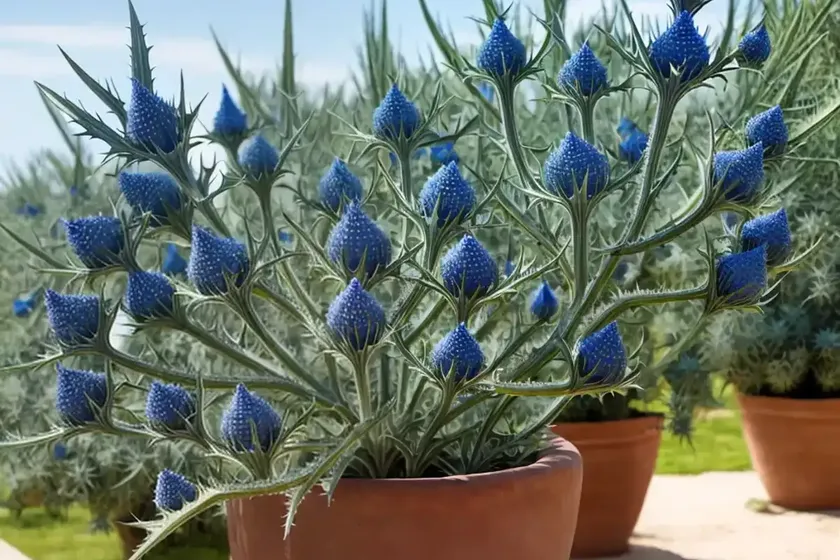
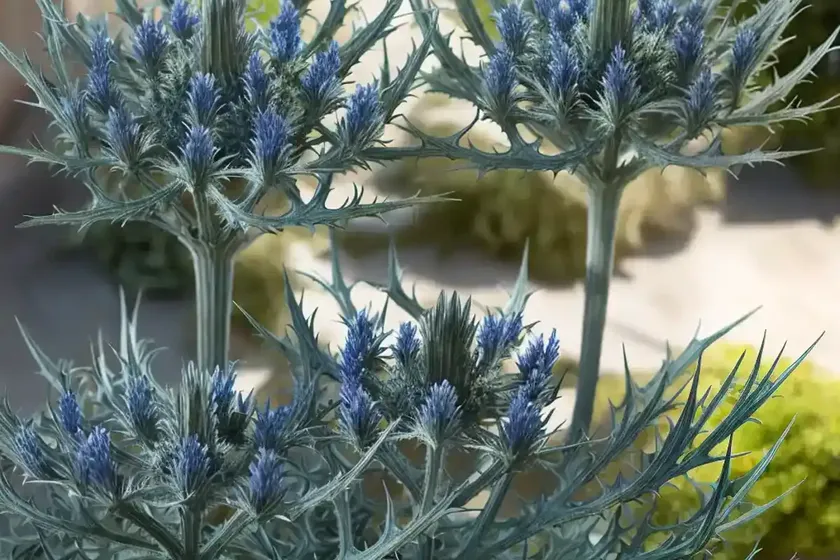
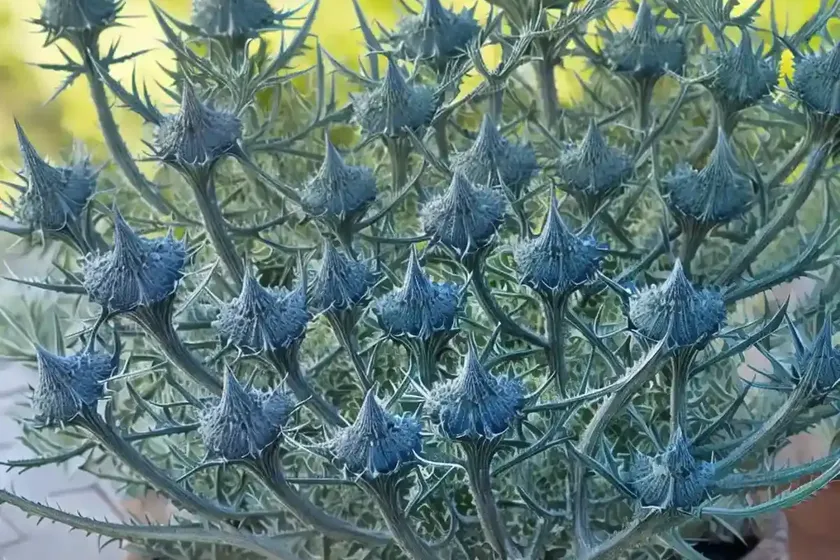
Eryngium variifolium, commonly known as Moroccan Sea Holly, is a unique and visually striking perennial plant that belongs to the Apiaceae family. With its spiny, blue-green foliage and captivating silver-blue flowers, Moroccan Sea Holly is a remarkable addition to any garden or landscape. In this comprehensive guide, we will delve into the characteristics, cultivation, uses, and maintenance of this fascinating plant.
What is Eryngium variifolium (Moroccan Sea Holly)
Eryngium variifolium, also known as Moroccan Sea Holly, is a perennial plant native to Morocco. It is characterized by its distinctive spiky, silver-blue flowers and deeply cut, spiny, blue-green leaves. The plant typically grows in compact clumps and can reach a height of about 12 to 18 inches (30 to 45 cm).
Moroccan Sea Holly is renowned for its tolerance to drought and its ability to thrive in coastal conditions. The unique appearance of its flowerheads and foliage makes it a popular choice for ornamental and landscaping purposes.
Key Takeaways – Eryngium variifolium (Moroccan Sea Holly)
Let’s explore the key takeaways related to the culture, uses, maintenance, and propagation of Eryngium variifolium (Moroccan Sea Holly).
Culture
Moroccan Sea Holly is a versatile plant that can thrive in a variety of environments. Understanding its cultural requirements is essential for successful cultivation.
Water
Eryngium variifolium prefers well-draining soil and does not tolerate excessive moisture. It is important to allow the soil to dry out between watering to prevent waterlogged conditions, which can lead to root rot. Once established, Moroccan Sea Holly exhibits good tolerance to drought and can survive with minimal watering.
Sunlight
This plant thrives in full sun to partial shade. Providing it with adequate sunlight is crucial for promoting healthy growth and vibrant flowering.
Fertilizer
Eryngium variifolium is not a heavy feeder and generally does well without excessive fertilization. Applying a balanced, slow-release fertilizer in spring can support its growth, but it is important to avoid over-fertilizing, which may lead to excessive foliage at the expense of flower production.
Soil
The plant prefers well-draining, sandy or loamy soil with a slightly acidic to neutral pH. Amending heavy clay soils with organic matter can improve drainage and create a more suitable growing environment for Moroccan Sea Holly.
Uses
Moroccan Sea Holly is valued for various purposes, ranging from ornamental landscaping to medicinal and culinary applications.
Pruning
Regular deadheading and light pruning can promote continuous blooming and maintain an attractive appearance.
Propagation
The plant can be propagated from seeds or through division. Both methods have their respective advantages and can be employed to increase the population of Moroccan Sea Holly in a garden or landscape.
Container Popularity
Eryngium variifolium is well-suited for container gardening, adding an exotic touch to patio and balcony settings.
Common Diseases
While relatively resilient, Moroccan Sea Holly may be susceptible to certain diseases, and understanding these potential issues is essential for effective management.
Disease Diagnosis
Identifying symptoms of common plant diseases and addressing them promptly can help maintain the health of Eryngium variifolium.
Common Pests
Various pests may affect Moroccan Sea Holly, and being aware of potential infestations is crucial for proactive pest management.
Botanist’s Tips
Insights from botanists and horticultural experts can offer valuable guidance for successfully growing and caring for Eryngium variifolium.
Fun Facts
Discover interesting and lesser-known facts about Moroccan Sea Holly, adding depth to your appreciation of this captivating plant.
Links to External Resources
Explore the following external resources for additional information on Eryngium variifolium (Moroccan Sea Holly):
- Missouri Botanical Garden – Eryngium variifolium
- Royal Horticultural Society – Eryngium variifolium
- American Horticultural Society – Moroccan Sea Holly
In the subsequent sections, we will delve deeper into the various aspects of Eryngium variifolium, providing comprehensive insights into its characteristics, care tips, cultivation, and more.
Eryngium variifolium, commonly referred to as Moroccan Sea Holly, possesses a unique set of characteristics that make it an intriguing and visually stunning plant. Let’s explore some of its notable features in detail.
Flower Colors
The distinctive flowerheads of Moroccan Sea Holly exhibit captivating silver-blue tones, providing an eye-catching display that adds a touch of elegance to any garden or landscape. These striking blooms are not only visually appealing but also contribute to the plant’s overall allure.
Foliage Characteristics
The foliage of Eryngium variifolium is equally remarkable, featuring deeply cut, spiny, blue-green leaves. The spiky texture and silvery sheen of the foliage create an ornamental effect, adding visual interest and texture to the plant.
Seasonal Blooms
Moroccan Sea Holly typically blooms in the summer months, producing clusters of silver-blue flowerheads that last for an extended period. The seasonal blooms contribute to the plant’s aesthetic appeal and allure, making it a desirable addition to gardens and landscapes seeking vibrant summer color.
Frost Tolerance
Eryngium variifolium exhibits good frost tolerance, allowing it to thrive in cooler climates. Its ability to withstand frost makes it suitable for gardening in regions with varying temperature conditions, adding to its versatility as an ornamental plant.
Sun Exposure
The plant thrives in full sun to partial shade, adapting to a range of light conditions. Its ability to flourish with varying sun exposure makes it a flexible choice for diverse garden settings, from sunny borders to partially shaded areas.
Soil Preferences
Eryngium variifolium prefers well-draining, sandy, or loamy soil with a slightly acidic to neutral pH. Understanding its soil preferences is essential for establishing an optimal growing environment and promoting healthy growth.
Water Requirements
Moroccan Sea Holly exhibits good tolerance to drought and prefers soil that allows excess moisture to drain away. While it is resilient in dry conditions, providing adequate watering during the establishment phase can support its healthy development.
Drought Resistance
This plant’s ability to thrive in dry conditions makes it an excellent choice for water-wise gardening and landscaping. Its drought resistance not only reduces the need for frequent watering but also contributes to its resilience in various environmental settings.
Wildlife Benefits
Eryngium variifolium has the potential to attract pollinators, such as bees and butterflies, with its nectar-rich blooms. Creating a beneficial habitat for wildlife is a valuable attribute, contributing to the ecological significance of Moroccan Sea Holly.
Landscape Borders
Moroccan Sea Holly can be used to create attractive landscape borders, adding texture, color, and visual interest to garden boundaries and pathways. Its striking appearance makes it an appealing choice for delineating garden spaces and enhancing overall design.
Water-Wise Gardening
The plant’s tolerance to drought and its preference for well-draining soil make it suitable for water-wise gardening practices. Incorporating Eryngium variifolium into water-efficient landscapes contributes to sustainable gardening and conservation efforts.
Understanding the essential care tips for Eryngium variifolium (Moroccan Sea Holly) is crucial for promoting its healthy growth and optimal performance in garden settings. By adhering to these recommendations, you can ensure that the plant thrives and continues to exhibit its captivating characteristics.
Growing Moroccan Sea Holly
When cultivating Moroccan Sea Holly, ensure that the plant receives adequate sunlight, preferably in a location with full sun to partial shade. Proper sun exposure is essential for promoting robust growth and vibrant flowering. Additionally, plant Eryngium variifolium in well-draining soil to prevent waterlogged conditions, as the plant is susceptible to root rot in excessively moist environments.
Moroccan Sea Holly Plant Information
Gathering comprehensive plant information about Eryngium variifolium enables you to make informed decisions about its placement, care, and maintenance. Consider factors such as its water requirements, sun exposure preferences, and soil preferences to create a suitable environment for the plant to thrive.
Eryngium variifolium Varieties
Explore the different varieties of Eryngium variifolium to discover a range of options that may offer unique characteristics and visual appeal. Consider incorporating various varieties into your garden to create diverse displays and add depth to your landscape design.
Moroccan Sea Holly Planting Guide
Follow a planting guide to ensure that Eryngium variifolium is installed in an appropriate manner, taking into account factors such as soil preparation, watering practices, and spacing requirements. A well-executed planting process sets the foundation for the plant’s long-term health and vitality.
Moroccan Sea Holly for Landscaping
Utilize Moroccan Sea Holly in landscaping projects to introduce its distinctive appearance and textural interest to garden settings. Consider incorporating it into border plantings, rock gardens, or mixed perennial beds to enhance the overall visual appeal of the landscape.
Eryngium variifolium Medicinal Uses
Explore the potential medicinal uses of Moroccan Sea Holly, leveraging its unique properties for traditional or alternative health purposes. Research the historical and contemporary applications of the plant to gain insights into its medicinal potential.
Moroccan Sea Holly Propagation Methods
Discover the most effective propagation methods for Eryngium variifolium, whether through seeds or division. By understanding the propagation process, you can expand the presence of Moroccan Sea Holly in your garden and share its beauty with others.
Moroccan Sea Holly Native Habitat
Understanding the native habitat of Eryngium variifolium provides valuable context for its cultural requirements and ecological significance. Consider the plant’s origins when creating an environment that mirrors its preferred growing conditions.
In the subsequent sections, we will continue to explore essential care tips and detailed insights to support the successful cultivation and maintenance of Moroccan Sea Holly.