Eryngium Planum ‘Blue Hobbit’ (Sea Holly)
Eryngium Planum ‘Blue Hobbit’, commonly known as Sea Holly, is a striking and unique perennial plant that belongs to the Apiaceae family. This plant.
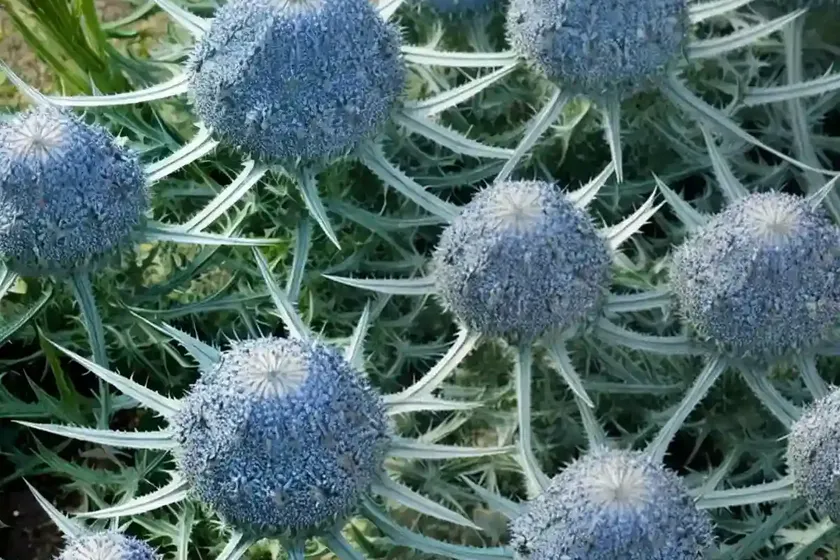
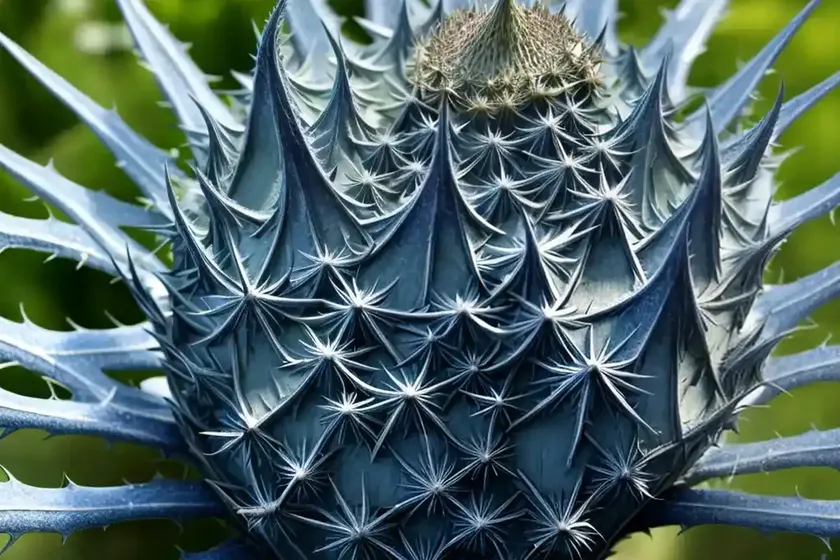
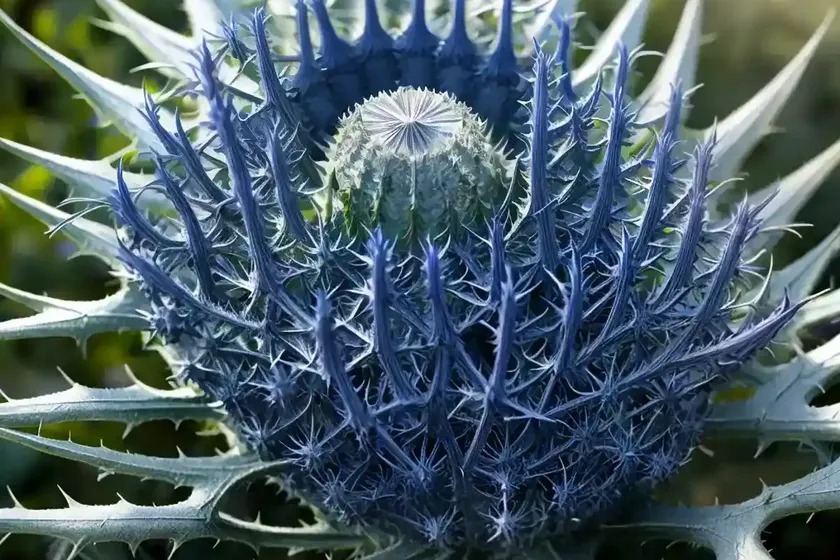
Eryngium Planum ‘Blue Hobbit’, commonly known as Sea Holly, is a striking and unique perennial plant that belongs to the Apiaceae family. This plant species is native to the coastal regions of Europe and is well-loved for its spiky, silver-blue bracts and stunning, cone-shaped blue flowers. The ‘Blue Hobbit’ variety is a compact and dwarf form of the Sea Holly, making it an excellent choice for container gardens, rock gardens, or mixed flower beds.
Key Takeaways – Eryngium Planum ‘Blue Hobbit’ (Sea Holly)
Before delving into the details of the care and cultivation of Eryngium Planum ‘Blue Hobbit’, it’s important to understand some key takeaways about this fascinating plant:
- Scientific Name: Eryngium planum ‘Blue Hobbit’
- Common Name: Sea Holly
- Family: Apiaceae
- Plant Type: Perennial
- Flower Color: Blue
- Foliage: Silver-blue, spiky bracts
- Height: 12-18 inches
- Spread: 12-18 inches
- Hardiness: USDA zones 4-9
- Best Suited For: Container gardening, coastal gardens, and borders
- Special Characteristics: Drought-tolerant, deer resistant
Now that we have an overview of Eryngium Planum ‘Blue Hobbit’, let’s dive into the specifics of its care and cultivation.
Uses
Eryngium Planum ‘Blue Hobbit’ holds a special place in the world of gardening and landscaping. Its unique characteristics and visual appeal make it a versatile plant with a range of uses, including:
- Ornamental Feature: The spiky, silvery-blue bracts and striking blue flowers make ‘Blue Hobbit’ an excellent choice for adding visual interest to gardens and landscapes.
- Cut Flower: The long-lasting blooms of Sea Holly make it a popular choice for cut flower arrangements, adding an exotic and textural element to floral displays.
- Wildlife Attraction: The flowers of Eryngium Planum are highly attractive to pollinators, such as bees and butterflies, making it a valuable addition to wildlife-friendly gardens.
Sea Holly is also prized for its potential medicinal and culinary uses, which we will explore in more detail in the subsequent sections.
Water
Eryngium Planum ‘Blue Hobbit’ is a plant that thrives in well-drained soil and is remarkably drought-tolerant once established. It is essential to water newly planted Sea Holly regularly to help the plant establish a strong root system. After the establishment phase, the plant typically requires minimal supplemental watering, making it an excellent choice for water-wise gardening and low-maintenance landscapes.
Sunlight
Sea Holly flourishes in full sun to partial shade, making it a fantastic choice for sunny borders and rock gardens. In warmer climates, providing some afternoon shade can be beneficial for preventing excessive wilting during the hottest part of the day.
Fertilizer
Eryngium Planum ‘Blue Hobbit’ is not particularly demanding when it comes to fertilization. A light application of a balanced, slow-release fertilizer in the spring is usually sufficient to support healthy growth and blooming. It’s essential to avoid over-fertilizing Sea Holly, as excessive nitrogen can lead to overly lush foliage at the expense of flower production.
Soil
Well-drained, sandy, or gritty soil is ideal for cultivating Eryngium Planum ‘Blue Hobbit’, as it mimics the natural coastal habitats that the plant thrives in. Amending the soil with organic matter can improve its texture and drainage, promoting optimal growth and longevity of the plant.
Pruning
Pruning Sea Holly is relatively low-maintenance, primarily involving the removal of spent flower stalks to encourage continuous blooming and the maintenance of the plant’s compact, tidy appearance. In late fall or early spring, cutting back the foliage helps rejuvenate the plant for the upcoming growing season.
Propagation
Eryngium Planum ‘Blue Hobbit’ can be propagated from seeds or through division. Sowing seeds in the early spring or autumn can yield new plants, while division of mature clumps can be performed in the spring to create multiple plantings. Additionally, taking softwood cuttings in the summer can be a successful method of propagation for Sea Holly.
Container Popularity
The compact and dwarf nature of Eryngium Planum ‘Blue Hobbit’ makes it a popular choice for container gardening. The striking appearance of Sea Holly adds a unique visual element to containers and can be combined with other drought-tolerant and sun-loving plants to create beautiful and low-maintenance displays.
Common Diseases
Eryngium Planum ‘Blue Hobbit’ is relatively resistant to diseases, particularly when grown in well-drained soil and provided with proper air circulation. However, it is essential to monitor for signs of root rot, which can occur in excessively wet conditions. Aerating the soil and ensuring proper drainage can help prevent this issue.
Disease Diagnosis
Diagnosing diseases in Sea Holly primarily involves monitoring the plant for symptoms such as wilting, yellowing foliage, or signs of fungal infection. Providing the plant with optimal growing conditions and promptly addressing any issues with drainage or watering can help prevent and mitigate potential diseases.
Common Pests
Sea Holly is known for its resistance to many common pests due to its spiky texture and aromatic foliage. However, it can occasionally be targeted by pests such as aphids, spider mites, and caterpillars. Regular monitoring of the plant and the use of natural predators or targeted treatments can effectively manage pest infestations.
Botanist’s Tips
As a plant scientist, I would like to offer some additional tips for successfully cultivating Eryngium Planum ‘Blue Hobbit’:
- Beneficial Insects: Encouraging beneficial insects, such as ladybugs and predatory wasps, in the garden can help naturally manage pest populations and support a healthy ecosystem.
- Mulching: Applying a layer of organic mulch around the base of Sea Holly can help conserve soil moisture, regulate soil temperature, and suppress weed growth.
- Companion Planting: Pairing Sea Holly with other drought-tolerant and sun-loving plants, such as lavender, sedum, or ornamental grasses, can create visually stunning and harmonious garden compositions.
Fun Facts
- The name “Eryngium” is derived from the Greek word “eryngion,” which refers to a type of thistle.
- Sea Holly has been used in traditional medicine for its diuretic and anti-inflammatory properties.
- The striking blue color of Sea Holly flowers makes them a favorite among floral designers for adding a unique touch to arrangements.
By integrating these tips and insights into your care and cultivation of Sea Holly, you can enjoy the beauty and resilience of this exceptional plant.
To further enhance your understanding and appreciation of Eryngium Planum ‘Blue Hobbit’ (Sea Holly), I recommend exploring the following external resources:
- The Royal Horticultural Society – Eryngium Planum
- University of Vermont Extension – Eryngium Planum
- Missouri Botanical Garden – Eryngium Planum
By exploring these resources, you can access valuable insights and information from trusted sources to support your journey in successfully caring for and appreciating the beauty of Eryngium Planum ‘Blue Hobbit’ (Sea Holly).
In conclusion, Eryngium Planum ‘Blue Hobbit’ (Sea Holly) stands out as a distinctive and resilient plant that offers an array of ornamental, ecological, and cultural values. By carefully considering its culture, uses, common diseases, and pests, as well as leveraging insights from botanists, fun facts, and external resources, you can enhance your ability to cultivate, appreciate, and enjoy the remarkable beauty of Sea Holly in your garden and landscape.
Remember, Sea Holly’s captivating silver-blue bracts and striking blue flowers are more than just ornamental; they represent a resilient and versatile botanical treasure that enriches our natural and cultivated landscapes.