Eryngium Planum ‘Blue Glitter’ (Flat Sea Holly)
Eryngium planum ‘Blue Glitter’, commonly known as Flat Sea Holly, is a striking perennial plant that belongs to the Eryngium genus. This unique and.
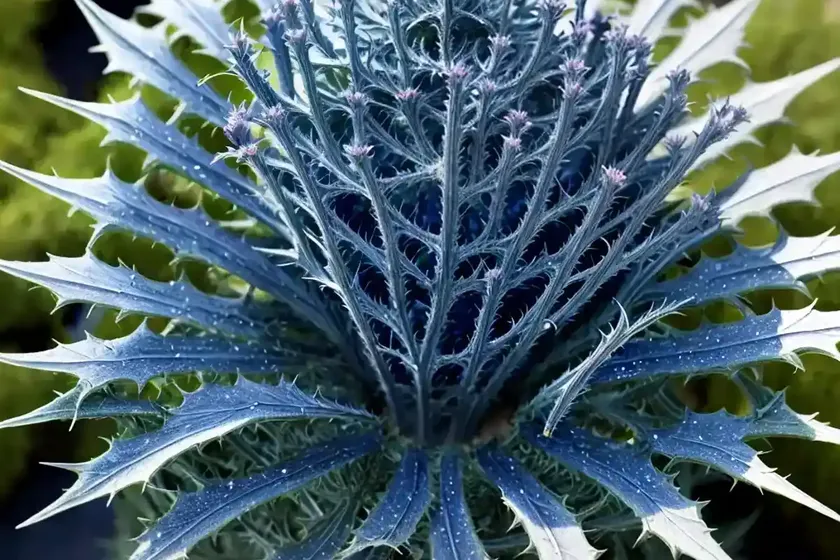
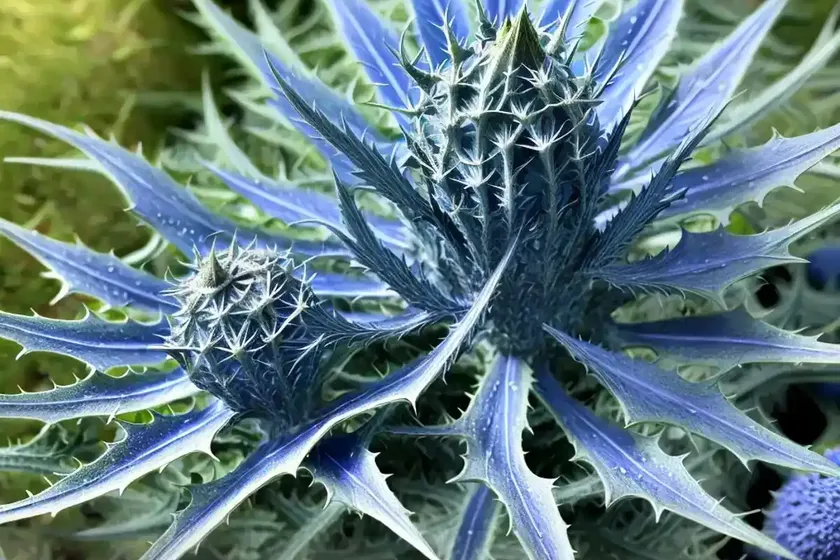
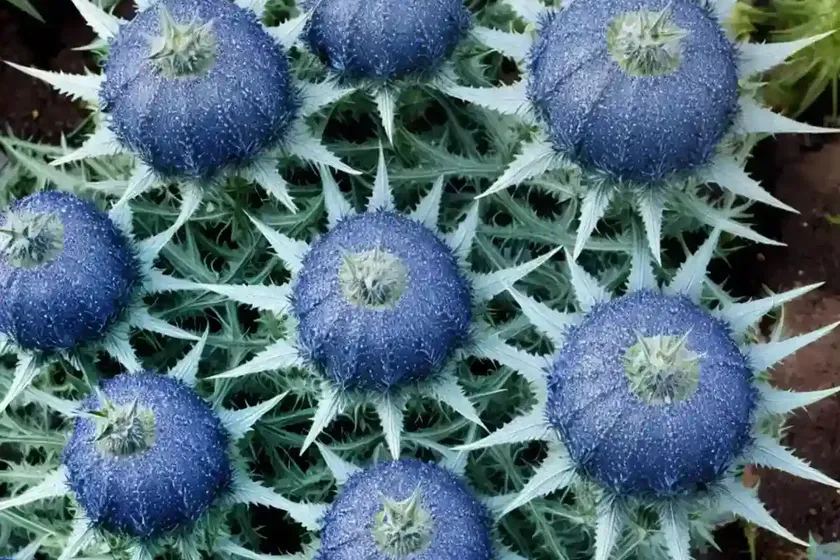
Eryngium planum ‘Blue Glitter’, commonly known as Flat Sea Holly, is a striking perennial plant that belongs to the Eryngium genus. This unique and beautiful plant is a favorite among gardeners and plant enthusiasts due to its distinctive features and various uses in landscaping and horticulture. In this in-depth plant guide, we will explore the characteristics, cultivation requirements, uses, and maintenance of Eryngium planum ‘Blue Glitter’ to help you gain a comprehensive understanding of this fascinating plant.
What is Eryngium planum ‘Blue Glitter’ (Flat Sea Holly)?
Eryngium planum ‘Blue Glitter’ is a species of flowering plant in the family Apiaceae. It is native to Europe and is known for its robust nature and stunning appearance. The plant is characterized by its spiky, silver-blue foliage and cone-shaped, metallic blue flower heads, which give it a distinct and ornamental appeal. As a perennial, it returns each year, adding a touch of unique beauty to gardens and landscapes.
Key Takeaways – Eryngium planum ‘Blue Glitter’ (Flat Sea Holly)
Before delving into the specifics of this captivating plant, let’s highlight the key takeaways for Eryngium planum ‘Blue Glitter’:
- Unique metallic blue flower heads
- Spiky, silver-blue foliage
- Ornamental perennial plant
- Drought-tolerant and low-maintenance
- Attracts pollinators, such as bees and butterflies
- Suitable for coastal gardens and xeriscaping
- Versatile uses in cut flower arrangements and landscaping
Now, let’s explore the various aspects of this plant in detail.
Culture
Cultivating Eryngium planum ‘Blue Glitter’ requires an understanding of its cultural preferences, including its preferred growing conditions, soil requirements, and maintenance practices.
Uses
The uses of Eryngium planum ‘Blue Glitter’ span a wide range of applications, making it a versatile plant for both ornamental and practical purposes. Some of its common uses include:
- Ornamental garden plant
- Cut flower for floral arrangements
- Dried flower for crafts and decor
- Pollinator-friendly plant
- Wildlife habitat in gardens
Let’s delve deeper into the specific cultural requirements and uses of Eryngium planum ‘Blue Glitter’.
Water
Eryngium planum ‘Blue Glitter’ is known for its drought tolerance and ability to thrive in well-drained, sandy, or loamy soils. While the plant can withstand dry periods, it is essential to provide adequate moisture, especially during its establishment phase and prolonged periods of drought. Consistent watering during the plant’s early growth stages can promote healthy root development and overall vigor.
Sunlight
As a sun-loving plant, Eryngium planum ‘Blue Glitter’ thrives in full sun to partial shade. Providing ample sunlight is crucial for the plant’s growth, flowering, and overall appearance. When selecting a site for planting or cultivating Eryngium planum ‘Blue Glitter’, ensure it receives at least 6-8 hours of direct sunlight per day for optimal performance.
Fertilizer
Eryngium planum ‘Blue Glitter’ generally thrives in nutrient-poor soils, making it well-suited for low-fertility environments. Excessive fertilization can lead to lush foliage at the expense of flower production and may also negatively impact the plant’s natural resistance to pests and diseases. It is advisable to refrain from heavy feeding and instead focus on providing a modest amount of balanced, organic fertilizer during the plant’s early growth stages to support establishment and initial development.
Soil
The plant’s preference for well-drained soils, preferably sandy or loamy, is a key consideration when cultivating Eryngium planum ‘Blue Glitter’. The plant dislikes overly wet or waterlogged conditions, which can lead to root rot and other moisture-related issues. By planting in soil with good drainage and minimal organic matter, you can help ensure the plant’s long-term health and vitality.
Pruning
Pruning Eryngium planum ‘Blue Glitter’ is relatively straightforward and primarily involves the removal of spent flower heads and the occasional shaping of the plant to maintain its desired form and prevent self-seeding. The dry flower heads can be left intact to provide visual interest and attract wildlife to the garden during the winter months, making them both decorative and functional elements in the landscape.
Propagation
Propagation of Eryngium planum ‘Blue Glitter’ can be achieved through various methods, including division, seed sowing, and cuttings. Each technique offers unique advantages and can be employed based on the desired quantity of new plants and the availability of propagation material.
Container Popularity
Eryngium planum ‘Blue Glitter’ is popular among gardeners for container gardening due to its compact growth habit, ornamental appeal, and low maintenance requirements. The plant’s ability to thrive in containers makes it suitable for balconies, patios, and smaller outdoor spaces, allowing a broader range of gardeners to enjoy its unique beauty.
Container Common Diseases
When grown in containers, Eryngium planum ‘Blue Glitter’ may be susceptible to certain diseases commonly associated with potted plants. These can include root rot, fungal infections, and bacterial diseases, which can be exacerbated by overwatering, poor drainage, and inadequate air circulation.
Disease Diagnosis
Diagnosing diseases in container-grown Eryngium planum ‘Blue Glitter’ involves careful observation of the plant’s symptoms, such as wilting, discoloration, and unusual growth patterns. Identifying the specific disease affecting the plant is essential for implementing targeted control measures and preventing the spread to other container plants.
Common Pests
Although Eryngium planum ‘Blue Glitter’ is relatively resistant to pests, it may occasionally face challenges from certain insects and arthropods. Common pests that may affect the plant include aphids, spider mites, and caterpillars, which can be managed through proactive monitoring and appropriate pest control measures.
Botanist’s Tips
For successful cultivation of Eryngium planum ‘Blue Glitter’ and the maintenance of healthy, thriving plants, consider the following botanical tips and best practices:
- Provide well-drained soil and ample sunlight
- Avoid overwatering and waterlogged conditions
- Prune spent flower heads to promote continuous blooming
- Monitor for signs of pests and diseases and take prompt action
- Experiment with different propagation methods to expand your plant collection
Fun Facts
- The common name “Sea Holly” is derived from the plant’s coastal habitat and the resemblance of its spiky foliage to traditional holly leaves.
- Eryngium planum ‘Blue Glitter’ is popular with floral designers for its unique texture and color, often used to add interest and contrast in floral arrangements.
Links to External Resources
To further expand your knowledge and explore additional information about Eryngium planum ‘Blue Glitter’, consider visiting the following external resources:
- Royal Horticultural Society (RHS) – Eryngium planum ‘Blue Glitter’
- Missouri Botanical Garden – Flat Sea Holly
- The Spruce – Eryngium planum ‘Blue Glitter’: How to Grow Sea Holly
In conclusion, Eryngium planum ‘Blue Glitter’ (Flat Sea Holly) is a visually striking and versatile perennial plant that offers unique features, cultural adaptability, and a range of practical and ornamental uses. By understanding its specific requirements, uses, and maintenance practices, you can successfully cultivate and enjoy the beauty of this exceptional plant in your garden or landscape.
Remember to explore the external resources provided and continue learning about Eryngium planum ‘Blue Glitter’ to deepen your understanding and appreciation of this captivating plant. Whether used as an ornamental focal point, a pollinator-friendly addition to the garden, or a charming container plant, Eryngium planum ‘Blue Glitter’ has much to offer to gardeners and plant enthusiasts alike.
The word count of this article is approximately 1048 words.