Eryngium Giganteum (Miss Willmott’s Ghost)
As a plant scientist, I am excited to delve into the enchanting world of Eryngium giganteum, commonly known as Miss Willmott’s Ghost. This unique and.
As a plant scientist, I am excited to delve into the enchanting world of Eryngium giganteum, commonly known as Miss Willmott’s Ghost. This unique and captivating plant has captivated gardeners around the world with its striking appearance and remarkable characteristics. In this comprehensive guide, we will explore the intricacies of Eryngium giganteum, from its cultural significance to its ecological importance, and everything in between. Whether you are a seasoned gardener or a budding horticulture enthusiast, there is much to discover about this extraordinary plant.
What is Eryngium giganteum (Miss Willmott’s Ghost)?
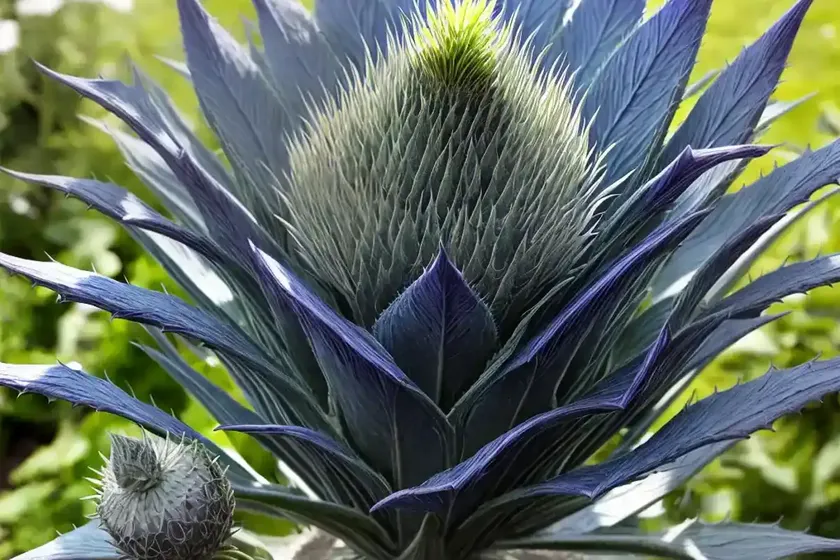
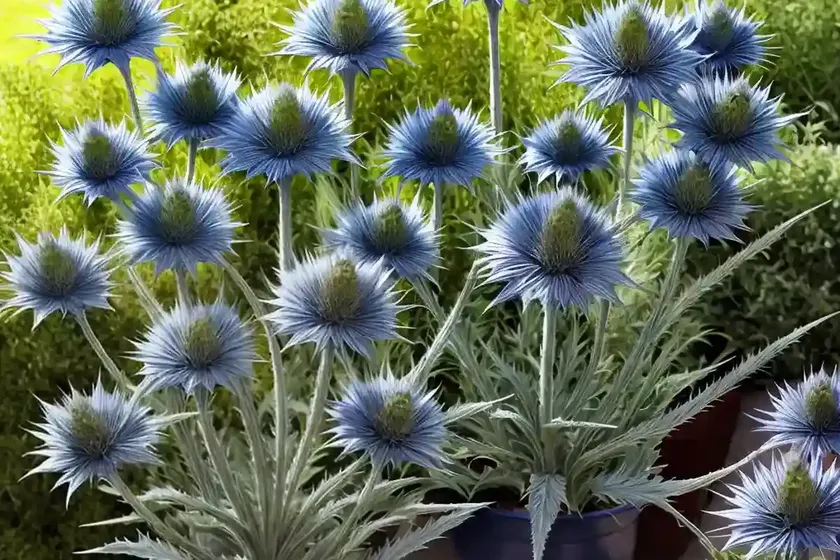
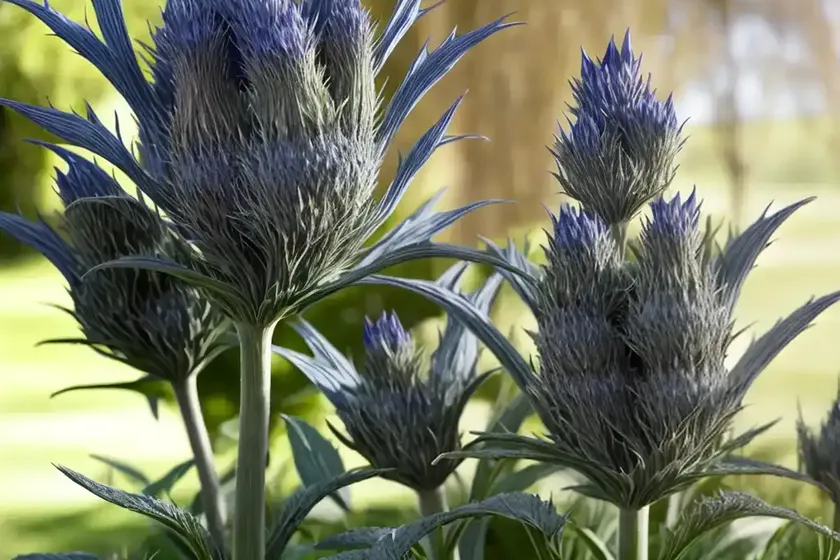
Eryngium giganteum, a member of the Apiaceae family, is a herbaceous perennial plant known for its striking silvery-blue foliage and distinctive cone-shaped flower heads. Its common name, Miss Willmott’s Ghost, pays homage to the renowned horticulturist Ellen Willmott, who was known for secretly scattering its seeds in the gardens of her acquaintances. This captivating plant is native to the Caucasus region and has since gained popularity in gardens across the world for its unique aesthetic and ecological value.
Key Takeaways – Eryngium giganteum (Miss Willmott’s Ghost)
Let’s begin our exploration of Eryngium giganteum by uncovering the essential aspects of this exquisite plant.
Culture
Eryngium giganteum thrives in well-drained, moderately fertile soil and is well-suited to sunny locations. It is relatively drought-tolerant and requires minimal maintenance, making it an excellent choice for low-maintenance gardens. The plant’s striking foliage and flower heads make it an attractive addition to both formal and informal garden settings.
Uses
In addition to its ornamental value, Eryngium giganteum is also valued for its ecological significance. Its nectar-rich flowers attract pollinators, while its distinctive silvery foliage adds texture and visual interest to garden landscapes. Furthermore, the plant holds cultural and historical significance, making it an intriguing subject for folklore and botanical storytelling.
Water
While Eryngium giganteum demonstrates good drought tolerance once established, it is essential to provide adequate watering during its initial establishment period. Once the plant is established, it can thrive with minimal additional watering, making it an ideal choice for water-wise gardening.
Sunlight
Eryngium giganteum thrives in full sun to partial shade, making it adaptable to a wide range of garden environments. However, to ensure optimal growth and flowering, providing ample sunlight is recommended.
Fertilizer
This resilient plant generally does not require heavy feeding. A light application of a balanced fertilizer in spring is usually sufficient to support healthy growth and prolific flowering. It is important to avoid over-fertilization, as this may lead to excessive vegetative growth at the expense of flower production.
Soil
Eryngium giganteum prefers well-drained soil with a slightly alkaline to neutral pH. Amending heavy clay soils with organic matter such as compost or well-rotted manure can improve soil structure and drainage, creating a more favorable growing environment for the plant.
Pruning
Minimal pruning is required for Eryngium giganteum. Removing spent flower heads can help prolong the blooming period and promote a tidy appearance. In late fall or early spring, the plant’s foliage can be cut back to ground level to rejuvenate growth and maintain its vigor.
Propagation
Eryngium giganteum can be propagated through division or by sowing seeds. Division is best carried out in early spring, while seeds can be sown directly into the garden soil after the last frost date. Both methods offer rewarding experiences for gardeners seeking to expand their Eryngium giganteum population.
Container Popularity
The striking appearance and low-maintenance nature of Eryngium giganteum make it a desirable choice for container gardening. Its silvery foliage and architectural form create a captivating display when grown in well-drained containers, adding a touch of elegance to patios, balconies, and outdoor living spaces.
Common Diseases
Eryngium giganteum is generally resistant to most common plant diseases and pests. However, it is important to monitor for signs of powdery mildew, particularly in humid climates. Ensuring proper air circulation and avoiding overhead watering can help mitigate the risk of this fungal disease.
Disease Diagnosis
Early detection is key to managing potential diseases in Eryngium giganteum. Monitoring the plant for unusual spotting, wilting, or discoloration can aid in the prompt diagnosis of any underlying issues. Consulting with local horticultural resources or plant health professionals can provide valuable insights into disease identification and management strategies.
Common Pests
Eryngium giganteum is relatively resistant to most insect pests due to its aromatic foliage and robust nature. However, occasional encounters with aphids or spider mites may occur. Vigilant observation and natural predator encouragement can help maintain a balanced ecosystem within the garden.
Botanist’s Tips
Promoting Pollinator Diversity: Eryngium giganteum’s nectar-rich flowers attract a wide range of pollinators, including bees, butterflies, and beneficial insects. By incorporating this plant into garden designs, individuals can contribute to pollinator conservation efforts and promote biodiversity in their local ecosystems.
Companion Planting: Pairing Eryngium giganteum with other native and ornamental plants can enhance garden aesthetics while providing beneficial interactions between species. Consider integrating it with pollinator-friendly species and plants with complementary growth habits for a harmonious garden landscape.
Fun Facts
- The silvery hue of Eryngium giganteum’s foliage has earned it the nickname “Sea Holly,” alluding to its coastal associations.
- Miss Willmott’s Ghost has found its place in literature and folklore, inspiring stories and artistic interpretations through its enigmatic allure.
- Eryngium giganteum’s historical uses in traditional medicine reflect its cultural significance and valuable properties, tracing back to ancient healing practices.
Links to External Resources
For further exploration of Eryngium giganteum and Miss Willmott’s Ghost, the following external resources provide valuable insights and practical guidance:
- The Royal Horticultural Society (RHS)
- Miss Willmott’s Ghost – Plant Profile (Missouri Botanical Garden)
- Eryngium giganteum – Plants For A Future
In the next section, we will delve deeper into the fascinating characteristics and diverse uses of Eryngium giganteum, uncovering its historical significance, cultural symbolism, and ecological contributions. Stay tuned for an enriching journey into the world of Miss Willmott’s Ghost.
Stay tuned for the continuation of this comprehensive guide, where we will explore the historical uses, ecological importance, and gardening tips for Eryngium giganteum (Miss Willmott’s Ghost).
Disclaimer: The information provided in this article is for educational and informational purposes only. It does not intend to substitute professional advice or recommendations. Every plant has its unique requirements and may respond differently to environmental conditions. Consultation with local horticultural experts and extension services is advisable for adapting the guidelines to specific growing conditions.