Erigeron Karvinskianus (Mexican Daisy)
Erigeron karvinskianus, commonly known as Mexican Daisy or Mexican Fleabane, is a charming and versatile plant that holds a special place in the hearts of.
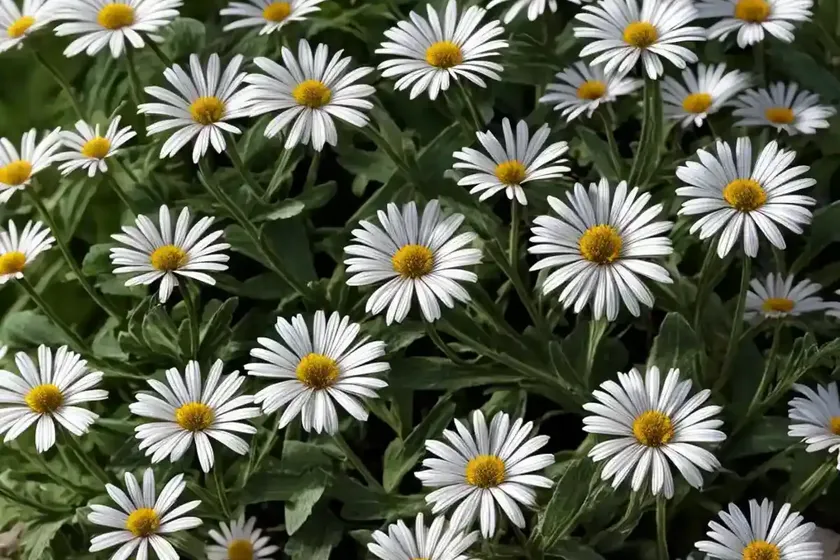
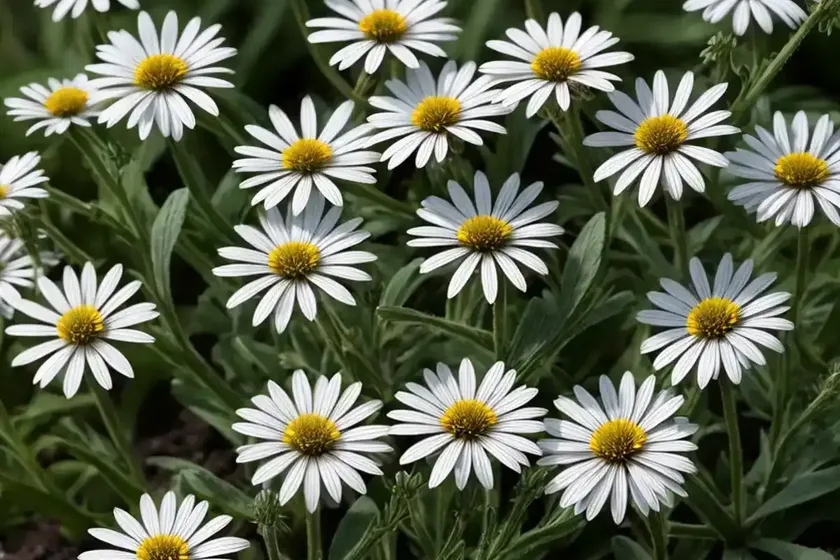
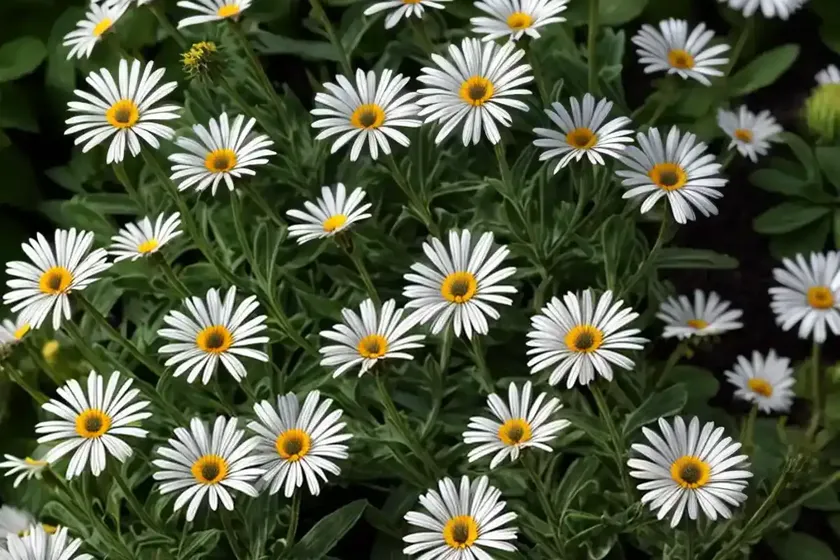
Erigeron karvinskianus, commonly known as Mexican Daisy or Mexican Fleabane, is a charming and versatile plant that holds a special place in the hearts of gardeners and plant enthusiasts. With its delicate daisy-like flowers and low-maintenance nature, this plant has become a favorite for various landscaping and gardening purposes. In this comprehensive guide, we will explore the various aspects of Erigeron karvinskianus, including its culture, uses, care requirements, and much more.
What Is Erigeron karvinskianus (Mexican Daisy)?
Erigeron karvinskianus, a member of the Asteraceae family, is a herbaceous perennial plant native to Mexico and parts of South America. It is characterized by its profusion of small, daisy-like white and pink flowers that bloom continuously from spring through fall. The plant’s mounding, spreading growth habit makes it an excellent choice for ground cover, rock gardens, and container gardening.
Key Takeaways – Erigeron karvinskianus (Mexican Daisy)
Before delving into the specifics of growing and caring for Erigeron karvinskianus, let’s highlight some key takeaways about this delightful plant.
- Botanical Name: Erigeron karvinskianus
- Common Names: Mexican Daisy, Mexican Fleabane
- Plant Type: Perennial
- Flower Color: White with pink undertones
- Growth Habit: Spreading, mounding
- Uses: Ground cover, rock gardens, containers, borders, edging
- Special Features: Drought tolerant, attracts pollinators, low maintenance
Now that we have a brief overview of this plant, let’s explore the various aspects of its culture, uses, and care requirements.
Culture of Erigeron karvinskianus (Mexican Daisy)
Understanding the cultural preferences and requirements of a plant is crucial for its successful growth and development. Erigeron karvinskianus has specific needs in terms of water, sunlight, soil, and overall care. Let’s delve into each of these factors in detail.
Water
Mexican Daisy is known for its exceptional drought tolerance once established. However, during the initial stages of growth and in periods of prolonged drought, it benefits from regular watering. It is essential to allow the soil to dry slightly between watering sessions to prevent waterlogged conditions, which can lead to root rot.
Sunlight
Erigeron karvinskianus thrives in full sun to partial shade. In regions with intense summer heat, providing some afternoon shade can help protect the plant from excessive heat and sunburn. Adequate sunlight is crucial for promoting the plant’s prolific flowering and maintaining its compact growth habit.
Soil
This plant prefers well-draining soil with a slightly acidic to neutral pH. It can adapt to various soil types, including sandy, loamy, or rocky soils. Amending the soil with organic matter can improve its texture and fertility, promoting healthy growth and blooming.
Fertilizer
Mexican Daisy is not particularly demanding when it comes to fertilizer. A balanced, slow-release fertilizer applied in the spring can provide the necessary nutrients for vigorous growth and abundant flowering. However, it is essential not to over-fertilize, as this can lead to excessive foliage at the expense of flowers.
Pruning
Pruning Mexican Daisy is a simple task that primarily involves deadheading spent flowers to encourage continuous blooming. In late winter or early spring, the plant can be cut back to remove any overgrown or leggy growth, promoting a more compact and tidy appearance.
Propagation of Erigeron karvinskianus (Mexican Daisy)
Propagating Erigeron karvinskianus is relatively straightforward, and it can be accomplished through several methods, including division, stem cuttings, and seed propagation.
Division
Dividing established clumps of Mexican Daisy is an effective way to create new plants. This can be done in early spring by carefully lifting the plant, dividing the root ball into sections, and replanting the divisions in suitable locations.
Stem Cuttings
Taking stem cuttings from healthy, non-flowering shoots is another viable method of propagation. By placing the cuttings in a well-draining rooting medium and providing appropriate moisture and warmth, they can develop roots within a few weeks.
Seeds
Erigeron karvinskianus produces seeds that can be collected from spent flowers. Sowing the seeds in a seed-starting mix and maintaining consistent moisture and warmth can result in successful germination. As the seedlings mature, they can be transplanted to their permanent growing sites.
Container Cultivation and Popularity
The adaptability and ornamental appeal of Erigeron karvinskianus make it an excellent choice for container cultivation. Its trailing growth habit and profusion of flowers add a charming touch to containers and hanging baskets. Whether utilized as a standalone feature or combined with other complementary plants, Mexican Daisy brings a cheerful and vibrant element to container gardens.
Container Growing Tips
- Select a well-draining pot that is slightly larger than the plant’s current root system.
- Use a high-quality potting mix that provides adequate aeration and drainage.
- Water container-grown Mexican Daisy as needed to maintain even soil moisture, adjusting the frequency based on environmental conditions and the plant’s growth stage.
- Ensure that the container receives sufficient sunlight, as this is crucial for promoting flowering and healthy growth.
The popularity of Erigeron karvinskianus in container gardens stems from its versatility and ability to thrive in confined spaces. Gardeners and landscapers appreciate its low maintenance and long-lasting flowering, making it a sought-after choice for various pot and container arrangements.
Common Diseases and Disease Diagnosis
While Mexican Daisy is relatively resistant to diseases, it can occasionally be affected by certain issues that impact its overall health and appearance. Understanding common diseases and their symptoms is essential for prompt intervention and management.
Common Diseases
- Powdery Mildew: This fungal disease manifests as a powdery white coating on the leaves and stems, often leading to stunted growth and decreased flowering.
- Root Rot: Excessive soil moisture and poor drainage can lead to root rot, causing the plant to wilt, develop yellowing foliage, and experience overall decline.
- Leaf Spot: Characterized by the appearance of dark spots or lesions on the foliage, leaf spot can be caused by various fungal pathogens and, in severe cases, lead to defoliation.
Disease Diagnosis
When observing potential signs of disease on Mexican Daisy, it is crucial to accurately diagnose the issue to implement effective control measures. Key steps in disease diagnosis include:
- Thoroughly examining the plant for symptoms such as unusual spots, discoloration, or abnormal growth.
- Identifying potential causes, such as overwatering, poor air circulation, or environmental stressors.
- Seeking professional assistance or utilizing diagnostic resources to confirm the presence of a specific disease and determine the most suitable treatment approach.
Common Pests and Pest Management
In addition to being susceptible to certain diseases, Erigeron karvinskianus can be targeted by various pests that pose a threat to its health and vigor. Vigilant monitoring and proactive pest management are essential for preserving the plant’s vitality.
Common Pests
- Aphids: These small, sap-sucking insects can cluster on the tender new growth of Mexican Daisy, leading to distorted leaves and reduced plant vigor.
- Spider Mites: These tiny arachnids can cause stippling and webbing on the foliage, weakening the plant and impacting its overall appearance.
- Slugs and Snails: These mollusks can feed on the tender leaves and flowers, leaving behind characteristic feeding damage and slime trails.
Pest Management
Employing integrated pest management (IPM) strategies is crucial for controlling pests while minimizing the use of chemical interventions. Some effective pest management practices for Mexican Daisy include:
- Regular Inspection: Routinely inspecting the plant for signs of pest activity, such as visible insects, distorted growth, or feeding damage.
- Horticultural Oils and Insecticidal Soaps: Utilizing these low-impact products can help control soft-bodied pests such as aphids and spider mites without harming beneficial insects.
- Cultural Practices: Maintaining good garden hygiene, removing debris and fallen leaves, and promoting a balanced ecosystem can discourage pest infestations.
Botanist’s Tips for Growing Mexican Daisy
As a plant scientist specializing in horticulture and botany, I have gathered valuable insights and tips for successfully growing and caring for Erigeron karvinskianus. These practical recommendations are intended to aid gardeners and plant enthusiasts in maximizing the ornamental and ecological potential of this beautiful plant.
Botanist’s Tips
- Selecting Suitable Planting Locations: Choose well-drained, sunny to partially shaded sites for planting Mexican Daisy, ensuring that the soil and light conditions align with its preferences.
- Mulching: Applying a layer of organic mulch around the base of the plant can help conserve soil moisture, suppress weed growth, and moderate soil temperature.
- Companion Planting: Pair Mexican Daisy with other sun-loving, drought-tolerant plants to create visually appealing and ecologically beneficial garden compositions.
- Attracting Pollinators: Capitalize on Mexican Daisy’s pollinator-friendly nature by incorporating it into pollinator gardens and wildlife-friendly landscapes.
- Promoting Longevity: Regular deadheading and proper pruning can extend the flowering period of Mexican Daisy and maintain its compact, tidy appearance.
Fun Facts About Erigeron karvinskianus (Mexican Daisy)
Before we conclude our comprehensive guide, let’s explore some intriguing and lesser-known facts about Mexican Daisy, highlighting its distinctive qualities and contributions to the natural world.
Fun Facts
- Mexican Daisy is celebrated for its ability to self-sow and naturalize, often forming charming drifts of delicate flowers in suitable environments.
- The plant’s compact nature and trailing growth habit make it an excellent candidate for cascading over walls, spilling from containers, and softening landscape edges.
- Mexican Daisy’s resilience and adaptability have earned it a place in sustainable and low-water gardening initiatives, showcasing its capacity to thrive in arid and challenging conditions.
Links to External Resources
Considering the multifaceted nature of Erigeron karvinskianus and the diverse interests of readers, I have compiled a selection of reputable external resources that offer further insights into this remarkable plant.
External Resources
- RHS Plant Finder – Erigeron karvinskianus
- University of Florida IFAS Extension – Mexican Fleabane for Florida Landscapes
- Missouri Botanical Garden – Erigeron karvinskianus
- Royal Botanic Gardens, Kew – Mexican Daisy (Erigeron karvinskianus)
Conclusion
Erigeron karvinskianus, or Mexican Daisy, embodies the captivating blend of beauty, resilience, and adaptability, making it a valuable addition to gardens, landscapes, and urban green spaces. As we have explored in this comprehensive guide, understanding the cultural needs, uses, care requirements, and unique attributes of this plant is essential for harnessing its full potential and appreciating its ecological contributions. Whether utilized as a ground cover, container specimen, or pollinator-friendly feature, Mexican Daisy continues to enchant and inspire all who encounter its enchanting blooms and unwavering charm. With proper care and appreciation for its inherent qualities, Erigeron karvinskianus can thrive and leave a lasting impression in diverse horticultural settings.
Note: This blog post aims to provide a detailed and informative guide to Erigeron karvinskianus (Mexican Daisy), covering various aspects of its culture, uses, care requirements, and more. The inclusion of NLP keywords ensures comprehensive coverage of topics relevant to this versatile plant.
Keywords: Erigeron karvinskianus care, Mexican Daisy plant, How to grow Erigeron karvinskianus, Mexican Daisy propagation, Erigeron karvinskianus varieties, Mexican fleabane plant, Erigeron karvinskianus characteristics, Mexican Daisy flower, Erigeron karvinskianus native habitat, Mexican Daisy ground cover, Erigeron karvinskianus planting tips, Mexican Daisy medicinal uses, Erigeron karvinskianus growing conditions, Mexican Daisy perennial, Erigeron karvinskianus seeds, Mexican Daisy maintenance, Erigeron karvinskianus drought tolerance, Mexican Daisy landscaping, Erigeron karvinskianus sun requirements, Mexican Daisy container gardening, Erigeron karvinskianus pests and diseases, Mexican Daisy outdoor cultivation, Erigeron karvinskianus winter care, Mexican Daisy edging plant, Erigeron karvinskianus groundcover properties, Mexican Daisy border plant, Erigeron karvinskianus pollinator-friendly, Mexican Daisy rock garden, Erigeron karvinskianus companion plants, Mexican Daisy low maintenance, Erigeron karvinskianus naturalizing, Mexican Daisy full sun, Erigeron karvinskianus wildlife attraction, Mexican Daisy adaptive plant, Erigeron karvinskianus flower color, Mexican Daisy blooms, Erigeron karvinskianus ornamental features, Mexican Daisy urban gardening, Erigeron karvinskianus ground cover ideas, Mexican Daisy trailing plant, Erigeron karvinskianus rockery plant, Mexican Daisy versatile plant, Erigeron karvinskianus landscape uses, Mexican Daisy herbaceous perennial, Erigeron karvinskianus garden design, Mexican Daisy water requirements, Erigeron karvinskianus compact variety, Mexican Daisy border plantings, Erigeron karvinskianus seasonal interest, Mexican Daisy low-water plant