Erigeron Glaucus ‘Sea Breeze’ (Seaside Daisy)
Erigeron glaucus, commonly known as the Seaside Daisy, is a charming perennial plant that belongs to the Asteraceae family. This beautiful flowering plant.
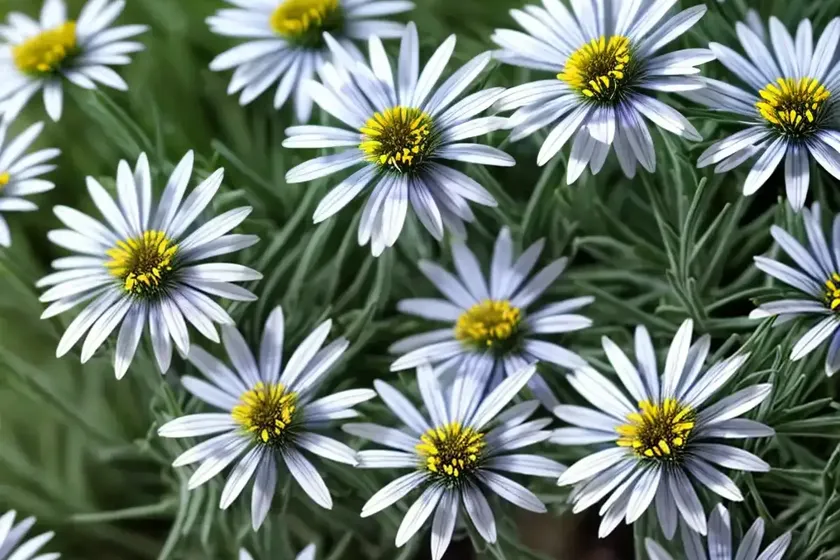
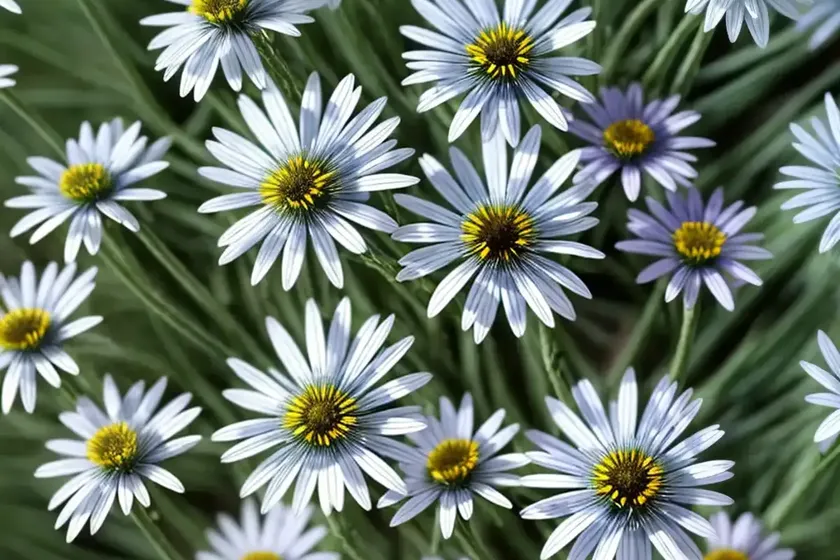
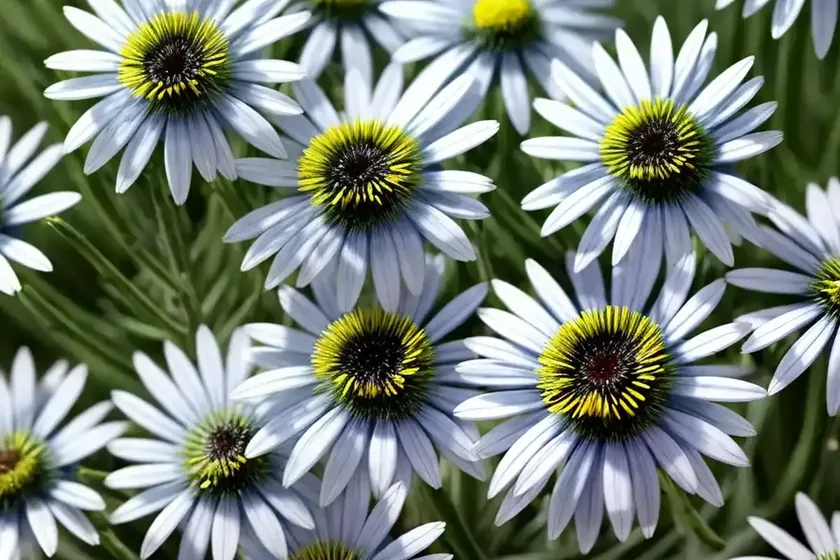
Erigeron glaucus, commonly known as the Seaside Daisy, is a charming perennial plant that belongs to the Asteraceae family. This beautiful flowering plant is native to the coastal areas of California and Oregon in the United States. With its delicate, daisy-like flowers and adaptability to various growing conditions, Erigeron glaucus ‘Sea Breeze’ has become a popular choice for gardeners and landscapers alike.
In this comprehensive guide, we will explore the culture, uses, care techniques, and unique characteristics of Erigeron glaucus ‘Sea Breeze.’ From planting and maintenance tips to disease resistance and wildlife habitat support, this plant has a whole array of features and benefits to offer. Let’s delve into the world of Seaside Daisy and discover why it’s a beloved addition to gardens and landscapes.
Key Takeaways – Erigeron glaucus ‘Sea Breeze’ (Seaside Daisy)
Before we delve into the specifics of Erigeron glaucus ‘Sea Breeze,’ let’s take a quick look at the key takeaways associated with this delightful plant:
- Plant Name: Erigeron glaucus ‘Sea Breeze’ (Seaside Daisy)
- Common Names: Seaside Daisy, Sea Breeze Daisy
- Family: Asteraceae
- Native Habitat: Coastal regions of California and Oregon, United States
- Height and Spread: Typically grows to a height of 12-18 inches with a spread of 12-24 inches
- Flower Color: Delicate pink, lavender, or white daisy-like flowers
- Blooming Season: Spring to early summer
- Sunlight Requirements: Full sun to partial shade
- Watering Needs: Moderate, well-draining soil
- Special Features: Drought-tolerant, deer-resistant, ideal for coastal gardens
Now, let’s explore each of these aspects in detail to gain a comprehensive understanding of Erigeron glaucus ‘Sea Breeze’ and its care requirements.
What is Erigeron glaucus ‘Sea Breeze’ (Seaside Daisy)?
Erigeron glaucus ‘Sea Breeze’ is a herbaceous perennial plant that is prized for its profusion of daisy-like flowers and its resilience in coastal environments. The plant features narrow, elongated leaves and delicate petals that create a stunning display when in bloom. It is known for its ability to thrive in sandy soils, making it an ideal choice for gardens near the coast or in areas with well-draining soil.
The Seaside Daisy is a low-maintenance plant that attracts pollinators such as butterflies and bees, adding a lively and vibrant touch to any garden. Its ability to withstand harsh coastal conditions while producing an abundance of colorful flowers makes it a beloved addition to both residential gardens and larger landscaping projects.
Let’s now explore the culture, uses, and care requirements of Erigeron glaucus ‘Sea Breeze’ to understand how to best cultivate and enjoy this beautiful plant.
Culture
Understanding the specific cultural requirements of Erigeron glaucus ‘Sea Breeze’ is crucial for ensuring its optimal growth and development. From its preferred soil conditions to its blooming season, here are the key cultural aspects to consider when cultivating the Seaside Daisy:
Uses
The Seaside Daisy can be used in a variety of landscaping and gardening applications due to its versatile characteristics. Here are some common uses of Erigeron glaucus ‘Sea Breeze’:
- Garden Borders: The plant’s low-growing habit and profusion of flowers make it an excellent choice for garden borders, where it can create a colorful and vibrant edge to flower beds or along pathways.
- Coastal Landscapes: As the name suggests, the Seaside Daisy is well-suited to coastal landscapes and gardens. Its tolerance for salt spray and ability to thrive in sandy soils make it a popular choice for gardens near the coast.
- Rock Gardens: The low-growing, spreading nature of the plant makes it an ideal candidate for rock gardens, where it can cascade over rocks and crevices, creating a natural and effortless display of blooms.
- Containers: Erigeron glaucus ‘Sea Breeze’ can be grown in containers and pots, allowing individuals with limited garden space to enjoy its beauty on patios, balconies, or other outdoor areas.
Water
Water is an essential aspect of plant care, and understanding the specific watering needs of Erigeron glaucus ‘Sea Breeze’ is crucial for its health and vigor. Here are the key considerations related to watering this delightful perennial:
- Watering Frequency: While the Seaside Daisy is considered to be moderately drought-tolerant once established, consistent watering is essential during its initial establishment phase. Water the plant regularly during dry spells and hot summer months to ensure adequate moisture.
- Soil Moisture: The plant prefers well-draining soil that allows excess water to escape, preventing waterlogged conditions that can lead to root rot. Aim to keep the soil consistently moist, but not saturated, particularly during the growing season and in hot, dry climates.
Sunlight
Proper sunlight exposure is crucial for the growth and flowering of Erigeron glaucus ‘Sea Breeze.’ Understanding its sunlight requirements will help you determine the best location for planting and ensure that the plant thrives in its environment. Here’s what you need to know about sunlight needs for the Seaside Daisy:
- Sun Exposure: The Seaside Daisy thrives in full sun to partial shade. It performs best when provided with at least 6-8 hours of direct sunlight each day, allowing it to produce an abundance of flowers and maintain its compact, healthy growth habit.
- Coastal Environments: In coastal areas where sunlight exposure may be intense, particularly in the morning and late afternoon, providing the plant with some protection from the harsh midday sun can help prevent sunburn and promote optimal growth.
Fertilizer
While the Seaside Daisy is known for its adaptability and resilience, providing it with the right nutrients can enhance its vigor and flowering performance. Understanding the fertilization needs of Erigeron glaucus ‘Sea Breeze’ will ensure that the plant receives the essential nutrients for healthy growth. Here are the key points to consider regarding plant fertilization:
- Fertilization Frequency: Apply a balanced, all-purpose fertilizer once a year in spring to support the plant’s growth and blooming. Alternatively, you can use a slow-release fertilizer in late winter or early spring to provide a steady supply of nutrients throughout the growing season.
- Amount and Application: Follow the manufacturer’s instructions for the specific fertilizer you choose, and apply it evenly around the base of the plant. Avoid over-fertilizing, as this can lead to excessive foliage growth at the expense of flowers.
Soil
The type of soil in which Erigeron glaucus ‘Sea Breeze’ is planted can significantly impact its overall health and performance. Understanding the soil preferences of the Seaside Daisy will guide you in selecting and preparing the best growing medium for this delightful perennial. Here’s what you need to know:
- Well-Draining Soil: The Seaside Daisy thrives in well-draining soil that allows excess water to escape, preventing waterlogged conditions. Sandy or loamy soil with good drainage is ideal for this plant, particularly in coastal environments where sandy soils are prevalent.
- Soil pH: The plant thrives in a slightly acidic to neutral pH range, typically between 6.0 and 7.0. Conduct a soil test to determine the pH of your garden soil, and amend it as needed to create an optimal growing environment for the Seaside Daisy.
Pruning
Pruning is an essential aspect of plant maintenance that helps enhance the overall appearance and longevity of Erigeron glaucus ‘Sea Breeze.’ Proper pruning techniques can encourage additional blooming, control the plant’s size, and remove any dead or damaged growth. Here are the key points to consider when pruning the Seaside Daisy:
- Deadheading: Regularly remove spent flowers by deadheading the plant, particularly during the blooming season. This encourages the production of new flower buds and extends the overall blooming period.
- Spring Pruning: In early spring, trim back any leggy or overgrown stems to promote a compact and bushy growth habit. Pruning back the plant by 1/3 to 1/2 of its overall height can encourage a fresh flush of growth and flowers.
- Maintenance Pruning: Throughout the growing season, monitor the plant for any dead or discolored foliage and trim it back to maintain the plant’s overall health and appearance.
Propagation
Propagating Erigeron glaucus ‘Sea Breeze’ allows you to expand your collection of these lovely daisy-like plants and share them with fellow gardening enthusiasts. Understanding the propagation methods for the Seaside Daisy will enable you to create new plants from existing ones, whether for your own garden or as gifts for friends and family. Here’s what you need to know about propagating the Seaside Daisy:
- Division: The Seaside Daisy can be propagated through division, typically in early spring before the plant begins its active growth period. Carefully dig up the plant, separating the root ball into smaller sections, each with a portion of the root system and several stems.
- Cuttings: Stem cuttings can also be used to propagate the Seaside Daisy, particularly during the summer months. Select healthy, non-flowering stems and take cuttings that are 4-6 inches in length. Plant the cuttings in a well-draining potting mix, keeping them consistently moist until they root and establish themselves.
Container Popularity
Erigeron glaucus ‘Sea Breeze’ is a popular choice for container gardening due to its compact growth habit, colorful blooms, and adaptability to various growing conditions. Whether you have a small balcony, patio, or outdoor space, the Seaside Daisy can thrive in containers, adding a touch of natural beauty to urban and limited outdoor areas.
Container Common Diseases
While the Seaside Daisy is generally resilient to most diseases, certain common issues may arise when growing the plant in containers. These can include root rot due to waterlogged soil, fungal diseases, and pest infestations. However, proper container selection, well-draining soil, and regular monitoring can help prevent these issues.
Disease Diagnosis
When growing Erigeron glaucus ‘Sea Breeze’ in containers, it’s essential to monitor the plant for any signs of disease or stress. Yellowing leaves, wilting, and a decline in overall vigor may indicate issues such as root rot or fungal diseases. Prompt diagnosis and appropriate treatment can help address these concerns and restore the plant’s health.
Common Pests
While the Seaside Daisy is relatively resistant to pests, certain insects may occasionally pose a threat to the plant. These can include aphids, spider mites, and snails or slugs. Regularly inspecting the plant for signs of pest activity and taking appropriate measures, such as natural insecticidal soaps or barriers, can help protect it from pest damage.
Botanist’s Tips
As a botanist passionate about Erigeron glaucus ‘Sea Breeze,’ I have found that the plant thrives when provided with well-draining soil, ample sunlight, and regular moisture, particularly during its initial establishment phase. Additionally, regular deadheading and occasional pruning can encourage a prolonged blooming period and maintain the plant’s overall health and appearance.
Fun Facts
- Erigeron glaucus ‘Sea Breeze’ is native to the coastal regions of California and Oregon, where it thrives in sandy, well-draining soils and is often found near sea cliffs and coastal bluffs.
- The daisy-like flowers of the Seaside Daisy are highly attractive to pollinators, including butterflies and bees, adding a lively and dynamic element to gardens and landscapes.
- With its adaptability to coastal environments, the Seaside Daisy has become a popular choice for seaside gardens, where it adds a burst of color and natural charm to the landscape.
Links to External Resources
For additional information on Erigeron glaucus ‘Sea Breeze’ (Seaside Daisy), you can explore the following resources:
- Seaside Daisy Plant Profile – The Spruce
- Growing Seaside Daisy – Fine Gardening
- Seaside Daisy Care Tips – Plant Lust
- Erigeron glaucus – Pacific Horticulture
- Coastal Gardening Guide – Sunset Magazine
By referring to these resources, you can gain further insights into the cultivation, care, and unique characteristics of Erigeron glaucus ‘Sea Breeze’ and expand your knowledge of this delightful daisy-like plant.
In conclusion, Erigeron glaucus ‘Sea Breeze’ (Seaside Daisy) is a versatile and charming perennial plant that adds a burst of color and natural beauty to gardens and landscapes, particularly in coastal and seaside environments. With its vibrant blooms, adaptability to various growing conditions, and low-maintenance nature, the Seaside Daisy has earned its place as a beloved choice for gardeners and landscapers looking to enhance their outdoor spaces with a delightful, resilient plant. Whether planted in garden borders, containers, or coastal landscapes, the Seaside Daisy continues to captivate with its cheerful flowers and enduring appeal.
Remember to tailor the care and culture of Erigeron glaucus ‘Sea Breeze’ to your specific growing environment, providing the plant with the optimal conditions for growth and flourishing. By embracing the unique characteristics of the Seaside Daisy and implementing the recommended cultural practices, you can enjoy the beauty and benefits of this delightful plant in your own garden or landscape.
Happy gardening, and may your gardens bloom with the charm of Erigeron glaucus ‘Sea Breeze’!