Erica X Darleyensis ‘Margaret Porter’ (Winter Heath)
When the winter landscape tends to assume a withered look, the Erica x darleyensis ‘Margaret Porter’, commonly known as the Winter Heath, comes as a sight.

When the winter landscape tends to assume a withered look, the Erica x darleyensis ‘Margaret Porter’, commonly known as the Winter Heath, comes as a sight for sore eyes with its vibrant blossoms. This evergreen plant belongs to the Ericaceae family and is cherished for its hardiness and ability to thrive in cold weather. In this comprehensive guide, we will explore the various facets of this beautiful plant, including its culture, uses, maintenance, and propagation techniques. Whether you are a seasoned gardener or a beginner, the Winter Heath is sure to captivate you with its allure and low-maintenance nature.
What is the Erica x darleyensis ‘Margaret Porter’?
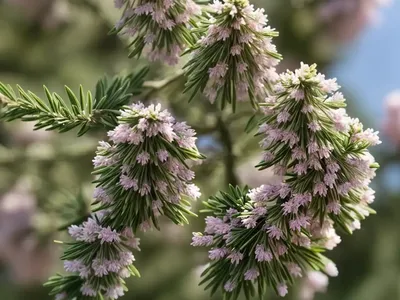
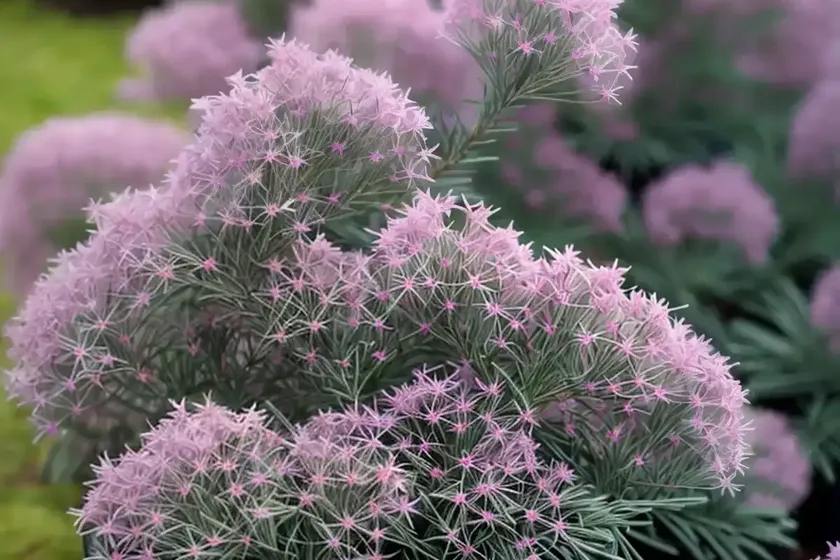
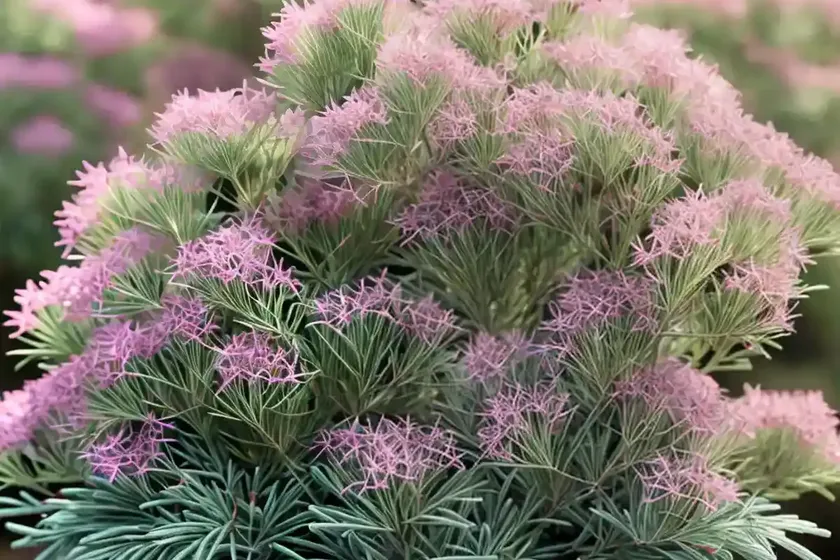
The Erica x darleyensis ‘Margaret Porter’ is a cultivar of the Erica x darleyensis, a hybrid species resulting from a cross between Erica carnea and Erica erigena. It is renowned for its diminutive, needle-like foliage and its ability to produce an abundance of small, urn-shaped flowers that can range from white to deep pink. These delicate blossoms adorn the plant during the winter months, hence the name “Winter Heath.” This evergreen’s compact habit and winter blooms make it a valuable addition to gardens, borders, and containers, especially in colder climates.
Key Takeaways – Erica x darleyensis ‘Margaret Porter’
Culture
- Origin: Erica x darleyensis ‘Margaret Porter’ is a hybrid plant, developed by crossing Erica carnea and Erica erigena.
- Size: This low-growing evergreen shrub typically reaches a height and spread of 0.5-1 foot and 1-1.5 feet, respectively.
- Foliage: The plant is blessed with small, needle-like leaves that exhibit a rich green hue throughout the year.
- Flowers: It produces abundant small, urn-shaped flowers that bloom from winter to early spring in shades ranging from white to deep pink.
Uses
- Garden Borders: The Winter Heath is a popular choice for border plantings, where its compact form and striking winter blooms can be showcased effectively.
- Containers: Due to its low-growing, spreading nature, it is well-suited for container gardening, providing an attractive option for winter displays and adding color to patios and balconies.
Maintenance
- Water: It requires regular watering, especially during hot and dry periods.
- Sunlight: The plant thrives in full sunlight and can tolerate partial shade.
- Fertilizer: Feed the plant with a balanced fertilizer in spring to support healthy growth and prolific flowering.
- Soil: It prefers acidic, well-draining soil and is well-suited for rock gardens and slopes.
- Pruning: Light pruning after flowering helps maintain the plant’s shape and vigor.
Propagation
- Propagation: Winter Heath can be propagated through semi-ripe cuttings or layering.
- Container: When propagated in containers, ensure that they provide adequate drainage and a suitable potting mix.
Common Diseases and Pests
- Diseases: Keep an eye out for fungal diseases such as powdery mildew, and ensure good air circulation to prevent such issues.
- Pests: Aphids and spider mites may affect the plant, so regular inspection and appropriate pest control measures are advisable.
Botanist’s Tips
- Winter Interest: Utilize the Winter Heath to introduce color and interest to the garden during the winter months.
- Companion Planting: Pair it with other winter bloomers or plants with contrasting foliage to create eye-catching combinations.
Planting and Cultivation
Water
Erica x darleyensis ‘Margaret Porter’ requires regular watering, particularly during dry spells. Although it is moderately drought-tolerant, consistent moisture is essential for promoting healthy growth and prolific flowering. Ensure that the soil is adequately moist, especially during the establishment phase and during warmer weather. Mulching can help in retaining soil moisture while also suppressing weed growth.
Sunlight
For optimal performance, plant the Winter Heath in a location that receives full sunlight, although it can also tolerate partial shade. When grown in partial shade, the plant may exhibit reduced flowering and a slightly leggy growth habit. Therefore, a sunny spot is preferred to encourage the best floral display and dense, bushy growth.
Fertilizer
To support vigorous growth and abundant flowering, apply a balanced, slow-release fertilizer in spring. A fertilizer with an NPK ratio of 10-10-10 or similar is suitable for providing the necessary nutrients without risking excessive vegetative growth at the expense of flowering. Avoid overfeeding the plant, as excessive fertilizer application can lead to lush foliage at the expense of flowers.
Soil
Winter Heath thrives in well-draining, acidic soil. A soil pH in the range of 4.5 to 6.0 is ideal for ensuring optimal nutrient uptake and overall plant health. If the native soil is alkaline, amending it with organic matter, such as peat moss or well-rotted pine bark, can help in acidifying the soil and creating a favorable growing environment for the Erica x darleyensis ‘Margaret Porter’.
Pruning
Pruning the Winter Heath is essential for maintaining its compact shape and promoting a dense, bushy habit. After the flowering period, typically in early spring, lightly trim the plant to remove spent blooms and any straggly or leggy growth. Avoid hard pruning, as this can affect the next season’s flowering. Additionally, pruning helps in rejuvenating the plant and stimulates new growth from the base, contributing to a healthy and attractive appearance.
Propagation Techniques
Container
When propagating Erica x darleyensis ‘Margaret Porter’ in containers, it is crucial to select suitable pots that offer good drainage. Excessive moisture around the roots can lead to rot and other issues, so plant the Winter Heath in pots with drainage holes to facilitate the removal of excess water. The potting mix should be well-draining and acidic, mirroring the plant’s natural growing conditions. A blend of peat moss, perlite, and compost can create an ideal medium for container propagation.
Popularity
The popularity of Erica x darleyensis ‘Margaret Porter’ stems from its remarkable attributes, including its ability to enliven the winter garden with colorful blooms and its adaptability to a variety of growing conditions. Its low-maintenance nature and tolerance of cold weather further elevate its appeal among gardeners, making it a favored choice for adding visual interest and vibrancy to winter landscapes. Whether cultivated in the ground, showcased in containers, or utilized in mixed borders, the Winter Heath’s charm knows no bounds.
Common Diseases and Pests
Disease Diagnosis
The Winter Heath is susceptible to certain fungal diseases, with powdery mildew being a common issue affecting its foliage. Powdery mildew presents as a powdery, white coating on the leaves and stems, often leading to leaf distortion and a decline in plant vigor. Adequate air circulation, proper spacing between plants, and the removal of affected plant material can help in preventing the onset and spread of powdery mildew.
Common Pests
Aphids and spider mites are among the common pests that may trouble Erica x darleyensis ‘Margaret Porter.’ Aphids, with their characteristic clustering on new growth, can sap the plant’s vigor and excrete honeydew, fostering the growth of sooty mold. Spider mites, on the other hand, are tiny arachnids that feed on the undersides of leaves, causing stippling and a decline in plant health. Regular monitoring, the use of insecticidal soaps, and the introduction of beneficial predatory insects can aid in controlling these pests and preserving the plant’s well-being.
Botanist’s Tips
Fun Facts
- The Winter Heath derives its name from its ability to bloom during the winter months, adding a touch of vibrancy to the garden when most other plants lay dormant.
- The plant’s compact growth habit and low maintenance requirements make it a popular choice for homeowners and landscapers seeking a resilient and visually appealing addition to their outdoor spaces.
Links to External Resources
For further information on the Erica x darleyensis ‘Margaret Porter’ and related topics, explore the following resources:
- Royal Horticultural Society – Winter Heather
- Missouri Botanical Garden – Erica x darleyensis
- University of Maryland Extension – Winter Heath
In conclusion, the Erica x darleyensis ‘Margaret Porter’ (Winter Heath) stands as a testament to nature’s ability to provide color and beauty even in the depths of winter. From its charming floral display to its adaptability and low maintenance needs, this evergreen plant has rightfully earned its place as a cherished addition to gardens and landscapes. By understanding its cultural requirements, maintenance practices, and propagation techniques, enthusiasts and horticulturists can ensure the continued splendor of the Winter Heath, ushering in joy and visual allure during the coldest months of the year. Whether embraced for its ornamental value, ecological contributions, or resilience, the Winter Heath exemplifies the enduring appeal of plants in enriching our lives and surroundings.
References
- Royal Horticultural Society. “Erica x darleyensis ‘Margaret Porter’ (Winter Heaths).” https://www.rhs.org.uk/Plants/12112/i-Erica-x-darleyensis-i-Margaret-Porter/Details
- Missouri Botanical Garden. “Erica x darleyensis.” https://www.missouribotanicalgarden.org/PlantFinder/PlantFinderDetails.aspx?kempercode=b479
- University of Maryland Extension. “Winter Heath.” https://extension.umd.edu/hgic/topics/winter-heath