Erica X Darleyensis ‘Kramer’s Rote’ (Winter Heath)
As a plant scientist, I am thrilled to delve into the fascinating world of Erica x darleyensis ‘Kramer’s Rote,’ commonly known as Winter Heath. This.
Introduction
As a plant scientist, I am thrilled to delve into the fascinating world of Erica x darleyensis ‘Kramer’s Rote,’ commonly known as Winter Heath. This evergreen shrub belongs to the heath family and is prized for its vibrant blooms, low maintenance requirements, and resilience to harsh winter conditions. In this comprehensive guide, we will explore every aspect of caring for Erica x darleyensis ‘Kramer’s Rote,’ from its cultural requirements to common diseases and pests. Whether you are a seasoned gardener or a newcomer to the world of horticulture, this guide will equip you with the knowledge and skills to cultivate and admire this exquisite plant in your own garden.
Erica x darleyensis ‘Kramer’s Rote’ Description
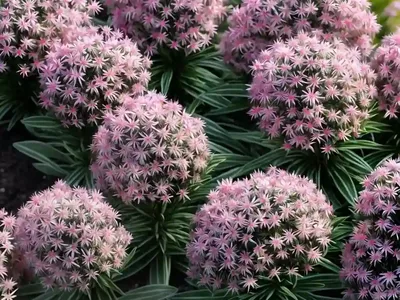
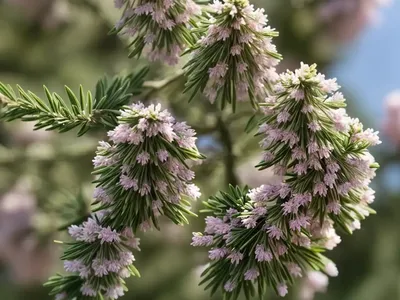
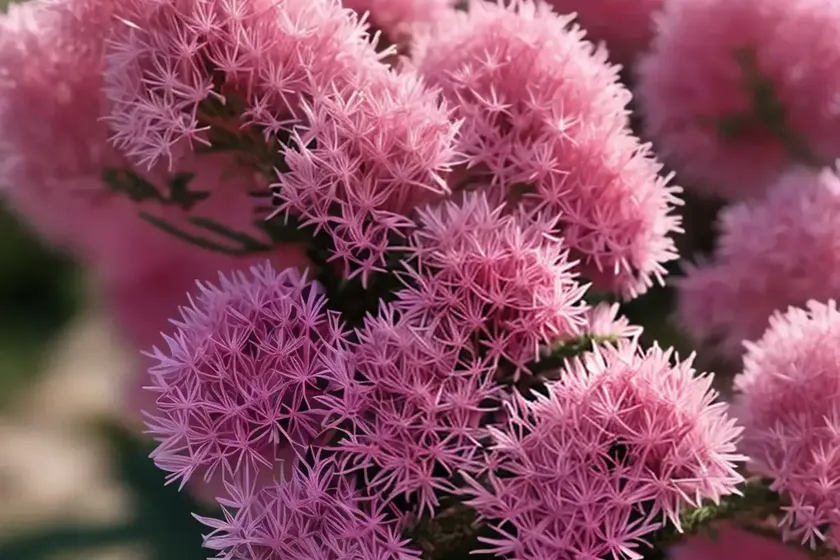
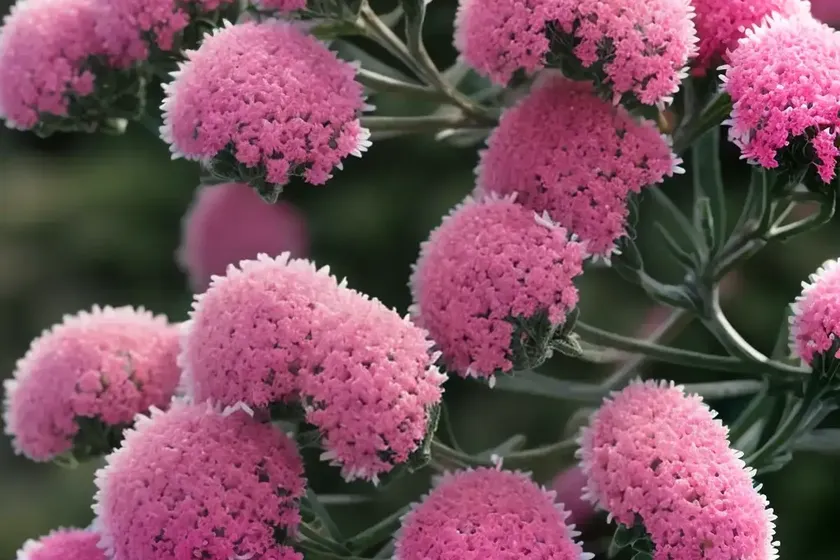
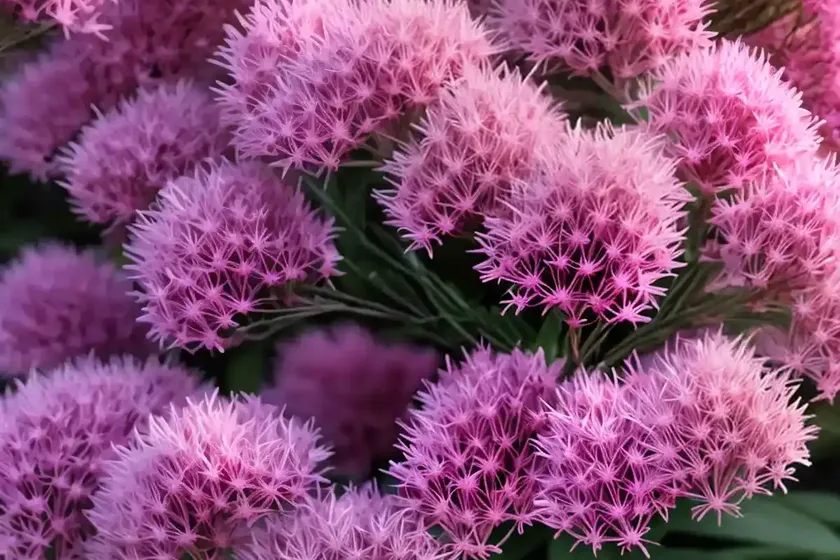
Erica x darleyensis ‘Kramer’s Rote’ is a visually captivating evergreen shrub that forms a low, spreading habit. Its dense, fine-textured foliage provides an excellent backdrop for the star attraction: the profusion of delicate, urn-shaped flowers that adorn the plant from late winter to early spring. The flowers of ‘Kramer’s Rote’ are a striking deep pink, bringing a burst of color to the winter landscape. This compact shrub typically reaches a height and spread of 12-18 inches, making it an ideal choice for ground cover or container cultivation.
Key Takeaways: Erica x darleyensis ‘Kramer’s Rote’ (Winter Heath)
Let’s dive into the essential aspects of caring for Erica x darleyensis ‘Kramer’s Rote,’ encompassing its cultural requirements, uses, water and sunlight needs, fertilization, soil preferences, pruning techniques, propagation, container gardening, popularity, common diseases, diagnosis of ailments, prevalent pests, handy gardening tips, interesting facts, and links to external resources for further exploration.
Culture
- Hardiness Zones: Suitable for planting in USDA hardiness zones 6-8.
- Soil Preferences: Well-drained, acidic soil with a pH of 5.0-5.5. Incorporating organic matter such as peat moss can enhance soil quality for Winter Heath.
- Watering: Moderate water needs. Ensure soil moisture but avoid waterlogged conditions.
- Sunlight: Prefers full sun to partial shade. In warmer climates, afternoon shade can protect the plant from excessive heat.
Uses
- Landscape: Excellent as ground cover in rock gardens, woodland settings, or mixed borders. Adds vibrant color to the winter garden.
- Container Planting: Well-suited for containers and hanging baskets, allowing for versatile placement in outdoor spaces.
- Wildlife Habitat: Attracts pollinators and contributes to wildlife-friendly gardens.
Fertilizer
- Type: Use a balanced, acidic fertilizer formulated for ericaceous plants.
- Application: Apply fertilizer in early spring before new growth appears to support the plant’s development and flowering.
Soil
- Texture: Well-drained, sandy or loamy soil with good aeration.
- Acidity: Acidic soil pH of 5.0-5.5 is crucial for optimal growth and flowering of Winter Heath.
Pruning
- Timing: Light pruning can be carried out after blooming to remove spent flowers and maintain a tidy appearance.
- Techniques: Trim back the plant lightly to encourage a compact, bushy growth habit.
Propagation
- Methods: Propagate through cuttings in late summer or early autumn. Rooting hormone can aid in successful propagation.
- Care: Provide consistent moisture and maintain high humidity levels to support the establishment of new plants.
Container Popularity
- Versatility: Well-received as a container plant due to its compact size and ornamental value.
- Aesthetics: Offers a pop of color and texture to balcony gardens, patios, and small outdoor spaces.
Common Diseases
- Fungal Diseases: Watch for signs of root rot and foliar diseases such as powdery mildew in humid conditions.
- Preventative Measures: Proper cultural practices, including adequate spacing and air circulation, can reduce the risk of fungal infections.
Disease Diagnosis
- Symptoms: Check for wilting, yellowing or browning of leaves, and abnormal growth patterns. Conduct a thorough inspection of the plant to identify signs of disease.
Common Pests
- Spider Mites: Monitor for the presence of spider mites, particularly in dry and hot conditions.
- Control: Regularly spray the plant with water to deter spider mites. In severe infestations, consider horticultural oils or insecticidal soaps.
Botanist’s Tips
As a plant scientist with a passion for Erica x darleyensis ‘Kramer’s Rote,’ I’ve accumulated valuable insights and tips to ensure the successful cultivation and enjoyment of this stunning evergreen shrub. Here are some of my top recommendations:
- Soil Preparation: Prior to planting, amend the soil with organic matter and peat moss to improve drainage and acidity, creating an optimal growing environment for Winter Heath.
- Monitoring Moisture Levels: Maintain consistent soil moisture, especially during the establishment phase and dry periods, to support the plant’s health and vigor.
- Regular Inspection: Periodically inspect the plant for signs of pests, diseases, or nutrient deficiencies. Early detection allows for prompt intervention and management.
- Pruning Guidelines: Emphasize light, post-bloom pruning to maintain the plant’s shape and stimulate robust flowering in the following season.
- Winter Protection: In colder climates, consider mulching around the base of the plant to provide insulation and protect the roots during winter.
Fun Facts
Uncover the captivating and remarkable aspects of Erica x darleyensis ‘Kramer’s Rote’ with these intriguing fun facts:
- The term “heath” in the common name alludes to the plant’s affinity for heathland habitats and its natural occurrence in these ecosystems.
- Winter Heath is a notable source of nectar for early pollinators, contributing to the ecological value of the plant in supporting native wildlife.
- The vibrant pink flowers of ‘Kramer’s Rote’ serve as an enchanting focal point in the winter garden, defying the season’s typically subdued color palette.
Links to External Resources
For further exploration and in-depth information about Erica x darleyensis ‘Kramer’s Rote’ and Winter Heath cultivation, consider referring to the following reputable external resources:
- Royal Horticultural Society (RHS): Erica x darleyensis ‘Kramer’s Rote’ Plant Profile
- The American Rhododendron Society: Comprehensive Winter Heath Care Guide
- University of California Statewide Integrated Pest Management Program: Managing Pests in Gardens – Winter Heath
- The Royal Botanic Gardens, Kew: Winter Heath – Erica x darleyensis ‘Kramer’s Rote’ Plant Portrait
Conclusion
In conclusion, Erica x darleyensis ‘Kramer’s Rote’ (Winter Heath) stands as an exquisite addition to the winter garden, offering vibrant blooms, low maintenance requirements, and ornamental charm. By understanding the cultural needs, preventative care practices, and the intrinsic allure of this evergreen shrub, gardeners and plant enthusiasts can embrace the beauty and resilience of Winter Heath in their outdoor spaces. I trust that this comprehensive plant care guide has equipped you with the knowledge and inspiration to embark on a rewarding journey of cultivating and cherishing Erica x darleyensis ‘Kramer’s Rote’ in your own garden, while fostering an appreciation for the captivating world of horticulture. Happy gardening!
References:
1. “Erica x darleyensis ‘Kramer’s Rote’ Plant Profile – RHS”, [https://www.rhs.org.uk/Plants/172973/i-Erica-i-x-i-darleyensis-i-Kramer-s-Rote/Details]
2. “Comprehensive Winter Heath Care Guide – ARS”, [https://www.rhododendron.org/european.shtml]
3. “Managing Pests in Gardens – Winter Heath – UC IPM”, [http://ipm.ucanr.edu/PMG/GARDEN/PLANTS/erica.html]
4. “Winter Heath – Erica x darleyensis ‘Kramer’s Rote’ Plant Portrait – Kew Gardens”, [https://www.kew.org/read-and-watch/winter-heath]