Erica Cinerea ‘Velvet Night’ (Bell Heather)
Erica cinerea ‘Velvet Night’ is a stunning perennial evergreen shrub that belongs to the Ericaceae family. Also known as Bell Heather, this plant is native.
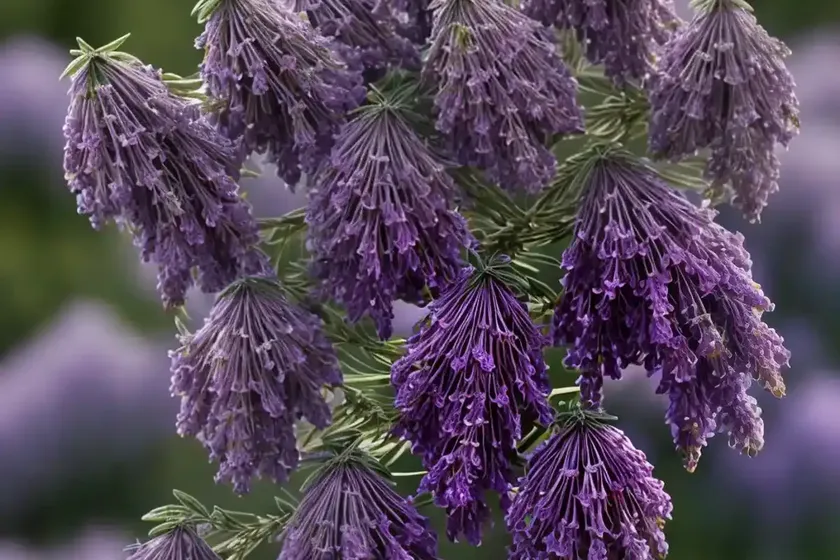
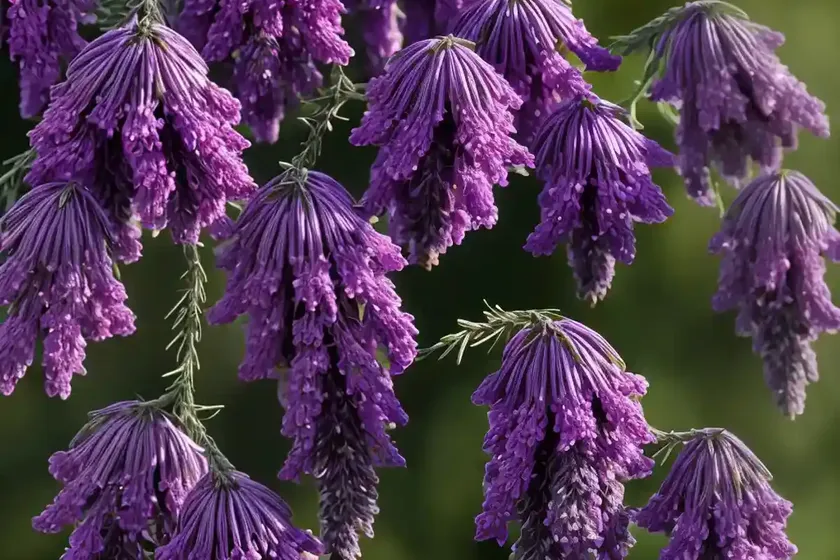
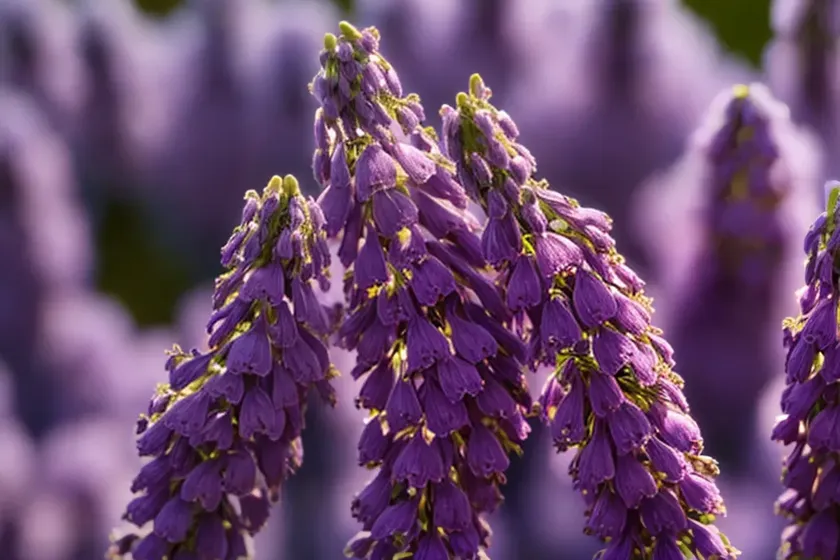
Erica cinerea ‘Velvet Night’ is a stunning perennial evergreen shrub that belongs to the Ericaceae family. Also known as Bell Heather, this plant is native to Europe and thrives in well-drained, acidic soils. The ‘Velvet Night’ variety is especially prized for its deep purple foliage and delicate pink flowers, making it a popular choice for gardeners and landscape designers. In this comprehensive guide, we will explore everything you need to know about the care, cultivation, and uses of Erica cinerea ‘Velvet Night’.
What is Erica cinerea ‘Velvet Night’?
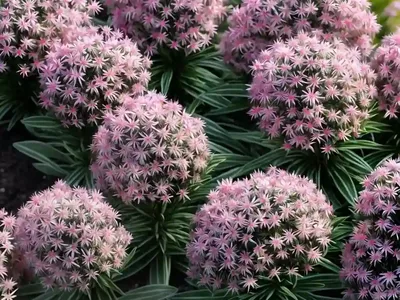
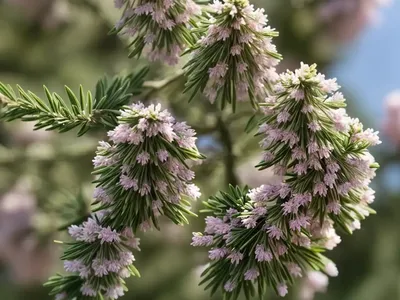
Bell Heather, scientifically known as Erica cinerea, is a compact, low-growing shrub that typically reaches a height and spread of 15-30cm. It is characterized by its needle-like foliage and the profusion of bell-shaped flowers that bloom from mid-summer to early autumn. The ‘Velvet Night’ variety, in particular, stands out for its striking dark purple foliage, which provides a stunning contrast against the delicate pink flowers.
Key Takeaways – Erica cinerea ‘Velvet Night’ (Bell Heather)
Culture
- USDA Hardiness Zones: 6-8
- Growth Habit: Low-growing, compact
- Foliage: Dark purple
- Flower Color: Pink
- Blooming Period: Mid-summer to early autumn
Uses
- Landscape Planting: Ideal for rock gardens, alpine gardens, and borders
- Container Planting: Well-suited for container gardening
- Habitat: Attracts pollinators and supports wildlife
Now, let’s delve into the specific care requirements for growing and maintaining Erica cinerea ‘Velvet Night’.
Care
Water
Proper watering is essential for the health and vitality of Erica cinerea ‘Velvet Night’. While this plant is relatively drought-tolerant once established, it’s crucial to ensure consistent moisture, especially during the establishment phase. Adequate watering helps promote healthy foliage and vibrant flowering.
Watering Needs:
– Establishment Phase: Keep the soil consistently moist but not waterlogged.
– Established Plants: Water when the soil feels dry to the touch, especially during prolonged periods of drought.
Sunlight
Bell Heather thrives in full sun to partial shade, making it a versatile addition to various garden settings. When planted in a location with ample sunlight, the ‘Velvet Night’ variety displays its characteristic deep purple foliage to its full advantage.
Sunlight Requirements:
– Optimal: Full sun (6-8 hours of direct sunlight per day)
– Tolerable: Partial shade
Fertilizer
When it comes to fertilizing Erica cinerea ‘Velvet Night’, it’s essential to strike a balance. While these plants don’t require heavy feeding, a light application of a balanced, slow-release fertilizer in spring can help support healthy growth and flowering.
Fertilizing Instructions:
– Timing: Apply a balanced, slow-release fertilizer in early spring.
– Frequency: Once a year
Soil
As with many members of the Ericaceae family, Erica cinerea ‘Velvet Night’ thrives in acidic, well-drained soils. When planting or transplanting Bell Heather, it’s crucial to create an environment that mimics its natural habitat, ensuring optimal growing conditions.
Soil Preferences:
– Acidity: pH 4.5-6.0
– Structure: Well-drained, sandy or loamy soil
Pruning
Proper pruning helps maintain the compact, tidy growth habit of Erica cinerea ‘Velvet Night’ and encourages abundant flowering. Regular removal of spent flowers and light shaping can help promote a healthy and attractive appearance.
Pruning Tips:
– Deadheading: Remove faded flowers to encourage continuous blooming.
– Shaping: Lightly trim the plant after flowering to maintain its form.
Propagation
For those interested in propagating Erica cinerea ‘Velvet Night’, several methods can be employed, including seed propagation and vegetative propagation through cuttings. By selecting healthy parent plants and providing the right growing conditions, gardeners can successfully propagate new Bell Heather plants.
Propagation Methods:
– Seed Propagation
– Cutting Propagation
Container Popularity
Bell Heather is well-suited for container gardening, adding a pop of color and texture to outdoor spaces. The ‘Velvet Night’ variety, in particular, stands out as a striking addition to container plantings, whether used alone or in combination with other suitable companions.
Benefits of Container Planting:
– Versatility: Suitable for small outdoor spaces and balconies
– Aesthetic Appeal: Adds visual interest to container arrangements
Common Diseases and Pests
As with any plant, Erica cinerea ‘Velvet Night’ is susceptible to certain diseases and pests that can affect its health and appearance. Understanding the common issues that may arise and implementing preventive measures can help maintain the vigor of Bell Heather plants.
Disease Diagnosis
Common Diseases:
1. Phytophthora Root Rot: Symptoms include wilting, yellowing foliage, and poor overall growth.
2. Powdery Mildew: White, powdery patches on leaves and stems.
3. Botrytis Blight: Gray mold affecting flowers and foliage.
Common Pests
Common Pests:
1. Spider Mites: Fine webbing and stippled leaves.
2. Aphids: Clusters of small, soft-bodied insects on new growth.
3. Heather Beetles: Feeding damage on foliage and flowers.
Botanist’s Tips
To ensure the successful cultivation of Erica cinerea ‘Velvet Night’, here are some expert tips and recommendations from botanists and experienced gardeners:
- Mulching: Apply a layer of organic mulch around the base of the plant to conserve soil moisture and suppress weeds.
- Winter Protection: In regions with harsh winters, provide additional protection with a layer of mulch or frost cloth.
- Site Selection: Choose a well-drained site with good air circulation for optimal growth.
Fun Facts
- The genus name “Erica” is derived from the Greek word “ereike,” which means heather.
- Heather has been historically associated with good luck and protection from danger.
- Bell Heather is an important food source for various pollinators, including bees and butterflies.
Now that we have covered the essential care and cultivation aspects of Erica cinerea ‘Velvet Night’, let’s explore some additional resources and further information on this captivating plant.
Links to External Resources
For additional information, tips, and inspiration related to Erica cinerea ‘Velvet Night’ and Bell Heather plants, consider exploring the following resources:
- Royal Horticultural Society – Erica cinerea ‘Velvet Night’
- Gardenia – Erica cinerea ‘Velvet Night’
- Missouri Botanical Garden – Erica cinerea
- PlantSavers – Bell Heather (Erica cinerea)
By leveraging these resources, you can gain valuable insights, access detailed care guides, and discover creative ideas for incorporating Erica cinerea ‘Velvet Night’ into your landscape designs.
In conclusion, Erica cinerea ‘Velvet Night’ (Bell Heather) is a captivating plant variety that offers both aesthetic and ecological benefits. With proper care and attention to its specific growing requirements, this striking shrub can become a standout feature in gardens, containers, and natural landscapes. Whether you are drawn to its deep purple foliage, delicate pink blooms, or its ability to attract pollinators, Bell Heather holds immense appeal for plant enthusiasts and nature lovers alike.