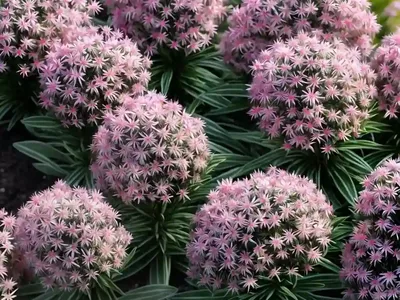
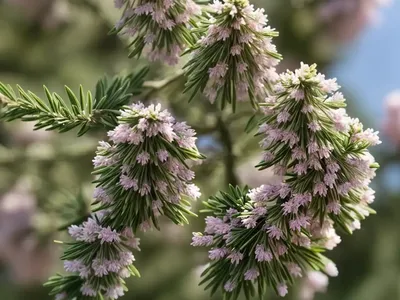
Erica Cinerea ‘Pink Ice’ (Bell Heather)
Erica cinerea ‘Pink Ice’, commonly known as Bell Heather, is a delightful and versatile evergreen plant that belongs to the Ericaceae family. This plant is.
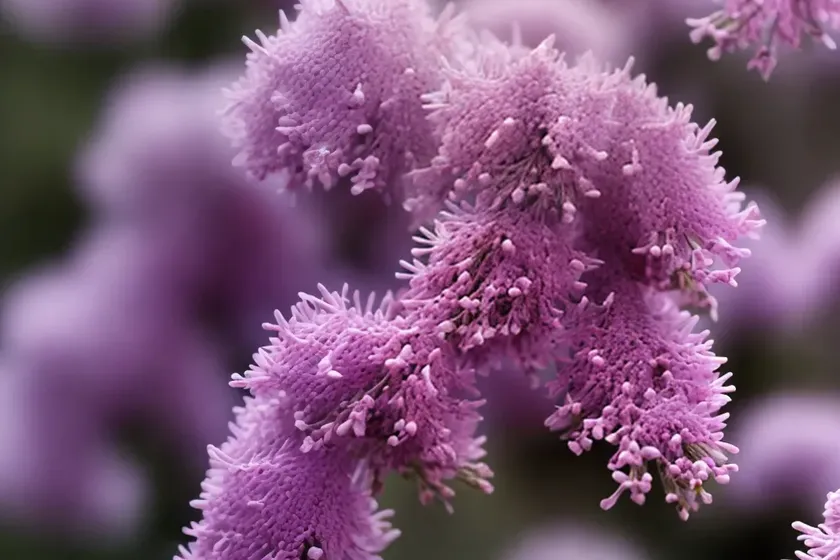
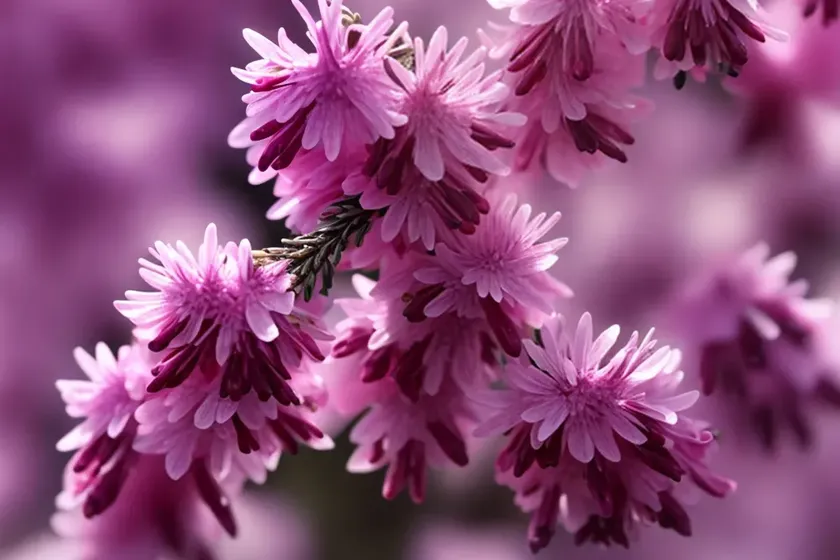
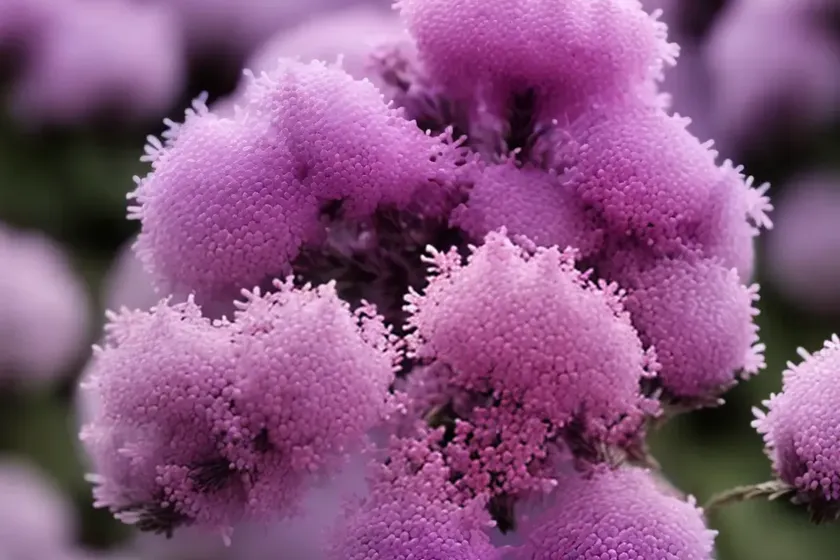
Erica cinerea ‘Pink Ice’, commonly known as Bell Heather, is a delightful and versatile evergreen plant that belongs to the Ericaceae family. This plant is renowned for its low-growing habit and stunning pink flowers, making it a popular choice for gardeners and landscapers alike.
As a plant scientist, it’s fascinating to delve into the rich tapestry of characteristics and care requirements that define Erica cinerea ‘Pink Ice’. From its preferred soil conditions to its propagation methods, this plant offers a wealth of learning opportunities for both horticulture enthusiasts and professionals.
In this comprehensive guide, we’ll explore the cultural significance, uses, care guidelines, diseases, and pests associated with Erica cinerea ‘Pink Ice’. By the end of this article, you’ll have gained a deep understanding of this captivating plant, empowering you to cultivate and appreciate it to the fullest.
Key Takeaways – Erica Cinerea ‘Pink Ice’ (Bell Heather)
Before we embark on our exploration of Erica cinerea ‘Pink Ice’, let’s highlight the key takeaways that we’ll cover in detail throughout this guide:
- Culture: Understanding the cultural requirements, including soil, watering, sunlight, and fertilizer needs, is essential for successfully growing Erica cinerea ‘Pink Ice’.
- Uses: Exploring the various uses of Bell Heather in both traditional and contemporary settings, from landscaping to medicinal properties.
- Water: Unveiling the optimal watering practices that support the health and vitality of Erica cinerea ‘Pink Ice’.
- Sunlight: Delving into the sunlight requirements and preferences of Erica cinerea ‘Pink Ice’.
- Fertilizer: Identifying the appropriate fertilization regimen to nourish and support the growth of Bell Heather.
- Soil: Examining the soil conditions that foster the well-being of Erica cinerea ‘Pink Ice’, including composition and pH levels.
- Pruning: Discovering the best pruning techniques and schedules for maintaining the shape and vigor of Bell Heather.
- Propagation: Exploring the methods for propagating Erica cinerea ‘Pink Ice’, enabling the expansion of its presence in gardens and landscapes.
- Container Popularity: Assessing the suitability of growing Erica cinerea ‘Pink Ice’ in containers, along with associated care considerations.
- Common Diseases: Identifying prevalent diseases that may affect Bell Heather and implementing preventive measures.
- Disease Diagnosis: Offering insights into diagnosing and addressing diseases that could potentially impact Erica cinerea ‘Pink Ice’.
- Common Pests: Recognizing common pests that pose a threat to the well-being of Bell Heather and implementing effective pest management strategies.
- Botanist’s Tips: Providing expert tips and recommendations from a botanist’s perspective for cultivating Erica cinerea ‘Pink Ice’ successfully.
- Fun Facts: Uncovering intriguing and lesser-known facts about Bell Heather to deepen our appreciation for this remarkable plant.
- External Resources: Curating a collection of valuable external links for further exploration and learning about Erica cinerea ‘Pink Ice’.
Now, let’s delve into each of these aspects, unlocking the beauty and complexity of Erica cinerea ‘Pink Ice’ along the way.
Culture
Cultural practices play a fundamental role in ensuring the health and vitality of Erica cinerea ‘Pink Ice’. Let’s delve into the cultural factors that significantly influence the growth and overall well-being of this captivating plant.
Uses
Bell Heather is utilized in a variety of traditional and contemporary contexts, adding value to landscapes and offering potential medicinal benefits. Here are some key uses to consider:
- Landscaping: Erica cinerea ‘Pink Ice’ serves as a charming addition to rock gardens, borders, and container displays, adding vibrant color and texture to outdoor spaces.
- Medicinal Properties: In traditional herbal medicine, certain species of heather, including Erica cinerea, are believed to possess astringent and diuretic properties, leading to their historical application in herbal remedies.
It’s crucial to note that while Bell Heather has been traditionally associated with certain medicinal properties, consulting with a qualified healthcare professional is essential before considering the use of any plant for therapeutic purposes.
Water
Proper watering is vital for the well-being of Erica cinerea ‘Pink Ice’. While it’s important to provide adequate moisture, ensuring proper drainage is equally critical to prevent waterlogging. Here are some guidelines for watering Bell Heather:
- Establishment Period: During the initial establishment phase after planting, regular watering is essential to support root development and facilitate acclimatization to its new environment.
- Moisture Levels: While Erica cinerea ‘Pink Ice’ appreciates moist conditions, it’s essential to avoid waterlogging, which can lead to root rot and other complications.
- Drought Tolerance: Once established, Bell Heather showcases impressive drought tolerance, making it a resilient choice for landscapes with challenging water conditions.
Achieving a harmonious balance between maintaining adequate moisture levels and promoting proper drainage is instrumental in supporting the health and longevity of Erica cinerea ‘Pink Ice’.
Sunlight
The sunlight requirements of Erica cinerea ‘Pink Ice’ directly impact its growth and flowering potential. Understanding its preferences for sunlight exposure is crucial to optimizing its performance in various settings.
- Full Sun: Bell Heather thrives in full sunlight and is well-suited to open, sunny locations that provide ample direct light.
- Partial Shade: While Erica cinerea ‘Pink Ice’ prefers full sun, it can tolerate partial shade, particularly in regions with intense summer heat.
By selecting an appropriate planting site that aligns with its sunlight preferences, gardeners can maximize the beauty and floriferous nature of Bell Heather.
Fertilizer
Applying the right fertilization regimen is essential for promoting robust growth and prolific flowering in Erica cinerea ‘Pink Ice’. Let’s explore the key considerations for fertilizing Bell Heather:
- Acidic Fertilizers: Bell Heather thrives in acidic soil conditions, making it beneficial to use fertilizers specifically formulated for acid-loving plants.
- Low-Nutrient Needs: Erica cinerea ‘Pink Ice’ typically requires minimal fertilization, especially in well-prepared acidic soils with adequate organic matter content.
Opting for a balanced, acidic fertilizer and applying it sparingly can help maintain the optimal nutrient levels for Bell Heather without overstimulating growth or causing adverse effects.
Soil
The soil composition and pH levels directly influence the health and performance of Erica cinerea ‘Pink Ice’. Understanding its soil preferences is critical for establishing a thriving environment for this captivating plant.
- Acidic Soil: Bell Heather thrives in acidic soil with a pH range between 4.5 and 5.5, mirroring the conditions found in its natural habitat.
- Well-Draining Soil: Ensuring proper soil drainage is imperative for preventing waterlogging, especially in regions with heavy or clay-based soils.
Creating a suitable soil environment for Erica cinerea ‘Pink Ice’ involves incorporating organic matter and adjusting the pH levels to align with its acid-loving tendencies, setting the stage for flourishing growth and abundant blooms.
Pruning
Pruning plays a significant role in maintaining the shape, vigor, and flowering capacity of Erica cinerea ‘Pink Ice’. By implementing proper pruning techniques, gardeners can enhance the overall health and aesthetic appeal of Bell Heather. Here are some key considerations for pruning:
- Spring Pruning: Conducting light pruning in spring, after the flowering period, helps promote bushy growth and encourages the development of new shoots.
- Deadheading: Removing spent flowers not only enhances the visual appeal of Bell Heather but also redirects the plant’s energy towards vegetative growth and potential subsequent flowering.
Regular pruning and maintenance activities cater to the specific growth habits of Erica cinerea ‘Pink Ice’, supporting its longevity and overall vitality in the garden or landscape.
Propagation
Expanding the presence of Erica cinerea ‘Pink Ice’ through propagation techniques allows for the creation of new plants and the preservation of desirable traits. Let’s explore the methods for propagating Bell Heather:
- Softwood Cuttings: Propagating Erica cinerea ‘Pink Ice’ from softwood cuttings taken in late spring or early summer offers a reliable and effective means of multiplying this captivating plant.
- Division: Dividing established clumps of Bell Heather in early spring presents another propagation avenue, yielding new plants for additional garden or landscape settings.
Utilizing appropriate propagation methods enables the proliferation of Erica cinerea ‘Pink Ice’, reinforcing its availability and enhancing its contribution to diverse horticultural contexts.
Container Popularity
The suitability of growing Erica cinerea ‘Pink Ice’ in containers opens up new possibilities for introducing this charming plant to various settings, including patios, balconies, and small gardens. Here’s what to consider when cultivating Bell Heather in containers:
- Well-Draining Containers: Selecting pots or containers with adequate drainage is crucial for preventing waterlogged conditions that can compromise the health of Bell Heather.
- Acidic Potting Mix: Using a specialized, acidic potting mix formulated for acid-loving plants ensures that Erica cinerea ‘Pink Ice’ receives the optimal soil conditions necessary for robust growth.
By embracing container gardening, gardeners can showcase the allure of Erica cinerea ‘Pink Ice’ in diverse outdoor spaces, leveraging its beauty and adaptability to enhance visual appeal and create captivating arrangements.
Common Diseases
While Erica cinerea ‘Pink Ice’ exhibits resilience and vigor, it is susceptible to certain diseases that can impact its health and appearance. Identifying prevalent diseases and implementing preventive measures are crucial for preserving the well-being of this captivating plant.
Disease Diagnosis
Understanding the symptoms and diagnostic cues of common diseases affecting Bell Heather empowers gardeners to intervene promptly and effectively. Here are some prevalent diseases and their corresponding diagnostic signs:
- Phytophthora Root Rot: Yellowing foliage, wilting, and stunted growth are indicative of this fungal disease, often exacerbated by waterlogged or poorly drained soil.
- Botrytis Blight: The presence of dark, water-soaked lesions on leaves and stems, coupled with rapid wilting, signals the onset of this fungal infection, especially in humid or poorly ventilated conditions.
Recognizing the early signs of diseases enables proactive measures to mitigate their impact and protect the health of Erica cinerea ‘Pink Ice’, ensuring its sustained vibrancy and floral display.
Common Pests
Pests can pose a threat to the well-being of Erica cinerea ‘Pink Ice’, necessitating vigilance and targeted management strategies to safeguard this captivating plant from infestations. Let’s shed light on common pests and effective management approaches for Bell Heather:
- Heather Beetle (Lochmaea suturalis): This pest feeds on heather plants, causing defoliation and compromising their overall vigor. Monitoring for the telltale signs of beetle activity, such as chewed leaves and irregular holes, is essential for early detection and intervention.
- Spider Mites: These tiny pests can infest Erica cinerea ‘Pink Ice’, leading to stippled and discolored foliage. Regularly inspecting the undersides of leaves for signs of spider mite activity is pivotal for timely intervention with appropriate controls.
By remaining vigilant and promptly addressing pest incursions, gardeners can uphold the pristine condition and vitality of Bell Heather, ensuring its continued charm and allure in garden and landscape settings.
Botanist’s Tips
Here are some expert tips and recommendations from a botanist’s perspective to enhance the cultivation and care of Erica cinerea ‘Pink Ice’:
- Adequate Air Circulation: Ensuring proper air circulation around Bell Heather plants promotes a healthy growing environment and mitigates the risk of foliar diseases, particularly in humid or sheltered locations.
- Mulching: Applying a layer of acidic mulch, such as pine needles or bark chips, around the base of Erica cinerea ‘Pink Ice’ helps maintain soil acidity and moisture levels while suppressing weed growth.
Incorporating these botanist-endorsed insights into the care and management of Erica cinerea ‘Pink Ice’ enriches the gardening experience and supports the long-term success of this captivating plant.
Fun Facts
Uncovering intriguing and lesser-known facts about Bell Heather adds depth to our appreciation of this remarkable plant, showcasing its unique characteristics and contributions to horticulture and the natural world:
- Cultural Symbolism: Heather, including Erica cinerea ‘Pink Ice’, holds cultural significance and is associated with various symbolic meanings, including good luck, admiration, and solitude, in different traditions and folklore.
- Bee Attraction: The vibrant flowers of Erica cinerea ‘Pink Ice’ attract and nourish bees, contributing to the vital role of heather plants in supporting pollinators and fostering biodiversity.
The rich tapestry of fun facts surrounding Erica cinerea ‘Pink Ice’ enhances our understanding of its ecological and cultural relevance, elevating its status as a cherished botanical gem.
Links to External Resources
To further your exploration and learning about Erica cinerea ‘Pink Ice’ and related topics, I’ve curated a collection of valuable external resources that offer insights, guidance, and inspiration:
- Royal Horticultural Society – Erica cinerea ‘Pink Ice’
- Missouri Botanical Garden – Erica cinerea ‘Pink Ice’
- The Heather Society – Bell Heather (Erica cinerea)
- BBC Gardening Guides – Growing Heathers
These reputable resources offer a wealth of knowledge and guidance, enriching your understanding of Erica cinerea ‘Pink Ice’ and providing valuable insights for your horticultural endeavors.
Conclusion
In the realm of horticulture, Erica cinerea ‘Pink Ice’ stands out as a captivating plant with a rich tapestry of characteristics and care requirements. From its cultural uses to its captivating flowers and resilient nature, this bell heather holds a distinctive place in gardens, landscapes, and hearts around the world.
By embracing the insights and recommendations shared in this comprehensive guide, you’re well-equipped to cultivate and appreciate Erica cinerea ‘Pink Ice’ to the fullest, unleashing its beauty and vitality in your outdoor spaces.
Whether you’re a seasoned gardener or an avid nature enthusiast, the allure of Bell Heather and its enduring charm serve as a testament to the remarkable diversity and splendor of the botanical world, inviting us to cultivate wonder and connection through the joy of plants.