Erica Carnea ‘Springwood White’ (Winter Heath): A Winter Garden Delight
As a plant scientist with a passion for exploring and understanding the diverse world of plants, I am constantly amazed by the beauty and resilience of the plant kingdom. In this blog post, we will delve into the intricate details of Erica carnea ‘Springwood White’, also known as Winter Heath. This delightful evergreen plant brings a touch of elegance and charm to the winter garden and has captivated gardeners and horticulturists around the world. We will thoroughly explore its culture, uses, care requirements, propagation, common diseases, and much more. So, let’s embark on an enriching journey to uncover the secrets of Erica carnea ‘Springwood White’ and learn how to cultivate and appreciate this remarkable plant.
What is Erica Carnea ‘Springwood White’?
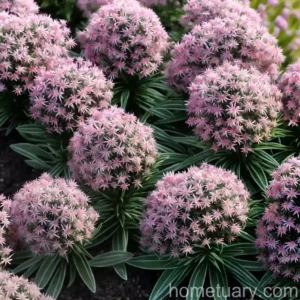
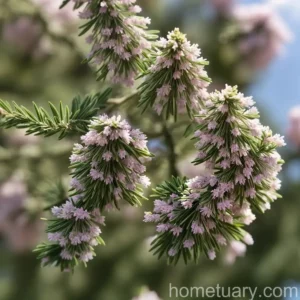
Erica carnea ‘Springwood White’ is a delightful evergreen perennial plant that belongs to the Ericaceae family. It is commonly known as Winter Heath, a name that reflects its ability to bloom and thrive even during the coldest months of the year. This beautiful plant is native to the mountainous regions of Southern Europe, where it graces the landscape with its stunning display of delicate white flowers against a backdrop of glossy, dark green foliage. Erica carnea ‘Springwood White’ is renowned for its low-growing, spreading habit, making it an excellent choice for ground cover, rock gardens, and container plantings.
Key Takeaways – Erica Carnea ‘Springwood White’
Before delving into the specific aspects of Erica carnea ‘Springwood White’, let’s highlight some key takeaways to pique your interest in this exceptional plant.
- Common Name: Winter Heath
- Botanical Name: Erica carnea ‘Springwood White’
- Family: Ericaceae
- Type: Evergreen perennial
- Flower Color: White
- Foliage: Dark green, glossy
- Blooming Season: Winter to early spring
- Uses: Ground cover, rock gardens, containers
- Hardiness Zones: 5 – 7
Now that we have a broad overview of Erica carnea ‘Springwood White’, let’s delve into the intricate details of its culture, uses, and care requirements to truly understand and appreciate this captivating plant.
Culture
Understanding the cultural requirements of Erica carnea ‘Springwood White’ is essential for ensuring its optimal growth and development. Let’s explore the key cultural aspects of this winter-flowering gem.
Water
Proper watering is crucial for the health and vitality of Erica carnea ‘Springwood White’. While this plant is known for its tolerance to dry and rocky conditions, it is important to provide adequate moisture, especially during the establishment phase and in prolonged dry spells. However, it is equally vital to avoid waterlogged soil, as excessive moisture can lead to root rot and other detrimental conditions.
- Tip: Water deeply but infrequently, allowing the soil to partially dry out between watering sessions. Aim to maintain a balance, providing enough moisture to support growth without creating waterlogged conditions.
Sunlight
Erica carnea ‘Springwood White’ thrives in locations that receive ample sunlight. While it can tolerate partial shade, the plant produces the most prolific blooms when grown in full sun. When selecting a planting site for Winter Heath, prioritize areas with abundant sunlight to ensure vigorous growth and a stunning floral display.
- Tip: Aim to provide at least 6 hours of direct sunlight daily to promote robust flowering and overall plant health.
Soil
The soil requirements of Erica carnea ‘Springwood White’ are relatively straightforward. This plant prefers well-draining, slightly acidic soil with a pH level in the range of 5.0 to 6.0. Additionally, it thrives in sandy or loamy soils with good aeration and minimal compaction.
- Tip: Prior to planting, amend the soil with organic matter such as compost or leaf mold to improve drainage and enhance the soil structure.
Fertilizer
When it comes to fertilizing Erica carnea ‘Springwood White’, a light touch is often best. This plant generally does not require heavy feeding and can thrive in relatively nutrient-poor soils. However, a balanced, slow-release fertilizer applied in early spring can provide the plant with a gentle nutrient boost to support healthy growth and flowering.
- Tip: Use a low-dose, well-balanced fertilizer formulated for acid-loving plants, applying it according to the manufacturer’s instructions to avoid overfeeding.
Uses
The versatility of Erica carnea ‘Springwood White’ makes it a valuable addition to various garden settings and landscaping designs. Let’s explore some of the key uses of Winter Heath and how it can be integrated into different contexts to maximize its visual appeal and practical benefits.
Ground Cover
One of the most popular uses of Erica carnea ‘Springwood White’ is as a ground cover plant. Its low-growing, spreading habit and evergreen foliage make it well-suited for creating a lush carpet of greenery, especially in areas where traditional turfgrass may struggle to thrive. Whether adorning slopes, edging pathways, or filling in gaps between larger plants, Winter Heath excels as a ground cover and brings a touch of natural beauty to the landscape.
- Tip: When using Erica carnea ‘Springwood White’ as a ground cover, space the plants approximately 18 to 24 inches apart to allow for sufficient coverage and expansion over time.
Rock Gardens
The rugged charm of rock gardens provides an ideal setting for showcasing the delicate elegance of Erica carnea ‘Springwood White’. This plant’s adaptability to well-draining, rocky substrates and its ability to withstand harsh conditions make it an excellent choice for rockeries and alpine garden settings. Its low stature and profuse winter blooms add a captivating dimension to rock garden compositions, creating a visually stunning display against the backdrop of stone and gravel.
- Tip: When incorporating Winter Heath into rock gardens, position the plants strategically to take advantage of their cascading growth habits, with flowers spilling over the edges of rock crevices for a picturesque effect.
Container Plantings
For urban and small-space gardens, as well as patios, decks, and balconies, Erica carnea ‘Springwood White’ shines as a container plant. Its compact size and spreading nature make it an excellent candidate for container arrangements, whether planted solo in a decorative pot or combined with other winter-interest plants for a seasonal display. The white blooms of Winter Heath provide a refreshing contrast against the backdrop of containers and can brighten up outdoor living areas during the colder months.
- Tip: When cultivating Erica carnea ‘Springwood White’ in containers, use a well-draining potting mix designed for acid-loving plants and ensure that the containers have adequate drainage to prevent waterlogging.
Pruning
Pruning is an essential aspect of maintaining the health, appearance, and vigor of Erica carnea ‘Springwood White’. Proper pruning practices not only control the plant’s growth and shape but also encourage abundant flowering and rejuvenate older specimens. Let’s delve into the key considerations for pruning Winter Heath to ensure its long-term health and visual appeal.
Pruning Timing
The most suitable time to prune Erica carnea ‘Springwood White’ is immediately after the flowering period, typically in early spring. This timing allows the plant to recover from pruning and focus its energy on new growth and bud formation for the following season’s blooms. However, it is important to avoid pruning too late in the season, as doing so may impact the plant’s ability to set flower buds for the following year.
- Tip: Use clean, sharp pruning shears to make precise cuts and minimize the risk of damage or disease transmission.
Pruning Techniques
When pruning Winter Heath, focus on removing spent flower heads and lightly shaping the plant to maintain a tidy, compact form. Additionally, consider thinning out any congested or crossing branches to improve air circulation and reduce the risk of disease. Avoid heavy pruning, as excessive removal of foliage and stems may compromise the plant’s ability to photosynthesize and store energy for the winter months.
- Tip: As you prune, step back periodically to assess the plant’s overall form and ensure that you achieve a balanced, harmonious shape.
Propagation
The propagation of Erica carnea ‘Springwood White’ offers gardening enthusiasts the opportunity to expand their collection of this charming plant and share its beauty with others. Whether through division, cuttings, or seeds, there are several viable methods for propagating Winter Heath. Let’s explore these propagation techniques and discover how to successfully propagate Erica carnea ‘Springwood White’ to create new plants for the garden.
Division
Dividing established clumps of Erica carnea ‘Springwood White’ is a straightforward and effective method of propagation. This technique is best performed in early spring, just as new growth begins to emerge. By carefully separating the outer sections of the plant from the main clump, gardeners can create multiple divisions, each with its own root system and potential for independent growth.
- Tip: When dividing Winter Heath, ensure that each new division has a healthy root system and an adequate portion of foliage to support its initial growth.
Cuttings
Taking cuttings from healthy, actively growing stems of Erica carnea ‘Springwood White’ is a reliable way to propagate the plant and produce genetically identical offspring. Softwood cuttings taken in late spring to early summer have a high success rate and root readily under favorable conditions. With proper care and attention, these cuttings can develop into robust young plants ready for transplanting.
- Tip: Dip the base of the cuttings in a rooting hormone powder to enhance their ability to form roots and increase the likelihood of successful propagation.
Sowing Seeds
While propagating Erica carnea ‘Springwood White’ from seeds is possible, it is important to note that this method requires patience and careful attention to the needs of the developing seedlings. Sow the seeds in a well-draining, sterile seed-starting mix and provide the appropriate warmth and moisture for germination. Due to the potential variation in seed-grown offspring, expect some diversity in the characteristics of the resulting plants.
- Tip: To increase the chances of successful germination, stratify the seeds by cold-treating them for a period of 4 to 6 weeks before sowing.
Container Popularity
The compact size, charming floral display, and year-round appeal of Erica carnea ‘Springwood White’ make it a popular choice for container gardening. Whether grown in individual pots, window boxes, or mixed container arrangements, Winter Heath offers a myriad of possibilities for accentuating outdoor living spaces and infusing them with the beauty of nature.
Solo Plantings
When cultivated as a solo specimen in a container, Erica carnea ‘Springwood White’ takes center stage, captivating onlookers with its profusion of white blooms and glossy foliage. Selecting an appropriately sized container with proper drainage and filling it with a well-draining potting mix forms the foundation for successful container cultivation. It is essential to monitor the watering needs of Winter Heath in containers, as the limited soil volume can result in faster drying and may necessitate more frequent irrigation.
- Tip: Choose a container that provides enough room for the plant’s roots to spread and grow, while also complementing the aesthetic appeal of the foliage and flowers.
Mixed Arrangements
In mixed container plantings, Erica carnea ‘Springwood White’ can serve as a valuable component, contributing its unique color, texture, and seasonal interest to the overall composition. Pairing Winter Heath with companion plants that complement its growth habits and cultural requirements creates captivating container displays that evolve with the changing seasons. Consider combining it with other winter bloomers, such as hellebores or miniature daffodils, for a diverse and visually striking arrangement.
- Tip: Aim for a balanced combination of plants in terms of growth habit, height, and aesthetic appeal to create harmonious mixed container plantings.
Common Diseases
While Erica carnea ‘Springwood White’ is generally resilient and low-maintenance, it is susceptible to certain diseases and disorders that can impact its health and appearance. Understanding these common ailments and their management is essential for safeguarding the well-being of Winter Heath and promoting a thriving garden ecosystem.
Disease Diagnosis
One of the most prevalent diseases affecting Erica carnea ‘Springwood White’ is powdery mildew, a fungal infection that often appears as a white, powdery coating on the plant’s foliage. This condition is exacerbated by high humidity and poor air circulation, making it crucial to address these environmental factors to reduce the risk of powdery mildew occurrence. Additionally, proper spacing, watering practices, and plant hygiene play a key role in preventing and managing this disease.
- Tip: If powdery mildew is detected on Erica carnea ‘Springwood White’, promptly remove and dispose of affected plant parts and consider the application of appropriate fungicidal treatments to mitigate the spread of the disease.
Common Pests
While Winter Heath is relatively resistant to pest infestations, it may occasionally fall victim to certain common garden pests that can diminish its vitality and aesthetic appeal. Familiarizing oneself with these pests and employing appropriate control measures is essential for preserving the health and beauty of Erica carnea ‘Springwood White’.
Anthracnose
Anthracnose, a fungal disease that causes dark, sunken lesions on the leaves and stems of susceptible plants, can affect Erica carnea ‘Springwood White’ under conducive environmental conditions. Wet, humid weather and poor air circulation create favorable circumstances for anthracnose development, necessitating proactive measures to mitigate the risk.
- Tip: Avoid overhead watering and wetting the foliage of Winter Heath to minimize the spread of anthracnose, and consider applying preventive fungicidal treatments during periods of heightened disease pressure.
Botanist’s Tips
As a plant scientist deeply invested in the study and appreciation of plant life, I am delighted to offer some exclusive botanist’s tips for cultivating and enjoying Erica carnea ‘Springwood White’ to its fullest potential. These insights are drawn from years of observation, research, and hands-on experience with this captivating plant.
Soil Considerations
When preparing the planting site for Erica carnea ‘Springwood White’, pay close attention to the soil structure and composition. Aim to create an environment that supports good drainage, aeration, and moisture retention, as these factors are instrumental in promoting healthy root development and overall plant vigor. Incorporating organic matter such as leaf mold, compost, or well-rotted manure enriches the soil and provides a conducive medium for the growth of Winter Heath.
- Tip: Perform a soil test to assess the pH and nutritional status of the soil, making adjustments as needed to create an optimal growing environment for Erica carnea ‘Springwood White’.
Floral Display Enhancement
To maximize the visual impact of Erica carnea ‘Springwood White’s charming blooms, consider interplanting it with complementary spring-flowering bulbs, such as crocuses, snowdrops, or early-blooming daffodils. This strategic combination creates a multi-layered display of colors and textures, enriching the garden with an enchanting tapestry of floral beauty. Additionally, these bulbs can fill in the gaps left by the fading Winter Heath blooms, ensuring continuous visual interest in the landscape.
- Tip: When interplanting Winter Heath with bulbs, pay attention to their respective cultural requirements to ensure harmonious coexistence and synchronized flowering.
Fun Facts
To further acquaint you with the alluring allure of Erica carnea ‘Springwood White’, I’ve compiled a collection of fascinating fun facts about this remarkable plant. These insights offer a glimpse into the captivating characteristics and ecological significance of Winter Heath, showcasing its unique attributes and enriching your understanding of its botanical allure.
-
Cold-Hardy Champion: Erica carnea ‘Springwood White’ is celebrated for its exceptional cold hardiness, thriving in USDA hardiness zones 5 to 7 and withstanding the rigors of winter with remarkable resilience. Its ability to bloom and flourish in the midst of cold and frost truly sets it apart as a winter superstar.
-
Pollinator Pleaser: The delicate flowers of Erica carnea ‘Springwood White’ serve as a vital nectar source for early-season pollinators, including bees and other beneficial insects. By providing sustenance for these essential pollinators, Winter Heath contributes to the ecological balance and biodiversity of its native and cultivated habitats.
Links to External Resources
For further exploration and in-depth information on Erica carnea ‘Springwood White’, I recommend consulting the following trusted resources:
- Royal Horticultural Society (RHS) – Erica carnea ‘Springwood White’
- Missouri Botanical Garden – Winter Heath (Erica carnea)
- The American Rhododendron Society – Growing Heather and Heaths
Incorporating insights from reputable sources and horticultural authorities can further enrich your understanding of this exceptional plant and provide valuable guidance for its cultivation and care.
In Conclusion
In conclusion, Erica carnea ‘Springwood White’, commonly known as Winter Heath, emerges as a captivating and versatile addition to the winter garden. Its enduring evergreen foliage, profuse white blooms, and adaptability to diverse planting scenarios make it a cherished gem for gardeners and landscapers seeking to infuse the winter landscape with beauty and vitality. Understanding the cultural nuances, uses, care requirements, propagation techniques, and ecological significance of Erica carnea ‘Springwood White’ fuels a deeper appreciation for this remarkable plant and equips enthusiasts with the knowledge to cultivate and celebrate its splendor to the fullest. As you embark on your journey with Winter Heath, may the elegance of Erica carnea ‘Springwood White’ inspire and delight you, enriching your outdoor spaces and invigorating the winter garden with its enduring charm.
Keywords
- Erica carnea ‘Springwood White’ care
- Winter Heath planting tips
- Growing Erica carnea ‘Springwood White’
- Winter Heath maintenance guide
- Best conditions for Erica carnea ‘Springwood White’
- Winter Heath varieties
- Pruning Erica carnea ‘Springwood White’
- How to propagate Winter Heath
- Erica carnea ‘Springwood White’ disease prevention
- Winter Heath landscape design ideas
- Soil requirements for Erica carnea ‘Springwood White’
- Winter Heath companion plants
- Erica carnea ‘Springwood White’ watering needs
- Winter Heath hardiness zones
- Sunlight requirements for Erica carnea ‘Springwood White’
- Winter Heath ground cover options
- Erica carnea ‘Springwood White’ container gardening
- Winter Heath pests and control measures
- Best time to plant Erica carnea ‘Springwood White’
- Winter Heath as a winter bloomer
- Erica carnea ‘Springwood White’ flower characteristics
- Winter Heath pollinators
- Winter care for Erica carnea ‘Springwood White’
- Erica carnea ‘Springwood White’ seasonal changes
- Winter Heath in rock gardens
- Fertilizing Erica carnea ‘Springwood White’
- Winter Heath as a border plant
- Erica carnea ‘Springwood White’ growth habits
- Winter Heath in container arrangements
- Erica carnea ‘Springwood White’ landscaping ideas
- Winter Heath as a groundcover plant
- Erica carnea ‘Springwood White