Epimedium X Rubrum (Red Barrenwort)
Epimedium x rubrum, commonly known as Red Barrenwort, is a perennial plant that belongs to the family Berberidaceae. This plant is valued for its.
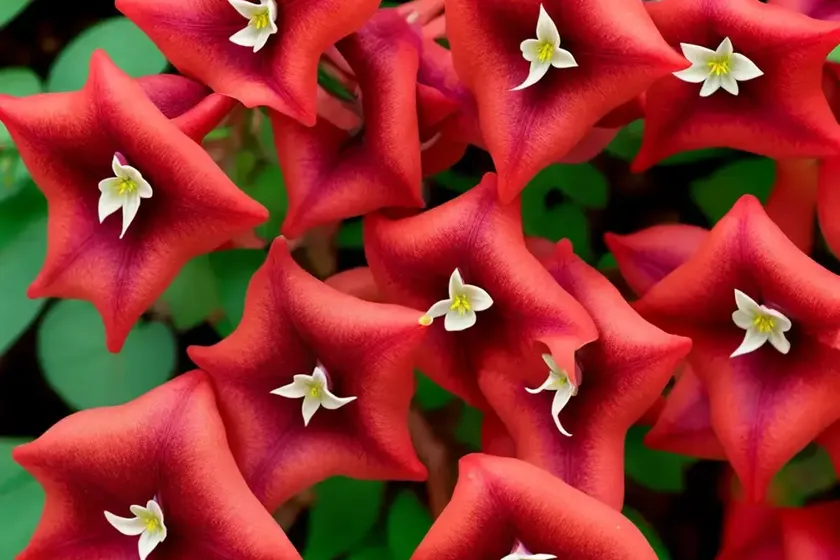
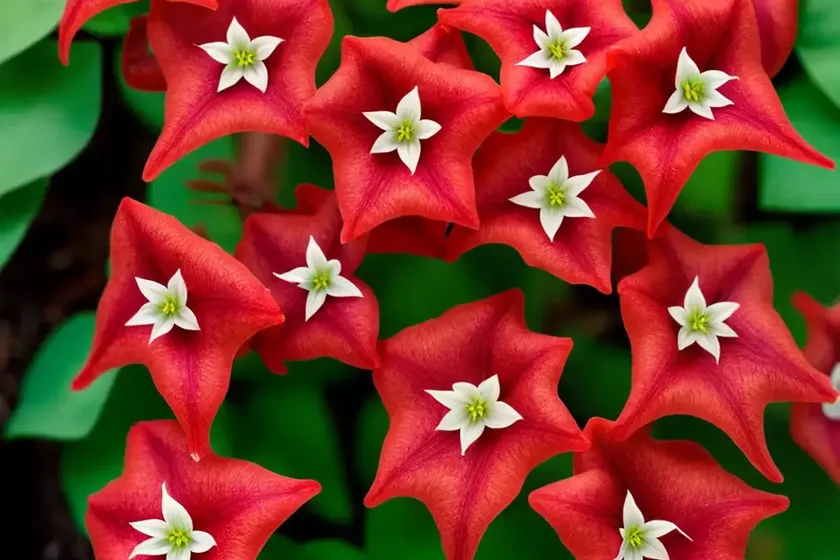
What is plant :Epimedium x rubrum (Red Barrenwort)?
Epimedium x rubrum, commonly known as Red Barrenwort, is a perennial plant that belongs to the family Berberidaceae. This plant is valued for its ornamental features, making it a popular choice in gardens and landscapes.
Key Takeaways – Epimedium x rubrum (Red Barrenwort)
Before delving into the specifics of caring for and cultivating Epimedium x rubrum, it’s crucial to understand the key takeaways associated with this plant. Here’s an overview of the significant points regarding Red Barrenwort:
- Botanical Name: Epimedium x rubrum
- Common Name: Red Barrenwort
- Family: Berberidaceae
- Plant Type: Perennial
- Water: Moderate watering
- Sunlight: Partial to full shade
- Soil: Well-draining, humus-rich soil
- Pruning: Spring cleanup and removal of old foliage
- Propagation: Division in spring, seed propagation
- Popular for: Ornamental purposes
- Common Diseases: Powdery mildew, rust
- Common Pests: Aphids, spider mites
Now, let’s delve deeper into each aspect of caring for and utilizing Epimedium x rubrum.
Culture
Uses
Epimedium x rubrum is primarily cultivated for its ornamental purposes. Its delightful flowers and attractive foliage make it a sought-after plant for various landscaping and gardening projects. Additionally, it is often used as ground cover, particularly in shaded areas.
Water
Red Barrenwort requires consistently moist soil, but it’s essential to avoid waterlogging. During the growing season, regular watering is necessary to maintain soil moisture. Adequate hydration is crucial for the plant’s overall health and vigor.
Sunlight
When it comes to sunlight requirements, Epimedium x rubrum thrives in partial to full shade. It’s best suited for shaded woodland areas or gardens with dappled sunlight. Direct sunlight can scorch the leaves, making it essential to provide ample shade for optimal growth.
Fertilizer
Applying a balanced, organic fertilizer in spring can help support the growth and blooming of Epimedium x rubrum. A slow-release fertilizer with low nitrogen content is ideal for preventing excessive foliage growth at the expense of flowers.
Soil
Red Barrenwort thrives in humus-rich, well-draining soil. The soil pH should be slightly acidic to neutral, ranging from 6.0 to 7.0. Amending the soil with organic matter, such as compost or well-rotted manure, can enhance its structure and nutrient content.
Pruning
Pruning is an essential aspect of maintaining Epimedium x rubrum’s health and appearance. In late winter or early spring, it’s recommended to remove old, tattered foliage to pave the way for new growth. This rejuvenation process can significantly enhance the plant’s vigor and bloom quality.
Propagation
Epimedium x rubrum can be propagated through division in spring. Separating the plant’s rhizomes and replanting them in suitable locations facilitates the propagation process. Additionally, this species can be propagated from seeds, although this method requires patience and specific environmental conditions to succeed.
Container Popularity
While Red Barrenwort is primarily known for its use in garden beds and landscapes, it can also thrive in containers. Its low-growing, spreading nature makes it an attractive option for container gardening, especially in shaded or woodland-themed arrangements.
Common Diseases
The health of Epimedium x rubrum can be impacted by common garden diseases, including powdery mildew and rust. Monitoring the plant for signs of these diseases and taking appropriate measures, such as improving air circulation and applying fungicidal treatments if necessary, can help manage these issues effectively.
Disease Diagnosis
Diagnosing diseases in Epimedium x rubrum involves observing the plant for unusual symptoms. These may include powdery white spots on the leaves (indicative of powdery mildew) or orange, powdery pustules (signs of rust). Timely intervention and proper disease identification are essential for effective management.
Common Pests
Red Barrenwort is susceptible to pest infestations, including aphids and spider mites. These pests can affect the plant’s vigor and aesthetics, making it crucial to regularly inspect the foliage and take prompt action to mitigate pest-related issues.
Botanist’s Tips
-
Companion Plants: When planning companion plantings, consider species that thrive in similar environmental conditions, such as other shade-loving perennials like hostas (Hosta spp.) and ferns.
-
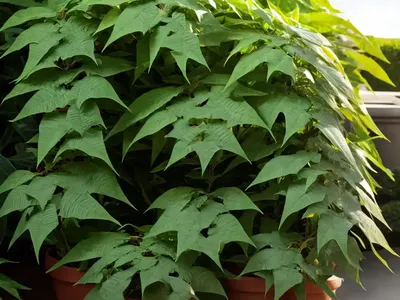
Foliage Texture: The delicate, heart-shaped leaves of Epimedium x rubrum add a unique textural element to shaded gardens, creating visual interest and diversity.
-
Wildlife Attraction: While not a primary wildlife food source, Red Barrenwort can still contribute to habitat diversity and may attract beneficial insects.
Fun Facts
-
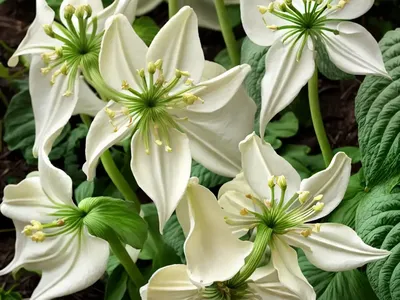
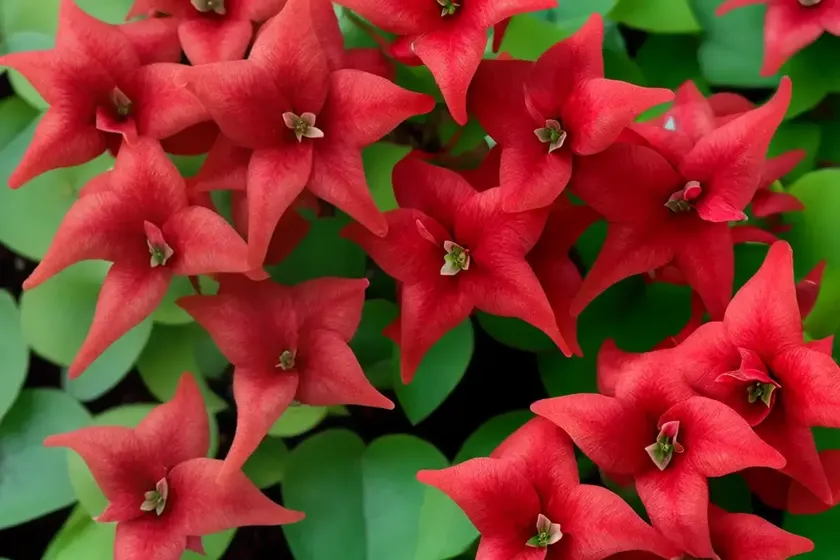
Epimedium x rubrum is valued for its colorful foliage and delicate, spurred flowers, which can range from pink to red, adding vibrancy to shaded areas.
-
The genus name Epimedium is derived from the Greek word “epi” (upon) and “médéon” (action), alluding to the traditional belief that the plant’s consumption could enhance sexual performance, leading to its common name, “horny goat weed.”
Links to External Resources
For further exploration of Epimedium x rubrum and related topics, the following external resources are recommended:
- Royal Horticultural Society – Epimedium
- Missouri Botanical Garden – Epimedium
- University of Maryland Extension – Ornamental Plant IPM
- North Carolina State University – Integrated Pest Management
- American Society for the Prevention of Cruelty to Animals – Poisonous Plants
By utilizing these resources, one can gain extensive knowledge related to the care, cultivation, and uses of Epimedium x rubrum.
Conclusion
Epimedium x rubrum, or Red Barrenwort, is a versatile and visually appealing perennial plant that holds its own in shaded gardens and landscapes. Its striking foliage, vibrant flowers, and adaptability make it a valuable addition to any plant collection. By understanding its cultural requirements, disease management strategies, and propagation techniques, enthusiasts and horticulturists can successfully incorporate Epimedium x rubrum into their gardening endeavors, enhancing the beauty and biodiversity of their outdoor spaces.
In the realm of ornamental perennials, Red Barrenwort stands out as an attractive and resilient species, capable of flourishing in diverse environments while providing aesthetic and ecological benefits.
To stay updated about the latest findings and trends in the scientific world, remember to bookmark the Scientific American website and check back regularly for updates.