Epimedium Leptorrhizum (Barrenwort)
In the world of landscaping and horticulture, the Epimedium genus often sparks interest. One of its species that stands out is Epimedium leptorrhizum.

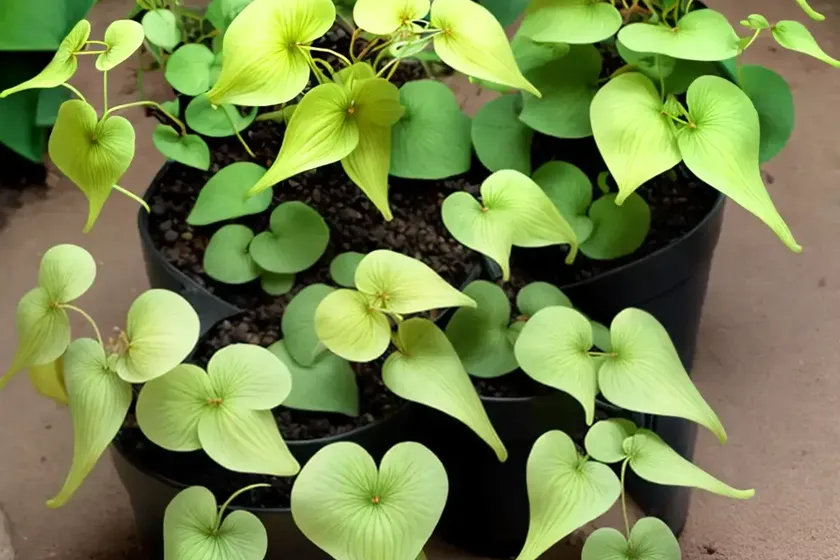
In the world of landscaping and horticulture, the Epimedium genus often sparks interest. One of its species that stands out is Epimedium leptorrhizum, commonly known as Barrenwort. This article is an in-depth exploration of Epimedium leptorrhizum, covering its culture, uses, cultivation requirements, and more.
What is Epimedium Leptorrhizum (Barrenwort)?
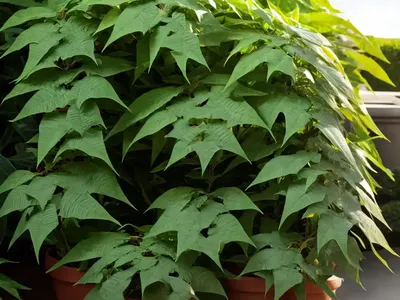
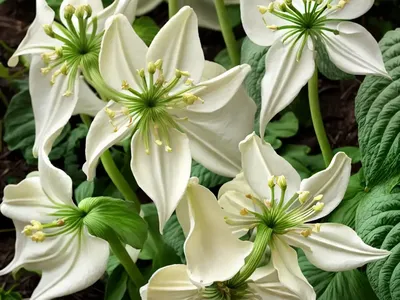
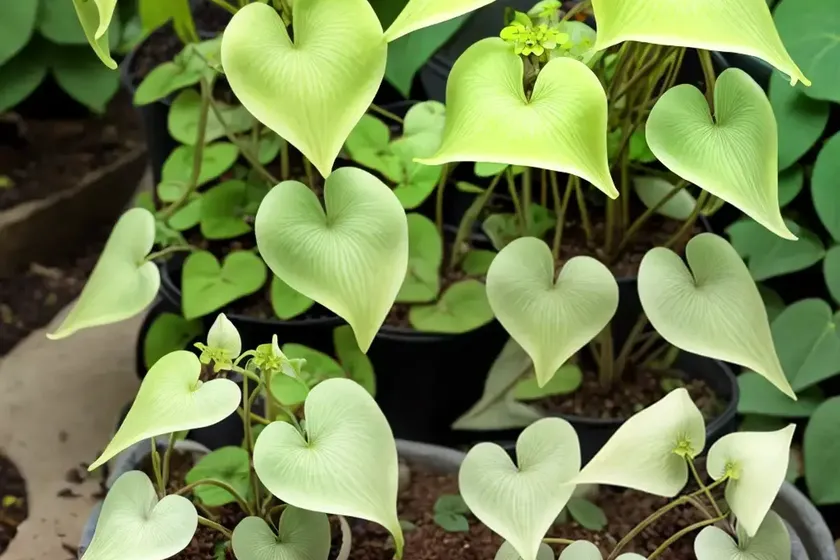
Epimedium leptorrhizum, a member of the Berberidaceae family, is a deciduous perennial that originates from the mountainous regions of China. It is an ideal ground cover plant known for its delicate, heart-shaped leaves and beautiful flowers, making it a valuable addition to woodland gardens, shady borders, or naturalistic settings.
Key Takeaways – Epimedium Leptorrhizum (Barrenwort)
Before delving into the specific aspects of Epimedium leptorrhizum, let’s take a quick look at the key takeaways regarding this intriguing plant.
- Botanical Name: Epimedium leptorrhizum
- Common Name: Barrenwort
- Family: Berberidaceae
- Native to: China
- Plant Type: Deciduous Perennial
- Growth Habit: Spreading, Clump-forming
- Foliage: Heart-shaped, Leathery
- Flowers: Delicate, Spidery, Yellow or White
- Uses: Ground cover, Shade gardens, Borders
- Hardiness Zone: 5 to 9
- Special Features: Deer-resistant, Medicinal uses
With these key points in mind, let’s dive deeper into the specifics of Epimedium leptorrhizum and understand its unique characteristics, cultural requirements, and potential uses.
Culture
Understanding the culture of Epimedium leptorrhizum is essential for successful growth and beautiful displays of its distinct foliage and flowers. Here’s what you need to know about the culture of this intriguing plant:
Uses
Epimedium leptorrhizum finds several uses in landscaping and horticulture due to its unique attributes. Understanding its potential uses is crucial for incorporating it effectively into various settings. Some primary uses include:
- Ground Cover: Due to its spreading habit and dense foliage, Epimedium leptorrhizum serves as an excellent ground cover, particularly in shaded areas.
- Shade Gardens: Its preference for shaded and partially shaded locations makes it an ideal choice for woodland gardens and shaded borders.
- Borders and Edging: The delicate foliage and flowers of Barrenwort make it a charming addition to borders and edging, adding a touch of elegance to the landscape.
Water
Proper watering is vital for the health and vigor of Epimedium leptorrhizum. Although it does have some drought tolerance once established, consistent moisture is beneficial, especially during the growing season.
- During periods of little rainfall or dry spells, water the plant deeply to ensure the soil remains consistently moist. However, it is important to avoid waterlogging the soil, as this can lead to root rot.
Sunlight
Understanding the sunlight requirements of Epimedium leptorrhizum is crucial to ensure its thriving growth and abundant flowering. As a plant that naturally inhabits woodland areas, Barrenwort prefers partial to full shade.
- Growing Conditions: Plant Epimedium leptorrhizum in locations with dappled shade or where it receives filtered sunlight. Avoid placing it in areas with intense, direct sunlight, as this can scorch the delicate foliage.
Fertilizer
Proper fertilization can enhance the growth and flowering of Epimedium leptorrhizum, ensuring it remains healthy and vibrant throughout the growing season.
- Timing: Apply a balanced, slow-release fertilizer in early spring, just as new growth emerges. Avoid over-fertilizing, as this can lead to excessive foliage at the expense of flowers.
- Method: Gently work the fertilizer into the soil around the plant, ensuring it is evenly distributed.
Soil
The right soil conditions are essential for the well-being of Epimedium leptorrhizum. Understanding its soil preferences can greatly contribute to its successful establishment and ongoing health.
- Soil Type: Barrenwort thrives in moist, well-draining soil with a rich organic content. A loamy, slightly acidic soil is ideal for its growth.
- Soil Amendments: Incorporating organic matter such as compost or leaf mold into the soil can improve its structure and fertility, providing an optimal growing medium for Epimedium leptorrhizum.
Pruning
Pruning Epimedium leptorrhizum can help maintain its shape and encourage new growth and flowering. Understanding the best pruning practices for this plant is essential for its long-term health and appearance.
- Timing: Prune Barrenwort in late winter or early spring before new growth emerges. This allows you to remove any damaged or dead foliage while creating space for new growth.
- Method: Use sharp, clean pruners to trim back any old or damaged foliage, as well as to shape the plant if necessary. Avoid cutting into the crowns of the plant, as this can hinder its growth.
Propagation
The ability to propagate Epimedium leptorrhizum is valuable for expanding its presence in the landscape or sharing it with other gardening enthusiasts. Understanding the various propagation methods can help you efficiently propagate this plant.
- Division: Divide mature clumps of Barrenwort in early spring or fall to create new plants. Carefully separate the rhizomes, ensuring each division has several healthy shoots and roots.
- Seed Propagation: Collect seeds from mature plants and sow them in a well-prepared seedbed. Keep the soil consistently moist and provide the seeds with dappled shade for optimal germination.
Container Popularity
While Epimedium leptorrhizum is often grown in garden beds, it also has a certain appeal when grown in containers. Understanding its suitability for container cultivation and the necessary considerations is essential if you plan to grow it in pots or planters.
- Container Size: Choose a container that provides ample space for the plant’s roots to spread. A wide, shallow container can accommodate the rhizomatous growth of Barrenwort effectively.
- Soil Mix: Use a well-draining potting mix rich in organic matter to provide an optimal growing medium for Epimedium leptorrhizum in containers.
- Placement: Position the container in a shaded or partially shaded area, ensuring it receives adequate light without being exposed to intense sunlight.
Common Diseases
While Epimedium leptorrhizum is generally a resilient plant, it can be susceptible to certain diseases. Understanding the common diseases that can affect this plant is crucial for timely intervention and effective management.
Disease Diagnosis
Common diseases that may impact Epimedium leptorrhizum include:
- Powdery Mildew: This fungal disease manifests as a white, powdery coating on the leaves, stems, and flowers of the plant. It can hinder the plant’s photosynthetic capabilities and overall health.
- Anthracnose: Anthracnose can cause dark, sunken lesions on the foliage and stems of Barrenwort, potentially leading to defoliation and reduced vigor.
- Root Rot: Excessive moisture or waterlogging can lead to the development of root rot, causing the plant to wilt, exhibit yellowing foliage, and eventually collapse.
Understanding the symptoms and signs of these diseases can aid in timely diagnosis and appropriate treatment to protect the health of Epimedium leptorrhizum.
Common Pests
In addition to diseases, Epimedium leptorrhizum can also encounter certain pests that may impact its growth and appearance. Understanding the common pests and their management is essential for maintaining the health of this plant.
Botanist’s Tips
A few notable tips for successfully growing and caring for Epimedium leptorrhizum include:
- Mulching: Apply a layer of organic mulch around the base of the plant to conserve soil moisture, suppress weeds, and maintain a cool, stable root environment.
- Companion Planting: Pair Barrenwort with other shade-loving plants such as ferns, hostas, and tiarellas to create attractive and diverse shaded landscapes.
- Overwintering: In regions with harsh winters, provide a layer of mulch or pine straw to insulate the plant’s roots and protect them from freezing temperatures.
Fun Facts
- The genus name Epimedium is derived from the Greek words ‘epi’ and ‘hodos,’ which roughly translate to “upon the path.” This is a reference to the plant’s natural habitat and its tendency to grow along paths and woodland areas.
- Epimedium leptorrhizum is known for its use in traditional Chinese medicine, where it is valued for its potential medicinal properties, particularly for addressing issues related to the reproductive system.
Now that we have gained a comprehensive understanding of Epimedium leptorrhizum, its culture, uses, and potential challenges, let’s explore some external resources that provide further insights into this captivating plant.
Links to External Resources
- The Genus Epimedium: A Botanical and Horticultural Review
- Gardening with Perennials: Epimediums
- Medicinal Properties of Epimedium Species
So, whether you are a gardening enthusiast, a horticulturalist, or simply someone who appreciates the beauty and diversity of plant life, Epimedium leptorrhizum stands out as an intriguing and valuable addition to gardens and landscapes. Its unique characteristics, cultural requirements, and potential uses make it a plant worth exploring and incorporating into various settings, enriching the natural tapestry of the outdoor environment.