Epimedium ‘Kaguyahime’ (Barrenwort)
Plants are not only essential for the environment but also play a significant role in our lives. They come in a myriad of forms, colors, and.
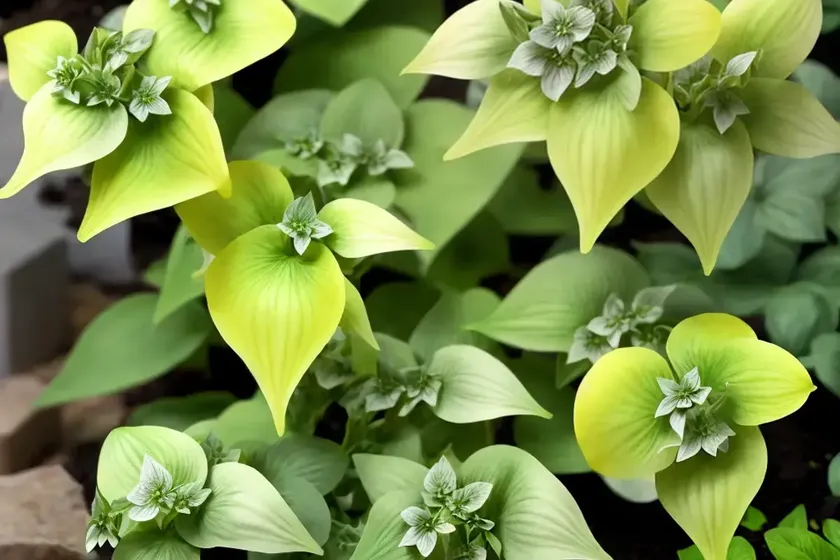
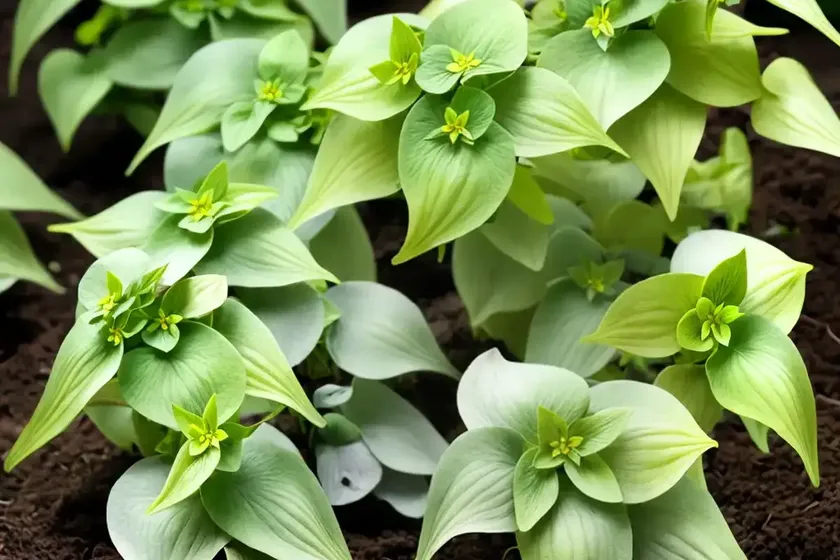
Plants are not only essential for the environment but also play a significant role in our lives. They come in a myriad of forms, colors, and characteristics, making them a fascinating subject to study and cultivate. In this blog post, we will delve into the captivating world of the Epimedium ‘Kaguyahime’ (Barrenwort), exploring its features, care, and uses. Whether you are a seasoned gardener or a novice plant enthusiast, this guide will provide valuable insights into this remarkable plant.
What is Epimedium ‘Kaguyahime’ (Barrenwort)?
The Epimedium, commonly known as Barrenwort or Bishop’s Hat, is a genus of flowering plants in the family Berberidaceae. It encompasses a diverse group of herbaceous perennials, boasting delicate and exquisite blooms that grace gardens and landscapes with their charm. Epimedium ‘Kaguyahime’ is a specific cultivar of this genus, known for its unique features and adaptability.
Epimedium Kaguyahime Description
Epimedium ‘Kaguyahime’ is a perennial plant that exhibits intricate foliage and elegant flowers, making it a sought-after choice for gardeners. Its enchanting characteristics include:
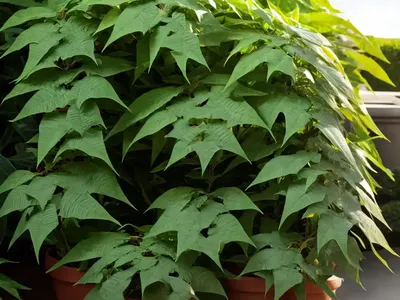
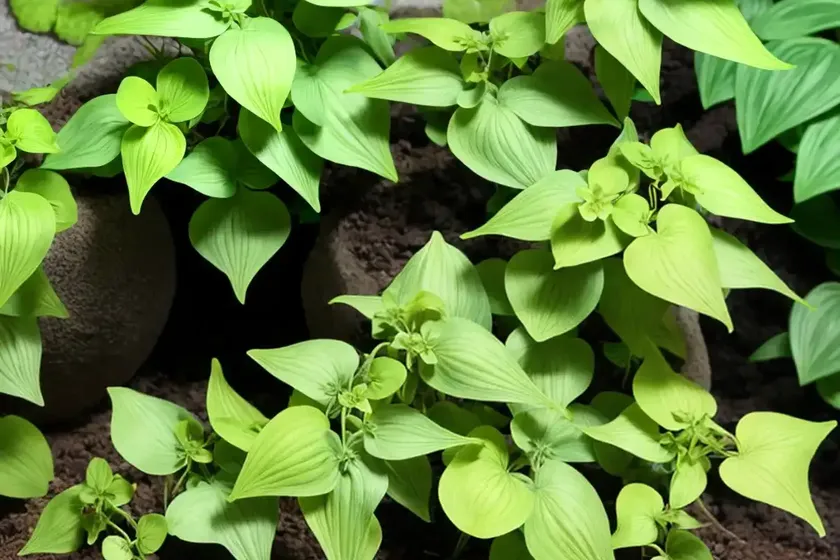
- Foliage: The leaves of Epimedium ‘Kaguyahime’ are distinctively shaped, often bearing an exquisite resemblance to the foliage of the maidenhair fern. The foliage is a significant highlight of this plant, adding an element of grace to its overall allure.
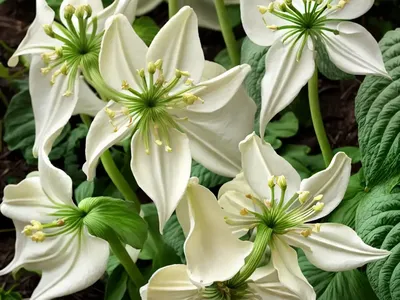
- Flowers: The flowers of Epimedium ‘Kaguyahime’ are captivating, featuring delicate petals that bloom in various shades, ranging from soft pinks to creamy whites. These blossoms bring a touch of elegance to any garden space, creating a visually enchanting display.
Key Takeaways – Epimedium ‘Kaguyahime’ (Barrenwort)
Before delving deeper into the cultivation and maintenance of Epimedium ‘Kaguyahime,’ it is essential to grasp the fundamental takeaways associated with this exquisite plant. Let’s explore its culture, uses, and essential care requirements.
Culture
Uses
Epimedium ‘Kaguyahime’ holds a revered position among gardeners and landscapers due to its versatile uses. Some of the common applications include:
- Groundcover: The spreading nature of Epimedium ‘Kaguyahime’ makes it an excellent choice for groundcover, particularly in shaded areas where its delicate foliage can thrive.
- Woodland Gardens: Its adaptable nature enables it to thrive in woodland garden settings, providing a natural and organic appeal to the landscape.
- Rock Gardens: Due to its resilience and low-maintenance attributes, Epimedium ‘Kaguyahime’ is well-suited for rock gardens, adding a touch of elegance to the rocky terrain.
Water
Establishing the appropriate watering routine is crucial for the health and vitality of Epimedium ‘Kaguyahime.’ This plant thrives in evenly moist, well-draining soil. During the growing season, regular watering is necessary to support its foliage and encourage the development of vibrant blooms. However, it is essential to avoid overwatering, as excessive moisture can lead to root rot and other detrimental conditions. Throughout the dormant seasons, a more conservative watering approach is adopted to accommodate the plant’s natural growth patterns.
Sunlight
Epimedium ‘Kaguyahime’ is well-suited for shaded or partially shaded settings, thriving in the gentle embrace of dappled sunlight. While it can tolerate varying light conditions, it is crucial to shield it from intense, direct sun, especially during the peak hours of the day. The filtered sunlight in woodland gardens or the sheltered ambiance in shaded borders provides an ideal environment for this exquisite plant to flourish.
Fertilizer
When it comes to fertilization, Epimedium ‘Kaguyahime’ benefits from a balanced and organic approach. Incorporating a slow-release, granular fertilizer into the soil in early spring provides the plant with the essential nutrients it requires to support healthy growth and prolific flowering. It is crucial to adhere to the recommended dosage and application guidelines to prevent over-fertilization, which can be detrimental to the plant’s overall well-being.
Soil
The soil composition plays a pivotal role in the prosperity of Epimedium ‘Kaguyahime.’ It thrives in humus-rich, well-draining soil that offers a nutrient-dense foundation for its roots to establish and spread. A slightly acidic to neutral pH level is conducive to its growth, ensuring that the soil provides an optimal environment for the plant to thrive. Amending the soil with organic matter such as compost or leaf mold enhances its structure and fertility, creating a hospitable habitat for the plant.
Pruning
Pruning is an integral aspect of maintaining the health and vigor of Epimedium ‘Kaguyahime.’ In late winter or early spring, the removal of old, tattered foliage and spent flower stems rejuvenates the plant and stimulates the emergence of fresh growth. This practice helps in preventing diseases, enhancing the plant’s aesthetic appeal, and promoting a compact and tidy growth habit. Additionally, removing any invasive or overcrowding stems contributes to the overall well-being of the plant while allowing for adequate air circulation.
Propagation
The propagation of Epimedium ‘Kaguyahime’ can be achieved through various methods, including division, seed sowing, and rhizome cuttings. Division is a popular and effective technique, typically performed in spring or fall, where the rhizomes are carefully separated and replanted in suitable locations. Seed sowing presents another avenue for propagation, requiring patience and attentive care to nurture the seeds into healthy seedlings. Rhizome cuttings offer a reliable means of producing new plants, particularly suited for those interested in expanding their Epimedium ‘Kaguyahime’ collection.
Container Popularity
Epimedium ‘Kaguyahime’ has garnered popularity among container gardeners, as its adaptable nature extends to container cultivation. The delicate beauty of its foliage and the charming allure of its flowers make it a captivating addition to containers, accentuating patios, balconies, and other outdoor spaces with its elegant presence.
Common Diseases
As with any plant, Epimedium ‘Kaguyahime’ is susceptible to certain diseases and ailments that can hinder its growth and vitality. Understanding the common diseases associated with this plant is essential for implementing preventive measures and prompt interventions. Some of the prevalent diseases include:
- Powdery Mildew: This fungal disease manifests as a powdery, white substance on the foliage, affecting the overall health of the plant.
- Leaf Spot: Leaf spot diseases can lead to the development of dark lesions on the leaves, potentially causing defoliation and weakening the plant’s vigor.
- Root Rot: Excessive moisture and poor drainage can result in root rot, compromising the plant’s root system and leading to a decline in health.
Disease Diagnosis
Accurately diagnosing and identifying diseases affecting Epimedium ‘Kaguyahime’ is crucial for formulating targeted treatment strategies. Visual symptoms, such as discoloration, unusual growth patterns, and the presence of unusual spots or patches, serve as key indicators for diagnosing diseases. Additionally, conducting a thorough assessment of the plant’s growing conditions, including soil moisture, air circulation, and environmental factors, aids in pinpointing the underlying causes of the prevailing diseases.
Common Pests
Pests can pose a threat to the well-being of Epimedium ‘Kaguyahime,’ requiring vigilance and proactive measures to deter and manage infestations. Some of the common pests that target this plant include:
- Aphids: These small, sap-sucking insects can congregate on the foliage and stems, causing distortion and weakening of the plant.
- Spider Mites: Spider mites are notorious for infesting the undersides of leaves, where they feed on plant tissues and induce visible damage.
- Slugs and Snails: These voracious pests can feed on the tender foliage of Epimedium ‘Kaguyahime,’ leaving behind unsightly holes and compromising the plant’s aesthetic appeal.
Botanist’s Tips
Incorporating the insights and guidance of experienced botanists can greatly enhance the cultivation and care of Epimedium ‘Kaguyahime.’ Their tips encompass a wide range of aspects, from soil preparation to pest management, offering valuable recommendations for nurturing this remarkable plant. Some of the notable botanist’s tips include:
- Mulching: Applying a layer of organic mulch around the base of the plant aids in conserving soil moisture, suppressing weeds, and enriching the soil as it decomposes.
- Adequate Air Circulation: Ensuring proper air circulation around the plant’s foliage minimizes the risk of fungal diseases and promotes overall plant health.
- Regular Inspections: Conducting routine inspections of the plant for signs of pests, diseases, and nutrient deficiencies enables early detection and intervention, preventing detrimental outcomes.
Fun Facts
Delving into the realm of fun and intriguing facts about Epimedium ‘Kaguyahime’ adds an element of fascination and appreciation for this exceptional plant:
- The genus name “Epimedium” is derived from the Greek words “epi” and “hodos,” meaning “upon” and “way,” respectively, alluding to the plant’s habitats in the wild.
- Epimedium ‘Kaguyahime’ is renowned for its role in traditional Chinese medicine, where certain species within the genus are utilized for their purported medicinal properties.
- The cultivar name “Kaguyahime” pays homage to the Japanese folktale “The Tale of the Bamboo Cutter,” where “Kaguya-hime” translates to “Shining Princess,” resonating with the ethereal charm of this plant.
Links to External Resources
For comprehensive information and resources on Epimedium ‘Kaguyahime’ and related topics, explore the following links:
- Royal Horticultural Society – Epimediums
- The American Epimedium Society
- Missouri Botanical Garden – Epimedium
Conclusion
The allure of Epimedium ‘Kaguyahime’ extends far beyond its aesthetic appeal, encompassing a rich tapestry of cultural significance, adaptive traits, and horticultural value. As we navigate through the nuanced care and cultivation strategies associated with this remarkable plant, we gain a deeper appreciation for its resilience and elegance. By incorporating the insights and recommendations presented in this guide, gardeners and plant enthusiasts can embark on a rewarding journey of nurturing and cherishing the captivating beauty of Epimedium ‘Kaguyahime’ in their own botanical sanctuaries.
Plant scientists around the world continue to study and admire the nuanced characteristics and ecological significance of Epimedium ‘Kaguyahime,’ contributing to the ever-growing body of knowledge surrounding this exceptional genus. As we celebrate the splendor of this plant, we also recognize the profound connections it fosters between nature, culture, and the human experience, enriching our lives in countless ways.