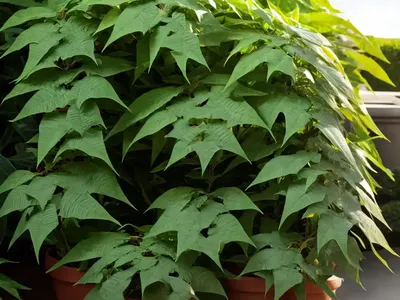
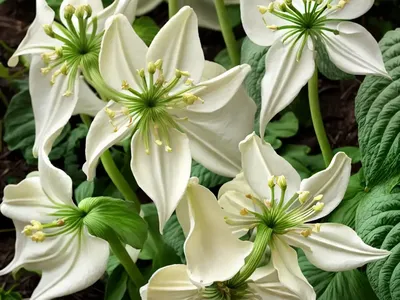
Epimedium Grandiflorum ‘Lilafee’ (Barrenwort)
The world of plants is vast and diverse, with each species offering unique characteristics, growth requirements, and ecological significance. In this.
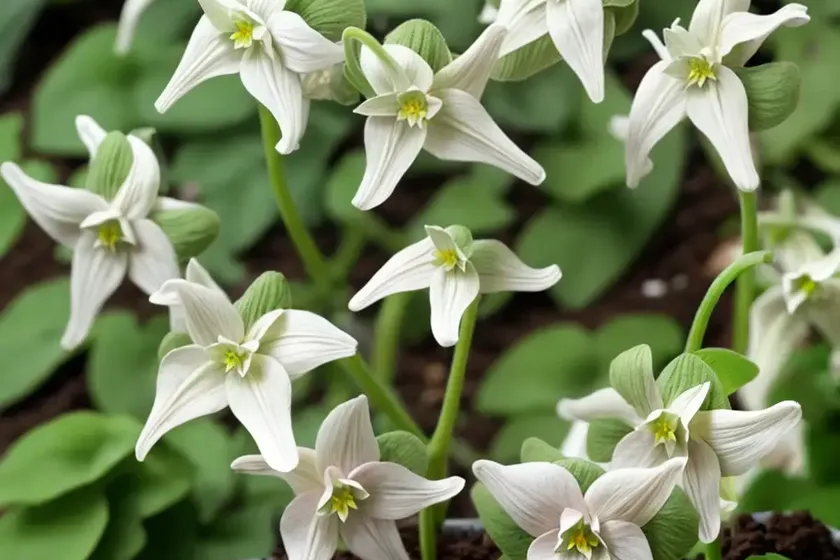
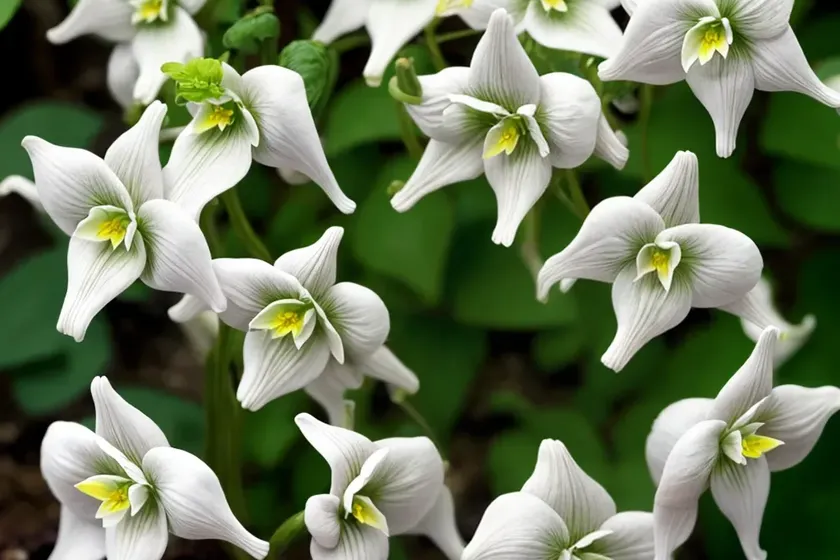
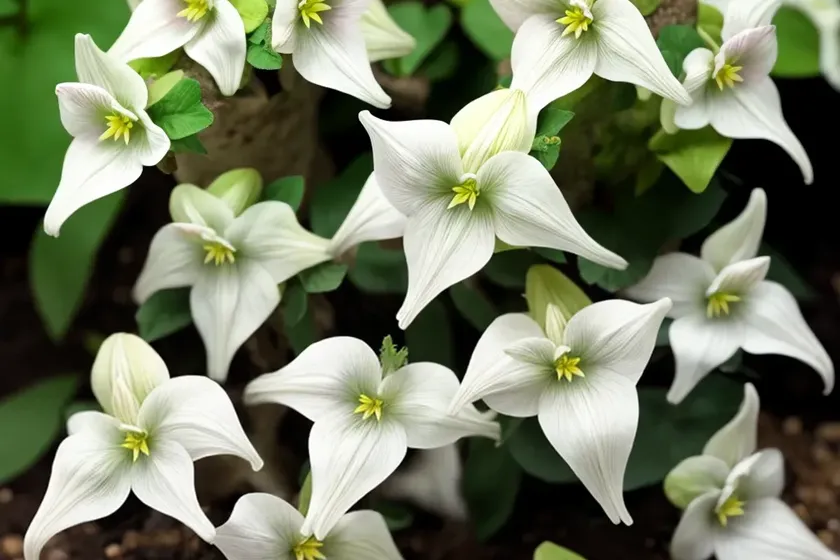
The world of plants is vast and diverse, with each species offering unique characteristics, growth requirements, and ecological significance. In this extensive guide, we’ll delve deep into the captivating world of Epimedium grandiflorum ‘Lilafee’ – commonly known as Barrenwort. As a plant scientist, I’ve had the privilege of studying and unraveling the mysteries of this stunning plant, and I’m thrilled to share my insights with you.
What is Epimedium grandiflorum ‘Lilafee’ (Barrenwort)?
Epimedium grandiflorum ‘Lilafee’ is a perennial herbaceous plant that belongs to the Berberidaceae family. It is native to East Asia, including China, Korea, and Japan. This enchanting plant is renowned for its ornamental foliage and delicate, fairy-like flowers, making it a sought-after addition to gardens and landscapes around the world.
With its distinctive characteristics and versatile nature, Epimedium grandiflorum ‘Lilafee’ has captured the hearts of gardening enthusiasts, horticulturists, and nature lovers alike. Let’s embark on a journey to explore the key aspects of this captivating plant, from its cultural significance to its growth requirements and beyond.
Key Takeaways – Epimedium grandiflorum ‘Lilafee’ (Barrenwort)
Before we delve into the intricacies of caring for Epimedium grandiflorum ‘Lilafee (Barrenwort), let’s take a moment to highlight the key takeaways that will shape our understanding of this remarkable plant:
- Scientific Name: Epimedium grandiflorum ‘Lilafee’
- Common Name: Barrenwort
- Plant Type: Herbaceous perennial
- Family: Berberidaceae
- Native Habitat: East Asia (China, Korea, Japan)
- Notable Features: Ornamental foliage, delicate flowers
- Cultural Significance: Ornamental plant, medicinal uses
- Growth Requirements: Partial shade, well-draining soil, moderate watering
- Propagation Methods: Division, seeds
- Common Pests: Aphids, spider mites
- Common Diseases: Leaf spot, powdery mildew
- Special Characteristics: Deer-resistant, long-lived
Now that we’ve set the stage for our exploration, let’s delve deeper into the captivating world of Epimedium grandiflorum ‘Lilafee and unravel the secrets of caring for this enchanting plant.
Culture
Uses
Epimedium grandiflorum ‘Lilafee’ holds a special place in horticulture due to its versatile uses. Here are some of the primary uses of this captivating plant:
-
Ornamental Plant: The distinctive foliage and dainty flowers make Epimedium grandiflorum ‘Lilafee a standout feature in gardens and landscapes. Its graceful appearance adds an elegant touch to shaded areas and woodland gardens.
-
Medicinal Purposes: Historically, certain species of the Epimedium genus have been used in traditional Chinese medicine for their potential aphrodisiac and medicinal properties. While it’s important to consult with healthcare professionals before using any plant for medicinal purposes, Epimedium grandiflorum has been a subject of interest in herbal medicine.
Water
Proper watering is essential for the health and vitality of Epimedium grandiflorum ‘Lilafee. Here are some key points to consider when watering this enchanting plant:
-
Moderate Moisture: While Epimedium grandiflorum ‘Lilafee appreciates consistent moisture, it is crucial to avoid waterlogged conditions. The plant thrives in well-draining soil, and excessive waterlogging can lead to root rot and other complications.
-
Established Plant Care: Once established, Epimedium grandiflorum ‘Lilafee exhibits good drought tolerance. However, during prolonged dry spells, providing supplemental watering can help the plant thrive and maintain its ornamental appeal.
Sunlight
Epimedium grandiflorum ‘Lilafee displays a preference for partial to full shade, making it an ideal choice for shaded or woodland settings. Here are some insights into its sunlight requirements:
-
Shade-Loving Plant: This enchanting perennial thrives in locations with dappled or partial shade. It is well-suited for planting under deciduous trees, along woodland edges, or in areas with filtered sunlight.
-
Sun Sensitivity: While Epimedium grandiflorum ‘Lilafee prefers shaded conditions, it can tolerate some morning sun or gentle sunlight. However, prolonged exposure to intense afternoon sun should be avoided to prevent leaf scorch and stress.
Fertilizer
Proper fertilization can support the healthy growth and vigor of Epimedium grandiflorum ‘Lilafee. Consider the following guidelines when fertilizing this captivating plant:
-
Organic Matter: Incorporating organic matter such as compost or well-rotted manure into the soil can provide valuable nutrients and contribute to the overall health of Epimedium grandiflorum ‘Lilafee.
-
Balanced Fertilizer: Applying a balanced, slow-release fertilizer in spring can support the plant’s growth and promote vibrant foliage. Opt for a fertilizer with a balanced NPK ratio, ensuring that it does not contain excessive nitrogen, which can promote lush growth at the expense of flowering.
Soil
The soil conditions play a crucial role in the overall well-being of Epimedium grandiflorum ‘Lilafee. Understanding its soil preferences is fundamental to cultivating a thriving plant:
-
Well-Draining Soil: Epimedium grandiflorum ‘Lilafee thrives in moist, well-draining soil. Amending heavy clay soils with organic matter can improve drainage and create an ideal growing environment for this enchanting perennial.
-
pH Considerations: While Epimedium grandiflorum ‘Lilafee is adaptable to a range of soil pH levels, it tends to perform best in slightly acidic to neutral soil (pH 6.0-7.0). Conducting a soil pH test can offer valuable insights into the soil conditions and guide any necessary adjustments.
Pruning
Pruning plays a pivotal role in maintaining the attractive appearance and vigor of Epimedium grandiflorum ‘Lilafee. Here are some essential considerations for pruning this captivating plant:
-
Spring Cleanup: In early spring, remove any damaged, discolored, or dead foliage to enhance the plant’s aesthetic appeal and encourage healthy new growth.
-
Spent Flower Stems: After the flowering period, trim back the spent flower stems to tidy up the plant and redirect its energy towards foliage development.
-
Dividing Clumps: Periodic division of mature Epimedium grandiflorum ‘Lilafee clumps can rejuvenate the plant and prevent overcrowding. Division is best performed in early spring when new growth emerges.
Propagation
The propagation of Epimedium grandiflorum ‘Lilafee offers an opportunity to expand your garden’s collection and share the beauty of this captivating plant with others. Here are insights into the propagation methods for this enchanting perennial:
-
Division: Dividing established clumps in early spring allows you to create new plantings and rejuvenate the original specimens. Carefully separate the rhizomes and ensure that each division has viable roots and shoots.
-
Seeds: Propagating Epimedium grandiflorum ‘Lilafee from seeds can be a rewarding but time-intensive process. Collect mature seeds in late summer and sow them in well-prepared seed trays or pots. Patience is key, as germination may take several months.
Container Popularity
The compact size and ornamental charm of Epimedium grandiflorum ‘Lilafee make it well-suited for cultivation in containers. Here are some reasons why it’s a popular choice for container gardening:
-
Space Efficiency: Epimedium grandiflorum ‘Lilafee thrives in containers, making it an ideal option for small gardens, balconies, and patios. Its compact growth habit and elegant foliage make it a captivating addition to container displays.
-
Shade Adaptability: Containers offer the flexibility to position Epimedium grandiflorum ‘Lilafee in shaded or partially shaded areas, allowing you to create visually appealing arrangements in locations that may not be suitable for traditional garden beds.
Common Diseases and Pest Control
Disease Diagnosis
Epimedium grandiflorum ‘Lilafee can be susceptible to certain diseases, and early detection is crucial for effective management. Here’s a look at common diseases that may affect this captivating plant:
-
Leaf Spot: The presence of circular or irregularly-shaped spots on the foliage, often accompanied by discoloration, can indicate leaf spot diseases. These may be caused by various fungal pathogens, and maintaining good air circulation and plant hygiene can help minimize the risk.
-
Powdery Mildew: A white powdery coating on the leaves and stems of Epimedium grandiflorum ‘Lilafee is indicative of powdery mildew infestation. This fungal disease thrives in humid conditions and can impact the plant’s vigor and aesthetics.
Common Pests
Pest infestations can pose challenges to the health and beauty of Epimedium grandiflorum ‘Lilafee. Here are some common pests to watch out for and effective pest control measures:
-
Aphids: These small, sap-sucking insects can colonize the tender shoots and foliage of Epimedium grandiflorum ‘Lilafee, causing distortion and decline in plant vitality. Regular inspection and the use of insecticidal soaps can help manage aphid populations.
-
Spider Mites: Spider mites often target Epimedium grandiflorum ‘Lilafee in hot, dry conditions, leading to stippled and discolored foliage. Mitigate spider mite damage by increasing humidity levels and employing natural predators such as predatory mites.
Botanist’s Tips
Drawing upon years of study and observation, here are some exclusive botanist’s tips for cultivating and appreciating Epimedium grandiflorum ‘Lilafee:
-
Companion Planting: Pairing Epimedium grandiflorum ‘Lilafee with shade-tolerant companions such as ferns, hostas, and tiarellas can create visually harmonious and captivating combinations in the garden.
-
Rhizome Planting: When planting or dividing Epimedium grandiflorum ‘Lilafee clumps, ensure that the rhizomes are positioned at a shallow depth. Planting them too deeply can impede growth and flowering.
-
Mulching Benefits: Applying a layer of organic mulch around Epimedium grandiflorum ‘Lilafee can help conserve soil moisture and suppress weed growth while enhancing the overall aesthetic appeal of the planting area.
Fun Facts
Let’s uncover some captivating fun facts about Epimedium grandiflorum ‘Lilafee that highlight its unique charm and characteristics:
-
Folklore Connection: The genus name Epimedium is thought to be derived from the Greek word ‘epimedion’, which refers to a supposed aphrodisiac property of some species. This historical association adds to the mystique surrounding the plant.
-
Deer Resistance: Epimedium grandiflorum ‘Lilafee exhibits remarkable deer resistance, making it a valuable addition to landscapes where deer browsing is a concern.
-
Legendary Inspiration: According to folklore, the common name ‘Barrenwort’ arises from the belief that, when consumed by goats, the plant was associated with temporary sterility. This notion, along with its historical uses, adds a layer of mythical intrigue to the plant.
Links to External Resources
For further exploration and detailed information on Epimedium grandiflorum ‘Lilafee (Barrenwort), I recommend consulting the following reputable external resources:
- Royal Horticultural Society (RHS) – Epimedium grandiflorum ‘Lilafee’ Plant Profile
- Missouri Botanical Garden – Epimedium grandiflorum ‘Lilafee’ Overview
- The American Phytopathological Society – Disease Management in Epimedium Plants
With this comprehensive guide, you are equipped with the knowledge and insights to unlock the secrets of Epimedium grandiflorum ‘Lilafee (Barrenwort) and cultivate this captivating plant with confidence and admiration. Whether adorning shaded retreats with its elegant foliage or adding a touch of enchantment to woodland landscapes, Epimedium grandiflorum ‘Lilafee is a true gem in the realm of horticulture. Happy gardening, and may your journey with Epimedium grandiflorum ‘Lilafee be filled with wonder and flourishing beauty!