Elkhorn Fern (Platycerium Bifurcatum)
Platycerium bifurcatum, commonly known as the Elkhorn fern, is a captivating and unique plant that has fascinated plant lovers for generations. This.
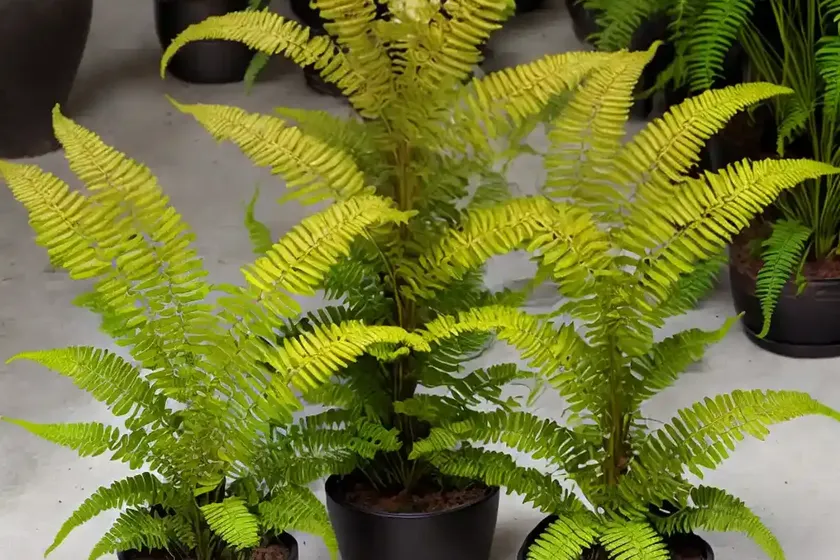
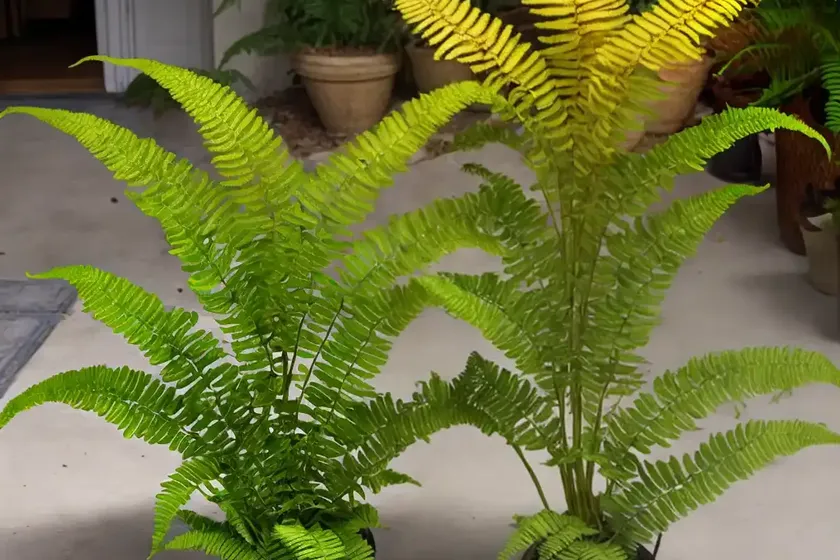
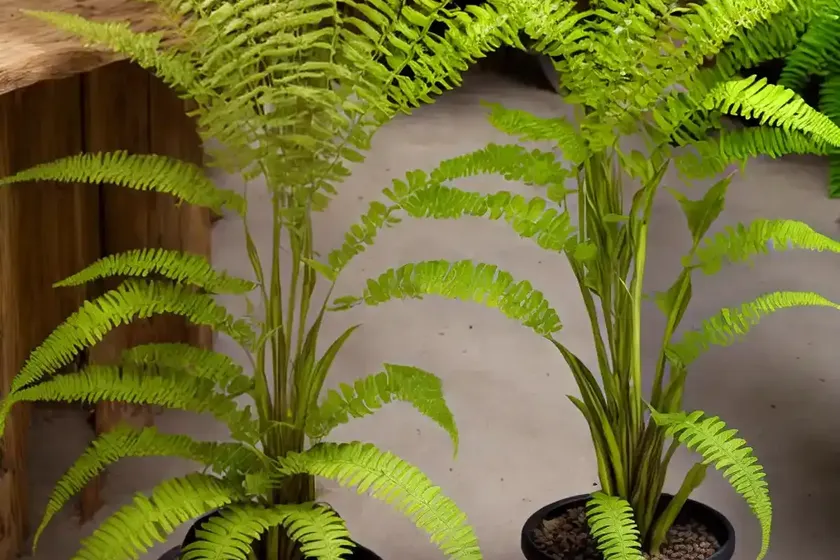
Platycerium bifurcatum, commonly known as the Elkhorn fern, is a captivating and unique plant that has fascinated plant lovers for generations. This extraordinary fern is native to Australia, where it thrives in its natural habitat and adds a touch of elegance to its surroundings. As a plant scientist, I am excited to share with you an in-depth guide to help you understand the culture, uses, care, and propagation of the Elkhorn fern.
What is the Elkhorn Fern (Platycerium bifurcatum)?
The Elkhorn fern, or Platycerium bifurcatum, is a stunning fern species belonging to the Polypodiaceae family. It is renowned for its distinctive fronds, which resemble the antlers of an elk, hence its common name. This captivating plant is an epiphytic species, which means it naturally grows upon other plants rather than in soil, making it a popular choice for hanging arrangements and living walls.
The unique foliage of the Elkhorn fern adds a striking visual element to any space. One of its most interesting characteristics is that it has two types of fronds. Shield fronds, the bottom type, are flat, blade-like structures that attach to the host plant. Additionally, fertile fronds, the top type, are lobed and are responsible for the plant’s reproductive process.
The distinctive appearance of the Elkhorn fern sets it apart from other ferns, making it a desirable addition to any plant collection. This hardy and low-maintenance plant is an exquisite choice for both indoor and outdoor settings, making it a versatile and intriguing species to cultivate.
Before delving into the detailed care and cultivation practices, let’s overview the key takeaways for the Elkhorn fern:
- Botanical Name: Platycerium bifurcatum
- Common Name: Elkhorn fern
- Plant Type: Epiphytic fern
- Native Habitat: Australia
- Distinctive Features: Antler-shaped fronds, epiphytic growth habit
- Cultural Uses: Popular for vertical gardens and hanging planters
- Growth Habit: Slow-growing, clumping, and spreading
With these key takeaways in mind, let’s explore the specific care instructions to ensure the successful growth and maintenance of the Elkhorn fern in various settings.
Culture
Water
Elkhorn ferns have unique watering requirements owing to their epiphytic nature. One of the most critical aspects of caring for Elkhorn ferns is understanding their specific water needs. To ensure that your Elkhorn fern thrives, it is essential to balance moisture levels without overwatering.
-
Watering Frequency: During the growing season, which typically spans from spring to early fall, thoroughly water your Elkhorn fern when the shield fronds begin to curl or show signs of wilting. These visual cues indicate the plant’s need for water. In contrast, reduce watering during the dormant season, which usually occurs in the winter months.
-
Watering Method: When watering your Elkhorn fern, aim to thoroughly moisten the roots and growing medium. A recommended approach is to soak the plant in water for approximately ten to fifteen minutes. This method allows the plant to absorb the necessary moisture while preventing water stagnation, which may lead to root rot.
-
Humidity Preferences: Elkhorn ferns thrive in environments with high humidity levels, replicating their natural tropical habitat. To meet their humidity requirements, consider misting the fronds regularly or placing the plant in a location with increased ambient humidity, such as a bathroom or kitchen.
Sunlight
Providing the appropriate amount of sunlight is crucial for the overall health and growth of the Elkhorn fern. While they do not thrive in direct sunlight, they require bright, filtered light to flourish.
-
Lighting Requirements: Position your Elkhorn fern in a location that receives bright, indirect light, such as near a north-facing window or beneath a shade structure outdoors. Direct sunlight can scorch the delicate fronds, leading to damage and diminished plant vigor.
-
Sun Exposure: Ensure that your Elkhorn fern receives sufficient sunlight while being protected from harsh midday sun rays. The plant’s native habitat provides valuable insight into its ideal lighting conditions, aiding in appropriate positioning within your indoor or outdoor space.
Fertilizer
Applying fertilizers to your Elkhorn fern can contribute to its overall health and vigor; however, it is crucial to exercise caution and administer them sparingly.
-
Fertilization Schedule: During the growing season, fertilize your Elkhorn fern once a month with a balanced, water-soluble fertilizer. Dilute the fertilizer to half strength to prevent potential damage to the fronds and root system. Refrain from fertilizing during the plant’s dormant phase in the winter.
-
Fertilizer Type: Opt for a fertilizer specifically formulated for ferns or epiphytic species, as these products contain the essential nutrients required for the plant’s unique growth habit and foliage development.
Soil
As an epiphytic species, the Elkhorn fern does not rely on traditional soil for its growth. Understanding its natural growth habits and the substrates it thrives in is essential for successfully cultivating this remarkable fern.
-
Growing Substrate: Elkhorn ferns naturally grow on trees and rocks in their native habitat. To replicate these conditions, cultivate your fern in a well-draining, porous medium, such as a blend of orchid bark, sphagnum moss, and perlite. This substrate allows proper aeration and moisture retention, mimicking the plant’s natural epiphytic environment.
-
Potting Medium: If you choose to grow your Elkhorn fern in a container, select a potting medium specifically designed for epiphytic plants. These specialized mixes provide the necessary structure and drainage for the fern to thrive in a contained environment.
Pruning
Pruning is an essential aspect of Elkhorn fern care, contributing to the plant’s health, aesthetics, and overall vitality. By adhering to appropriate pruning practices, you can maintain the plant’s desirable form and address any issues that may arise.
-
Shield Frond Maintenance: Trim any dead or yellowing shield fronds to promote new growth and maintain the plant’s appearance. Use sharp, sterile scissors or pruning shears to make clean, precise cuts while avoiding damage to adjacent fronds.
-
Fertile Frond Trimming: Regularly inspect the fertile fronds for signs of damage or disease. If necessary, carefully remove any affected portions to prevent the spread of pathogens and maintain the plant’s reproductive structure.
-
Pruning Frequency: Engage in routine pruning as needed, typically coinciding with the growing season when the plant demonstrates increased growth and vitality.
Propagation
The propagation of Elkhorn ferns is an exciting and rewarding endeavor that allows you to expand your plant collection and share the unique beauty of this species with others. Understanding the methods of propagation equips you with the knowledge to successfully propagate new plants from existing specimens.
-
Division: One of the most common propagation methods for Elkhorn ferns is division, which involves separating the plant into smaller sections with healthy fronds and root systems. To divide an Elkhorn fern, carefully detach individual sections and plant them in suitable growing medium to encourage the development of new plants.
-
Spore Propagation: Elkhorn ferns also reproduce through spores, which can be collected from the underside of mature fronds. By sowing spores in a sterile, humid environment, such as a terrarium or enclosed container, you can propagate new ferns from these tiny reproductive structures.
-
Propagation Success: Maintain consistent moisture levels and stable environmental conditions to promote successful propagation outcomes. By adhering to best practices and providing optimal care, you can enjoy the process of nurturing new Elkhorn ferns from propagated specimens.
Container Popularity
The unique qualities of the Elkhorn fern make it a popular choice for container gardening, providing a captivating and low-maintenance addition to various indoor and outdoor settings.
-
Hanging Baskets: Elkhorn ferns thrive in hanging baskets, where their antler-like fronds can cascade gracefully, creating a visually striking display. The epiphytic nature of the plant makes it well-suited for container arrangements and vertical gardens.
-
Mounted on Trees: Another appealing option for growing Elkhorn ferns is to mount them on trees or vertical surfaces. By securing the fern to a sturdy substrate, you can mimic its natural growth habit while adding an intriguing botanical element to your outdoor spaces.
Common Diseases
Understanding the potential diseases that may affect your Elkhorn fern is crucial for proactive care and maintenance. By recognizing the signs of common ailments, you can promptly address them and safeguard the plant’s well-being.
Disease Diagnosis:
-
Root Rot: Overwatering or poor drainage can lead to root rot in Elkhorn ferns, resulting in wilting, yellowing fronds, and a decline in overall plant health. To diagnose root rot, carefully inspect the plant’s roots for mushy, discolored sections and assess the growing medium for excessive moisture.
-
Fungal Infections: Elkhorn ferns are susceptible to fungal diseases, particularly in humid and poorly ventilated environments. Look for signs of fungal growth on the fronds or lesions, which may indicate the presence of a fungal infection.
Common Pests:
-
Scale Insects: Scale insects are a common pest that can infest Elkhorn ferns, feeding on the plant’s sap and causing diminished vigor and yellowing fronds. Monitor the plant for signs of scale infestations, such as small, waxy bumps on the fronds, and treat infestations promptly to prevent extensive damage.
-
Mealybugs: Mealybugs are another pest that may affect Elkhorn ferns, appearing as white, cottony masses on the plant’s foliage. These pests can weaken the plant and lead to stunted growth if left untreated.
Botanist’s Tips
As a plant scientist, I offer the following tips to support the successful growth and care of Elkhorn ferns:
-
Stable Environment: Maintain consistent environmental conditions, including temperature, humidity, and light levels, to provide an optimal growing environment for your Elkhorn fern.
-
Observation: Regularly observe your Elkhorn fern for any signs of stress, disease, or pests, allowing you to intervene early and prevent potential issues from escalating.
-
Elevated Humidity: Create a more humid microclimate for your Elkhorn fern by placing a shallow tray of water and pebbles beneath the plant. As the water evaporates, it increases the humidity around the fern.
-
Gentle Handling: Handle the delicate fronds of the Elkhorn fern with care to prevent damage and preserve the plant’s distinct foliage.
Fun Facts
- The Elkhorn fern derives its name from the striking resemblance of its fronds to the antlers of an elk, captivating plant enthusiasts with its unique appearance.
- This fern species is known for its epiphytic growth habit, commonly found attached to trees or rocks in its native Australian habitat.
- Indigenous cultures have utilized the Elkhorn fern for various purposes, ranging from ceremonial and decorative uses to medicinal applications, highlighting its cultural significance.
Links to External Resources
To further enrich your understanding of the Elkhorn fern and its care requirements, I recommend exploring the following external resources:
- Royal Horticultural Society – Platycerium bifurcatum
- University of Florida IFAS Extension – Elkhorn Fern Fact Sheet
- American Fern Society – Elkhorn Fern Culture
As you embark on your journey of cultivating and caring for the captivating Elkhorn fern, I hope this comprehensive guide serves as a valuable resource, empowering you to provide the optimal conditions for the health and vibrancy of this extraordinary plant. By incorporating the insights and best practices outlined in this guide, you can nurture your Elkhorn fern with confidence and appreciation for its unique beauty and remarkable characteristics. Happy gardening!


