Elkhorn Fern (Platycerium Bifurcatum)
Plants play a crucial role in our lives, not only by providing oxygen and food but also by adding aesthetic appeal to our surroundings. One such.
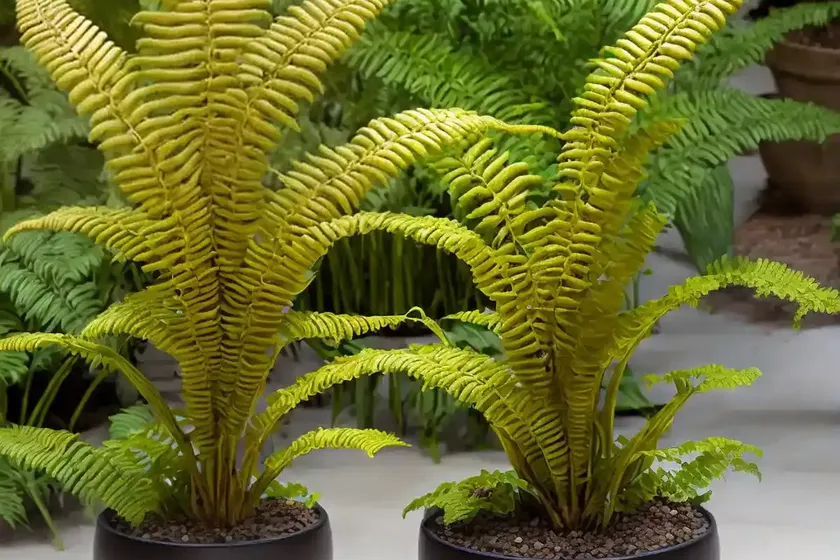
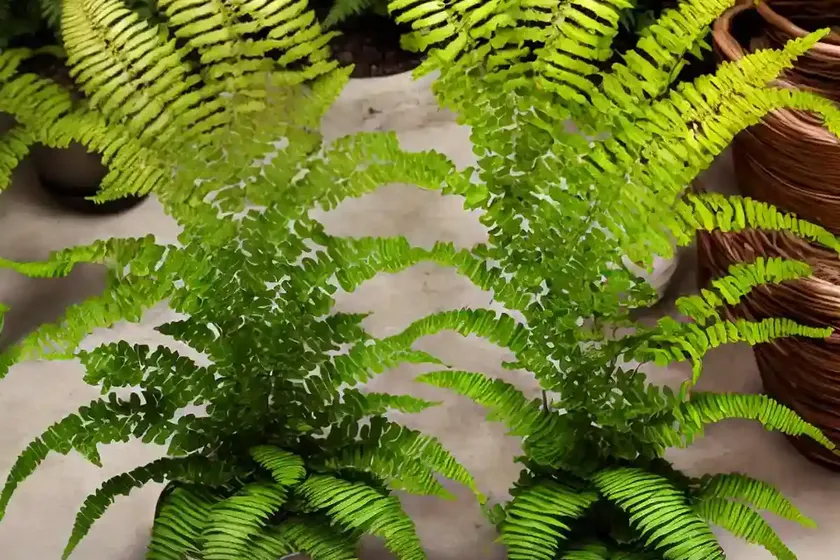
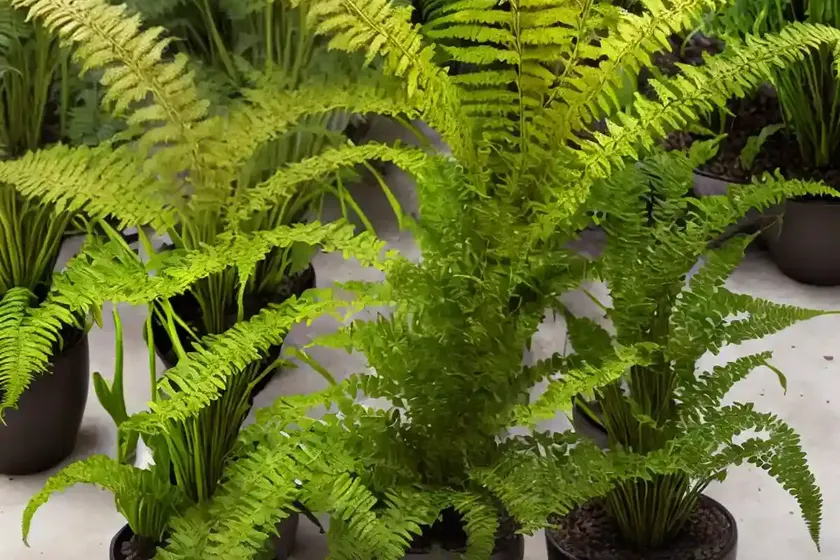
Plants play a crucial role in our lives, not only by providing oxygen and food but also by adding aesthetic appeal to our surroundings. One such fascinating plant is the Elkhorn fern, scientifically known as Platycerium bifurcatum. This unique plant is renowned for its striking appearance and low-maintenance nature, making it a popular choice for indoor and outdoor cultivation. In this comprehensive guide, we will delve into the various aspects of cultivating and caring for the Elkhorn fern, including its cultural significance, uses, ideal growing conditions, propagation methods, common pests and diseases, and much more.
What is Plant: Elkhorn Fern (Platycerium bifurcatum)?
The Elkhorn fern, also known as the common staghorn fern, is a species of epiphytic fern native to Australia and New Guinea. It belongs to the genus Platycerium, which comprises around 18 species of ferns known for their distinctive fronds and rhizomatous growth habit. The Elkhorn fern is characterized by its uniquely shaped fronds, with fertile and sterile fronds exhibiting distinct morphological differences.
Key Takeaways – Elkhorn Fern (Platycerium bifurcatum)
Before delving into the specifics of Elkhorn fern cultivation and care, let’s outline the key takeaways regarding this fascinating plant:
- Scientific Name: Platycerium bifurcatum
- Common Names: Elkhorn fern, common staghorn fern
- Type: Epiphytic fern
- Native Habitat: Australia and New Guinea
- Notable Features: Distinctive frond structure, epiphytic growth habit
- Low-Maintenance: Well-suited for both indoor and outdoor cultivation
- Cultural Significance: Popular choice for decorative and ornamental purposes
Now that we have a brief overview of the Elkhorn fern, let’s explore the various aspects of cultivating and caring for this unique plant.
Elkhorn Fern (Platycerium bifurcatum) Cultivation
Cultivating the Elkhorn fern involves understanding its specific requirements in terms of water, sunlight, soil, and other environmental factors. This section will cover each of these aspects in detail, providing valuable insights for successful Elkhorn fern cultivation.
Water
Proper watering is essential for the health and vitality of the Elkhorn fern. Being an epiphytic plant, it has unique water requirements that are different from those of terrestrial plants. Here are some key considerations for watering the Elkhorn fern:
- Moderate Watering: The Elkhorn fern prefers to be watered consistently but sparingly. It is important to avoid overwatering, as this can lead to root rot and other issues.
- Water Quality: Use clean, non-chlorinated water when watering the Elkhorn fern, as it is sensitive to chemicals present in tap water.
- Watering Frequency: During the growing season, water the plant when the top inch of the potting medium feels dry to the touch. In winter or dormant periods, reduce the frequency of watering to prevent waterlogging.
Sunlight
Proper exposure to sunlight is crucial for the Elkhorn fern’s growth and development. Understanding its light requirements is essential for ensuring healthy foliage and overall plant vigor:
- Filtered Indirect Light: The Elkhorn fern thrives in bright, indirect light. Avoid exposing it to direct sunlight, as this can scorch the fronds and lead to damage.
- North-Facing Exposure: For indoor cultivation, placing the plant near a north-facing window or in a location with dappled light is ideal.
- Outdoor Placement: When grown outdoors, provide the Elkhorn fern with partial shade to prevent excessive sun exposure.
Fertilizer
Fertilizing the Elkhorn fern is important for replenishing nutrients in its growing medium and supporting vigorous growth. Consider the following tips for fertilizing this unique plant:
- Balanced Fertilizer: Use a balanced, water-soluble fertilizer formulated for ferns and epiphytic plants. Apply the fertilizer at half strength to prevent over-fertilization.
- Frequency: During the active growing season, feed the Elkhorn fern every 4-6 weeks. Reduce or eliminate fertilization during the dormant period or winter months.
Soil
The choice of growing medium significantly impacts the overall health and growth of the Elkhorn fern. Here are some soil-related considerations for cultivating this plant:
- Epiphytic Growing Medium: Use a well-draining, epiphytic potting mix suitable for orchids, bromeliads, and other air plants. A mix comprising bark, sphagnum moss, and perlite is well-suited for the Elkhorn fern’s rhizomatous growth habit.
- Container Selection: Consider mounting the Elkhorn fern on a textured surface such as bark, cork, or a specialized fern mount instead of using traditional potting containers.
Pruning
Pruning the Elkhorn fern is essential for maintaining its aesthetic appeal and overall health. The following pointers will help guide the pruning process:
- Remove Dead Fronds: Regularly trim and remove dead or yellowing fronds to encourage new growth and prevent disease spread.
- Sterilize Tools: Use clean, sharp pruning shears or scissors to avoid damaging the healthy fronds. Sterilize the tools before and after pruning to prevent the spread of pests and diseases.
Propagation
Propagating the Elkhorn fern allows you to expand your plant collection and share its beauty with others. Here are the primary methods for propagating this unique plant:
- Spore Propagation: Collecting and sowing spores from mature fronds is a viable method for propagating the Elkhorn fern. This process requires patience and attention to detail but can result in the establishment of new plants.
- Division: Dividing established clumps of the Elkhorn fern is an effective way to propagate the plant. Carefully separate the rhizomes and plant them in appropriate growing conditions to encourage new growth.
Common Diseases and Pests
Like all plants, the Elkhorn fern is susceptible to certain diseases and pests. Understanding these potential issues is crucial for maintaining the plant’s health:
Common Diseases
- Root Rot: Overwatering or waterlogged growing medium can lead to root rot in the Elkhorn fern. Symptoms include wilting, yellowing fronds, and a foul odor emanating from the soil.
- Fungal Infections: Excessive moisture combined with poor air circulation can create conditions conducive to fungal diseases such as leaf spot and powdery mildew.
Disease Diagnosis
Diagnosing and addressing diseases in the Elkhorn fern requires vigilance and prompt action. Here are some steps for effective disease diagnosis:
- Inspect the Fronds: Look for signs of discoloration, spotting, or wilting on the fronds, which may indicate fungal or bacterial infections.
- Examine the Growing Medium: Check the soil or growing medium for excessive moisture and signs of decay or foul odor, which could point to root rot.
Common Pests
- Mealybugs: These small, white, cottony pests can infest the fronds and rhizomes of the Elkhorn fern, sapping its vitality and causing aesthetic damage.
- Spider Mites: These tiny arachnids can create fine webbing on the fronds and may lead to stunted growth and yellowing of the foliage.
Botanist’s Tips for Successful Elkhorn Fern Cultivation
As a botanist with a passion for ferns and epiphytic plants, I’ve encountered numerous insights and tips for cultivating healthy and thriving Elkhorn ferns. Here are some of the most valuable tips based on my experience and research:
- Maintain Optimal Humidity: The Elkhorn fern thrives in high humidity, making it well-suited for bathroom or kitchen environments where moisture levels are naturally higher.
- Avoid Overcrowding: Allow sufficient space between individual plants or divisions to facilitate air circulation and prevent the onset of fungal diseases.
- Monitor Temperature Fluctuations: Sudden temperature drops can shock the Elkhorn fern and lead to stress. Protect the plant from drafts and extreme temperature changes.
Fun Facts about the Elkhorn Fern
- The “Elkhorn” moniker is derived from the plant’s distinctive frond shapes, which resemble the branching antlers of an elk or stag.
- In its native habitat, the Elkhorn fern is often found growing on tree trunks and branches, where it forms impressive clumps over time.
- The Elkhorn fern’s unique appearance and low-maintenance nature have made it a sought-after choice for vertical gardens and living walls in urban environments.
Links to External Resources
For further information and resources on Elkhorn fern care, propagation, and cultivation, I recommend exploring the following links:
- American Fern Society
- Royal Horticultural Society – Platycerium bifurcatum
- University of Florida IFAS Extension – Staghorn Ferns
- Gardening Australia – Growing Elkhorn Ferns
In conclusion, the Elkhorn fern, with its captivating frond structure and resilient nature, is a remarkable addition to any plant enthusiast’s collection. Understanding its specific cultural requirements and implementing appropriate care practices are essential for fostering healthy growth and longevity. Whether as a striking focal point in a living wall or a unique decorative piece in an indoor setting, the Elkhorn fern continues to captivate and inspire plant lovers around the world. I hope this comprehensive guide has provided valuable insights and practical tips for anyone seeking to embark on the rewarding journey of cultivating and caring for this fascinating plant.
References:
American Fern Society. (n.d.). https://www.amerfernsoc.org
Royal Horticultural Society. (n.d.). https://www.rhs.org.uk
University of Florida IFAS Extension. (n.d.). https://edis.ifas.ufl.edu
Gardening Australia. (n.d.). https://www.abc.net.au/gardening


