Electric Fern (Selaginella Longipinna)
As a plant scientist with a passion for exploring the diverse world of flora, few species captivate me as much as the Electric Fern (Selaginella.
As a plant scientist with a passion for exploring the diverse world of flora, few species captivate me as much as the Electric Fern (Selaginella longipinna). The intricate beauty and unique characteristics of this fern make it an utterly fascinating plant to study and cultivate.
In this comprehensive guide, we will delve into the various facets of the Electric Fern, including its cultural requirements, uses, growing conditions, propagation methods, common diseases, and much more. Whether you’re a novice plant enthusiast or a seasoned horticulturist, this article aims to provide valuable insights into the care and cultivation of Selaginella longipinna.
What is the Electric Fern (Selaginella longipinna)?
The Electric Fern, scientifically known as Selaginella longipinna, is a species of spikemoss belonging to the Selaginellaceae family. Hailing from the tropical and subtropical regions, this fern is renowned for its striking green foliage and its ability to thrive in diverse environmental conditions.
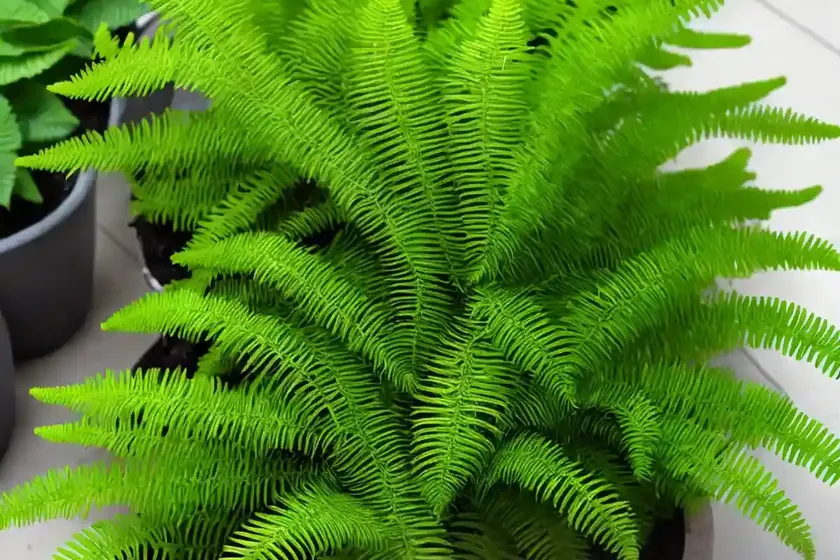
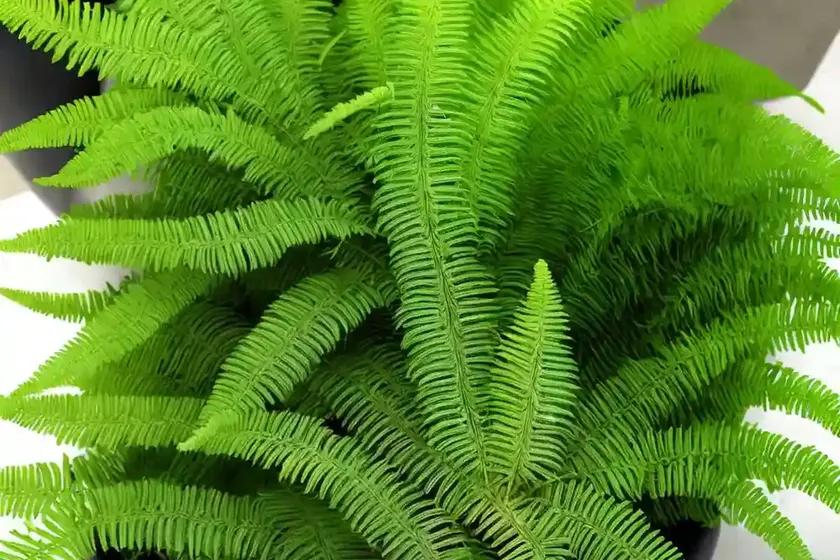
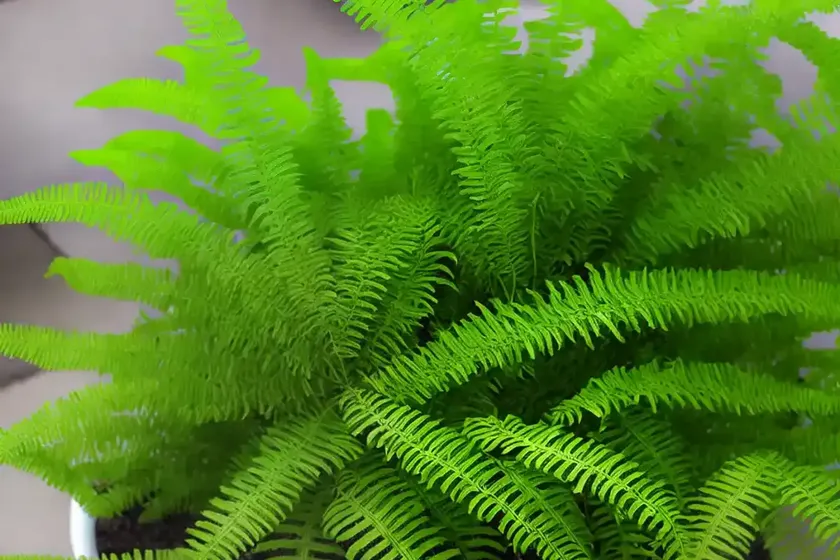
The Electric Fern derives its name from the captivating appearance of its leaves, prompting comparisons with electric sparks due to the iridescent quality of the foliage. Its compact, trailing growth habit and unique texture make it an exceptional addition to indoor spaces, terrariums, and shaded garden areas.
With a plethora of varieties and subspecies, Selaginella longipinna offers an array of options for plant enthusiasts seeking to introduce a distinctive botanical element into their living spaces.
Key Takeaways – Electric Fern (Selaginella longipinna)
Before delving into the detailed aspects of cultivating and caring for the Electric Fern, let’s explore the key takeaways associated with this enchanting plant. In this section, we will outline the cultural requirements, uses, and essential considerations for the successful cultivation of Selaginella longipinna.
Culture
Scientific Name: Selaginella longipinna
Common Name: Electric Fern
Family: Selaginellaceae
Genus: Selaginella
Hardiness Zone: 8-11 (USDA)
Uses
- Indoor Planting
- Terrariums
- Hanging Baskets
- Rock Gardens
- Groundcover
- Trailing Plant
- Shady Areas
Water
- Consistent Moisture
- Avoid Waterlogging
- High Humidity Preferred
Sunlight
- Indirect Light
- Partial Shade
- Avoid Direct Sunlight
Fertilizer
- Balanced Liquid Fertilizer
- Diluted Application
- Bi-weekly Feeding during Growing Season
Soil
- Well-Draining
- Moist, Humus-Rich
- Peat-Based Potting Mix
Pruning
- Regular Trimming
- Maintain Compact Form
- Remove Yellowing or Dry Foliage
Propagation
- Division
- Stem Cuttings
- Spore Propagation (Advanced)
Now that we have an overview of the key aspects associated with the Electric Fern, let’s delve into each of these elements in greater detail.
Electric Fern (Selaginella longipinna) Care Guide
In this comprehensive care guide, we will explore each aspect of cultivating Selaginella longipinna in detail, including its light, water, soil, fertilizer, pruning, propagation, and common pests and diseases. By understanding and implementing these guidelines, you can ensure the optimal growth and well-being of your Electric Fern.
Light Requirements
The Electric Fern thrives in environments with indirect light and partial shade. Bright, indirect light is ideal for ensuring vibrant foliage without subjecting the plant to direct sunlight, which can lead to leaf scorch. When cultivating Selaginella longipinna indoors, position it near a north or east-facing window where it can benefit from gentle, indirect light. In outdoor settings, placing the fern in shaded areas or under the canopy of larger plants provides the ideal lighting conditions.
Watering Needs
Maintaining consistent moisture levels is crucial for the health of Electric Fern. While it appreciates high humidity, it’s essential to avoid waterlogging the soil, which can lead to root rot. Regular, thorough watering to keep the soil consistently moist without becoming sopping wet is the key to nurturing healthy Selaginella longipinna. Monitoring the soil moisture level and adjusting watering frequency based on environmental conditions is crucial for preventing water-related issues.
Soil Requirements
The choice of soil for Electric Fern should align with its preference for well-draining, humus-rich substrates. A peat-based potting mix that retains moisture without becoming waterlogged is an excellent option for cultivating Selaginella longipinna. Consider adding organic matter or perlite to the potting mix to enhance its drainage and moisture-retention capabilities, creating a conducive environment for the fern’s root system.
Fertilization
To support the growth and vitality of the Electric Fern, regular fertilization is essential during the growing season. A balanced liquid fertilizer applied at half-strength every two weeks provides the necessary nutrients for robust foliage and vigorous growth. It’s important to dilute the fertilizer to prevent the risk of over-fertilization, as excessive nutrient levels can adversely affect the plant’s health.
Pruning
Pruning plays a vital role in maintaining the attractive appearance and compact form of the Electric Fern. Regularly trim any yellowing or dry foliage to promote new growth and prevent the spread of potential diseases. Additionally, shaping the fern through selective pruning helps control its trailing growth habit, making it an ideal choice for containers, hanging baskets, or as a groundcover in garden settings.
Propagation
Selaginella longipinna can be propagated through various methods, including division, stem cuttings, and spore propagation for advanced horticulturists. Division involves separating the plant into smaller sections, each containing roots and foliage, to establish new individuals. Stem cuttings from healthy, established plants can also be rooted to create new specimens. Spore propagation, while more complex, offers a rewarding means of reproducing Electric Fern for enthusiasts interested in exploring advanced propagation techniques.
Now that we’ve explored the foundational aspects of Electric Fern care, it’s essential to understand the potential diseases and pests that may affect Selaginella longipinna.
Common Diseases
While sturdy and resilient, the Electric Fern is susceptible to certain diseases that can impact its health and appearance. Understanding these common diseases and their associated symptoms is crucial for implementing timely interventions to safeguard your plant. Some of the prevalent diseases affecting Selaginella longipinna include:
- Root Rot: Caused by waterlogging and poor soil drainage, leading to decay in the plant’s root system.
- Leaf Spot: Manifests as dark, water-soaked spots on the foliage, often attributed to fungal pathogens.
- Powdery Mildew: A fungal infection leading to the development of powdery, white patches on the leaves.
Vigilant monitoring, proper irrigation practices, and providing adequate air circulation can help prevent the onset and spread of these diseases, ensuring the long-term health of your Electric Fern.
Disease Diagnosis
When observing symptoms of disease or distress in your Electric Fern, it’s important to diagnose the issue accurately to implement targeted treatments effectively. Diagnosing plant diseases involves careful observation of the plant’s overall condition, including its foliage, stems, and root system. Additionally, identifying any changes in environmental conditions, such as waterlogging or inadequate lighting, can provide critical insights into the underlying causes of disease.
In instances where disease diagnosis proves challenging, seeking the expertise of a plant pathologist or horticultural specialist can offer valuable insights and recommendations for addressing the specific disease affecting your Electric Fern.
Common Pests
While relatively resistant to pest infestations, the Electric Fern may encounter certain pests that pose a threat to its well-being. Some of the common pests that may affect Selaginella longipinna include:
- Spider Mites: These minuscule pests feed on plant juices, leading to stippling and visible webbing on the foliage.
- Mealybugs: Soft-bodied, white insects that congregate on the plant, impacting its health and vigor.
- Scale Insects: Hard, shell-like pests that adhere to the plant and feed on its sap, leading to weakening and decline.
Practicing regular inspection of your Electric Fern for signs of pest activity and implementing appropriate control measures, such as insecticidal soap or neem oil, can help manage and prevent pest issues effectively.
Botanist’s Tips
For maintaining the optimal health and beauty of the Electric Fern, consider the following tips from experienced botanists and horticulturists:
- Humidity Control: When cultivating Selaginella longipinna indoors, consider incorporating a humidifier or regular misting to maintain adequate humidity levels.
- Air Circulation: Promote good air circulation around the plant to minimize the risk of diseases, particularly in enclosed spaces such as terrariums.
- Regular Monitoring: Routinely inspect your Electric Fern for any signs of disease, pest activity, or environmental stress, allowing for timely intervention and mitigation.
Adhering to these botanist’s tips can contribute to the long-term well-being and vibrancy of your Electric Fern, ensuring it thrives in its chosen environment.
Fun Facts
To further appreciate the captivating nature of the Electric Fern, here are some intriguing fun facts about Selaginella longipinna:
- Ancient Plant Lineage: Electric Fern belongs to an ancient group of plants known as Lycophytes, which have existed for millions of years.
- Resilient Foliage: The foliage of Selaginella longipinna can quickly rebound from moisture-related stress, showcasing its adaptability and resilience.
- Aesthetic Diversity: With numerous subspecies and cultivars, the Electric Fern presents a wide array of aesthetic variations, making it an enticing choice for collectors and enthusiasts.
Now that we’ve explored the various facets of Electric Fern care and cultivation, let’s consider its natural habitat, growth habits, and its potential as a beneficial plant beyond its ornamental appeal.
Links to External Resources
For a deeper exploration of the Electric Fern and related topics, consider the following external resources:
- American Fern Society: Electric Fern Information
- Royal Horticultural Society: Selaginella longipinna Cultivation Guide
- University of Florida IFAS Extension: Ferns in the Florida Landscape
- Missouri Botanical Garden: Selaginella Species Profile
By exploring these external resources, you can gain valuable insights and expert perspectives on the Electric Fern and its horticultural significance.
Conclusion
As we conclude our in-depth exploration of the Electric Fern (Selaginella longipinna), we’ve delved into the various aspects of its care, cultivation, and unique characteristics. From its adaptable nature to its intriguing propagation methods, the Electric Fern stands as a captivating species that captures the imagination of plant enthusiasts and horticulturists alike.
Whether you’re drawn to its striking foliage, its suitability for indoor and outdoor settings, or its botanical significance, Selaginella longipinna offers a wealth of opportunities for plant enthusiasts to embrace its charm and cultivate a deeper understanding of this remarkable fern.
By applying the insights and guidelines shared in this article, you can embark on a rewarding journey of nurturing and appreciating the Electric Fern, enriching your botanical collection and fostering a deeper connection with the captivating world of plants.


