Eland’s Sour-fig (Carpobrotus Acinaciformis)
Plants are an integral part of our ecosystem, playing a crucial role in maintaining the balance of nature. One such remarkable plant is the Eland’s.
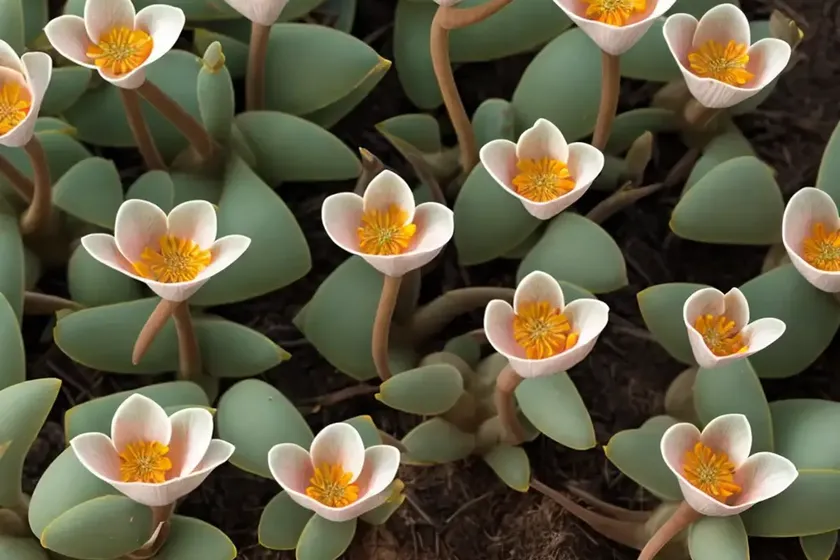
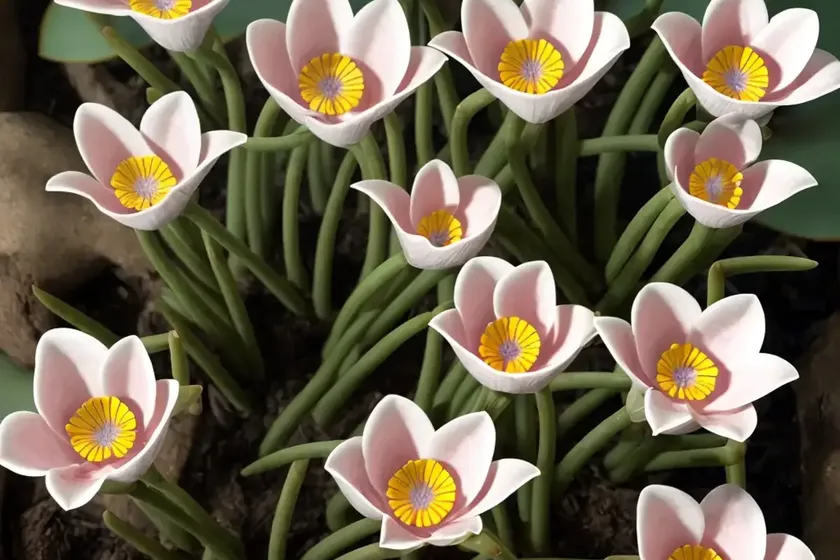
Plants are an integral part of our ecosystem, playing a crucial role in maintaining the balance of nature. One such remarkable plant is the Eland’s Sour-fig, scientifically known as Carpobrotus Acinaciformis. This resilient succulent species is not only visually appealing but also serves many cultural, ecological, and medicinal purposes. In this comprehensive guide, we will explore the characteristics, uses, care tips, and much more about the Eland’s Sour-fig plant.
What is the Eland’s Sour-fig (Carpobrotus Acinaciformis)?
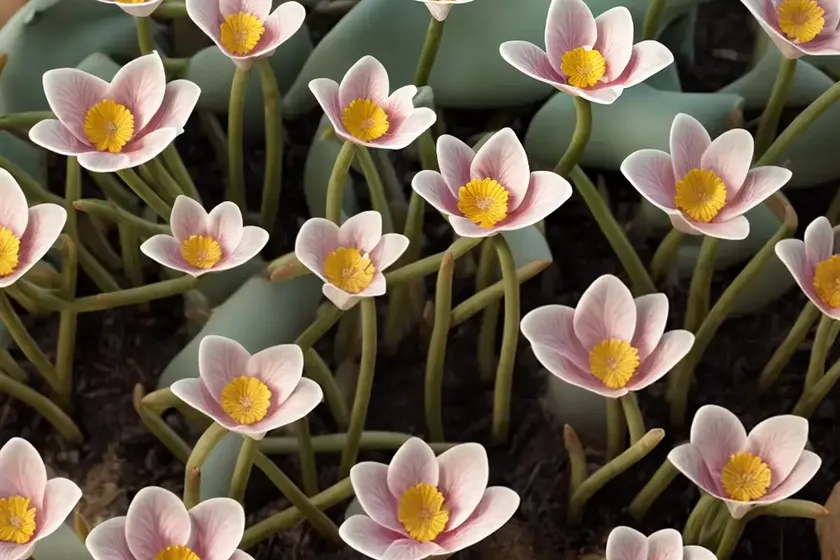
The Eland’s Sour-fig, or Carpobrotus Acinaciformis, is a succulent plant characterized by its fleshy, triangular leaves and brilliant, daisy-like flowers. Belonging to the Aizoaceae family, this plant is native to the coastal regions of South Africa, where it thrives in sandy and rocky habitats, often in close proximity to the sea.
Eland’s Sour-fig Characteristics
- Scientific Name: Carpobrotus Acinaciformis
- Habitat: Coastal regions, sandy and rocky areas
- Foliage: Fleshy, triangular leaves
- Flowers: Daisy-like, vibrant and colorful
- Ecological Role: Drought-resistant, coastal plant
Key Takeaways – Eland’s Sour-fig (Carpobrotus Acinaciformis)
To provide a comprehensive understanding of this remarkable plant, let’s dive into the key takeaways that summarize the various aspects of the Eland’s Sour-fig, including its cultural significance, uses, care requirements, and ecological impact.
Culture
- Cultural Significance: Historically used by indigenous communities for various purposes
- Folklore and Symbolism: Embedded in traditional narratives and beliefs
- Coastal Landscapes: Integral part of coastal ecosystems and landscapes
Uses
- Medicinal Properties: Traditional medicinal uses in indigenous cultures
- Erosion Control: Effective in stabilizing soil in coastal areas
- Wildlife Attraction: Pollinator-friendly and supports local biodiversity
Water
- Drought Tolerance: Well-adapted to arid and semi-arid conditions
- Water-wise Plant: Minimal water requirements, suitable for xeriscaping
- Coastal Adaptation: Tolerant of salt spray and coastal winds
Sunlight
- Sun Exposure: Thrives in full sun to partial shade
- Photosynthetic Adaptations: Efficient in utilizing sunlight in harsh conditions
- Landscaping: Ideal for sunny, arid landscapes and rock gardens
Fertilizer
- Nutrient Requirements: Low-fertilizer plant, adapted to nutrient-poor soils
- Soil Enrichment: Minimal needs for supplemental fertilization
- Sustainable Gardening: Supports low-input, sustainable gardening practices
Soil
- Soil Requirements: Well-draining, sandy or gravelly soils
- Coastal Soils: Tolerant of high salinity in coastal environments
- Rock Gardens: Ideal for rocky, well-drained soil environments
Pruning
- Maintenance: Low-maintenance plant, minimal pruning requirements
- Aesthetic Appeal: Trailing growth habit suited for landscaping and containers
- Container Gardening: Well-suited for compact containers and hanging baskets
Propagation
- Propagation Methods: Easily propagated from stem cuttings and division
- Gardening Tips: Simple propagation techniques for home gardeners
- Landscape Design: Versatile plant for ground cover and erosion control
Container Popularity
- Container Gardening: Well-adapted to containers and confined spaces
- Aesthetic Value: Attractive in hanging baskets and ornamental pots
- Urban Landscaping: Suitable for urban gardening and green spaces
Common Diseases
- Disease Prevention: Resilient to most common plant diseases
- Drought Adaptations: Tolerant of stress and adverse conditions
- Low Disease Incidence: Naturally resistant to many pathogens
Disease Diagnosis
- Diagnosis Challenges: Infrequent disease occurrences
- Visual Symptoms: Minimal signs of disease or stress
- Vigilant Monitoring: Regular observation for any signs of stress or disease
Common Pests
- Pest Resistance: Naturally resistant to common garden pests
- Biodiversity Support: Attracts beneficial insects and pollinators
- Pest Control: Minimal need for chemical pest management
Botanist’s Tips
- Coastal Plant Expertise: Valuable species in coastal plant studies
- Xeriscaping Potential: Ideal for water-wise landscaping and gardens
- Native Range Preservation: Significant in preserving natural coastal habitats
Fun Facts
- Ecological Resilience: Survives harsh coastal conditions with ease
- Cultural Heritage: Embedded in the local traditions and folklore
- Botanical Diversity: Representative of unique coastal plant adaptations
Links to External Resources
For further exploration and in-depth information on the Eland’s Sour-fig (Carpobrotus Acinaciformis), the following resources provide valuable insights into the plant’s ecology, uses, and cultivation:
- South African National Biodiversity Institute
- Royal Botanic Gardens, Kew – Carpobrotus Acinaciformis
Conclusion
The Eland’s Sour-fig (Carpobrotus Acinaciformis) stands as a testament to the resilience and adaptability of coastal plant species. From its rich cultural heritage to its ecological significance, this succulent plant embodies a harmonious blend of beauty, utility, and environmental value. By understanding its characteristics, uses, and care requirements, gardeners, conservationists, and plant enthusiasts can appreciate and contribute to the conservation of this remarkable species.