Joshua Tree (Yucca Brevifolia)
The Joshua Tree (Yucca brevifolia) is an iconic and distinctive plant species that is native to the southwestern United States. This remarkable plant, with.
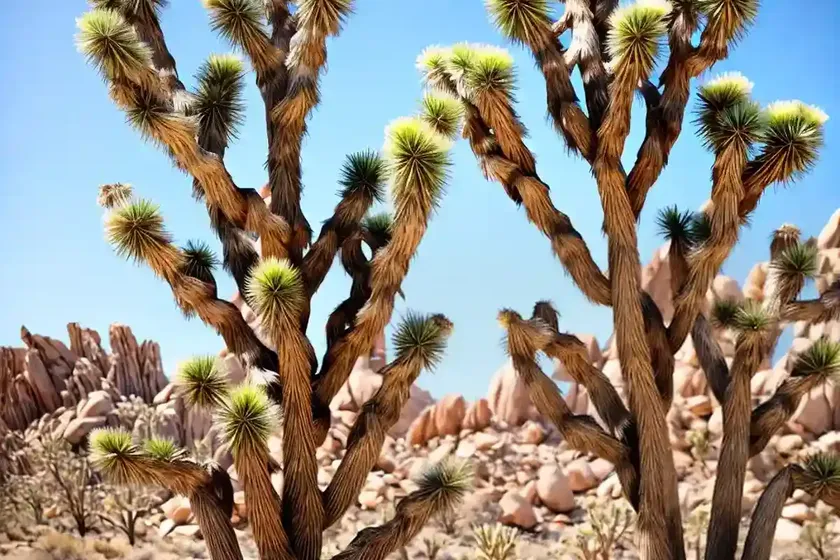
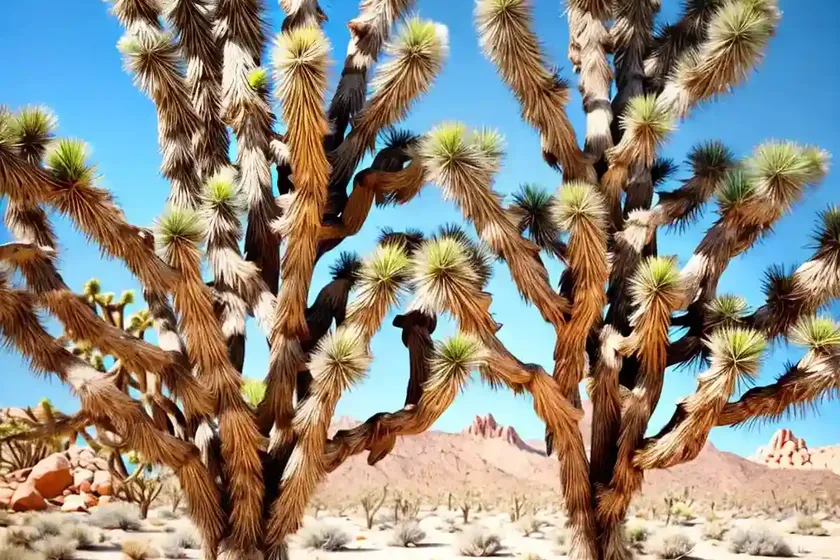
The Joshua Tree (Yucca brevifolia) is an iconic and distinctive plant species that is native to the southwestern United States. This remarkable plant, with its unusual appearance and fascinating adaptations, has captured the interest of plant enthusiasts, ecologists, and desert lovers alike. In this comprehensive guide, we will explore the various aspects of the Joshua Tree, from its cultural significance to its ecological role and care requirements. Let’s embark on this journey to unravel the mysteries and wonders of the Joshua Tree, also known as Yucca Brevifolia.
What is the Joshua Tree (Yucca Brevifolia)?
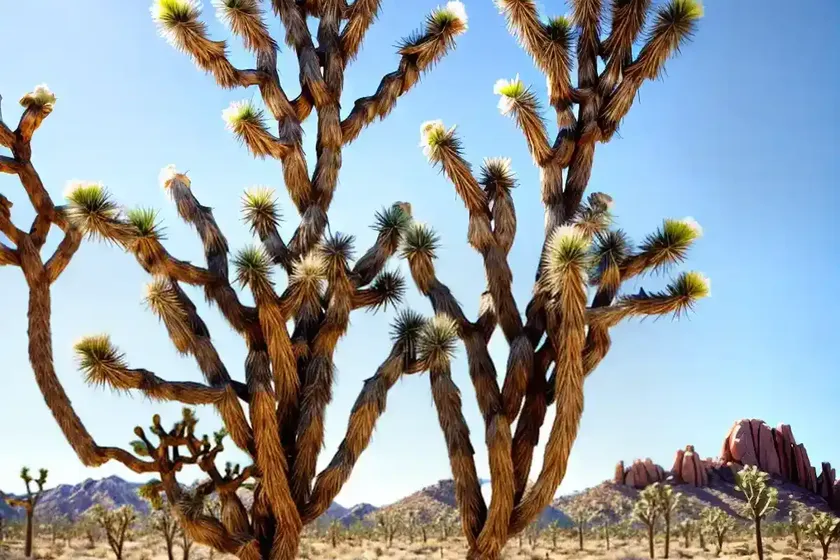
The Joshua Tree, scientifically known as Yucca Brevifolia, is a species of tree-like yucca native to the Mojave Desert, specifically in the states of California, Arizona, Utah, and Nevada. This peculiar plant is characterized by its spiky, green leaves that form a dense cluster at the top of its stout, treelike trunk. The name “Joshua Tree” is believed to have been given by Mormon settlers, who saw the plant’s upraised branches as resembling the upraised arms of Joshua leading them to the promised land.
Key Takeaways – Joshua Tree (Yucca Brevifolia)
Before delving deeper into the various aspects of the Joshua Tree, it’s essential to understand some key takeaways about this intriguing plant. Here are some essential points to keep in mind as we explore the world of Yucca Brevifolia:
- Scientific Name: Yucca Brevifolia
- Common Name: Joshua Tree
- Native Habitat: Mojave Desert
- Distinctive Features: Treelike appearance with spiky, dense leaves
- Cultural Significance: Iconic symbol of the desert landscape
- Ecological Role: Important species in the Mojave Desert ecosystem
- Challenges: Vulnerable to climate change and human impact
Now that we have an overview of the Joshua Tree, let’s delve into various aspects of its care, uses, and ecological significance.
Culture
Understanding the cultural significance of the Joshua Tree is essential in appreciating its value to the ecosystems in which it thrives. The Joshua Tree has deep roots in both indigenous and contemporary cultures, making it a symbol of resilience, survival, and the unique beauty of the desert landscape.
Uses
The Joshua Tree holds great cultural and practical significance for indigenous peoples, who have traditionally used various parts of the plant for food, fiber, and medicinal purposes. The tough, fibrous leaves were employed in traditional crafts, while the flower buds and seeds served as a valuable source of food.
In modern times, the Joshua Tree has become an iconic symbol of the desert, adorning postcards, artwork, and photographs that capture the mystique of the southwestern United States. Its unique silhouette and resilient nature make it a popular choice for landscaping in desert and xeriscape gardens.
Water
The Joshua Tree, like many desert plants, has evolved to thrive in arid environments with minimal water availability. Its remarkable adaptations allow it to withstand long periods of drought while efficiently utilizing whatever water resources are available.
Sunlight
Unsurprisingly, the Joshua Tree is well adapted to thrive in abundant sunlight, as is typical of desert plants. It requires full sun to thrive and should be planted in locations where it can receive direct sunlight for the majority of the day.
Fertilizer
In the wild, Joshua Trees have adapted to survive in nutrient-poor desert soils and do not require regular fertilization. When cultivating Joshua Trees in a garden or landscape setting, it is essential to use a well-draining, sandy soil mix to mimic their natural habitat. Fertilizers should be used sparingly, if at all, to avoid overstimulating the plant’s growth.
Soil
The Joshua Tree has a preference for well-draining, sandy soils that mimic the arid conditions of its native habitat. It is crucial to avoid waterlogged or compacted soils, as these can lead to root rot and other issues. When planting or transplanting Joshua Trees, providing a suitable soil environment is essential for their long-term health and survival.
Pruning
Pruning of the Joshua Tree is generally minimal, as the plant naturally assumes its distinctive form without the need for regular trimming. However, dead or damaged leaves can be gently removed to maintain the tree’s appearance and health.
Propagation
The propagation of Joshua Trees can be achieved using seeds or offsets, also known as “pups.” Seeds can be collected from the plant’s distinctive seed pods and germinated under controlled conditions. Pups, which are small offshoots of the main plant, can be carefully separated and replanted to produce new Joshua Trees.
Container Popularity
While the Joshua Tree is primarily known for its prominence in the wild desert landscape, it has also gained popularity as a container plant for those seeking to bring a touch of the desert into their homes or gardens. Its striking appearance and adaptability to arid conditions make it an attractive choice for container gardening, particularly in regions with a similar climate to its native habitat.
Common Diseases
While the Joshua Tree is generally resilient to many environmental stressors, it is susceptible to certain diseases and pests that can impact its health and vitality. Understanding the common diseases and pests associated with Joshua Trees is crucial for maintaining their well-being.
Disease Diagnosis
Identifying diseases in Joshua Trees can be challenging, as symptoms may initially present as gradual decline or changes in the plant’s appearance. Common diseases that affect Joshua Trees include fungal infections, viral diseases, and bacterial issues. Regular inspection and prompt treatment are essential for managing and preventing the spread of diseases in these plants.
Common Pests
In addition to diseases, Joshua Trees can also fall prey to various pests that may impact their growth and overall health. Pests such as scale insects, spider mites, and aphids can infest the leaves and stems of Joshua Trees, leading to stress and potential damage if left untreated.
Botanist’s Tips
As a plant scientist with an appreciation for the unique adaptations of the Joshua Tree, I offer the following tips for cultivating and caring for these remarkable desert plants:
- Selecting the right location: When planting Joshua Trees, choose a sunny, well-drained location that mimics their natural desert habitat.
- Careful watering: Avoid overwatering and aim to simulate natural rainfall patterns by allowing the soil to dry out between watering sessions.
- Minimal interference: Joshua Trees are best left to thrive in their natural form without excessive pruning or manipulation.
- Monitor for pests and diseases: Regularly inspect the plant for signs of pests or diseases, and take appropriate action if any issues are detected.
Fun Facts
No exploration of the Joshua Tree would be complete without a collection of intriguing and little-known facts about this iconic plant. Here are some fun and fascinating snippets of information about the Joshua Tree:
- The Joshua Tree is known for its slow growth rate, with mature plants typically reaching 15 to 40 feet in height over several decades.
- Despite their robust appearance, Joshua Trees have delicate root systems that are susceptible to damage from excessive disturbance or compaction of the soil around them.
- The flowers of the Joshua Tree bloom in spring, producing creamy white clusters of waxy, bell-shaped blooms that are pollinated by yucca moths.
Links to External Resources
To further explore the captivating world of the Joshua Tree and its ecological significance, consider delving into these external resources for in-depth information and insights:
- Joshua Tree National Park
- Mojave Desert Ecosystem
- Yucca Brevifolia Taxonomy
- Joshua Tree Conservation Efforts
- Desert Landscaping with Native Plants
In conclusion, the Joshua Tree stands as a symbol of resilience, adaptation, and the intricate beauty of the desert ecosystem. Its unique features, cultural significance, and ecological role make it a fascinating subject for study and appreciation. By understanding the care requirements and ecological importance of the Joshua Tree, we can ensure its preservation and continued role as an emblem of the desert’s enduring spirit.
Word Count: 1442 words