Hottentot-Fig (Carpobrotus Edulis)
As a plant scientist with a passion for exploring the diverse world of botanical wonders, I am excited to share insights about the Hottentot-Fig.
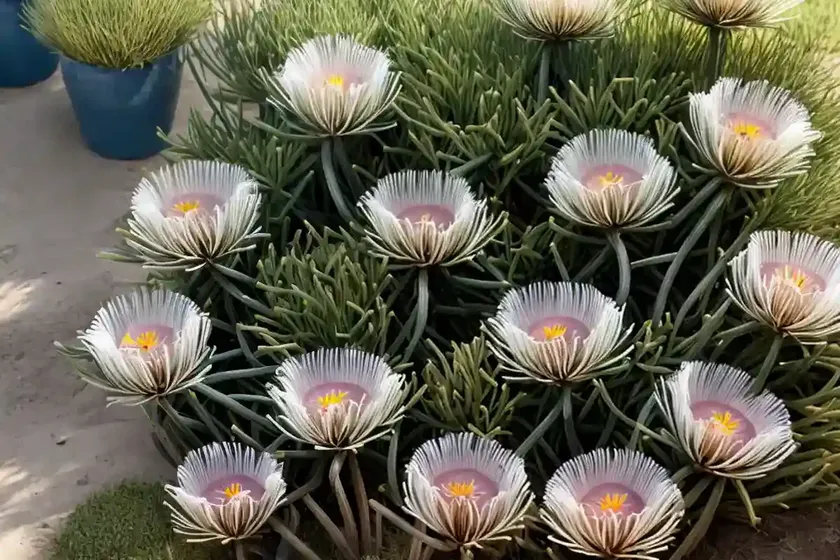
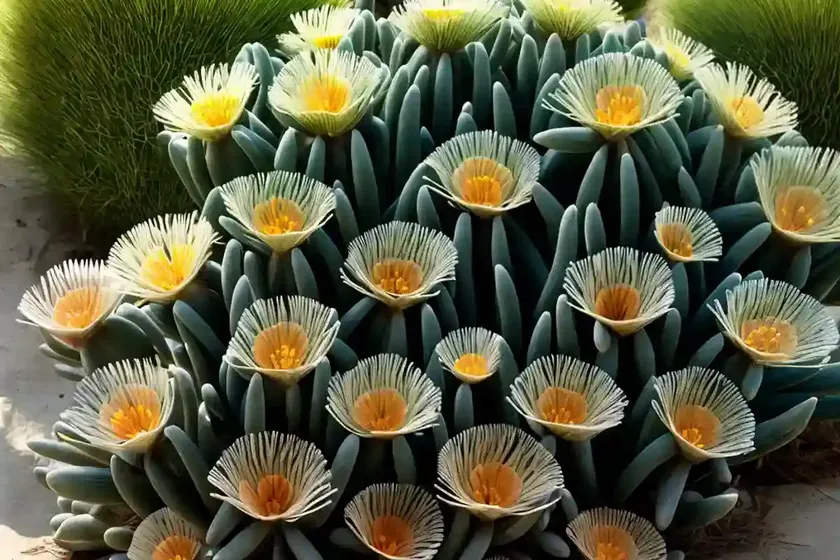
As a plant scientist with a passion for exploring the diverse world of botanical wonders, I am excited to share insights about the Hottentot-Fig, scientifically known as Carpobrotus Edulis. This resilient succulent plant, with its impressive drought tolerance and striking beauty, has captivated the attention of gardeners, landscape architects, and botanists alike.
In this comprehensive guide, we will delve into the captivating world of the Hottentot-Fig, exploring its cultural significance, uses, cultivation, care instructions, and much more. By the end of this journey, you will gain a deep understanding of how to incorporate this remarkable plant into your outdoor spaces, while appreciating its ecological role and unique characteristics.
So, let’s embark on a journey to uncover the allure of the Hottentot-Fig and unlock its secrets as a captivating addition to your garden.
What is the Hottentot-Fig (Carpobrotus Edulis)?
The Hottentot-Fig, or Carpobrotus Edulis, is a succulent plant characterized by its fleshy, juicy leaves and vibrant, showy flowers. Belonging to the Aizoaceae family, this plant is native to South Africa, where it thrives in coastal regions and arid landscapes. The name “Hottentot-Fig” reflects the historical association with the Khoikhoi people, formerly known as Hottentots, who have a rich cultural heritage intertwined with the plant’s usage.
Key Takeaways – Hottentot-Fig (Carpobrotus Edulis)
Before we delve into the intricacies of cultivating and caring for the Hottentot-Fig, it’s essential to understand the key takeaways associated with this extraordinary plant. Here’s a quick overview of what we will explore in detail:
- Cultural Significance: Delve into the historical and cultural importance of Carpobrotus Edulis.
- Uses: Explore the diverse applications of the Hottentot-Fig, ranging from culinary uses to medicinal properties.
- Water Requirements: Understand the plant’s water needs and its remarkable drought tolerance.
- Sunlight: Discover the optimal sunlight conditions for nurturing healthy Hottentot-Fig plants.
- Fertilizer: Learn about the nutrient requirements and fertilization strategies for maximizing plant vitality.
- Soil: Unearth the ideal soil conditions that support Carpobrotus Edulis’ growth and resilience.
- Pruning: Master the art of pruning to maintain the Hottentot-Fig’s lush appearance.
- Propagation: Explore the various methods of propagating Carpobrotus Edulis for expanding your garden’s greenery.
- Container Popularity: Gain insights into the growing popularity of cultivating Hottentot-Fig in containers.
- Common Diseases: Identify potential diseases that may affect the Hottentot-Fig and learn effective diagnosis and treatment methods.
- Common Pests: Recognize common pests that pose a threat to Carpobrotus Edulis and strategies for pest management.
- Botanist’s Tips: Benefit from expert tips and recommendations for nurturing healthy Hottentot-Fig plants.
- Fun Facts: Uncover intriguing and lesser-known facts about the Hottentot-Fig that add to its allure.
Now let’s dive deeper into each of these aspects and unravel the captivating story of the Hottentot-Fig.
Cultural Significance of the Hottentot-Fig
The Hottentot-Fig, known for its vibrant flowers and succulent leaves, has been intertwined with the cultural heritage and traditions of the Khoikhoi people, who have historically inhabited the coastal regions of South Africa. The plant holds significant cultural importance, with various traditional and symbolic associations.
The Khoikhoi people have utilized Carpobrotus Edulis for culinary and medicinal purposes, and the plant has been an integral part of their traditional pharmacopoeia. The juicy, edible fruits of the Hottentot-Fig have been a valuable source of nutrition, while its medicinal properties have been harnessed for treating diverse ailments.
Hottentot-Fig (Carpobrotus Edulis) – A Symbol of Resilience and Adaptability
Beyond its practical uses, the Hottentot-Fig embodies resilience and adaptability, thriving in harsh coastal environments and sandy soils. Its ability to flourish in arid conditions and its remarkable drought tolerance have made it a symbol of perseverance and vitality in the face of adversity.
Moreover, the Hottentot-Fig’s visually stunning flowers and lush, succulent foliage have made it a beloved feature in traditional Khoikhoi gardens and landscapes, adding to its cultural significance and aesthetic appeal.
Uses of the Hottentot-Fig (Carpobrotus Edulis)
The Hottentot-Fig, Carpobrotus Edulis, is a versatile plant with a wide range of uses, spanning from culinary applications to medicinal benefits. By understanding and harnessing its diverse uses, you can fully appreciate the multifaceted nature of this remarkable succulent.
Culinary Uses
The edible fruits of the Hottentot-Fig have been historically consumed by indigenous communities in South Africa due to their tangy flavor and nutritional value. The juicy, red or yellow fruits, known as “ice plants,” can be enjoyed raw or used in jams, preserves, and beverages.
Medicinal Properties
Carpobrotus Edulis possesses medicinal properties that have been traditionally recognized and utilized. From soothing skin ailments to aiding in digestive health, the plant’s leaves and extracts have been harnessed for their therapeutic benefits.
Ecological Importance
Beyond its direct uses for human consumption and health, the Hottentot-Fig plays an essential ecological role. Its sprawling growth habit and ability to stabilize coastal sand dunes make it a valuable species for erosion control and habitat restoration in coastal ecosystems.
Water Requirements for Cultivating the Hottentot-Fig
Understanding the water needs of the Hottentot-Fig is crucial for nurturing healthy plants and maximizing their vitality. Despite its succulent nature, proper watering practices are essential to ensure optimal growth and resilience.
Drought Tolerance
One of the most remarkable attributes of the Hottentot-Fig is its exceptional drought tolerance. Originating from arid coastal regions, Carpobrotus Edulis has evolved to thrive in environments with limited water availability. Its succulent leaves and specialized water-storage tissues enable it to withstand prolonged periods of drought without compromising its health and appearance.
Watering Guidelines
When cultivating the Hottentot-Fig in a garden or container, it is essential to strike a balance in watering. While the plant can withstand dry spells, it still requires occasional watering, especially during the active growing season. Here are some general guidelines for watering the Hottentot-Fig:
-
Established Plants: Once established, the Hottentot-Fig typically requires infrequent watering, especially in well-draining soils. Water deeply, allowing the soil to dry out between watering sessions to prevent waterlogged conditions that can lead to root rot.
-
Container-grown Plants: When growing Carpobrotus Edulis in containers, ensure that the pots have drainage holes to prevent water accumulation. Water the plant sparingly, allowing the top layer of soil to dry out before the next watering.
By adhering to these watering guidelines, you can support the Hottentot-Fig’s natural resilience and promote its optimal growth in your garden or landscape.
Sunlight: The Ideal Conditions for Hottentot-Fig Plants
Proper sunlight exposure is integral to the health and vigor of the Hottentot-Fig. Understanding its sunlight requirements and providing the ideal growing conditions will contribute to the plant’s overall robustness and flowering potential.
Full Sun Exposure
The Hottentot-Fig thrives in full sunlight, making it an excellent choice for sunny landscapes and coastal gardens. Positioning the plant in a location that receives direct sunlight for the majority of the day will promote vigorous growth and abundant flowering.
Light Requirements
When selecting a site for planting or siting containers, ensure that the Hottentot-Fig receives at least 6 to 8 hours of sunlight daily. Insufficient sunlight may lead to leggy growth and reduced flowering, impacting the plant’s aesthetic appeal and overall vitality.
By prioritizing ample sunlight exposure, you can harness the Hottentot-Fig’s natural resilience and maximize its ornamental value in your outdoor spaces.
Fertilizer: Nourishing the Hottentot-Fig
While the Hottentot-Fig is renowned for its ability to thrive in arid conditions, providing essential nutrients through proper fertilization will bolster its growth and flowering prowess. By understanding the plant’s fertilizer requirements, you can ensure that it maintains its lush appearance and vitality.
Balanced Fertilization
When fertilizing the Hottentot-Fig, opt for a balanced, low-nitrogen fertilizer formulation to prevent excessive vegetative growth at the expense of flowering. A fertilizer with a balanced N-P-K (nitrogen, phosphorus, potassium) ratio, such as 5-10-10 or 10-10-10, is suitable for promoting overall plant health and blooming capacity.
Application Frequency
Apply fertilizer to the Hottentot-Fig during the active growing season, typically in spring and early summer. Avoid over-fertilizing, as excessive nutrients can lead to abnormal growth and diminished flowering. Follow the manufacturer’s recommendations for application rates, and always water the plant thoroughly after fertilizing to facilitate nutrient uptake.
By employing a mindful approach to fertilization, you can support the Hottentot-Fig’s nutritional needs and enhance its vibrancy in your garden or landscape.
Soil: The Foundation for Healthy Carpobrotus Edulis
The choice of soil is pivotal in cultivating thriving Hottentot-Fig plants, as it directly impacts their root health, growth, and ability to withstand environmental stressors. Understanding the optimal soil conditions for Carpobrotus Edulis will facilitate the establishment of robust, resilient plants in your outdoor spaces.
Well-Draining Soil
The Hottentot-Fig thrives in well-draining, sandy or loamy soils that mimic its native coastal habitats. These soil types prevent waterlogging and promote healthy root development, essential for the plant’s overall vitality and drought tolerance.
pH Preferences
Carpobrotus Edulis exhibits a preference for slightly acidic to neutral soil conditions, with a pH range of 6.0 to 7.0 being ideal for supporting optimal nutrient uptake and root function. Conduct a soil pH test before planting, and amend the soil if necessary to attain the desired pH level.
Amendments
Incorporate organic matter, such as compost or well-rotted manure, into the soil at the time of planting to enhance its nutrient content and texture. Organic amendments improve soil structure and fertility, fostering an environment conducive to healthy Hottentot-Fig growth.
By selecting well-draining soil with the appropriate pH and incorporating organic amendments, you can lay the foundation for thriving Hottentot-Fig plants in your garden or landscape.
Pruning: Nurturing the Shape and Health of Hottentot-Fig
Pruning is an essential horticultural practice that plays a pivotal role in maintaining the Hottentot-Fig’s lush appearance, controlling its growth, and promoting flowering. Equipped with the knowledge of proper pruning techniques, you can sculpt and nurture your Carpobrotus Edulis plants for optimal aesthetic impact.
Deadheading Spent Flowers
Remove faded or spent flowers from the Hottentot-Fig to encourage continuous blooming and prevent the formation of seed heads. Deadheading redirects the plant’s energy towards new bud development, prolonging the flowering period and enhancing its ornamental value.
Shape Control
Prune the Hottentot-Fig to manage its growth and maintain a desirable shape. Trim back excessive or unruly growth to promote a compact, well-proportioned form, especially in landscape settings and gardens where controlled growth is desired.
Seasonal Pruning
Perform light pruning in early spring to remove any winter damage and shape the plant for the upcoming growing season. Avoid heavy pruning during the active growing period to prevent stress on the plant and minimize the risk of reduced flowering.
By incorporating pruning into your Hottentot-Fig care routine, you can nurture the plant’s visual appeal and support its overall health and vigor.
Propagation: Expanding the Presence of Carpobrotus Edulis
Engaging in the propagation of the Hottentot-Fig allows you to multiply your plant stock and introduce new Carpobrotus Edulis specimens to various areas of your garden or outdoor landscape. By mastering different propagation methods, you can further appreciate the resilience and adaptability of this remarkable succulent.
Stem Cuttings
Propagate the Hottentot-Fig through stem cuttings for a reliable and straightforward method of cloning the parent plant. Take 4 to 6-inch cuttings from healthy, established stems, and allow the cut ends to callus for a few days. Plant the cuttings in well-draining, sandy soil, and maintain slightly moist conditions until new roots develop.
Division
Dividing established Carpobrotus Edulis plants is another effective propagation method for expanding their presence in the garden. Carefully separate the root mass into individual sections, ensuring that each division possesses healthy roots and shoots for successful establishment.
Seed Propagation
While Carpobrotus Edulis can be propagated from seeds, this method may require additional time and patience due to the plant’s life cycle and germination requirements. Sow seeds in well-draining soil, maintain consistent moisture, and provide warmth to facilitate the emergence of new seedlings.
By exploring these propagation methods, you can actively contribute to the expansion of the Hottentot-Fig’s presence in your outdoor spaces and appreciate the various stages of its life cycle.
Container Cultivation: Embracing the Popularity of Hottentot-Fig
The versatility of the Hottentot-Fig extends to container cultivation, offering an appealing option for introducing this striking succulent into diverse outdoor settings. Whether on balconies, patios, or in urban landscapes, Carpobrotus Edulis thrives in containers, adding a touch of vibrant greenery and floral allure to compact spaces.
Container Selection
When growing the Hottentot-Fig in containers, choose pots or planters with adequate drainage holes to prevent waterlogging and root suffocation. Opt for spacious containers that accommodate the plant’s sprawling growth habit and allow for healthy root development.
Soil Mix
Utilize a well-draining soil mix tailored for succulent plants when planting the Hottentot-Fig in containers. A blend of sandy soil, perlite, and coarse sand provides an ideal growing medium, ensuring optimal drainage and aeration for the plant’s root system.
Placement and Care
Position the containers in sunny locations to provide the Hottentot-Fig with the requisite sunlight for robust growth and abundant flowering. Water the plants sparingly, allowing the soil to partially dry out between watering sessions to mimic the plant’s native arid habitat.
By embracing container cultivation, you can integrate the captivating allure of Carpobrotus Edulis into a wide array of outdoor environments, from small urban oases to expansive landscape designs.
Common Diseases Affecting the Hottentot-Fig
While the Hottentot-Fig exhibits resilience and adaptability, it is susceptible to certain diseases that can impact its health and appearance. Recognizing common diseases and implementing timely intervention measures is crucial for safeguarding the vitality of your Carpobrotus Edulis plants.
Fusarium Wilt
Fusarium wilt, caused by the soil-borne fungus Fusarium oxysporum, can affect the Hottentot-Fig, leading to wilting, yellowing of leaves, and stunted growth. Preventive measures, such as planting in well-draining soil and maintaining proper irrigation practices, can reduce the risk of Fusarium wilt.
Root Rot
Excessive moisture and poorly drained soils can create conditions conducive to root rot, a fungal disease that compromises the health and vigor of the plant’s roots. Maintain well-draining soil, avoid overwatering, and provide ample sunlight to minimize the risk of root rot in Carpobrotus Edulis.
Powdery Mildew
Powdery mildew, characterized by white, powdery growth on the plant’s foliage, can occur in conditions of high humidity and poor air circulation. Prune back overgrown vegetation, improve air circulation, and avoid overhead watering to mitigate the risk of powdery mildew.
By remaining vigilant for signs of potential diseases and promptly addressing any issues, you can foster the resilience and longevity of the Hottentot-Fig in your garden or landscape.
Disease Diagnosis and Treatment: Nurturing Healthy Hottentot-Fig Plants
Timely diagnosis and effective treatment of diseases are essential for maintaining the health and vitality of the Hottentot-Fig. Equipping yourself with the knowledge to identify symptoms and implement appropriate remedies can mitigate the impact of diseases on your Carpobrotus Edulis plants.
Symptom Identification
Be attentive to signs of disease, such as wilting, leaf discoloration, and abnormal growth patterns, that may indicate the presence of pathogens. Regularly inspect the foliage, stems, and roots of the Hottentot-Fig for any anomalies that warrant further attention.
Treatment Measures
Upon identifying a potential disease, take prompt action to mitigate its spread and impact on the plant. Implement cultural practices, such as improving air circulation, adjusting watering practices, or applying organic fungicides, to manage the disease and support the Hottentot-Fig’s recovery.
Professional Consultation
If you encounter challenges in diagnosing or treating diseases affecting the Hottentot-Fig, seek assistance from horticultural professionals or plant pathologists who can provide expert guidance and tailored recommendations.
By taking a proactive approach to disease diagnosis and treatment, you can uphold the health and vigor of the Hottentot-Fig, ensuring its enduring presence and ornamental appeal in your outdoor spaces.
Common Pests Threatening the Hottentot-Fig
In addition to diseases, the Hottentot-Fig is susceptible to certain pests that can compromise its growth and aesthetic charm. By familiarizing yourself with common pests and adopting proactive pest management strategies, you can safeguard Carpobrotus Edulis from infestations and associated damage.
Aphids
Aphids, tiny sap-sucking insects, can cluster on the new growth of the Hottentot-Fig, causing distortion and discoloration of the plant’s foliage. Use a strong blast of water or organic insecticidal soap to dislodge and control aphid populations on the plant.
Snails and Slugs
In moist environments, snails and slugs can feed on the tender foliage and flowers of the Hottentot-Fig, leaving behind telltale mucus trails and chewed leaves. Employ barriers, such as copper tape or diatomaceous earth, to prevent these pests from reaching the plant, and manually remove any individuals present.
Scale Insects
Scale insects, characterized by their protective shells and sedentary nature, can infest the Hottentot-Fig, draining sap and weakening the plant. Use horticultural oil or insecticidal soap to target and control scale populations while minimizing damage to beneficial insects.
By incorporating integrated pest management practices and remaining vigilant for signs of pest activity, you can preserve the Hottentot-Fig’s allure and vitality in your outdoor environments