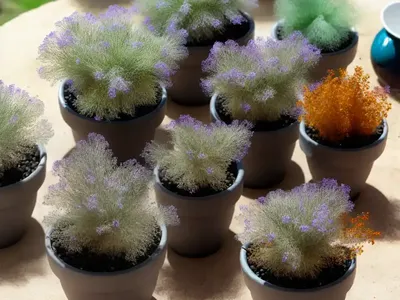
Delosperma Hotcakes� ‘Tangerine Tango’ (Ice Plant)
Plants play a crucial role in our lives, providing us with food, oxygen, and even artistic inspiration. As a plant scientist, I have had the privilege of.

Introduction
Plants play a crucial role in our lives, providing us with food, oxygen, and even artistic inspiration. As a plant scientist, I have had the privilege of studying and analyzing a wide variety of plant species. Today, I am excited to share my knowledge and insights about the fascinating Delosperma Hotcakes ‘Tangerine Tango’ (Ice Plant). This resilient and visually stunning plant has garnered attention for its unique characteristics, making it a popular choice among gardening enthusiasts.
In this comprehensive guide, we will delve into the various aspects of the Delosperma Hotcakes ‘Tangerine Tango’, including its cultural requirements, uses, care tips, and its role in landscaping. Whether you are a seasoned gardener or a beginner looking to enhance your green space, this blog post will provide you with valuable information to cultivate and appreciate this remarkable plant.
What is Delosperma Hotcakes ‘Tangerine Tango’ (Ice Plant)?
The Delosperma Hotcakes ‘Tangerine Tango’, commonly known as the Ice Plant, is a vibrant and eye-catching succulent that belongs to the Aizoaceae family. Originating from South Africa, this low-growing perennial plant has gained popularity for its ability to thrive in arid and challenging environments. Its distinctive name, “Ice Plant,” is derived from the glistening, dew-like appearance of its foliage, giving the impression of ice crystals adorning the plant.
Key Takeaways – Delosperma Hotcakes ‘Tangerine Tango’ (Ice Plant)
Before we dive into the specifics of the Ice Plant, let’s take a moment to highlight some key takeaways that will guide our exploration of this captivating species.
Culture
- The Delosperma Hotcakes ‘Tangerine Tango’ thrives in well-draining soil and is well-suited for rock gardens, borders, and container plantings.
- This resilient plant exhibits exceptional drought tolerance, making it a fantastic choice for water-wise landscapes.
Uses
- With its vibrant tangerine-colored flowers and dense, succulent foliage, the Ice Plant is well-suited for ornamental purposes, adding a burst of color to garden beds and landscapes.
Water
- The Ice Plant requires minimal watering once established, making it an excellent choice for low-maintenance gardening and water-saving initiatives.
Sunlight
- Thriving in full sun to partial shade, the Delosperma Hotcakes ‘Tangerine Tango’ can adapt to a variety of light conditions, offering flexibility in landscaping and gardening arrangements.
Fertilizer
- Minimal fertilizer requirements make the Ice Plant an easy-to-care-for addition to gardens, particularly in nutrient-poor soils.
Soil
- Well-draining, sandy or gravelly soil is ideal for the Delosperma Hotcakes ‘Tangerine Tango’, emphasizing its preference for arid and well-ventilated growing conditions.
Pruning
- Low-maintenance and requiring minimal pruning, the Ice Plant maintains a neat and compact growth habit, reducing the need for extensive upkeep.
Propagation
- Propagating the Ice Plant through stem and seed cuttings enables gardeners to expand their plant collection and share its beauty with others.
Container Popularity
- The compact growth and striking appearance of the Delosperma Hotcakes ‘Tangerine Tango’ make it a popular choice for container gardening, lending itself to a wide array of creative planting arrangements.
Now that we have outlined the key takeaways, allow me to explore each of these aspects in greater detail, providing valuable insights into the culture, care, and attributes of the Delosperma Hotcakes ‘Tangerine Tango’ (Ice Plant).
Culture of Delosperma Hotcakes ‘Tangerine Tango’ (Ice Plant)
Understanding the cultural requirements of the Delosperma Hotcakes ‘Tangerine Tango’ is crucial for successfully nurturing and appreciating the beauty of this resilient plant. Let’s explore the cultural considerations, environmental preferences, and landscaping potential of the Ice Plant.
Environmental Preferences
The geographical origins of the Delosperma Hotcakes ‘Tangerine Tango’ offer key insights into its environmental preferences and cultural requirements. Hailing from South Africa, this succulent has evolved to thrive in arid and semi-arid conditions, emphasizing its exceptional drought tolerance and adaptability to limited water resources. Its ability to endure harsh environments and prolonged periods of dryness has contributed to its reputation as a resilient and low-maintenance plant.
Water
One of the remarkable attributes of the Ice Plant is its minimal water requirements once established. This drought-tolerant succulent is well-suited for xeriscaping, water-wise landscaping, and regions prone to water scarcity. Its ability to thrive with infrequent watering makes it an attractive choice for eco-conscious gardeners and those seeking to conserve water while maintaining visually appealing landscapes.
Sunlight
Thriving in full sun to partial shade, the Delosperma Hotcakes ‘Tangerine Tango’ exhibits remarkable flexibility in its light requirements, making it adaptable to a variety of garden settings. Whether incorporated into sunny rock gardens or nestled in partially shaded borders, the Ice Plant’s ability to flourish under different light conditions enhances its versatility in landscaping and gardening arrangements.
Soil
The Ice Plant’s preference for well-draining soil, characterized by sandy or gravelly textures, highlights its aversion to waterlogged conditions. Implementing the use of raised beds, gravel mulch, or well-draining soil mixes can create an ideal growing environment for the Delosperma Hotcakes ‘Tangerine Tango’, enabling it to thrive in challenging soil conditions and arid landscapes.
Fertilizer
Minimal fertilizer requirements contribute to the low-maintenance appeal of the Ice Plant. Its ability to adapt to nutrient-poor soils and thrive without excessive fertilization underscores its suitability for extensive planting schemes and landscapes with varying soil qualities. This unique characteristic positions the Delosperma Hotcakes ‘Tangerine Tango’ as an attractive option for gardeners seeking resilient, easy-to-care-for plants.
Uses of Delosperma Hotcakes ‘Tangerine Tango’ (Ice Plant)
The Delosperma Hotcakes ‘Tangerine Tango’ offers an array of practical and aesthetic uses, making it a valuable addition to diverse gardening and landscaping initiatives. Let’s explore its diverse uses and the benefits it brings to gardeners and landscapes.
Ornamental Value
With its effervescent tangerine-colored flowers and succulent, glistening foliage, the Ice Plant serves as a visually striking addition to garden beds, borders, and container plantings. Its vibrant blooms and low-growing, spreading habit contribute to its ornamental appeal, creating eye-catching displays and adding a pop of color to landscaping projects.
Drought-Tolerant Landscaping
Given the Delosperma Hotcakes ‘Tangerine Tango’s exceptional drought tolerance, it serves as a pivotal component in water-wise landscaping and xeriscaping initiatives. Its ability to thrive with minimal water requirements positions it as an environmentally conscious choice for gardens prone to dry spells and regions with limited water resources.
Soil Stabilization
The ground-covering growth habit of the Ice Plant makes it an effective tool for soil stabilization and erosion control in slopes, embankments, and areas susceptible to soil displacement. Its dense foliage and spreading nature contribute to the reinforcement of soil structures, making it a valuable asset in landscaping projects with soil conservation objectives.
Ground Cover
Embracing the role of a ground cover, the Delosperma Hotcakes ‘Tangerine Tango’ forms expansive mats of succulent foliage, creating visually cohesive and verdant ground coverings. Its ability to thrive in challenging environments and contribute to the visual continuity of landscapes underscores its significance in ground cover applications.
Container Gardening
The compact growth habit and vibrant visual appeal of the Ice Plant have established it as a popular choice for container gardening. Its adaptability to various container sizes and its low-maintenance requirements make it an attractive option for creative and versatile planting arrangements on patios, balconies, and outdoor living spaces.
Now that we have explored the cultural considerations and diverse uses of the Delosperma Hotcakes ‘Tangerine Tango’, let’s delve into the specific care tips and maintenance practices that will help you cultivate and appreciate this remarkable succulent.
Delosperma Hotcakes ‘Tangerine Tango’ (Ice Plant) Care Tips
Caring for the Delosperma Hotcakes ‘Tangerine Tango’ involves understanding its specific requirements, maintenance practices, and planting considerations. By incorporating tailored care techniques, gardeners can maximize the vibrancy and resilience of this captivating succulent. Let’s explore the essential care tips for nurturing the Ice Plant and ensuring its optimal health and visual appeal.
Watering Requirements
Understanding the watering needs of the Delosperma Hotcakes ‘Tangerine Tango’ is fundamental for maintaining its vigor and health. While the Ice Plant exhibits exceptional drought tolerance, it benefits from periodic watering during prolonged dry spells, particularly in regions with intense sun exposure.
Irrigation Practices
- Establishment Period: During the initial phase of planting or transplanting, regular watering is essential to aid in root establishment and acclimation to the new environment. Maintaining consistent soil moisture during this period promotes healthy growth and ensures the successful establishment of the Ice Plant.
- Established Plants: Once the Delosperma Hotcakes ‘Tangerine Tango’ is established, it thrives with minimal watering requirements, particularly in well-draining soil. As a general guideline, watering during extended drought periods, approximately every two to four weeks, supports the plant’s vitality and flowering performance.
Water-Saving Techniques
Incorporating water-saving techniques, such as drip irrigation and mulching, can optimize the efficient use of water while promoting the sustained health and aesthetics of the Ice Plant. Mulching with gravel or organic materials aids in moisture retention and soil insulation, enhancing the plant’s capacity to endure dry conditions.
Sunlight Requirements
The lighting needs of the Delosperma Hotcakes ‘Tangerine Tango’ encompass its adaptability to full sun and partial shade, offering flexibility in landscaping and planting arrangements. Understanding its sunlight preferences is pivotal for ensuring robust growth and abundant flowering.
Full Sun Exposure
- Thriving in full sun exposure, the Ice Plant exhibits vigorous growth and profuse flowering when provided with ample sunlight. Positioning it in locations with direct sun exposure for at least six hours daily fosters optimal vitality and bloom production.
Partial Shade Adaptability
- While the Delosperma Hotcakes ‘Tangerine Tango’ flourishes in full sun, it also demonstrates adaptability to partial shade, making it a versatile choice for environments with varying light conditions. Partial shade settings can include areas with dappled sunlight or locations shielded from intense midday sun.
Soil and Planting Considerations
Creating a hospitable growing environment for the Ice Plant involves implementing well-draining soil, appropriate planting techniques, and suitable companion plants to enrich its surroundings.
Soil Texture
- Well-draining, sandy or gravelly soil is essential for fostering the health and vigor of the Delosperma Hotcakes ‘Tangerine Tango’. These soil textures promote optimal drainage, preventing waterlogging and root rot while supporting the plant’s natural inclination towards arid and well-ventilated growing conditions.
Planting Depth
- When planting the Ice Plant, ensuring the appropriate planting depth is vital for its long-term well-being. Positioning the plant in well-drained soil at a depth equivalent to its root ball promotes secure establishment and facilitates the plant’s capacity to extend and spread across the planting area.
Companion Planting
- Selecting compatible companion plants can enhance the visual impact and ecological diversity of the garden bed. When incorporating the Delosperma Hotcakes ‘Tangerine Tango’ into planting schemes, consider companions that share similar cultural requirements, such as drought tolerance and soil preferences, to create harmonious and visually appealing compositions.
Fertilization Practices
Maintaining the robust growth and floriferous nature of the Delosperma Hotcakes ‘Tangerine Tango’ involves adopting minimal fertilization practices tailored to its modest nutrient requirements.
Fertilizer Application
- Due to its adaptability to nutrient-poor soils, the Ice Plant necessitates minimal fertilization, emphasizing its suitability for low-maintenance gardening and landscaping projects. Applying a balanced, low-potency fertilizer during the growing season, diluted to half-strength, offers supplementary nutrients without overwhelming the plant with excessive fertilization.
Nutrient-Poor Soil Adaptation
- The Delosperma Hotcakes ‘Tangerine Tango’s resilience in nutrient-poor soils enables it to prosper in arid and challenging environments, making it an attractive option for gardens with limited soil fertility and those seeking low-input cultivation practices. Its ability to thrive and flower without intensive fertilization underscores its adaptability and self-reliant nature.
Pruning and Deadheading
Maintaining the neat and compact appearance of the Ice Plant involves periodic pruning and deadheading to manage its growth and encourage prolonged flowering.
Deadheading Procedure
- Removing spent flowers, or deadheading, promotes continuous blooming and prevents the formation of seed heads, redirecting the plant’s energy towards prolific flower production. This practice prolongs the flowering season of the Delosperma Hotcakes ‘Tangerine Tango, enhancing its ornamental appeal and visual continuity.
Pruning Techniques
- Minimal pruning requirements contribute to the low-maintenance nature of the Ice Plant. Trimming back any straggling or overreaching growth promotes a tidy and uniform growth habit, ensuring a visually appealing presentation and reducing the need for extensive maintenance.
Propagation Methods
Expanding your collection of Delosperma Hotcakes ‘Tangerine Tango’ or sharing its beauty with fellow gardening enthusiasts can be accomplished through the propagation of stem cuttings and seeds, allowing for the cultivation of new plants and the preservation of its unique characteristics.
Stem Cutting Propagation
- Propagating the Ice Plant through stem cuttings involves carefully selecting healthy, non-flowering stems and rooting them in well-draining soil or a suitable propagation medium. This method provides a reliable means of generating new plants while preserving the desirable traits and vibrant coloration of the Delosperma Hotcakes ‘Tangerine Tango’.
Seed Propagation
- Harvesting the seeds of the Ice Plant enables gardeners to expand their plant collection and facilitate the dissemination of its genetic diversity. Sowing harvested seeds in well-draining soil and maintaining suitable moisture levels can yield new seedlings, contributing to the propagation and conservation of this captivating succulent.
Container Gardening Considerations
The compact growth habit and visual appeal of the Delosperma Hotcakes ‘Tangerine Tango’ make it a preferred choice for container gardening, offering flexibility and creativity in planting arrangements.
Container Selection
- When cultivating the Ice Plant in containers, selecting well-draining pots or containers with adequate drainage holes is pivotal for preventing water accumulation and ensuring the plant’s vitality. Containers of varying sizes and designs offer versatility in creating captivating and portable displays, suitable for outdoor and indoor settings.
Soil Mix and Planting Techniques
- Utilizing well-draining, succulent-specific soil mixes or incorporating gravel for enhanced drainage provides a conducive growing medium for the Ice Plant in containers. Ensuring appropriate planting depth and soil composition facilitates successful container cultivation, supporting the health and exuberance of the Delosperma Hotcakes ‘Tangerine Tango’.
Popularity of Delosperma Hotcakes ‘Tangerine Tango’ (Ice Plant)
The Delosperma Hotcakes ‘Tangerine Tango’ has captured the attention of gardening enthusiasts and landscape designers, earning acclaim for its captivating aesthetic appeal, resilience, and versatility in various garden settings. Its growing popularity is attributed to the following factors:
Visual Appeal
- The vibrant tangerine-colored flowers and glistening succulent foliage of the Ice Plant contribute to its visual allure, establishing it as an attractive addition to garden beds, borders, and container plantings. Its ability to create dynamic color contrasts and provide prolonged floral displays enhances its desirability in diverse landscapes.
Resilience and Low Maintenance
- The Delosperma Hotcakes ‘Tangerine Tango’s exceptional drought tolerance, minimal water requirements, and low-maintenance nature position it as an appealing choice for eco-conscious gardeners, those seeking water-wise landscaping solutions, and individuals with limited time for extensive plant care.
Versatility in Landscaping
- Adaptable to a range of environmental conditions, including full sun to partial shade, the Ice Plant offers versatility in landscaping applications, enabling its integration into rock gardens, xeriscapes, and container plantings. Its capacity to thrive in challenging environments and its suitability for ground cover and soil stabilization further enhance its appeal in diverse gardening projects.
Attraction to Pollinators
- The vibrant flowers of the Delosperma Hotcakes ‘Tangerine Tango’ entice pollinators, such as bees and butterflies, contributing to the ecological value and biodiversity of the garden. Its role as a pollinator plant amplifies its desirability among nature-conscious gardeners and wildlife enthusiasts.
Common Diseases and Pest Control
While the Delosperma Hotcakes ‘Tangerine Tango’ exhibits resilience to various environmental challenges, it is essential to be aware of potential diseases and pests that may impact its vitality and aesthetic appeal.
Disease Susceptibility
- The Ice Plant is typically resistant to major diseases, owing to its adaptation to arid conditions and its vigorous growth habit. However, excessive moisture and poor air circulation can contribute to the development of fungal diseases, such as powdery mildew and root rot. Implementing proper soil drainage, avoiding overwatering, and maintaining adequate spacing between plants can mitigate disease susceptibility.
Pest Infestations
- Common pests, including aphids and spider mites, may occasionally target the Delosperma Hotcakes ‘Tangerine Tango’, necessitating vigilant monitoring and proactive pest control measures. Regular inspections, the application of insecticidal soaps, and the encouragement of natural predators can enable effective pest management while preserving the ecological balance of the garden.
Botanist’s Tips for Successful Cultivation
Based on my expertise as a botanist and plant scientist, I have compiled a set of valuable tips and recommendations to optimize the cultivation and appreciation of the Delosperma Hotcakes ‘Tangerine Tango’. These insights draw from my in-depth knowledge of plant biology and horticultural practices, offering practical guidance for successful gardening endeavors.
Botanist’s Tips:
-
Ensure Well-Draining Soil: Prioritize the use of well-draining soil mixes or incorporate gravel and coarse sand to create an optimal growing medium for the Ice Plant, emphasizing the importance of soil aeration and water permeability.
-
Monitor Moisture Levels: Regulate watering practices to prevent waterlogging and maintain suitable moisture levels, particularly during the establishment phase and extended dry periods, to promote the plant’s resilience and vigor.
-
Implement Companion Planting: Integrate compatible companion plants with similar cultural requirements to complement the beauty of the Delosperma Hotcakes ‘Tangerine Tango’ and create cohesive and sustainable garden designs.
-
Embrace Naturalized Landscaping: Emphasize the ecological benefits and aesthetic appeal of naturalized landscaping by incorporating the Ice Plant into sustainable and wildlife-friendly environments, harnessing its potential as a pollinator plant and ground cover.
-
Utilize Mulching Techniques: Apply gravel or organic mulch to conserve moisture, suppress weed growth, and insulate the soil, fostering a favorable growing environment for the Ice Plant while minimizing maintenance needs.
-
Promote Seasonal Maintenance: Engage in regular deadheading, light pruning, and removal of debris to uphold the pristine appearance of the Delosperma Hotcakes ‘Tangerine Tango’ and facilitate prolonged flowering.