Egyptian Starcluster (Pentas Lanceolata ‘graffiti White’)
Plants play a crucial role in our lives, not only by enhancing the aesthetic appeal of our environment but also by contributing to the ecological balance.
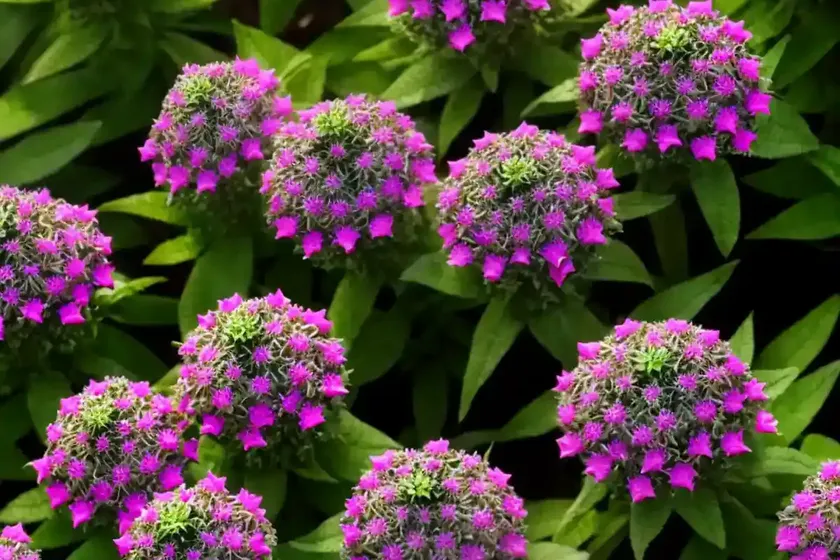
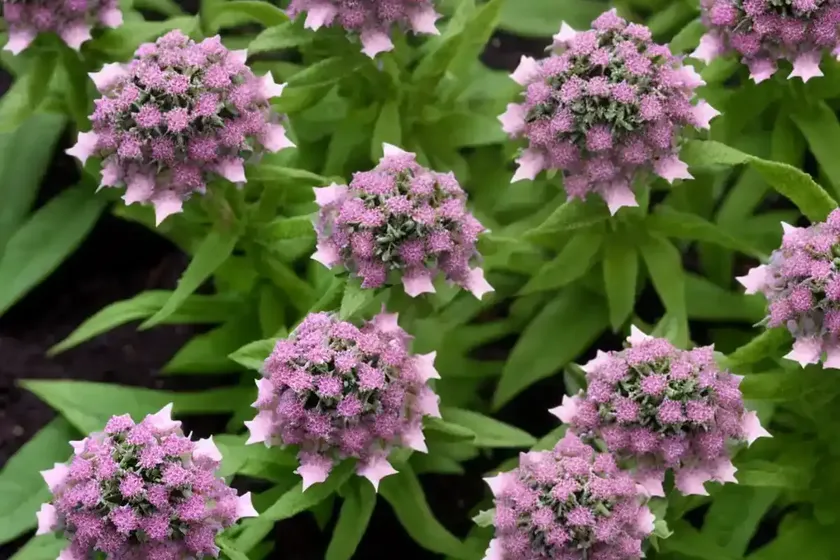
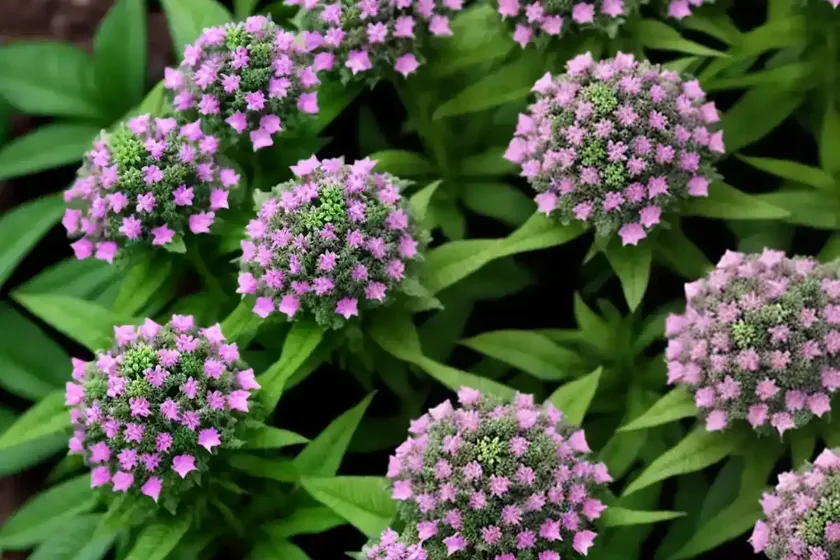
Plants play a crucial role in our lives, not only by enhancing the aesthetic appeal of our environment but also by contributing to the ecological balance and offering numerous other benefits. One such plant that has gained popularity for its beauty and versatility is the Pentas lanceolata ‘Graffiti White’ or Egyptian Starcluster. In this comprehensive guide, we will delve deeply into the various facets of this stunning plant, including its cultural aspects, uses, care requirements, common diseases and pests, propagation techniques, and much more. By the end of this guide, you will have all the essential knowledge needed to cultivate and maintain a flourishing Egyptian Starcluster.
What is the Egyptian Starcluster (Pentas lanceolata ‘Graffiti White’)?
The Pentas lanceolata, commonly known as the Egyptian Starcluster, belongs to the family Rubiaceae, native to Africa and the Arabian Peninsula. It is a perennial plant and is available in various colors, including white, red, and shades of pink. Among its diverse range, the Pentas lanceolata ‘Graffiti White’ stands out for its striking white blooms, making it a popular choice for enhancing gardens, landscapes, and even indoor spaces.
Key Takeaways – Egyptian Starcluster (Pentas lanceolata ‘Graffiti White’)
- Scientific Name: Pentas lanceolata ‘Graffiti White’
- Common Name: Egyptian Starcluster
- Plant Type: Perennial
- Bloom Color: White
- Cultural Uses: Ornamental plant for gardens and landscapes
- Watering Needs: Moderate
- Sunlight Requirements: Full to partial sun
- Soil Type: Well-drained, fertile soil
- Fertilization: Regular feeding for optimal growth
- Pruning: Regular deadheading to encourage continuous blooming
- Propagation: Seeds, cuttings
- Container Gardening: Suitable for containers
- Common Diseases: Leaf spot, powdery mildew
- Common Pests: Aphids, spider mites
Now, let’s explore each of these aspects in detail to understand how to best care for the Egyptian Starcluster and ensure its healthy growth.
Culture
The Egyptian Starcluster is widely admired for its vibrant and long-lasting blooms. As a gardener or plant enthusiast, understanding its cultural requirements is essential for nurturing this plant effectively.
Uses
The Egyptian Starcluster, with its dense clusters of star-shaped flowers, is primarily cultivated for ornamental purposes. Its attractive blooms and ability to attract butterflies and hummingbirds make it a delightful addition to gardens, landscapes, and even indoor spaces. Whether used as a border plant, in mixed plantings, or as a standalone specimen, this plant adds a touch of elegance and charm to any setting.
Water
Proper watering is crucial for the health and vigor of the Egyptian Starcluster. While this plant can tolerate a degree of drought, it thrives best in consistently moist soil. However, it is important to ensure that the soil is well-draining to prevent waterlogged conditions, which can lead to root rot and other moisture-related issues.
Watering Tips
- Frequency: Water deeply when the top inch of the soil is dry, especially during hot and dry periods.
- Avoid Overwatering: Ensure that the plant isn’t sitting in water, as this can lead to root rot.
- Mulching: Applying a layer of mulch around the base of the plant can help retain moisture and reduce the frequency of watering.
Sunlight
The Egyptian Starcluster thrives in bright sunlight and warm conditions. Adequate sunlight is essential for promoting healthy growth and profuse blooming.
Sunlight Requirements
- Full Sun: Ideally, the plant should receive at least 6-8 hours of direct sunlight per day for optimal flowering.
- Partial Shade: While it prefers full sun, it can tolerate some light shade, particularly during the hottest part of the day.
Fertilizer
Regular feeding with a balanced fertilizer is crucial for promoting robust growth and abundant flowering in the Egyptian Starcluster.
Fertilization Tips
- Timing: Fertilize the plant in the early spring as new growth begins, and then again in mid-summer to support continuous blooming.
- Type: Use a balanced, all-purpose fertilizer with equal NPK (nitrogen, phosphorus, and potassium) ratio or a formula specifically formulated for flowering plants.
- Application: Follow the instructions on the fertilizer package for the correct dosage and application method.
Soil
The soil quality and composition play a significant role in the overall health and development of the Egyptian Starcluster.
Soil Requirements
- Well-Drained: Ensure that the soil has good drainage to prevent waterlogging and root rot.
- Fertility: Use a fertile, organically rich soil to provide essential nutrients for healthy growth.
- pH Level: The ideal soil pH for the Egyptian Starcluster is slightly acidic to neutral (pH 6.0-7.0).
Pruning
Pruning is an important aspect of Egyptian Starcluster care, as it helps maintain the plant’s shape, encourages branching, and prolongs its blooming period by removing spent flowers.
Pruning Tips
- Deadheading: Regularly remove faded or spent flowers to stimulate the production of new blooms.
- Trimming: Lightly trim the plant to maintain its desired shape and size. Avoid heavy pruning, especially in the fall, as this can reduce blooming in the following season.
Propagation
For those interested in propagating the Egyptian Starcluster, it is possible to do so through seeds and cuttings.
Propagation Methods
Seed Propagation
- Seed Collection: Gather mature seeds from the plant during the flowering season.
- Scarification: Some gardeners might choose to scarify the seeds to enhance germination, as the seeds have hard coats that can inhibit sprouting.
- Sowing: Plant the seeds in a seed-starting mix, lightly covering them with soil. Keep the soil consistently moist until germination occurs.
Stem Cutting Propagation
- Selection: Choose healthy, non-flowering stems for cuttings.
- Preparation: Take 4-6 inch cuttings from the growing tips of the plant, ensuring that each cutting has at least a couple of leaf nodes.
- Rooting: Dip the cut ends in a rooting hormone to promote root development and plant them in a well-draining potting mix. Keep the soil consistently moist until roots develop.
Container Popularity
The Egyptian Starcluster is well-suited for container gardening, offering a versatile option for those with limited garden space or those interested in creating vibrant floral displays on patios, balconies, or indoor settings.
Container Care Tips
- Container Size: Use a sufficiently large container to accommodate the plant’s root system and provide stability.
- Drainage Holes: Ensure that the container has adequate drainage holes to prevent waterlogging.
- Potting Mix: Use a well-draining potting mix with added organic matter to provide essential nutrients.
- Watering: Monitor the moisture levels closely, as containers can dry out more quickly than garden beds.
- Sunlight: Place the container in a location that receives adequate sunlight for the plant’s healthy growth.
Common Diseases and Pests
Despite its resilience, the Egyptian Starcluster is susceptible to certain diseases and pests that can affect its overall health and appearance.
Disease Diagnosis
Leaf Spot
Symptoms:
– Circular, water-soaked spots on the leaves
– Development of dark, necrotic centers
– Premature leaf drop in severe cases
Treatment:
– Remove and destroy affected leaves.
– Ensure proper spacing between plants to promote airflow and reduce humidity.
Powdery Mildew
Symptoms:
– White, powdery patches on the leaves and stems
– Distorted growth and yellowing of affected areas
Treatment:
– Improve air circulation around the plant.
– Apply fungicidal treatments if the infection is severe.
Common Pests
Aphids
Identification:
– Small, soft-bodied insects clustered on the new growth and underside of leaves.
– They may be green, black, or brown in color.
Control Measures:
– Spray the plant with a forceful stream of water to dislodge the aphids.
– Use insecticidal soap or neem oil for persistent infestations.
Spider Mites
Identification:
– Tiny arachnids that cause stippling and webbing on the leaves.
– Leaves may appear dusty or bronzed due to mite feeding.
Control Measures:
– Mist the plant to increase humidity, as spider mites thrive in dry conditions.
– Use insecticidal sprays or predatory mites for effective control.
Botanist’s Tips
- Companion Planting: Consider planting the Egyptian Starcluster alongside other pollinator-attracting plants, such as bee balm, salvias, and coneflowers, to create a vibrant and wildlife-friendly garden.
- Seasonal Care: During the growing season, regularly monitor the plant for any signs of stress, disease, or pest infestations and take appropriate measures promptly.
- Drought Tolerance: While the Egyptian Starcluster appreciates consistent moisture, it can exhibit a degree of drought tolerance once established. However, prolonged drought can impact its flowering and overall health.
Fun Facts
- The name Pentas is derived from the Greek word for “five,” symbolizing the five-petaled flowers the plants produce.
- Beyond its ornamental value, the Egyptian Starcluster is known for its attractiveness to various pollinators, such as butterflies and hummingbirds, contributing to the biodiversity of the surrounding ecosystem.
Links to External Resources
- RHS – Egyptian Starcluster Care
- The Spruce – Growing Egyptian Starcluster
- University of Florida IFAS Extension – Pentas lanceolata
By considering the insights shared in this comprehensive care guide, you can cultivate a thriving and beautiful display of Egyptian Starcluster in your garden or indoor space. Understanding the plant’s cultural needs, propagation techniques, and methods for maintaining its health equips you to enjoy the stunning blooms and contribute to the overall biodiversity of your environment. Remember, with attentive care and regular attention, the Egyptian Starcluster will reward you with its mesmerizing beauty and enduring charm.


