Echinacea Purpurea Yellow Rainbow Marcella (Coneflower)
Echinacea purpurea Yellow Rainbow Marcella, commonly known as coneflower, is a stunning perennial plant that belongs to the daisy family, Asteraceae. This.



Echinacea purpurea Yellow Rainbow Marcella, commonly known as coneflower, is a stunning perennial plant that belongs to the daisy family, Asteraceae. This herbaceous flowering plant is native to eastern and central North America and is celebrated for its vibrant and strikingly colorful blooms. In this comprehensive guide, we will delve into the key aspects of this plant, including its culture, uses, care requirements, common diseases, and much more.
What is Echinacea purpurea Yellow Rainbow Marcella (Coneflower)?
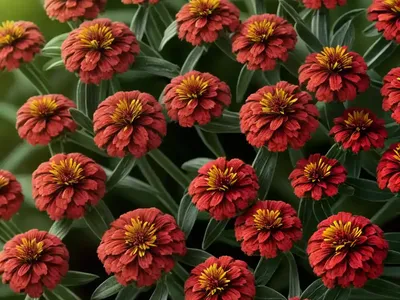
Echinacea purpurea Yellow Rainbow Marcella, also known as coneflower, is a herbaceous perennial plant that is beloved for its vibrant and eye-catching flowers. It is a member of the Echinacea genus, which comprises several species known for their medicinal and ornamental properties. The “Yellow Rainbow Marcella” variety is particularly cherished for its striking yellow and pink-hued petals, making it a popular choice for gardens, landscapes, and pollinator habitats.
Overview of Echinacea purpurea Yellow Rainbow Marcella (Coneflower)
- Scientific Name: Echinacea purpurea
- Common Name: Yellow Rainbow Marcella Coneflower
- Family: Asteraceae
- Origin: Eastern and Central North America
- Type: Herbaceous Perennial
- Blooms: Summer to Fall
- Growth Habit: Upright, Clumping
- Uses: Ornamental, Medicinal
- Hardiness: USDA Zones 3-8
- Attracts: Pollinators, Birds
Echinacea purpurea Yellow Rainbow Marcella stands out with its large, solitary flowers adorned with drooping petals and prominent central cones, attracting a myriad of pollinators such as butterflies, bees, and birds. Its robust and resilient nature makes it a fantastic addition to gardens, providing a burst of color and contributing to the overall biodiversity of the landscape.
Now that we have an understanding of what Echinacea purpurea Yellow Rainbow Marcella is, let’s delve into the key aspects of its culture, uses, and care requirements.
Key Takeaways – Echinacea purpurea Yellow Rainbow Marcella (Coneflower)
Culture
- Growth Habit: Upright, Clumping
- Soil Type: Well-drained, Loamy
- pH: Neutral to slightly acidic (6.0-7.0)
- Watering: Moderate
- Fertilization: Balanced, All-purpose fertilizer in spring
Uses
- Ornamental: Suitable for borders, mass plantings, and container gardens
- Medicinal: Potential health benefits from Echinacea extracts
- Wildlife: Attracts pollinators and birds
Care Requirements
- Water: Regular watering, especially during the establishment phase
- Sunlight: Full Sun to Partial Shade
- Fertilizer: Balanced, All-purpose fertilizer in spring
- Soil: Well-drained, Loamy soil
- Pruning: Deadhead spent blooms to promote continuous flowering
- Propagation: Division in early spring or fall
- Container: Suitable for container gardens
- Popularity: Widely cultivated for its ornamental value and wildlife appeal
Now, let’s explore each of these aspects in detail to gain a comprehensive understanding of how to cultivate and care for Echinacea purpurea Yellow Rainbow Marcella.
Culture
Soil
Echinacea purpurea Yellow Rainbow Marcella thrives in well-drained, loamy soil with a slightly acidic to neutral pH. It is essential to ensure that the soil provides adequate drainage to prevent waterlogging, which can lead to root rot and other issues. Amending the soil with organic matter, such as compost, can improve its texture and fertility, creating an ideal growing medium for the plant.
Water
While Echinacea purpurea Yellow Rainbow Marcella is relatively drought-tolerant once established, it benefits from regular watering, especially during the initial stages of growth and during dry periods. Consistent moisture is crucial for promoting healthy root development and robust flowering. However, it is important to avoid overwatering, as excessively wet conditions can be detrimental to the plant.
Sunlight
This coneflower variety thrives in full sun to partial shade. Providing ample sunlight is essential for ensuring strong, sturdy stems, vibrant blooms, and overall plant vigor. When grown in partial shade, the plant may exhibit slightly elongated growth, but it generally adapts well to varying light conditions.
Fertilizer
Echinacea purpurea Yellow Rainbow Marcella benefits from a balanced, all-purpose fertilizer applied in spring as new growth emerges. A slow-release fertilizer or a top dressing of compost can provide the necessary nutrients to support healthy growth and abundant flowering. It is important to follow the recommended application rates to prevent over-fertilization, which can lead to excessive foliage at the expense of flowers.
Uses
Ornamental
Echinacea purpurea Yellow Rainbow Marcella is a stunning addition to borders, mass plantings, and mixed perennial gardens. Its vibrant and captivating flowers create a striking display, especially when planted in groups or drifts. The plant’s ability to attract pollinators further enhances its ornamental appeal, adding movement and vitality to the garden.
Medicinal
Beyond its ornamental value, Echinacea purpurea has been traditionally used for its potential medicinal properties. The plant’s roots, flowers, and leaves have been utilized in herbal medicine for their purported immune-boosting and anti-inflammatory properties. While the Yellow Rainbow Marcella variety shares the same species as the traditional Purple Coneflower (Echinacea purpurea), it is important to note that further research is needed to validate its specific medicinal attributes.
Wildlife
Echinacea purpurea Yellow Rainbow Marcella is a valuable addition to wildlife gardens and naturalistic landscapes. Its nectar-rich flowers attract a variety of pollinators, including bees, butterflies, and hummingbirds, contributing to the ecological balance of the environment. Additionally, the plant’s seed heads serve as a food source for birds, making it an asset for wildlife habitat conservation.
Care Requirements
Water
To ensure the optimal growth and flowering of Echinacea purpurea Yellow Rainbow Marcella, it is important to provide regular, consistent moisture, particularly during the establishment phase. Once the plant is well-established, it exhibits good drought tolerance, though supplemental watering during extended dry periods can help maintain its vigor and overall health.
Sunlight
Echinacea purpurea Yellow Rainbow Marcella thrives in full sun to partial shade. When selecting a planting site, it is beneficial to choose a location that receives at least 6 hours of direct sunlight per day. Adequate sunlight promotes sturdy growth, rich flower coloration, and overall plant resilience.
Fertilizer
A balanced, all-purpose fertilizer applied in spring can provide the necessary nutrients to support the vigorous growth and abundant flowering of Echinacea purpurea Yellow Rainbow Marcella. It is advisable to follow the recommended application rates to prevent excessive vegetative growth at the expense of flower production.
Soil
The plant thrives in well-drained, loamy soil with a neutral to slightly acidic pH range. Ensuring good soil drainage is essential for preventing waterlogged conditions, which can compromise the health of the plant. Incorporating organic matter into the soil can enhance its structure and fertility, creating an optimal growing environment for the coneflower.
Pruning
Deadheading spent blooms is a beneficial practice for Echinacea purpurea Yellow Rainbow Marcella, as it encourages the plant to produce additional flowers and prolongs the flowering period. By removing faded blooms, the plant directs its energy towards new growth and flowering, resulting in a more prolific and long-lasting display.
Propagation
Echinacea purpurea Yellow Rainbow Marcella can be propagated through division in early spring or fall. Dividing mature clumps not only allows for the multiplication of plants but also helps rejuvenate older specimens. The newly divided segments can be replanted in suitable locations, ensuring that they receive adequate moisture and care during the establishment phase.
Container
Echinacea purpurea Yellow Rainbow Marcella is well-suited for container gardening, adding a burst of color and vibrancy to patios, balconies, or outdoor living spaces. When growing in containers, it is important to select a well-draining potting mix and provide regular watering to maintain appropriate soil moisture levels. Additionally, placing the containers in locations with sufficient sunlight is crucial for the plant’s overall health and flowering performance in a containerized environment.
In addition to the culture, uses, and care requirements, it is important to be aware of common diseases and pests that may affect Echinacea purpurea Yellow Rainbow Marcella.
Common Diseases
Echinacea purpurea Yellow Rainbow Marcella is generally resilient and resistant to many common diseases. However, under certain environmental conditions, the plant may be susceptible to specific issues such as:
-
Powdery Mildew: This fungal disease can affect the foliage, causing a white, powdery coating on the leaves. Adequate air circulation and avoiding overhead watering can help prevent powdery mildew.
-
Septoria Leaf Spot: Characterized by small, dark spots with a lighter center, this fungal disease can impact the plant’s foliage. Removing and disposing of infected plant material can help manage the spread of this disease.
-
Root Rot: Excessive moisture or poorly drained soil can lead to root rot, resulting in yellowing leaves, wilting, and overall decline. Ensuring proper soil drainage and avoiding overwatering can mitigate the risk of root rot.
Disease Diagnosis
When diagnosing potential diseases affecting Echinacea purpurea Yellow Rainbow Marcella, it is essential to carefully observe the plant for any abnormal symptoms, such as discoloration, spots, or unusual growth patterns. Consulting with local extension services or plant health professionals can provide valuable insights and guidance in diagnosing and managing specific diseases that may affect the plant in a particular region or environment.
Common Pests
While Echinacea purpurea Yellow Rainbow Marcella is generally resistant to most pests, it may occasionally encounter issues with:
-
Aphids: These small, sap-sucking insects can infest the plant, causing distortion of new growth and a sticky residue known as honeydew. Physical removal or the application of insecticidal soap can help control aphid populations.
-
Japanese Beetles: These voracious pests can feed on the foliage and flowers of Echinacea purpurea, causing visible damage. Handpicking, traps, or approved insecticides can help manage Japanese beetle infestations.
-
Caterpillars: Certain caterpillar species may feed on the leaves of the plant, leading to visible defoliation. Manual removal or the use of Bacillus thuringiensis (Bt) can effectively control caterpillar populations.
Botanist’s Tips
As an esteemed botanist, I would like to share a few tips for cultivating and caring for Echinacea purpurea Yellow Rainbow Marcella based on my expertise and experience with this captivating plant:
-
Promote Pollinator Diversity: In addition to its stunning blooms, Echinacea purpurea Yellow Rainbow Marcella provides essential food sources for a range of pollinators. By incorporating this plant into garden designs and landscapes, we can contribute to the conservation of pollinator populations and support ecosystem health.
-
Mulch Moderately: Applying a layer of organic mulch around the base of the plant can help conserve soil moisture, suppress weeds, and moderate soil temperature. However, it is important to avoid excessive mulching, particularly around the crown of the plant, to prevent issues such as crown rot.
-
Observe Seasonal Changes: Throughout the growing season, closely observe the plant for any changes in growth, flowering patterns, or potential stress indicators. By staying attuned to the plant’s seasonal fluctuations, we can make timely adjustments to maximize its health and performance.
-
Support Winter Wildlife: Leaving the spent seed heads intact during the winter months can provide a valuable food source for birds, particularly in the colder seasons. Embracing the natural beauty of the plant’s remnants can contribute to the ecological balance of the landscape.
Fun Facts
-
Echinacea purpurea Yellow Rainbow Marcella is a cultivar celebrated for its captivating yellow and pink-hued petals, adding a dynamic burst of color to gardens and landscapes.
-
Beyond its ornamental value, the Purple Coneflower (Echinacea purpurea) has been traditionally used in herbal medicine, and ongoing research continues to explore its potential health benefits.
-
The robust nature of Echinacea purpurea Yellow Rainbow Marcella makes it a low-maintenance and resilient addition to diverse garden settings, from formal perennial borders to naturalistic prairie plantings.
Links to External Resources
For those interested in exploring further information about Echinacea purpurea Yellow Rainbow Marcella, here are some valuable resources that offer in-depth insights and guidance:
- Missouri Botanical Garden – Echinacea purpurea
- Royal Horticultural Society – Echinacea: Planting
- NC State Extension – Growing Coneflowers
- American Society for the Prevention of Cruelty to Animals – Echinacea purpurea
- University of Maryland Medical Center – Echinacea
As we conclude this comprehensive guide to Echinacea purpurea Yellow Rainbow Marcella (Coneflower), it is my hope that this resource has provided valuable insights into the cultivation, uses, and care of this captivating and dynamic plant. Whether adorning gardens with its vibrant blooms or contributing to the ecological tapestry of natural habitats, Echinacea purpurea Yellow Rainbow Marcella stands as a testament to the enduring allure and versatility of plants in our lives.
References:
– University of Maryland Medical Center. Echinacea. (n.d.). https://www.umm.edu/health/medical/altmed/herb/echinacea
– Missouri Botanical Garden. Echinacea purpurea. (n.d.). https://www.missouribotanicalgarden.org/PlantFinder/PlantFinderDetails.aspx?kempercode=a840
– Royal Horticultural Society. Echinacea: Planting. (n.d.). https://www.rhs.org.uk/plants/popular/echinaceas/planting
– NC State Extension. Growing Coneflowers. (n.d.). https://content.ces.ncsu.edu/echinacea-coneflower
– American Society for the Prevention of Cruelty to Animals. Echinacea purpurea. (n.d.). https://www.aspca.org/pet-care/animal-poison-control/toxic-and-non-toxic-plants/coneflower