Echinacea Purpurea ‘Ruby Giant’ (Coneflower)
Echinacea purpurea ‘Ruby Giant’ is a stunning perennial plant that belongs to the Asteraceae family. It is commonly known as coneflower due to its.
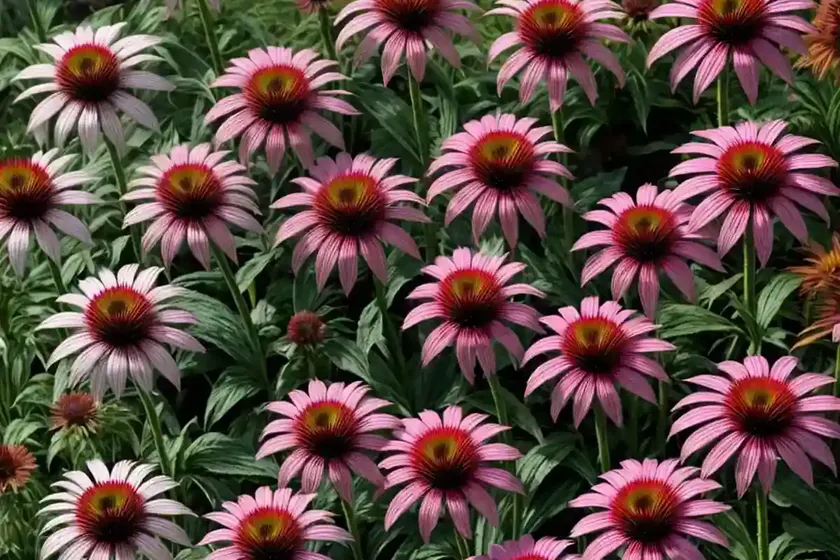
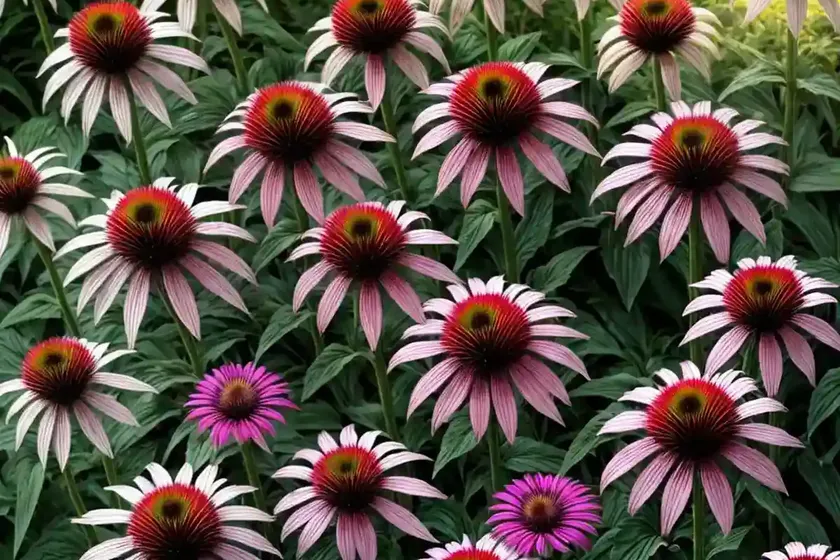
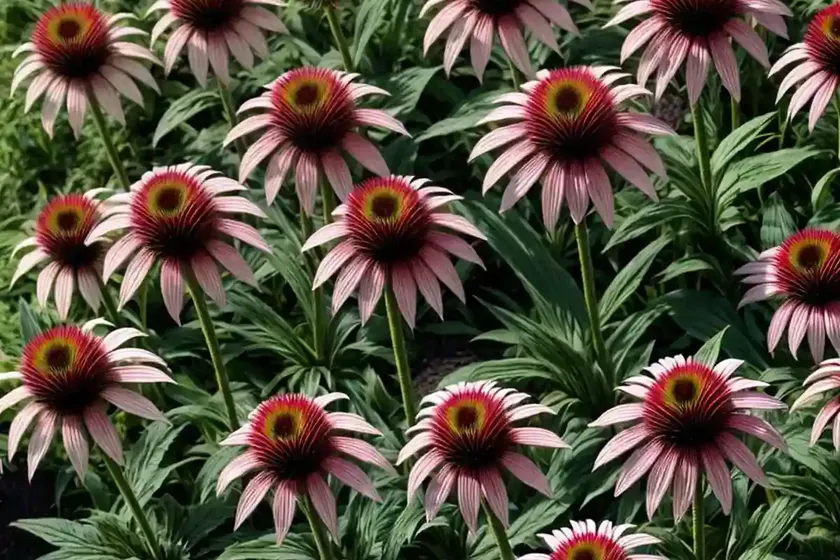
Echinacea purpurea ‘Ruby Giant’ is a stunning perennial plant that belongs to the Asteraceae family. It is commonly known as coneflower due to its eye-catching, daisy-like flowers with prominent, spiky centers. This remarkable plant is not only a beautiful addition to any garden, but it also boasts several beneficial properties. In this comprehensive guide, we will delve into the characteristics, care requirements, uses, and much more about the Echinacea purpurea ‘Ruby Giant’.
Echinacea purpurea ‘Ruby Giant’: An Overview
Echinacea purpurea ‘Ruby Giant’ is a hybrid coneflower variety that has gained popularity for its striking appearance and numerous beneficial qualities. The plant is native to North America, particularly the eastern and central regions, where it thrives in prairies, open woodlands, and moist to dry soils.
Key Takeaways – Echinacea purpurea ‘Ruby Giant’
Before we explore this beautiful coneflower in detail, let’s take a quick look at the key takeaways:
- Benefits: Echinacea purpurea ‘Ruby Giant’ offers an array of benefits, including medicinal properties, wildlife attraction, and landscape aesthetics.
- Characteristics: This coneflower is known for its vibrant, ruby-colored blooms, and robust, upright growth habit.
- Care Guide: Understanding the specific care requirements such as water, sunlight, and soil is crucial for the successful cultivation of Echinacea purpurea ‘Ruby Giant’.
- Planting Tips: Proper planting techniques play a vital role in ensuring the healthy establishment of this coneflower.
- Growing Conditions: Echinacea purpurea ‘Ruby Giant’ thrives in specific growing conditions, which we will discuss in detail.
- Cultivation: Learning about the cultivation practices for this coneflower is essential for gardening enthusiasts.
- Maintenance Guide: Effective maintenance techniques can contribute to the longevity and vitality of Echinacea purpurea ‘Ruby Giant’.
- Flowering Period: Understanding the flowering period allows gardeners to anticipate and appreciate the bloom cycles of this plant.
- Soil Requirements: The soil composition and quality directly impact the growth and development of Echinacea purpurea ‘Ruby Giant’.
- Water Needs: Knowing the specific water requirements is crucial for proper care and maintenance.
- Sunlight Preferences: Adequate sunlight is essential for the healthy growth and blooming of this coneflower.
- Propagation Methods: Mastering the propagation techniques allows for the expansion of Echinacea purpurea ‘Ruby Giant’ in a garden.
- Disease Resistance: Recognizing the plant’s natural disease resistance is beneficial for preventative measures.
- Insect Pests: Identifying common pests and implementing pest control measures is essential for maintaining plant health.
- Companion Plants: Understanding suitable companion plants can enhance the overall garden design and plant health.
- Landscaping Ideas: Utilizing Echinacea purpurea ‘Ruby Giant’ in landscaping requires creative ideas and practical considerations.
- Medicinal Properties: This plant is renowned for its traditional and contemporary medicinal uses.
- Winter Care: Knowing how to care for the plant during the winter months is essential for its survival.
- Container Gardening: Echinacea purpurea ‘Ruby Giant’ can also thrive in containers, making it a versatile choice for smaller spaces.
- Wildlife Attraction: The plant’s wildlife attraction adds a dynamic element to garden ecosystems.
- Pollination Requirements: Understanding the pollination process is crucial for promoting biodiversity and plant health.
- Drought Tolerance: Knowledge about the plant’s ability to withstand drought conditions is valuable, especially in arid regions.
- Seasonality: Recognizing the seasonal changes and requirements of Echinacea purpurea ‘Ruby Giant’ is essential for effective care.
- Garden Design: Incorporating this coneflower into garden designs requires careful consideration of its aesthetic and functional attributes.
- Pruning Techniques: Proper pruning techniques contribute to the plant’s overall health and appearance.
- Hardiness Zone: Identifying the suitable hardiness zone ensures the plant’s adaptability to specific climatic conditions.
- Landscape Maintenance: Effective maintenance practices contribute to the plant’s longevity and visual appeal in a landscape setting.
- Natural Habitat: Understanding the plant’s natural habitat provides insights into its native environment and ecological interactions.
- Root System: Knowledge of the root system assists in understanding the plant’s growth habits and requirements.
- Soil pH Tolerance: Recognizing the plant’s soil pH preferences is crucial for providing optimal growing conditions.
- Foliage Color: The plant’s foliage color adds visual interest and diversity to garden landscapes.
- Wildlife Conservation: The plant’s contribution to wildlife conservation and habitat preservation is of ecological significance.
- Traditional Uses: Exploring the historical and traditional uses of Echinacea purpurea ‘Ruby Giant’ provides cultural and medicinal insights.
- Seed Harvesting: Understanding the seed harvesting process allows for the propagation and preservation of the plant.
- Flower Arrangements: Utilizing the blooms in floral arrangements adds value to the plant beyond the garden setting.
- Herbal Remedies: The plant’s herbal properties have been utilized in various remedies and natural healthcare practices.
- Culinary Uses: Exploring the culinary uses of Echinacea purpurea ‘Ruby Giant’ offers diverse applications beyond ornamental gardening.
- Immune System Support: The plant’s potential benefits for immune system support are of contemporary interest.
- Ethnobotany: Delving into the cultural and traditional significance of the plant provides a broader perspective on its value.
- Landscape Focal Point: Utilizing the plant as a focal point in garden designs adds visual impact and interest.
- Historical Significance: Understanding the plant’s historical significance provides cultural and botanical insights.
- Ecological Value: Recognizing the plant’s ecological value and contributions is crucial for conservation efforts.
- Natural Dye: Exploring the plant’s potential for natural dye production adds value beyond its ornamental features.
- Soil Amendments: Knowing the suitable soil amendments for the plant supports its growth and development.
- Erosion Control: The plant’s potential for erosion control contributes to environmental sustainability and landscape management.
- Stakeholders: Identifying the various stakeholders involved in the cultivation and preservation of the plant is essential for collaborative efforts.
- Sustainable Gardening: Integrating Echinacea purpurea ‘Ruby Giant’ into sustainable gardening practices supports ecological balance.
- Air Purification: The plant’s air purification properties contribute to a healthier garden environment.
- Landscape Borders: Utilizing the plant in landscape borders adds structure and definition to garden designs.
- Wildlife Habitat: The plant’s contribution to wildlife habitat preservation supports biodiversity and ecological balance.
As we delve into the details of Echinacea purpurea ‘Ruby Giant’, each aspect will provide valuable insights for gardening enthusiasts, herbalists, conservationists, and anyone with an interest in the natural world.
Culture of Echinacea purpurea ‘Ruby Giant’
Understanding the cultural requirements of Echinacea purpurea ‘Ruby Giant’ is essential for nurturing healthy and vibrant plants. From its preferred soil conditions to its cultivation practices, let’s explore the cultural aspects of this captivating coneflower.
Uses
Echinacea purpurea ‘Ruby Giant’ is a versatile plant with a range of uses that make it a valuable addition to gardens, landscapes, and even healthcare practices.
- Ornamental Use: The striking, ruby-colored blooms of Echinacea purpurea ‘Ruby Giant’ make it a favorite for ornamental garden displays and landscaping.
- Medicinal Properties: The plant holds traditional and contemporary value as an herbal remedy, particularly for immune system support and general wellness.
- Wildlife Attraction: The nectar-rich blooms attract pollinators, including bees and butterflies, enhancing garden biodiversity.
- Landscape Aesthetics: Its upright growth habit and long-lasting blooms make it an excellent choice for adding visual interest to garden borders, meadows, and naturalistic landscapes.
Now that we have a glimpse of the plant’s uses, let’s explore the specific cultural requirements for cultivating Echinacea purpurea ‘Ruby Giant’.
Water
Proper watering is crucial for the health and vigor of Echinacea purpurea ‘Ruby Giant’. While the plant exhibits some drought tolerance once established, it still requires regular watering, especially during the growing season and dry periods.
Water Needs
- Establishment Phase: Newly planted Echinacea purpurea ‘Ruby Giant’ should be watered consistently to ensure the development of a strong root system. Adequate moisture during the establishment phase promotes healthy growth.
- Established Plants: Once established, the plant exhibits moderate drought tolerance. However, consistent watering during dry spells or prolonged periods of heat is essential to support robust flowering and overall plant health.
- Soil Moisture: The soil should be well-drained to prevent waterlogging, but it should retain enough moisture to support the plant’s growth. Regular monitoring of soil moisture is crucial for adjusting the watering frequency as needed.
Sunlight
Echinacea purpurea ‘Ruby Giant’ thrives in locations with ample sunlight, making it an excellent choice for sunny garden spots, borders, and meadows. The plant’s sunlight preferences directly influence its growth, flowering, and overall vigor.
Sunlight Preferences
- Full Sun: The plant flourishes in full sun, benefiting from at least 6-8 hours of direct sunlight per day. Adequate sunlight promotes robust flowering, vibrant blooms, and sturdy growth habits.
- Partial Shade: While Echinacea purpurea ‘Ruby Giant’ prefers full sun, it can tolerate some dappled shade, particularly in regions with intense afternoon sun or during exceptionally hot periods.
Fertilizer
Proper nutrition is vital for the healthy growth and abundant flowering of Echinacea purpurea ‘Ruby Giant’. While the plant is relatively low-maintenance, providing the right nutrients at the appropriate times can enhance its performance.
Soil Fertility
- Nutrient-Rich Soil: Echinacea purpurea ‘Ruby Giant’ thrives in well-drained, nutrient-rich soil. Amending the soil with organic matter, such as compost or well-rotted manure, prior to planting can provide the plant with essential nutrients for healthy growth.
- Fertilization: During the growing season, a balanced, slow-release fertilizer can be applied around the base of the plant, following the manufacturer’s recommendations. Fertilization should be conducted in early spring as the plant emerges from dormancy.
Soil
The soil composition and quality play a significant role in the successful cultivation of Echinacea purpurea ‘Ruby Giant’. Understanding the plant’s soil requirements and making necessary soil preparations are critical for its overall health and vitality.
Soil Type
- Well-Drained Soil: Echinacea purpurea ‘Ruby Giant’ prefers well-drained soil to prevent waterlogging, root rot, and other moisture-related issues. Sandy loam or loamy soils with good drainage properties are ideal for this coneflower.
- Soil pH: The plant thrives in slightly acidic to neutral soil, with a pH range of 6.0-7.0. Conducting a soil pH test prior to planting allows for necessary adjustments using amendments if the soil pH is outside the recommended range.
Pruning
Proper pruning is essential for maintaining the plant’s shape, promoting robust growth, and extending the flowering period of Echinacea purpurea ‘Ruby Giant’. Understanding the appropriate pruning techniques is crucial for gardeners.
Pruning Techniques
- Deadheading: Regular deadheading of spent blooms promotes continuous flowering and a tidy appearance. Remove faded flowers by cutting the spent stems back to a set of healthy leaves or buds.
- Winter Pruning: In late winter or early spring, pruning the plant down to a few inches above the ground stimulates new growth and abundant flowering for the upcoming season.
Propagation
Echinacea purpurea ‘Ruby Giant’ can be propagated through various methods, including division, seed sowing, and cuttings. Understanding the propagation techniques is valuable for expanding the plant in the garden or sharing it with other gardeners.
Propagation Methods
- Division: Dividing mature clumps in early spring or early fall allows for the creation of new plantings. Carefully lift the clump, separate the rhizomes, and replant the divisions in prepared soil.
- Seed Sowing: Collecting and sowing seeds in spring or fall can be a rewarding method of propagation. Sow the seeds directly in the garden or in seed trays, providing the seeds with adequate moisture and warmth for germination.
- Cuttings: Taking stem cuttings from healthy, actively growing plants and rooting them in a suitable potting mix can yield new plants with identical characteristics to the parent plant.
Container Popularity
Echinacea purpurea ‘Ruby Giant’ is well-suited for container cultivation, adding versatility and visual appeal to patio gardens, balconies, and small outdoor spaces.
Container Growing
- Container Size: Select a spacious container that accommodates the plant’s root system and allows for adequate drainage. A minimum container size of 12-16 inches in diameter is suitable for individual plants.
- Potting Mix: Use a well-draining, high-quality potting mix with added organic matter to provide essential nutrients for plant growth. Regular watering is crucial for container-grown coneflowers to prevent the soil from drying out.
- Placement: Position the containers in locations with ample sunlight to promote healthy growth and flowering. Avoid waterlogged soil by ensuring proper drainage at the base of the containers.
Common Diseases
While Echinacea purpurea ‘Ruby Giant’ is relatively resistant to diseases, certain issues can affect the plant under unfavorable growing conditions or environmental stressors.
Disease Resistance
- Powdery Mildew: This fungal disease can affect the plant, particularly in humid or poorly ventilated conditions. Ensuring good air circulation around the plant and avoiding overhead watering can help prevent powdery mildew.
- Crown Rot: Excessive moisture and poorly drained soil can lead to crown rot, causing the plant to wilt and exhibit overall decline. Maintaining well-drained soil and avoiding overwatering are essential for preventing this issue.
Common Pests
Although Echinacea purpurea ‘Ruby Giant’ is generally resistant to pests, certain insects may occasionally pose a threat to the plant.
Insect Pests
- Aphids: These small, soft-bodied insects can infest the plant, especially during periods of new growth. Using natural predators, such as ladybugs, or hosing the plant down with water can help control aphid populations.
- Japanese Beetles: These voracious pests can feed on the plant’s foliage and flowers, causing significant damage. Handpicking the beetles or using traps can help manage their populations in the garden.
Botanist’s Tips
As a botanist, here are some valuable tips for cultivating and appreciating Echinacea purpurea ‘Ruby Giant’:
- Soil Preparation: Prior to planting, amend the soil with organic matter to improve its structure, fertility, and drainage properties.
- Mulching: Apply a layer of organic mulch around the base of the plant to conserve soil moisture, suppress weeds, and provide insulation during temperature extremes.
- Companion Planting: Pair Echinacea purpurea ‘Ruby Giant’ with other pollinator-attracting plants, such as lavender, salvia, and butterfly weed, to create a vibrant and biodiverse garden space.
- Observation: Regularly observe the plant for any signs of stress, disease, or insect infestations, and take appropriate measures to maintain its health and vigor.
Fun Facts
To add an element of fascination to the discussion, here are some fun facts about Echinacea purpurea ‘Ruby Giant’:
- Cultural Symbolism: Echinacea purpurea has been historically associated with healing and wellness, and it holds symbolic significance in various cultural traditions.
- Long-Lasting Blooms: The striking, daisy-like blooms of ‘Ruby Giant’ showcase remarkable endurance, often lasting for several weeks, providing vibrant color in the garden.
- Ecological Impact: The plant’s ability to attract pollinators and support the overall ecosystem makes it a valuable ecological asset in garden landscapes.
Now that we’ve explored the cultural aspects of Echinacea purpurea ‘Ruby Giant’, let’s delve into its utilization, ecological value, and additional information.
Utilization and Ecological Value
Echinacea purpurea ‘Ruby Giant’ holds both ornamental and ecological value, playing a role in garden aesthetics, wildlife support, and sustainable gardening practices.
Medicinal Properties
Echinacea purpurea has been traditionally used as an herbal remedy, particularly for its potential immune system support properties. ‘Ruby Giant’ retains these medicinal qualities, adding to its overall value beyond its ornamental appeal.
Immune System Support
- Herbal Preparations: The plant’s roots, leaves, and flowers have been utilized in traditional and contemporary herbal remedies to support immune system function and general wellness.
- Natural Healthcare: Echinacea purpurea ‘Ruby Giant’ contributes to natural healthcare practices, offering a natural alternative for immune system support.
- Culinary Uses: The plant’s flowers and leaves can be utilized in teas, infusions, and various culinary preparations, adding both flavor and potential health benefits to culinary creations.
Wildlife Attraction
The nectar-rich blooms of Echinacea purpurea ‘Ruby Giant’ attract a variety of pollinators, contributing to garden biodiversity and serving as a valuable food source for beneficial insects.
Pollinator Magnet
- Butterflies: The plant’s vibrant blooms entice butterflies, adding a flutter of color and activity to the garden landscape.
- Bees: Various bee species are drawn to the plant’s nectar, aiding in pollination and supporting overall garden health.
- Ecological Balance: By attracting pollinators, ‘Ruby Giant’ contributes to the overall ecological balance and biodiversity of the garden.
Ethnobotany and Traditional Uses
Exploring the cultural and traditional significance of Echinacea purpurea ‘Ruby Giant’ provides insights into its ethnobotanical properties and historical uses.
Historical and Cultural Significance
- Indigenous Uses: The plant has been a part of Native American medicinal traditions, utilized for various health purposes and wellness practices.
- Traditional Symbolism: Echinacea purpurea holds symbolic and cultural significance, representing concepts of healing, strength, and resilience in various cultural contexts.
Conservation and Habitat Support
By supporting wildlife, providing ecological value, and contributing to sustainable gardening practices, Echinacea purpurea ‘Ruby Giant’ serves as a conservation asset in garden landscapes.
Ecological Stewardship
- Wildlife Habitat: The plant’s contribution to creating wildlife-friendly habitats adds to its ecological value and promotes biodiversity.
- Sustainable Gardening: Incorporating this coneflower into sustainable gardening practices supports environmental balance and stewardship of natural resources.
Natural Dye
Echinacea purpurea ‘Ruby Giant’ offers potential as a natural dye source, adding an artistic and creative dimension to its versatile uses.
Artistic Applications
- Natural Pigments: The plant’s roots and flowers yield dyes with varying shades of reds, pinks, and purples, offering natural coloring options for artistic and craft endeavors.
- Eco-Friendly Alternative: Utilizing natural dyes from