Echinacea Purpurea ‘Rubinglow’ (Coneflower)
Echinacea purpurea ‘Rubinglow’ is an exquisite cultivar of the popular Purple coneflower (Echinacea purpurea) plant species, cherished for its stunning.

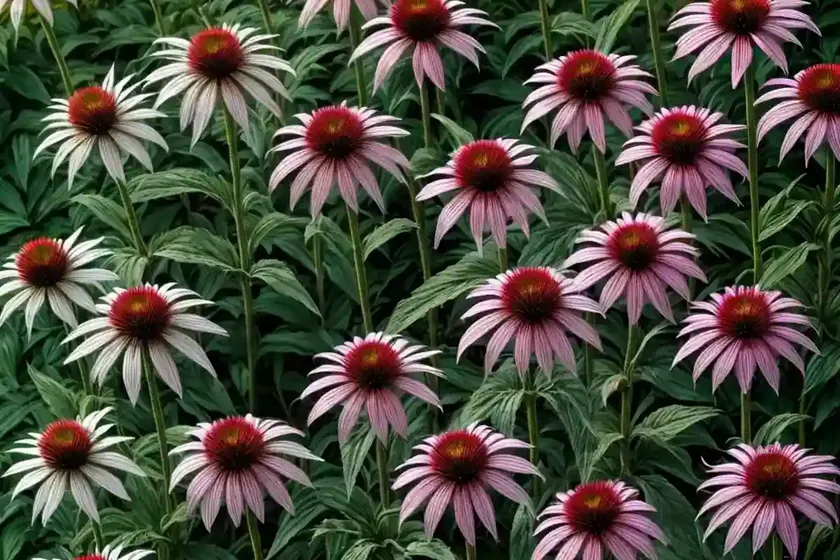
What is Echinacea purpurea ‘Rubinglow’ (Coneflower)?
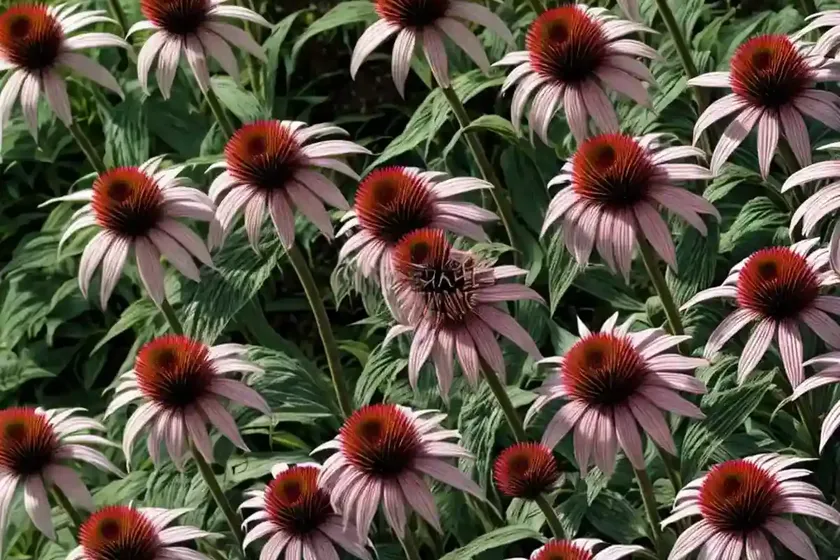
Echinacea purpurea ‘Rubinglow’ is an exquisite cultivar of the popular Purple coneflower (Echinacea purpurea) plant species, cherished for its stunning ornamental and medicinal properties. This perennial herbaceous plant is adored by horticulturists, herbalists, and garden enthusiasts alike for its vibrant, daisy-like flowers and its diverse array of uses – ranging from ornamental landscaping to herbal remedies.
Let’s delve into the captivating world of Echinacea purpurea ‘Rubinglow’, exploring its unique characteristics, optimal growing conditions, and the myriad ways in which it captivates both the eye and the imagination.
Key Takeaways – Echinacea purpurea ‘Rubinglow’ (Coneflower)
Before we embark on our botanical journey, here are some key takeaways about the enchanting Echinacea purpurea ‘Rubinglow’:
- The ‘Rubinglow’ cultivar is a striking variation of the Echinacea purpurea plant, characterized by its stunning flowers and rich medicinal properties.
- It thrives in well-drained soil and is generally low-maintenance, making it an ideal choice for both novice and experienced gardeners.
- Echinacea purpurea ‘Rubinglow’ is not only a visually captivating addition to any garden but also possesses various herbal uses, contributing to its enduring popularity.
Now, let’s explore the various facets of this captivating plant, from its cultural requirements to its ecological significance and everything in between.
Culture
Understanding the cultural requirements of Echinacea purpurea ‘Rubinglow’ is fundamental to ensuring its optimal growth and development. Culturally, this cultivar requires attention to several key factors, including water, sunlight, soil, and fertilizer.
Uses
Echinacea purpurea ‘Rubinglow’ boasts a myriad of uses, each adding to its allure and practicality. Here are a few of its primary uses:
- Ornamental Landscaping: The vibrant, eye-catching flowers of Echinacea purpurea ‘Rubinglow’ make it a stunning addition to gardens, borders, and naturalistic plantings.
- Medicinal Purposes: With a rich history of herbal use, this cultivar is often utilized for its purported immune-boosting and health-promoting properties in traditional medicine.
- Wildlife Attraction: The colorful blooms of ‘Rubinglow’ are a magnet for pollinators, making it an indispensable feature in wildlife and butterfly gardens.
Next, let’s explore the specific cultural requirements essential for promoting the optimal growth and well-being of Echinacea purpurea ‘Rubinglow’.
Water
Proper watering is crucial in nurturing healthy and robust Echinacea purpurea ‘Rubinglow’ plants. While this cultivar exhibits a degree of drought tolerance, it thrives when provided with consistent moisture, especially during its initial establishment period.
| Water Requirements | |
|---|---|
| Watering Frequency | Moderate |
| Preferred Moisture | Well-drained soil |
| Special Considerations | Avoid overwatering |
Sunlight
Ample sunlight is essential for the flourishing of Echinacea purpurea ‘Rubinglow’, ensuring the development of robust foliage and abundant blooms. This cultivar thrives when cultivated in locations that receive full sun to partial shade.
| Sunlight Requirements | |
|---|---|
| Light Exposure | Full sun to part shade |
| Optimal Conditions | 6-8 hours of sunlight daily |
| Shade Tolerance | Partial shade |
Fertilizer
While Echinacea purpurea ‘Rubinglow’ is not excessively demanding in terms of fertilizer, providing it with a balanced, organic fertilizer during its active growing season can significantly enhance its overall vigor and flowering performance.
| Fertilizer Recommendations | |
|---|---|
| Fertilizing Schedule | Once in early spring |
| Type of Fertilizer | Balanced, organic fertilizer |
| Special Considerations | Avoid excessive nitrogen |
Soil
The type of soil in which Echinacea purpurea ‘Rubinglow’ is planted greatly influences its growth and vitality. Well-drained, fertile soil with a slightly acidic to neutral pH is considered optimal for this cultivar, ensuring proper root development and overall health.
| Soil Preferences | |
|---|---|
| Soil Type | Well-drained, rich soil |
| pH Range | Slightly acidic to neutral |
| Special Considerations | Avoid waterlogged conditions |
Pruning
Pruning plays a pivotal role in promoting the longevity and aesthetic appeal of Echinacea purpurea ‘Rubinglow’. While this cultivar generally requires minimal pruning, removing spent blooms and deadheading can encourage continuous blooming and maintain a tidy appearance.
| Pruning Guidance | |
|---|---|
| Pruning Frequency | Throughout the flowering season |
| Pruning Technique | Deadheading spent blooms, removal of damaged foliage |
Propagation
Distinct methods of propagation, such as division and seed propagation, allow for the multiplication of Echinacea purpurea ‘Rubinglow’, enabling gardeners to expand their collection or share this captivating plant with others.
Division
Division serves as an effective means of propagating Echinacea purpurea ‘Rubinglow’, particularly during the early spring or fall. This method involves separating established clumps into smaller divisions, each with viable roots and foliage, to be replanted in suitable locations.
Seed Propagation
Propagating Echinacea purpurea ‘Rubinglow’ from seeds presents an engaging and rewarding endeavor, allowing for the cultivation of new plants from harvested seeds. Seed propagation typically involves sowing seeds in a suitable growing medium and providing the ideal conditions for germination and subsequent growth.
Container Popularity
The captivating beauty and manageable size of Echinacea purpurea ‘Rubinglow’ make it well-suited for cultivation in containers, offering an accessible and versatile way to incorporate this plant into diverse settings and garden designs.
Container Growing Tips
When cultivating Echinacea purpurea ‘Rubinglow’ in containers, it’s imperative to pay attention to several key considerations to ensure the plant’s vigor and vitality within this confined growing environment.
- Container Size: Opt for a spacious container that accommodates the plant’s root system and allows for ample drainage.
- Well-Drained Potting Mix: Utilize a high-quality, well-drained potting mix to promote optimal root health and prevent waterlogging.
- Regular Watering: Monitor the moisture levels in the container and water as needed to maintain consistent but not excessive soil moisture.
By adhering to these container growing tips, enthusiasts can relish the beauty of Echinacea purpurea ‘Rubinglow’ in a wide array of settings, from urban balconies to landscaped patios.
Common Diseases
While Echinacea purpurea ‘Rubinglow’ is relatively robust and resistant to many common plant diseases, it may occasionally encounter certain ailments. Understanding these potential issues allows for proactive measures to maintain the plant’s health and vitality.
Disease Diagnosis
Being vigilant for signs of disease and promptly identifying and addressing any emerging issues is crucial to safeguarding the well-being of Echinacea purpurea ‘Rubinglow’.
Common Diseases
- Aster Yellows: characterized by the formation of abnormal, greenish-yellow structures on the plant, this disease is caused by a phytoplasma and can lead to stunted growth and foliage deformities.
- Powdery Mildew: identified by the powdery, white fungal growth on the plant’s foliage, powdery mildew can impact the plant’s overall vigor and flowering performance.
- Root Rot: caused by waterlogged soil conditions, root rot can manifest as wilting, yellowing foliage, and a general decline in the plant’s health.
By actively monitoring the plant for signs of disease and promptly implementing appropriate measures, enthusiasts can effectively safeguard the well-being of Echinacea purpurea ‘Rubinglow’ and preserve its ornamental and ecological value.
Common Pests
While generally resilient against pest infestations, Echinacea purpurea ‘Rubinglow’ may encounter occasional visits from pests. Recognizing these potential adversaries is vital in implementing targeted control measures to mitigate their impact on the plant.
Common Pests
- Aphids: Small, sap-sucking insects that can congregate on the plant’s tender shoots and foliage, potentially leading to damage and distortion of the plant.
- Japanese Beetles: These voracious feeders can consume the foliage and flowers of Echinacea purpurea ‘Rubinglow’, causing unsightly damage and compromising the plant’s overall vigor.
- Leafhoppers: These agile insects can puncture the plant’s foliage and extract sap, potentially leading to wilting and a decline in the plant’s aesthetic appeal.
By remaining vigilant for signs of pest activity and promptly addressing any infestations, gardeners can effectively protect the allure and vitality of Echinacea purpurea ‘Rubinglow’.
Botanist’s Tips
Equipped with a wealth of knowledge and experience, botanists offer invaluable insights and recommendations for cultivating and appreciating Echinacea purpurea ‘Rubinglow’ to its fullest potential.
Fun Facts
- Historical Significance: Echinacea purpurea has a rich history of use among Native American tribes for its medicinal properties, serving as a revered herbal remedy and sacred plant.
- Ecological Importance: The vibrant flowers of ‘Rubinglow’ are highly attractive to pollinators, playing a vital role in supporting local ecosystems and biodiversity.
- Culinary Uses: While primarily renowned for its medicinal properties, Echinacea purpurea ‘Rubinglow’ can also be used to infuse culinary creations with its enchanting floral flavors.
Links to External Resources
For further exploration of Echinacea purpurea ‘Rubinglow’ and related topics, consider delving into the following external resources:
- Echinacea: Herbal Remedies and Medicinal Uses
- Companion Planting with Echinacea
- Planting and Caring for Echinacea in Containers
In conclusion, the captivating Echinacea purpurea ‘Rubinglow’ stands as a botanical marvel, enthralling enthusiasts with its resplendent blooms, diverse uses, and enduring appeal. Whether gracing garden borders, adorning containers, or contributing to herbal remedies, this cultivar continues to captivate hearts and minds with its profound beauty and versatile attributes. Embracing the art of growing and appreciating Echinacea purpurea ‘Rubinglow’ embodies a harmonious celebration of nature’s splendor and the delight it bestows upon those who cherish it.
By delving into the enthralling world of Echinacea purpurea ‘Rubinglow’, we have unraveled the captivating allure and boundless potential of this remarkable plant. With an eye toward its cultural requirements, ornamental significance, and ecological contributions, enthusiasts are equipped to embark on a wondrous journey of growth, appreciation, and the harmonious union between humanity and the natural world.