Echinacea Purpurea ‘Razzmatazz’ (Coneflower)
Echinacea purpurea ‘Razzmatazz’, commonly known as coneflower, is a stunning perennial flowering plant that belongs to the Asteraceae family. This native.
What is Echinacea purpurea ‘Razzmatazz’ (Coneflower)?
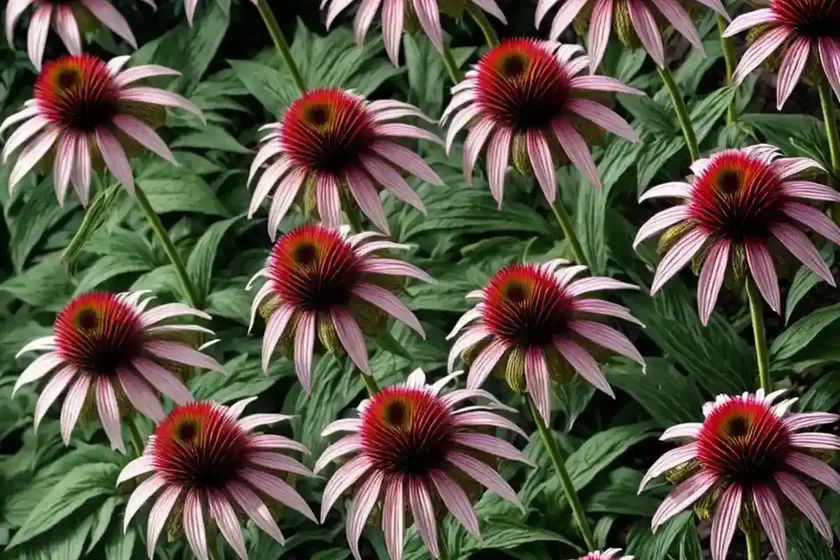
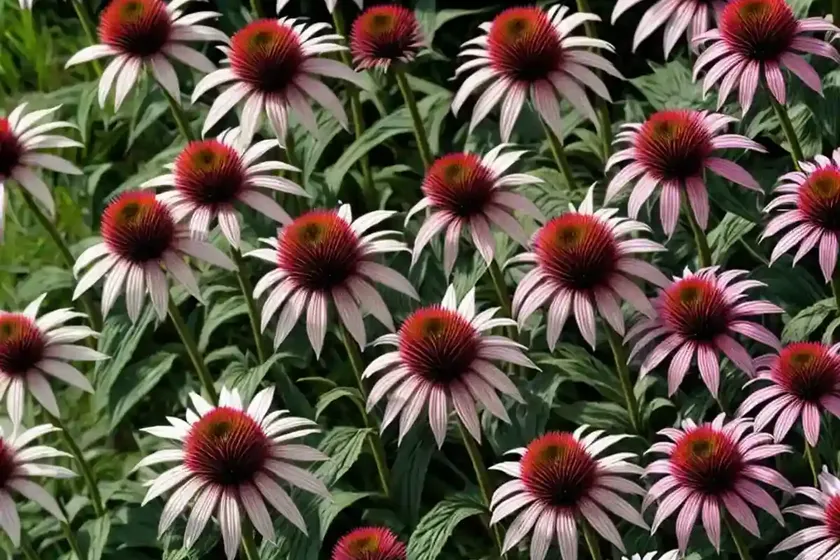
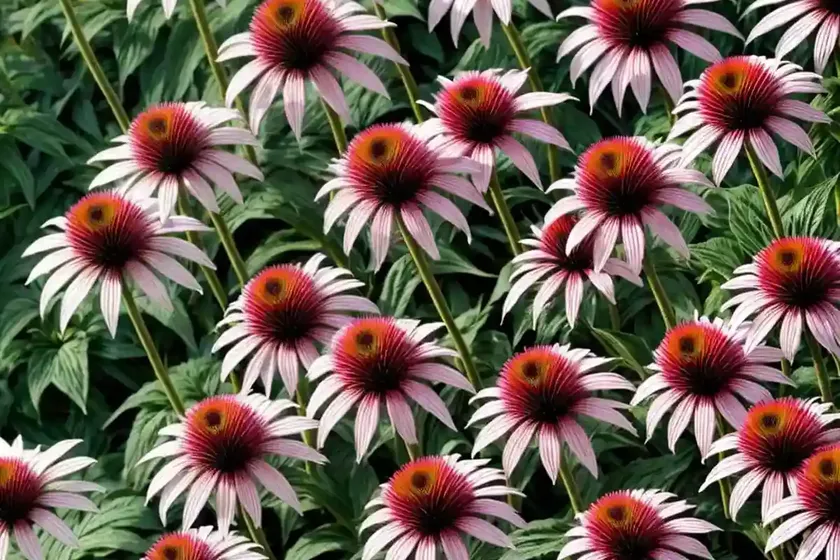
Echinacea purpurea ‘Razzmatazz’, commonly known as coneflower, is a stunning perennial flowering plant that belongs to the Asteraceae family. This native American medicinal herb is cherished for its vibrant and long-lasting display of stunning purplish-pink blooms. The ‘Razzmatazz’ variety is a delightful addition to any garden, adding color and vitality while attracting pollinators with its abundant nectar.
In this article, we will delve into the culture, uses, care, and interesting facts about Echinacea purpurea ‘Razzmatazz’, providing valuable insights for both novice and seasoned gardeners.
Key Takeaways – Echinacea purpurea ‘Razzmatazz’ (Coneflower)
Before we dive into the specifics of growing and caring for the Echinacea purpurea ‘Razzmatazz’, let’s take a glance at the key takeaways:
- Scientific Name: Echinacea purpurea ‘Razzmatazz’
- Also Known As: Coneflower plant, Razzmatazz coneflower, Purple coneflower, Echinacea plant
- Family: Asteraceae
- Type: Perennial flowering plant
- Cultural Significance: Native American medicine plant, medicinal herb
Now, let’s explore the fascinating world of Echinacea purpurea ‘Razzmatazz’.
Culture
Water
Echinacea purpurea ‘Razzmatazz’ prefers well-draining soil and thrives in moderately moist conditions. Adequate watering, especially during dry spells, will support the plant in producing an abundance of vibrant blooms. It’s important to avoid overwatering as it may lead to root rot, particularly in heavy or poorly-draining soils.
Sunlight
As a sun-loving plant, Echinacea purpurea ‘Razzmatazz’ flourishes in full sun to partial shade. Placing it in a location that receives at least 6 to 8 hours of sunlight per day will ensure robust growth and prolific flowering.
Fertilizer
Providing a balanced, organic fertilizer once in early spring and again in midsummer can enhance the overall health and blooming capacity of Echinacea purpurea ‘Razzmatazz’. A slow-release, low-nitrogen fertilizer is ideal for promoting strong root development and vibrant blooms.
Soil
This coneflower variety thrives in well-draining, moderately fertile soil. A slightly acidic to neutral pH (6.0-7.0) is optimal for best growth and flowering. Additionally, adding organic matter to the soil can promote a healthy root system and improve overall soil structure.
Uses
Medicinal Benefits
Echinacea purpurea, including the ‘Razzmatazz’ variety, has a long history of medicinal use by Native American tribes. It is believed to possess immune-boosting properties and has been traditionally used to alleviate cold and flu symptoms. The roots, flowers, and leaves of Echinacea purpurea have been used in various forms, including teas, tinctures, and extracts, for their potential health benefits.
Garden Ornament
In addition to its medicinal properties, Echinacea purpurea ‘Razzmatazz’ adds exquisite beauty to garden landscapes. Its vibrant, daisy-like flowers attract bees, butterflies, and other pollinators, making it an excellent choice for pollinator gardens. The striking color and appealing form of the ‘Razzmatazz’ coneflower make it a charming addition to flower beds, borders, and mixed perennial plantings.
Pruning
Echinacea purpurea ‘Razzmatazz’ generally requires minimal pruning. However, deadheading spent flowers throughout the blooming season can prolong the flowering period and encourage the plant to produce more blooms. In late winter or early spring, before new growth emerges, trimming back the spent flower stalks to ground level is advisable to promote new growth and maintain a tidy appearance.
Propagation
Echinacea purpurea ‘Razzmatazz’ can be propagated through division or seed. Here’s a brief overview of each method:
Division
In early spring or early fall, mature Echinacea purpurea ‘Razzmatazz’ clumps can be carefully divided using a sharp, sterile knife or spade. Each division should have a portion of the root system and several growing points or buds. Replant the divisions at the same depth as the parent plant and ensure proper watering until they are established.
Seed
Collecting and sowing seeds is another viable method of propagating Echinacea purpurea ‘Razzmatazz’. After the flowers have faded and the seed heads have dried on the plant, the seeds can be harvested. Sow the seeds in well-prepared seedbeds or containers in late fall or early spring. Lightly covering the seeds with soil and maintaining consistent moisture can aid in successful germination.
Container Popularity
Echinacea purpurea ‘Razzmatazz’ is a popular choice for container gardening due to its compact size and striking visual appeal. It can thrive in a wide range of containers, from decorative pots to window boxes, providing a burst of color and texture to outdoor spaces, balconies, and patios. When planting in containers, ensuring proper drainage is crucial, and regular watering and fertilization are essential to support healthy growth and flowering.
Container Common Diseases
While growing in containers can mitigate certain soil-borne diseases, Echinacea purpurea ‘Razzmatazz’ may still be susceptible to common plant diseases such as powdery mildew, leaf spot, and root rot. Proper watering practices, adequate air circulation, and maintaining overall plant health can help prevent these issues.
Disease Diagnosis
Diagnosing plant diseases can be challenging, but careful observation of leaf discoloration, wilting, or unusual growth patterns can provide valuable clues. Additionally, consulting with local horticultural experts or diagnostic laboratories can aid in accurately identifying and addressing specific diseases affecting Echinacea purpurea ‘Razzmatazz’.
Common Pests
Aphids, spider mites, and Japanese beetles are potential pests that may affect Echinacea purpurea ‘Razzmatazz’. Regularly inspecting the plant for signs of pest infestation, such as distorted leaves, stippling, or unusual discoloration, can prompt timely intervention. Using insecticidal soaps or horticultural oils can effectively control certain pests while minimizing harm to beneficial insects.
Botanist’s Tips
- Companion Planting: Pairing Echinacea purpurea ‘Razzmatazz’ with complementary plants such as Salvia, Rudbeckia, and Echinops can create visually appealing combinations and provide diverse nectar sources for pollinators.
- Special Considerations: When planting Echinacea purpurea ‘Razzmatazz’, allow ample space between individual plants to accommodate their mature size and ensure good air circulation for optimal growth.
- Mulching: Applying a layer of mulch around the base of the plant can help retain moisture, regulate soil temperature, and inhibit weed growth, contributing to the overall health of Echinacea purpurea ‘Razzmatazz’.
Fun Facts
- The genus name Echinacea is derived from the Greek word “echinos,” meaning hedgehog, which refers to the spiky, cone-shaped seed heads of the plant.
- Echinacea purpurea ‘Razzmatazz’ is not only a garden favorite but also serves as a valuable source of nectar and pollen for bees and butterflies, supporting their crucial role in pollination.
Links to External Resources
To further enhance your understanding of Echinacea purpurea ‘Razzmatazz’ and its cultivation, we recommend exploring the following resources:
In conclusion, Echinacea purpurea ‘Razzmatazz’ stands as an enchanting and versatile plant that captivates with its striking blooms, cultural significance, and medicinal benefits. Whether adorning gardens, attracting pollinators, or serving as a healing herb, this vibrant coneflower variety continues to enthrall and inspire both gardeners and plant enthusiasts alike. With its delightful combination of beauty and utility, the ‘Razzmatazz’ coneflower undoubtedly holds a cherished place in horticulture and beyond.