Echinacea Purpurea ‘Purity’ (Coneflower)
Echinacea purpurea ‘Purity’, commonly known as coneflower, is a stunning and beneficial perennial plant that has garnered popularity in gardens.
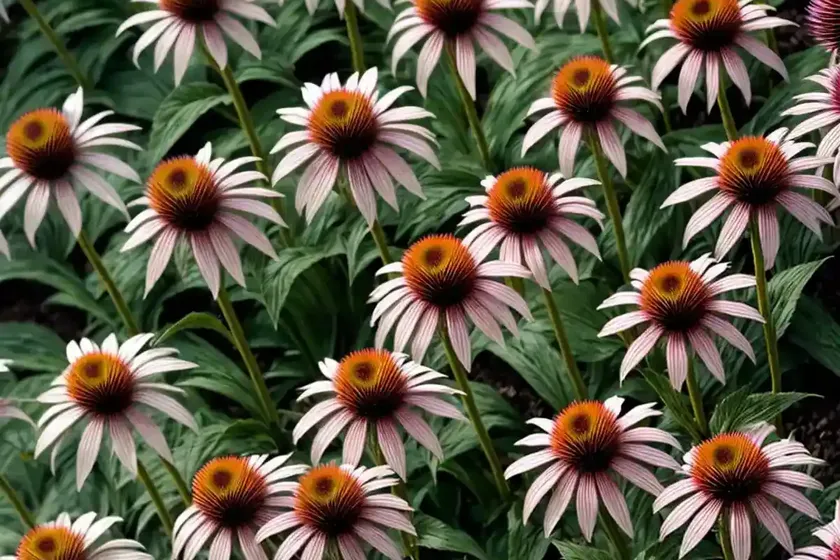
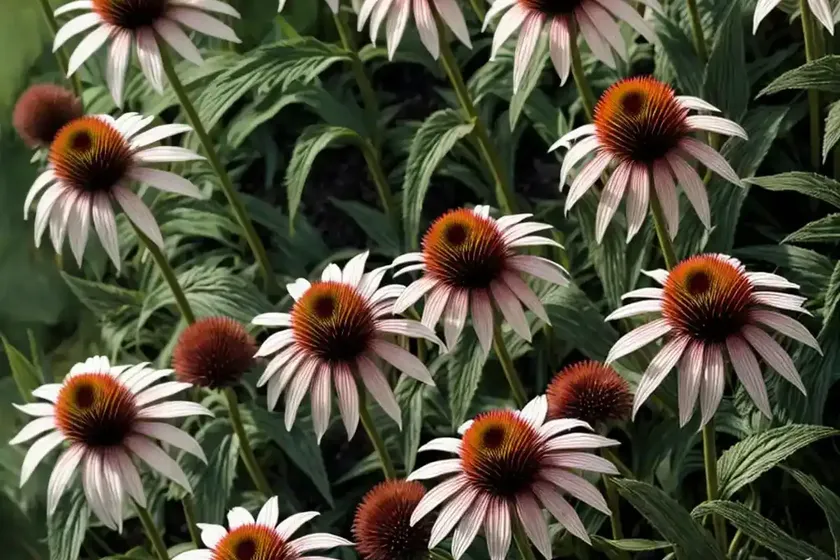
Echinacea purpurea ‘Purity’, commonly known as coneflower, is a stunning and beneficial perennial plant that has garnered popularity in gardens, landscapes, and natural medicine. In this comprehensive guide, we will delve into the various aspects of this plant, including its culture, uses, care requirements, and interesting facts. Whether you are a gardening enthusiast, a nature lover, or someone interested in herbal remedies, this article will provide valuable insights into the world of Echinacea purpurea ‘Purity’.
What is Echinacea purpurea ‘Purity’ (Coneflower)?
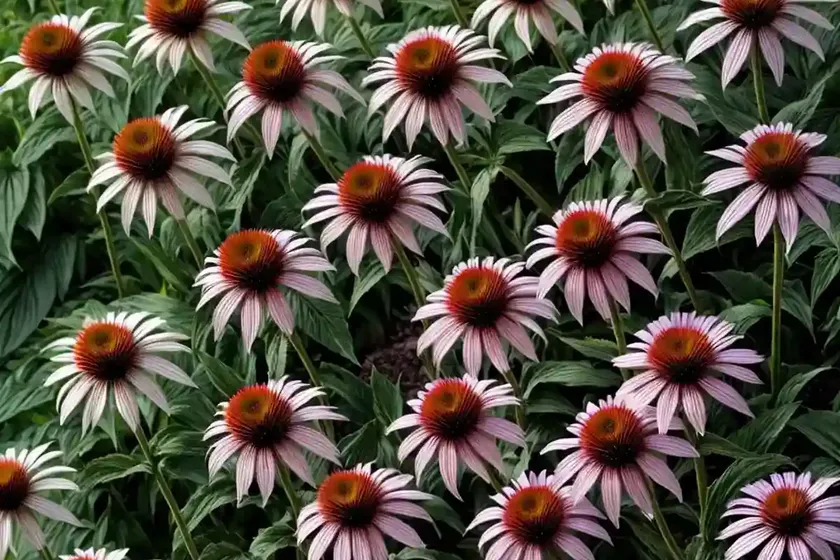
Echinacea purpurea, belonging to the Asteraceae family, is a herbaceous perennial native to central and southeastern United States. It is characterized by its striking daisy-like flowers with raised central cones, giving it the common name coneflower. ‘Purity’ is a specific variety of Echinacea purpurea known for its pure white petals and robust growth habit. This cultivar is highly valued for its ornamental appeal and medicinal properties, making it a sought-after addition to gardens and landscapes.
Key Takeaways – Echinacea purpurea ‘Purity’ (Coneflower)
Before diving into the specifics of Echinacea purpurea ‘Purity’, let’s explore the key takeaways associated with this captivating plant. Whether you are considering adding it to your garden or seeking to harness its medicinal benefits, these key points will offer valuable insights.
-
Echinacea purpurea ‘Purity’ is a striking coneflower variety known for its pure white petals and prominent cone-shaped centers.
-
This plant is often cultivated for its ornamental value, adding a touch of elegance to gardens and landscapes with its abundant and long-lasting blooms.
-
Beyond its visual appeal, Echinacea purpurea ‘Purity’ is renowned for its potential medicinal uses, particularly in boosting the immune system and supporting overall well-being.
-
When properly cared for, this coneflower variety exhibits resilience against common diseases and proves to be an excellent choice for pollinator-friendly gardens.
Now, let’s delve further into the various aspects of Echinacea purpurea ‘Purity’ to understand its culture, uses, care requirements, and more.
Culture
Understanding the cultural requirements of Echinacea purpurea ‘Purity’ is essential for successfully nurturing and enjoying this beautiful plant. From its preferred growing conditions to its adaptability, each aspect contributes to its overall health and vigor.
Uses
Echinacea purpurea ‘Purity’ boasts a multitude of uses, ranging from its aesthetic appeal in landscapes to its potential health benefits in natural medicine. As we explore its uses, we will uncover the diverse ways in which this plant can enrich our lives and surroundings.
Ornamental Uses
The pristine white petals and prominent raised cones of Echinacea purpurea ‘Purity’ make it an exquisite addition to ornamental gardens and landscapes. Whether used in mixed perennial borders, wildflower meadows, or as standalone features, this coneflower variety captures attention and adds a touch of elegance to outdoor spaces. Its extended flowering period contributes to its appeal as a long-lasting and reliable bloomer.
Medicinal Uses
In addition to its ornamental value, Echinacea purpurea ‘Purity’ holds potential medicinal properties that have been utilized for centuries. From strengthening the immune system to alleviating cold and flu symptoms, the plant’s roots, flowers, and leaves are often incorporated into herbal remedies and natural health products. As interest in traditional and alternative medicine continues to grow, the medicinal uses of Echinacea purpurea ‘Purity’ remain a compelling aspect of its overall appeal.
Water
Proper watering is crucial for the health and vitality of Echinacea purpurea ‘Purity’. While it exhibits some drought tolerance once established, regular watering is necessary to support robust growth and prolific flowering. The following water-related tips will aid in ensuring optimal moisture levels for this coneflower variety.
-
Initial Establishment: During the initial stages of planting, provide ample water to support root establishment and the development of a strong foundation.
-
Established Plants: Once established, Echinacea purpurea ‘Purity’ benefits from moderate moisture levels. Regular watering, especially during periods of prolonged dryness, will promote healthy foliage and abundant blooms.
-
Avoid Waterlogging: While Echinacea purpurea ‘Purity’ appreciates adequate moisture, it is essential to avoid waterlogging or excessively wet conditions, as this can lead to root rot and other moisture-related issues.
Sunlight
Like many sun-loving perennials, Echinacea purpurea ‘Purity’ thrives in full sun to partial shade. Adequate sunlight is integral to the plant’s growth, flowering, and overall performance. Whether you are planning its placement in a garden or container, ensuring the right amount of sunlight is crucial for its well-being.
Full Sun Requirements
When selecting a planting site, prioritize locations that receive full sun, where Echinacea purpurea ‘Purity’ can bask in at least 6-8 hours of direct sunlight daily. In such conditions, the plant is likely to exhibit vigorous growth and prolific flowering, enhancing its ornamental impact.
Partial Shade Adaptation
While Echinacea purpurea ‘Purity’ favors full sun, it can also adapt to partial shade, especially in regions with intense midday heat. Providing some respite from the afternoon sun can prevent stress and potential sunburn, promoting healthy foliage and sturdy flowering stems.
Fertilizer
Fertilizing Echinacea purpurea ‘Purity’ is a practice that can support its overall vigor and blooming capacity. By supplying essential nutrients, you can enhance the plant’s resilience, promote abundant flowering, and ensure its long-term health.
Timing and Frequency
-
Spring Feeding: In early spring, as new growth emerges, apply a balanced, slow-release fertilizer to provide an initial boost of nutrients for the upcoming growing season.
-
Moderate Application: Avoid excessive fertilization, as Echinacea purpurea ‘Purity’ generally thrives in moderately fertile soils. An annual feeding in spring is often adequate to sustain healthy growth and flowering.
Types of Fertilizer
When selecting a fertilizer for Echinacea purpurea ‘Purity’, opt for a balanced formula with equal or near-equal proportions of nitrogen, phosphorus, and potassium (NPK). This balanced approach ensures that the plant receives the necessary macro and micronutrients without promoting excessive vegetative growth at the expense of flowering.
Soil
The soil composition and quality play a significant role in the health and performance of Echinacea purpurea ‘Purity’. Understanding the plant’s soil requirements and implementing suitable practices can contribute to long-term success and satisfaction in its cultivation.
Well-Draining Soil
Echinacea purpurea ‘Purity’ thrives in well-draining soil that prevents waterlogging and promotes good aeration around the roots. The ideal soil structure facilitates root development, nutrient uptake, and overall plant vitality.
pH Range
The plant adapts well to a slightly acidic to slightly alkaline soil pH range of 6.0 to 7.5. Ensuring that the soil pH falls within this optimal range promotes nutrient availability and supports healthy growth and flowering.
Pruning
Pruning is a beneficial practice for maintaining the aesthetic appeal, vitality, and flowering performance of Echinacea purpurea ‘Purity’. By implementing timely and appropriate pruning techniques, you can enhance the plant’s overall appearance and longevity.
Deadheading
Regular deadheading, which involves the removal of spent flowers, is instrumental in prolonging the blooming period of Echinacea purpurea ‘Purity. By preventing the formation of seeds, deadheading redirects the plant’s energy towards producing new blooms, resulting in a prolonged display of attractive flowers.
Fall Clean-Up
In late fall or early winter, consider cutting back the spent flower stems and removing any debris around the base of the plant. This practice promotes a tidy appearance and reduces the likelihood of disease or pest issues during the dormant season.
Propagation
The propagation of Echinacea purpurea ‘Purity’ offers an opportunity to expand your plant collection, share its beauty with others, and rejuvenate aging specimens. Understanding the various methods of propagation equips you with the knowledge to propagate this coneflower variety successfully.
-
Seed Propagation: Growing Echinacea purpurea ‘Purity’ from seeds is a straightforward method that can be accomplished by collecting mature seeds from existing plants and sowing them in prepared seed-starting trays or directly in the garden soil. With proper care, the seeds germinate readily, giving rise to new plants.
-
Division: Dividing established clumps of Echinacea purpurea ‘Purity’ is a reliable means of propagation that rejuvenates overcrowded plants and yields multiple divisions for further planting. In early spring or early fall, carefully lift and divide the plant’s root clumps, ensuring that each division possesses viable roots and growing points.
Container Popularity
The popularity of Echinacea purpurea ‘Purity’ in container gardens is derived from its compact size, vibrant blooms, and adaptability to container culture. Whether used as standalone features or combined with other perennials, this coneflower variety brings an element of charm and visual interest to containerized settings.
Container Selection
When choosing a container for Echinacea purpurea ‘Purity, opt for a sturdy, well-draining vessel with ample room for root development. The container’s material and design add to the overall aesthetic appeal, complementing the plant’s graceful blooms and lush foliage.
Container Mix
Selecting a high-quality potting mix with excellent drainage and aeration properties is essential for container-grown Echinacea purpurea ‘Purity. Well-draining, nutrient-rich mixes support healthy root growth and minimize the risk of water-related issues.
Common Diseases
While Echinacea purpurea ‘Purity’ is generally resistant to many diseases, it is important to be aware of potential issues that may affect its health and appearance. By recognizing common diseases and their associated symptoms, you can swiftly implement preventive measures and ensure the plant’s continued well-being.
Powdery Mildew
Powdery mildew, a fungal disease, can manifest as a powdery white coating on the foliage of Echinacea purpurea ‘Purity’, particularly during periods of high humidity or limited air circulation. Maintaining good plant spacing, adequate ventilation, and appropriate watering practices can mitigate the risk of powdery mildew.
Leaf Spot
Leaf spot diseases, caused by various fungal pathogens, can lead to the development of dark, irregular spots on the leaves of Echinacea purpurea ‘Purity’. To prevent leaf spot, avoid overhead watering and promptly remove and dispose of any affected plant debris.
Disease Diagnosis
Accurately diagnosing and addressing potential diseases affecting Echinacea purpurea ‘Purity’ is crucial for maintaining its health and vitality. Understanding the visual symptoms and associated causes is instrumental in implementing targeted treatments and preventive measures.
Visual Symptoms
-
Powdery Mildew: The presence of powdery white patches on the foliage, typically on the upper surfaces of leaves, indicates the onset of powdery mildew.
-
Leaf Spot: Dark, water-soaked spots with irregular margins on the leaves signal the presence of leaf spot diseases, necessitating prompt attention.
Causes
-
Environmental Factors: Inadequate air circulation, excessive humidity, and suboptimal watering practices can contribute to the development of powdery mildew and leaf spot diseases.
-
Pathogen Presence: Fungal pathogens responsible for powdery mildew and leaf spot diseases can persist in the garden environment, particularly in debris and on infected plants.
Common Pests
While Echinacea purpurea ‘Purity’ is valued for its resistance to many pests, occasional pest issues may arise, impacting the plant’s growth and appearance. By identifying common pests and their associated damage, you can intervene promptly and safeguard the plant from potential harm.
Aphids
Aphids, small sap-sucking insects, may infest the tender growth of Echinacea purpurea ‘Purity’, leading to distorted foliage and the secretion of sticky honeydew. A strong blast of water or the application of insecticidal soap can effectively manage aphid populations.
Japanese Beetles
The voracious feeding habits of Japanese beetles can result in skeletonized leaves and noticeable foliage damage on Echinacea purpurea ‘Purity. Physical removal of beetles and the use of protective barriers can aid in preventing substantial defoliation.
Botanist’s Tips
Gleaned from extensive observation and experience, botanist’s tips offer valuable insights and practical recommendations for successful cultivation and enjoyment of Echinacea purpurea ‘Purity. Whether you are a novice gardener or a seasoned enthusiast, these tips can enhance your interactions with this captivating plant.
-
Encourage Beneficial Insects: Attracting beneficial insects, such as bees and butterflies, to your garden not only contributes to pollination but also aids in maintaining a balanced ecosystem. By incorporating companion plants and providing habitat features, you can create a thriving environment for these valuable pollinators.
-
Monitor Soil Moisture: Regularly monitor the soil moisture levels around Echinacea purpurea ‘Purity’ to ensure that it remains within the preferred range. While the plant exhibits some drought tolerance, consistent and adequate moisture supports its overall health and flowering performance.
Fun Facts
Uncovering the intriguing and lesser-known aspects of Echinacea purpurea ‘Purity’ adds depth to our appreciation of this remarkable plant. From historical significance to ecological contributions, these fun facts shed light on its multifaceted nature and enduring appeal.
-
Echinacea purpurea ‘Purity’ has been historically revered by Native American tribes for its medicinal properties, leading to its longstanding use in traditional herbal remedies.
-
The prominent cones of Echinacea purpurea ‘Purity’ not only add visual interest but also serve as valuable food sources for birds and other wildlife, contributing to ecological diversity.
-
In addition to its captivating blooms, Echinacea purpurea ‘Purity’ possesses a deep taproot system that aids in drought tolerance and overall plant resilience.
Links to External Resources
For further exploration and in-depth understanding of Echinacea purpurea ‘Purity’, the following external resources provide valuable insights, practical guidance, and additional perspectives on this captivating plant.
- The Royal Horticultural Society – Echinacea Purpurea ‘Purity’
- University of Maryland Medical Center – Echinacea Overview
- North Carolina State University – Echinacea Production and Marketing
In conclusion, the allure of Echinacea purpurea ‘Purity’ extends far beyond its captivating blooms, encompassing ornamental value, potential medicinal uses, and ecological contributions. This exceptional coneflower variety enriches gardens, landscapes, and natural medicine with its elegant presence and beneficial qualities, inviting us to admire and harness its beauty and benefits. Whether adorning a sunny border, enhancing biodiversity, or supporting well-being, Echinacea purpurea ‘Purity’ stands as a testament to the enduring appeal of nature’s wonders.