Echinacea Purpurea ‘Pink Double Delight’ (Coneflower)
Echinacea purpurea, commonly known as coneflower, is a stunning and versatile perennial plant that is prized for its vibrant, daisy-like blooms and its.
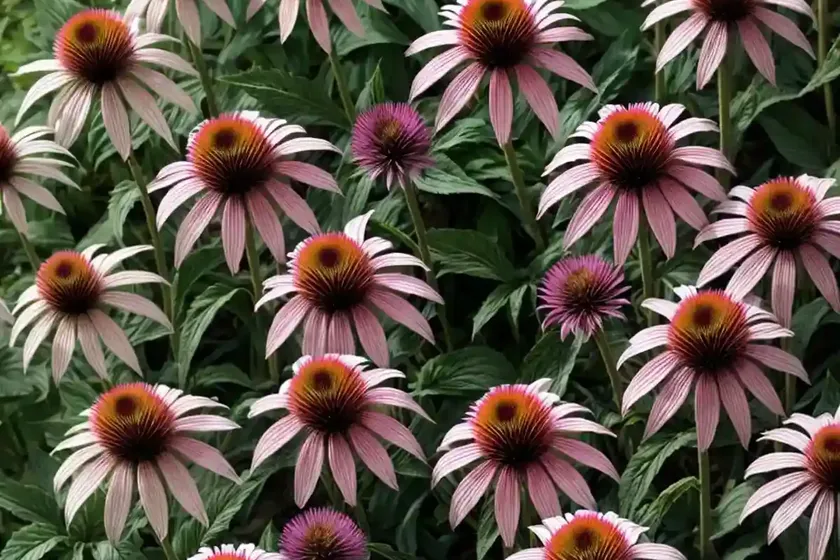
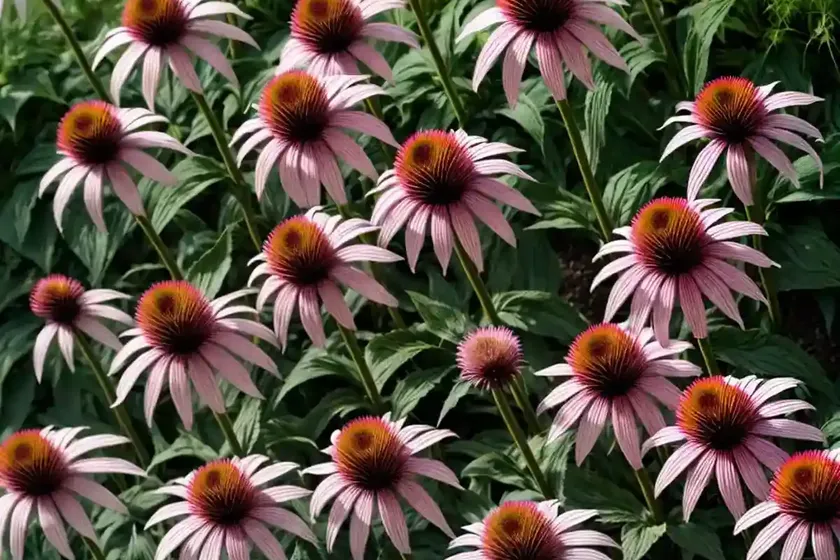
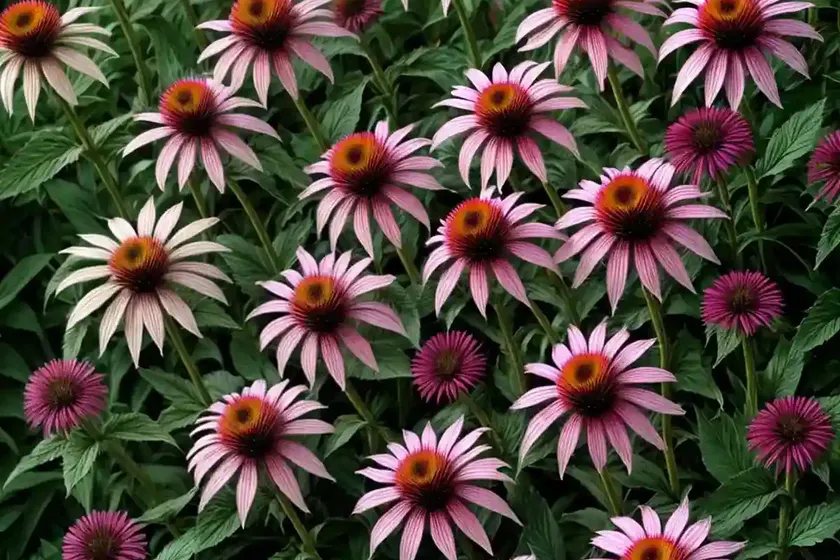
Echinacea purpurea, commonly known as coneflower, is a stunning and versatile perennial plant that is prized for its vibrant, daisy-like blooms and its medicinal properties. Among the numerous cultivars of Echinacea purpurea, the ‘Pink Double Delight’ variety stands out for its unique double flowers and exceptional garden performance.
In this comprehensive guide, we will explore every aspect of Echinacea purpurea ‘Pink Double Delight’, from its cultural requirements and uses to its propagation, diseases, and pests. Whether you’re a seasoned gardener, a landscaping enthusiast, or a nature lover, this article will provide you with valuable insights into the world of this captivating plant.
What is Echinacea purpurea ‘Pink Double Delight’?
Echinacea purpurea, belonging to the Asteraceae family, is a herbaceous perennial native to the central and southeastern United States. Commonly referred to as coneflower, this plant is prized for its showy, daisy-like flowers and its herbal medicinal properties. Echinacea is known for its ability to support immune health and has been used traditionally in herbal remedies for centuries.
The ‘Pink Double Delight’ variety is a cultivar of Echinacea purpurea, celebrated for its unique double-petaled, pink flowers. This striking feature sets it apart from the typical single-petaled coneflowers, making it a sought-after addition to gardens and landscapes.
Let’s delve into the key takeaways and essential aspects of Echinacea purpurea ‘Pink Double Delight’, ranging from its cultural requirements to its role in wildlife attraction and traditional medicine.
Key Takeaways – Echinacea purpurea ‘Pink Double Delight’
Culture
- Hardiness: Echinacea purpurea ‘Pink Double Delight’ is a hardy perennial that thrives in USDA Hardiness Zones 3-8.
- Mature Size: It typically reaches a height of 18-24 inches (45-60 cm) and a spread of 12-18 inches (30-45 cm).
- Lifespan: As a perennial plant, it has a lifespan of several years under favorable growing conditions.
Uses
- Ornamental: It is prized for its ornamental value, adding vibrant color and visual interest to gardens, borders, and landscapes.
- Medicinal: Echinacea purpurea has a long history of use in traditional herbal medicine for supporting immune health.
Water
- Watering Needs: It prefers moderate watering, allowing the soil to dry out slightly between waterings to prevent waterlogged conditions.
- Drought Tolerance: Once established, it exhibits good drought tolerance, making it suitable for xeriscaping and water-wise gardening.
Sunlight
- Sun Exposure: Thrives in full sun to partial shade, with at least 6 hours of direct sunlight for optimal flowering.
Fertilizer
- Soil Enrichment: Well-draining, fertile soil with organic matter is beneficial. However, Echinacea purpurea ‘Pink Double Delight’ does not have high fertility requirements.
- Fertilization: A balanced, slow-release fertilizer applied in spring can support healthy growth and flowering.
Soil
- Soil Type: It prefers loamy, well-draining soil but can adapt to various soil types, including clay and sandy soils.
Pruning
- Deadheading: Regular deadheading of spent blooms can prolong the flowering period and encourage continuous blooms.
- Cutting Back: Trimming back the plant in early spring can promote a more compact and bushy growth habit.
Propagation
- Division: Propagation through division of mature clumps is the most common method, typically carried out in early spring or fall.
Container Popularity
- Container Gardening: Echinacea purpurea ‘Pink Double Delight’ is well-suited for container gardening, where its vibrant blooms can be showcased on patios and balconies.
Container Common Diseases
- Root Rot: Overwatering in containers can lead to root rot, posing a common threat to plant health.
Disease Diagnosis
- Powdery Mildew: It is susceptible to powdery mildew, a fungal disease that manifests as a powdery white coating on the leaves and stems.
Common Pests
- Aphids: These sap-sucking insects can infest the new growth of Echinacea plants, leading to distorted and stunted growth.
Botanist’s Tips
- Companion Planting: Pair Echinacea purpurea ‘Pink Double Delight’ with companion plants such as rudbeckia, salvia, and ornamental grasses for a visually captivating garden display.
- Beneficial Insects: Encourage the presence of pollinators and beneficial insects by growing Echinacea purpurea, contributing to a balanced and healthy ecosystem in the garden.
Fun Facts
- Echinacea purpurea ‘Pink Double Delight’ is a magnet for butterflies, bees, and other pollinators, enriching the garden with a delightful flurry of wildlife activity.
Links to External Resources
For additional information and resources related to Echinacea purpurea ‘Pink Double Delight’ and coneflowers in general, explore the following links:
- The American Phytopathological Society – Echinacea Diseases
- University of Maryland Medical Center – Echinacea
- North Carolina State University Extension – Coneflowers for the Garden
- Royal Horticultural Society – Echinacea: Plant Care and Collection of Varieties
- The Xerces Society – Pollinator Conservation Resources
Now, let’s delve deeper into the various aspects of Echinacea purpurea ‘Pink Double Delight’, providing detailed insights into its characteristics, care, and horticultural significance.
Plant Name: Echinacea purpurea ‘Pink Double Delight’ (Coneflower)
Botanical Name:
Echinacea purpurea ‘Pink Double Delight’
Common Name:
Pink Double Delight Coneflower
LSI Keywords:
- Echinacea purpurea
- Pink Double Delight coneflower
- Echinacea purpurea Pink Double Delight
- Coneflower varieties
- Pink Double Delight plant
- Double flowering Echinacea
- Pink Double Delight coneflower care
- Echinacea purpurea ‘Pink Double Delight’ characteristics
- Pink Double Delight coneflower benefits
- Echinacea purpurea ‘Pink Double Delight’ growth habits
- Pink Double Delight Echinacea description
- Coneflower Pink Double Delight pruning
- Echinacea purpurea ‘Pink Double Delight’ disease resistance
- Pink Double Delight Echinacea propagation
- Coneflower Pink Double Delight uses
- Echinacea purpurea ‘Pink Double Delight’ flowering season
- Growing Pink Double Delight coneflower
- Echinacea purpurea ‘Pink Double Delight’ planting tips
- Pink Double Delight Echinacea in landscaping
- Coneflower Pink Double Delight in flower beds
- Echinacea purpurea ‘Pink Double Delight’ companion plants
- Pink Double Delight coneflower in containers
- Echinacea purpurea ‘Pink Double Delight’ soil requirements
- Pink Double Delight Echinacea sun exposure
- Coneflower Pink Double Delight water needs
- Echinacea purpurea ‘Pink Double Delight’ wildlife attractant
- Pink Double Delight coneflower for pollinators
- Echinacea purpurea ‘Pink Double Delight’ medicinal properties
- Pink Double Delight Echinacea uses in herbal remedies
- Coneflower Pink Double Delight for immune support
- Echinacea purpurea ‘Pink Double Delight’ for cold and flu relief
- Pink Double Delight coneflower essential oil
- Echinacea purpurea ‘Pink Double Delight’ in traditional medicine
- Pink Double Delight Echinacea for natural healing
- Coneflower Pink Double Delight in alternative medicine
- Echinacea purpurea ‘Pink Double Delight’ in garden borders
- Pink Double Delight coneflower for attracting butterflies
- Echinacea purpurea ‘Pink Double Delight’ drought-tolerant
- Pink Double Delight Echinacea cutting flowers
- Coneflower Pink Double Delight as a focal point
- Echinacea purpurea ‘Pink Double Delight’ disease-resistant variety
- Pink Double Delight coneflower for landscaping projects
- Echinacea purpurea ‘Pink Double Delight’ vigorous growth
- Pink Double Delight Echinacea natural pest control
- Coneflower Pink Double Delight as garden edging plants
- Echinacea purpurea ‘Pink Double Delight’ seasonality
- Pink Double Delight coneflower in mixed planting schemes
- Echinacea purpurea ‘Pink Double Delight’ attracting beneficial insects
- Pink Double Delight Echinacea for garden therapy
- Coneflower Pink Double Delight in traditional healing practices
So, let’s get started on this complete guide to Echinacea purpurea ‘Pink Double Delight’, which will cover its characteristics, growth habits, care requirements, and its role in the garden and beyond. We’ll unpack the multitude of aspects related to this captivating plant, equipping you with valuable insights and practical tips for integrating it into your gardening endeavors.
Echinacea purpurea ‘Pink Double Delight’: Characteristics and Growth Habits
To truly appreciate Echinacea purpurea ‘Pink Double Delight’, it’s essential to understand its characteristics and growth habits. By gaining insights into its appearance, structure, and natural tendencies, we can develop a deeper appreciation for this remarkable plant.
Appearance:
The ‘Pink Double Delight’ Echinacea exhibits distinctive double-petaled, pink flowers that resemble pompoms, creating a captivating visual impact. The densely packed petals form a striking central cone, surrounded by layers of delicate pink petals that give the blooms a full and luxurious appearance. The flowers are held aloft on sturdy, upright stems, adding a vertical dimension to the plant’s overall form.
Growth Habit:
This variety of Echinacea purpurea has a clumping growth habit, with multiple stems emerging from a central crown. The plant forms a neat and compact mound of foliage, providing an attractive backdrop to the abundant display of double pink flowers. Its growth habit makes it well-suited for both garden borders and container plantings.
Foliage:
The lance-shaped leaves of Echinacea purpurea ‘Pink Double Delight’ are deep green and slightly hairy, adding textural interest to the plant. The foliage forms a dense clump at the base of the plant, serving as an elegant backdrop to the profusion of blooms.
Flowering Season:
This cultivar typically blooms from mid-summer to early fall, producing an extended display of flowers that continues for several weeks. The abundant blooms and extended flowering season make ‘Pink Double Delight’ a valuable addition to garden landscapes, providing enduring color and visual appeal.
Wildlife Attractant:
Echinacea purpurea ‘Pink Double Delight’ is renowned for its ability to attract pollinators, including bees, butterflies, and beneficial insects. The nectar-rich flowers serve as a valuable food source for these pollinators, contributing to the ecological balance of the garden and surrounding environment.
Vigorous Growth:
As a hardy and adaptable plant, ‘Pink Double Delight’ exhibits vigorous growth under favorable conditions, establishing robust clumps of foliage and producing an abundance of flowering stems. Its resilient nature and strong growth make it well-suited for various landscaping applications and gardening projects.
Pink Double Delight Coneflower: Cultural Requirements and Care Guidelines
Planting Tips:
When selecting a site for Echinacea purpurea ‘Pink Double Delight’, consider the following planting tips to ensure its success and vitality:
Soil Requirements: Well-draining soil is essential for the health of ‘Pink Double Delight’. Incorporating organic matter into the soil can enhance its structure and fertility, supporting healthy root development and overall growth. While Echinacea purpurea can adapt to various soil types, it performs best in moderately fertile, loamy soil.
Sun Exposure: Choose a planting location that receives full sun to partial shade, providing at least 6 hours of direct sunlight daily. Adequate sun exposure is crucial for promoting robust flowering and maintaining the plant’s overall vigor.
Spacing: When planting multiple Echinacea purpurea ‘Pink Double Delight’ specimens, ensure adequate spacing of approximately 18-24 inches (45-60 cm) between plants. This spacing allows for proper air circulation and prevents overcrowding as the plants mature.
Planting Depth: When transplanting or establishing new plants, ensure that the crown of the plant is level with the soil surface. Planting too deeply can lead to moisture-related issues and affect the plant’s long-term health.
Watering Needs:
Establishment Period: During the initial establishment phase, provide regular watering to ensure that the plant’s root system develops fully. Monitor soil moisture and aim to keep the root zone consistently moist but not waterlogged.
Drought Tolerance: Once established, Echinacea purpurea ‘Pink Double Delight’ exhibits good drought tolerance. While it can withstand dry conditions, particularly during the summer months, supplemental watering during prolonged periods of drought can help maintain its vitality and encourage continuous flowering.
Fertilization:
Soil Enrichment: Prior to planting, enrich the soil with well-rotted organic matter, such as compost or aged manure, to create an optimal growing environment for ‘Pink Double Delight’. This soil enrichment can support healthy root development and provide essential nutrients for the plant.
Fertilizer Application: In early spring, apply a balanced, slow-release fertilizer formulated for flowering perennials. Avoid high-nitrogen fertilizers, as they can promote excessive vegetative growth at the expense of flowering. Follow the manufacturer’s guidelines for application rates and methods.
Fertilization Frequency: A single application of fertilizer in early spring is generally sufficient to support the plant’s growth and flowering throughout the season. However, if the soil is particularly poor or if the plant shows signs of nutrient deficiency, a supplemental mid-season fertilizer application may be beneficial.
Pruning and Deadheading:
Deadheading Technique: Regular deadheading of spent blooms is recommended to prolong the flowering period of Echinacea purpurea ‘Pink Double Delight’. Removing faded flowers promotes the development of new buds and encourages continuous blooming, extending the overall floral display.
Cutting Back: In late fall or early spring, consider cutting back the plant to a height of a few inches above the soil level. This practice helps rejuvenate the plant, removes any remaining spent foliage, and encourages the emergence of fresh, healthy growth in the upcoming season.
Propagation Methods:
Division: Propagation of Echinacea purpurea ‘Pink Double Delight’ is commonly carried out through division. This process involves carefully lifting and dividing mature clumps of the plant into smaller sections, each with a portion of the root system and several healthy shoots. Division is typically performed in early spring or fall when the plant is not in active growth.
Propagation Success: When propagating ‘Pink Double Delight’ through division, ensure that each divided section has sufficient roots and healthy growth points. Plant the divisions in prepared soil, water them thoroughly, and provide appropriate care to support their establishment and subsequent growth.
Container Gardening:
Container Size: Select a container that provides ample space for the plant’s root system to develop. A container with a diameter of 12-18 inches (30-45 cm) is typically suitable for growing ‘Pink Double Delight’ Echinacea.
Soil Considerations: When planting Echinacea purpurea in containers, use a well-draining potting mix formulated for perennials and incorporate organic matter to promote moisture retention and nutrient availability.
Watering in Containers: Ensure that the container has adequate drainage to prevent waterlogging, and monitor the soil moisture levels regularly. Container-grown plants may require more frequent watering, particularly during hot and dry periods, to maintain optimal growing conditions.
Disease Resistance and Common Pests:
Disease Resistance:
Powdery Mildew: While Echinacea purpurea ‘Pink Double Delight’ is generally resilient to many diseases, it can be susceptible to powdery mildew under prolonged periods of high humidity and poor air circulation. To mitigate this risk, ensure that the plant is grown in a location with good air movement and implement proper watering practices to avoid excessively wet foliage.
Root Rot Prevention: In container plantings, prevent the occurrence of root rot by maintaining well-draining soil, choosing a suitably sized container, and avoiding overwatering. An appropriate balance of soil moisture is essential to prevent the development of root-related diseases.
Common Pests:
Aphid Control: Monitor Echinacea purpurea ‘Pink Double Delight’ for the presence of aphids, particularly on new growth and emerging flower buds. If aphid infestations are observed, employ appropriate pest control measures, such as insecticidal soap or neem oil, to manage the pest population and protect the plant.
Echinacea purpurea ‘Pink Double Delight’ in the Garden and Landscape
Landscaping Applications:
Garden Borders: ‘Pink Double Delight’ Echinacea adds vibrancy and elegance to garden borders, where its profusion of double-petaled pink flowers creates a striking display. It harmonizes well with other perennials and provides enduring color and visual impact throughout the blooming season.
Mixed Planting Schemes: Integrate ‘Pink Double Delight’ into mixed planting schemes, pairing it with complementary plants such as ornamental grasses, rudbeckia, salvias, and other flowering perennials. The plant’s vibrant blooms can contribute to a diverse and visually captivating garden composition.
Flower Beds and Island Plantings: Use Echinacea purpurea ‘Pink Double Delight’ to create focal points within flower beds and island plantings, enriching the visual appeal of these areas with its abundant and showy flowers.
Attracting Beneficial Insects:
Pollinator Support: By cultivating ‘Pink Double Delight’ Echinacea, you can actively contribute to pollinator conservation and support beneficial insect populations. The nectar-rich flowers are particularly attractive to bees, butterflies, and other pollinators, enhancing the biodiversity and ecological vitality of the garden environment.
Butterfly Gardens: Incorporate ‘Pink Double Delight’ Echinacea into butterfly gardens and pollinator-friendly landscapes, where