Echinacea Pallida ‘Hula Dancer’ (Pale Purple Coneflower)
As a plant scientist, I am thrilled to delve into the fascinating world of Echinacea pallida ‘Hula Dancer,’ also known as the Pale Purple Coneflower. This.
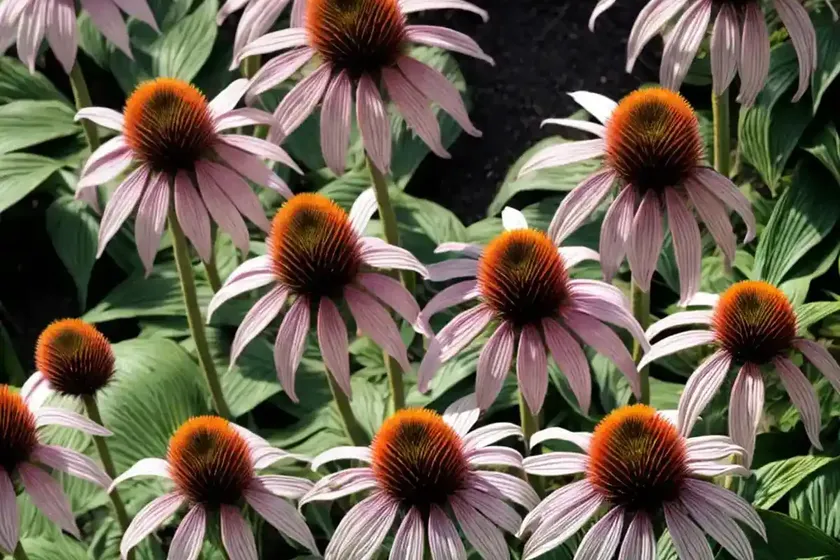
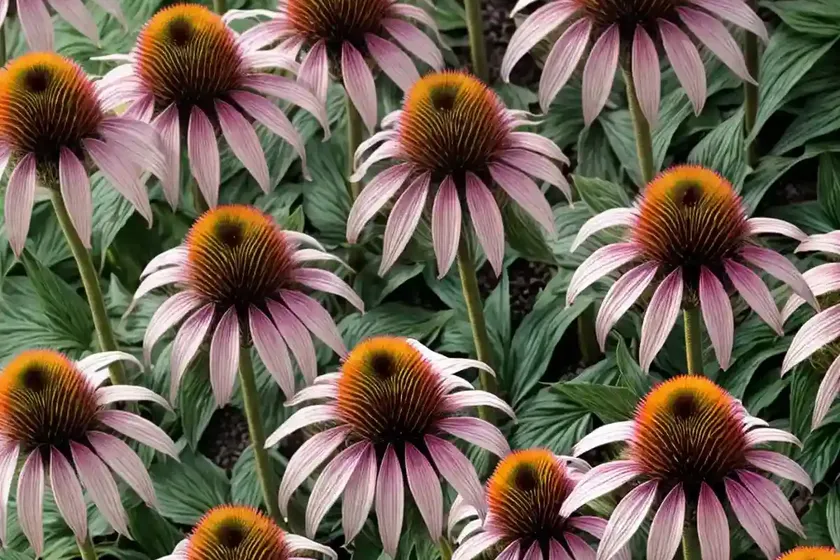
As a plant scientist, I am thrilled to delve into the fascinating world of Echinacea pallida ‘Hula Dancer,’ also known as the Pale Purple Coneflower. This stunning perennial plant is admired for its delicate beauty and remarkable medicinal properties. In this comprehensive guide, we will explore the characteristics, cultivation tips, uses, and much more about this remarkable plant. So, let’s embark on an enriching journey to understand and appreciate the wonders of Echinacea pallida ‘Hula Dancer.’
What is Echinacea Pallida ‘Hula Dancer’?
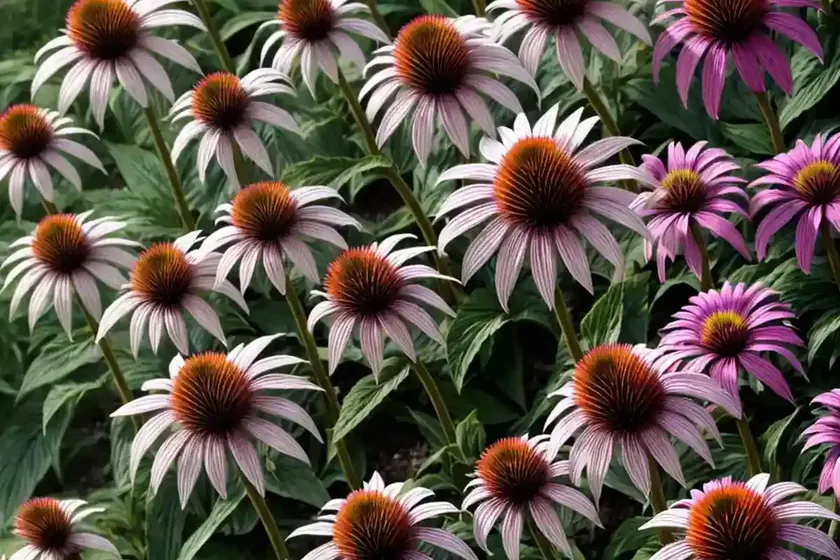
Echinacea pallida ‘Hula Dancer’ is a member of the Asteraceae family and is native to the central United States. It is a herbaceous perennial plant known for its impressive ornamental value and beneficial medicinal attributes. The botanical name “Echinacea” is derived from the Greek word “echinos,” which means “hedgehog,” referring to the spiky central cone of the flower.
Key Takeaways – Echinacea Pallida ‘Hula Dancer’
Before we delve into the details, let’s highlight the key takeaways about Echinacea pallida ‘Hula Dancer’:
- Characteristics: Echinacea pallida ‘Hula Dancer’ exhibits symmetrical blooms in pale purple hues, making it a visually captivating addition to gardens.
- Plant Care: Understanding the specific growth requirements, including water, sunlight, soil, and fertilizer, is crucial for successfully cultivating Echinacea pallida ‘Hula Dancer.’
- Uses: Apart from its aesthetic appeal, this plant is valued for its potential benefits in natural remedies, herbal uses, and landscape design.
- Disease Resistance: Recognizing common diseases and pests that affect Echinacea pallida ‘Hula Dancer’ is essential for effective plant management and care.
- Propagation: Knowing the various methods of propagating Echinacea pallida ‘Hula Dancer’ allows for the expansion of its presence in gardens and landscapes.
- Container Gardening: Insights into container gardening for Echinacea pallida ‘Hula Dancer’ provide options for individuals with limited outdoor garden space.
- Wildlife Attraction: Recognizing its role as a magnet for pollinators, birds, and butterflies enhances the ecological significance of this plant.
- Medicinal Properties: Exploring the potential health benefits and herbal remedies associated with Echinacea pallida ‘Hula Dancer’ offers valuable insights into its traditional uses.
Now, let’s delve into each of these aspects in detail, starting with the cultural requirements of Echinacea pallida ‘Hula Dancer.’
Culture
Echinacea pallida ‘Hula Dancer’ is relatively easy to cultivate, provided its specific cultural needs are met. Understanding its requirements for water, sunlight, fertilizer, soil, and pruning is crucial for ensuring its optimal growth and performance.
Water
-
Water Requirements: Echinacea pallida ‘Hula Dancer’ prefers well-draining soil and moderate moisture levels. Water the plant thoroughly during dry spells, and avoid overwatering to prevent root rot.
-
Drought Tolerance: Once established, Echinacea pallida ‘Hula Dancer’ exhibits good drought tolerance, making it suitable for regions with sporadic rainfall.
-
Seasonal Variations: Adjust the frequency of watering based on seasonal changes, providing sufficient moisture during active growth periods and reducing watering in dormancy.
Sunlight
-
Sun Exposure: Echinacea pallida ‘Hula Dancer’ thrives in full sun to partial shade, requiring at least 6 hours of direct sunlight for optimal growth and prolific flowering.
-
Sunlight Variations: In hotter climates, providing some afternoon shade can help prevent stress and heat damage during peak summer months.
Fertilizer
-
Fertilization Schedule: Apply a balanced fertilizer, such as a 10-10-10 formulation, in early spring as new growth emerges. Refrain from over-fertilizing, as excessive nutrients can lead to leggy growth and reduced flowering.
-
Organic Amendments: Incorporating organic matter into the soil during planting or top-dressing with compost can enhance soil fertility and provide gradual nutrient release.
Soil
-
Soil Type: Echinacea pallida ‘Hula Dancer’ thrives in well-draining, loamy soil with a slightly acidic to neutral pH range (6.0-7.0).
-
Soil Preparation: Prior to planting, amend heavy clay soils with coarse sand or organic matter to improve drainage and create a friable planting medium.
-
Mulching: Applying a layer of organic mulch around the base of the plant helps conserve soil moisture, regulate soil temperature, and suppress weed growth.
Pruning
-
Pruning Requirements: Deadhead spent flowers regularly to prolong the flowering period and prevent the plant from exerting energy into seed production.
-
Fall Cleanup: In late fall, cut back the spent flower stems and remove any diseased or damaged foliage to promote a tidy appearance and minimize overwintering pests and diseases.
-
Spring Maintenance: Trim back any remaining foliage in early spring before new growth emerges to rejuvenate the plant and encourage fresh growth.
Propagation
Echinacea pallida ‘Hula Dancer’ can be propagated through various methods, allowing for the expansion of its presence in gardens and landscapes. The most common propagation techniques include:
Division
-
Division Timing: Perform division in early spring before new growth commences or in early fall, allowing ample time for the divisions to establish before winter.
-
Procedure: Carefully dig up the mature plant and use a sharp, sterile knife to divide the clumps into smaller sections, each containing several healthy shoots and a portion of the root system.
-
Planting Division: Replant the divided sections in prepared soil, water thoroughly, and provide adequate care to ensure successful establishment.
Seed Propagation
-
Seed Collection: Harvest ripe seed heads in late summer to early fall and allow them to dry thoroughly before extracting the seeds.
-
Seed Sowing: Sow the seeds in well-prepared seed trays or directly into the garden soil in fall for natural stratification, or in early spring after a period of cold stratification in the refrigerator.
-
Seedling Care: Ensure consistent moisture and adequate light for the germinating seeds, and transplant the seedlings to their permanent locations once they have developed several sets of true leaves.
Root Cuttings
-
Cutting Preparation: Take root cuttings from mature plants in late fall or early spring, selecting healthy, thick roots for the best chances of successful propagation.
-
Cutting Technique: Cut the roots into 2-3 inch sections, ensuring each cutting has at least one growth bud or shoot node. Plant the cuttings horizontally in a well-draining potting medium.
-
Rooting Process: Keep the cuttings consistently moist and provide bottom heat to encourage root development. Once rooted, the cuttings can be transplanted to their desired locations.
Container Popularity
Echinacea pallida ‘Hula Dancer’ is well-suited for container gardening, offering an attractive and versatile option for individuals with limited outdoor garden space. The following considerations are essential for successful container cultivation:
-
Container Selection: Choose a spacious container with adequate drainage holes to prevent waterlogging, promoting root health and overall plant vigor.
-
Potting Mix: Use a well-draining, high-quality potting mix rich in organic matter, providing essential nutrients for the plant’s growth and development.
-
Watering Regimen: Monitor the moisture levels closely, as containers tend to dry out more quickly than garden soil. Water thoroughly when the top inch of soil feels dry to the touch.
-
Sun Exposure: Position the containers in a location that receives at least 6 hours of direct sunlight daily, ensuring the plant’s vigor and prolific flowering.
-
Overwintering: In colder climates, protect the containers from freezing temperatures by moving them to a sheltered area or insulating them with layers of mulch or frost protection materials.
Common Diseases
Echinacea pallida ‘Hula Dancer’ is generally resistant to diseases, but certain environmental conditions and cultural practices can predispose the plant to potential issues. Being aware of common diseases and their diagnosis is instrumental in implementing effective management strategies.
Disease Diagnosis
-
Powdery Mildew: Characterized by the development of powdery white patches on the foliage, powdery mildew can occur in humid conditions with poor air circulation.
-
Botrytis Blight: Also known as gray mold, botrytis blight causes wilting, browning, and decay of the flower petals and foliage, particularly in cool, damp conditions.
-
Root Rot: Excessive moisture and poor drainage can lead to root rot, manifesting as wilted, yellowing foliage and mushy, malodorous roots.
Disease Management
-
Cultural Practices: Promote good air circulation by spacing plants adequately and avoiding overhead watering. Additionally, ensure proper watering practices to prevent waterlogged soil.
-
Fungicidal Treatments: Apply preventive fungicidal sprays during periods of high humidity or when disease pressures are elevated, following label instructions meticulously.
-
Sanitation: Remove and dispose of any affected plant debris promptly to reduce the spread of pathogens and minimize overwintering sources of infections.
Common Pests
While Echinacea pallida ‘Hula Dancer’ is relatively resistant to pests, certain insects may occasionally pose a threat to the plant’s health and appearance. Recognizing common pests and implementing suitable pest management strategies is essential for preserving the plant’s vitality.
Pest Infestations
-
Aphids: These small, soft-bodied insects congregate on tender shoot tips and flower buds, sucking sap from the plant and potentially transmitting viral diseases.
-
Japanese Beetles: Known for their voracious appetite, Japanese beetles feed on the foliage and flowers, causing skeletonized leaves and severe aesthetic damage.
-
Spider Mites: These minuscule pests feed on the undersides of leaves, sucking out cell contents and creating stippled, discolored foliage.
Pest Control
-
Physical Removal: Use a strong blast of water to dislodge aphids and spider mites from the plant, reducing their populations and preventing further damage.
-
Biological Control: Introduce natural predators, such as ladybugs and lacewings, to the garden to control aphid populations through predation.
-
Chemical Interventions: In severe infestations, insecticidal soaps or horticultural oils can be used to target pests while minimizing non-target impacts on beneficial insects.
Now that we have explored the essential cultural aspects, diseases, and pest management of Echinacea pallida ‘Hula Dancer,’ let’s turn our attention to some fascinating insights and fun facts about this captivating plant.
Botanist’s Tips
As a plant scientist, I have gathered practical tips and insights to foster an enhanced understanding and appreciation of Echinacea pallida ‘Hula Dancer.’ These tips encompass various aspects of the plant’s care, usage, and ecological significance, providing valuable guidance for enthusiasts and horticulture professionals alike.
Ecological Significance
-
Echinacea pallida ‘Hula Dancer’ serves as a valuable resource for pollinators, attracting bees, butterflies, and beneficial insects with its nectar-rich flowers, thereby contributing to local ecosystem health.
-
The distinctive central cones of the flowers serve as a natural food source for birds, particularly finches, who feed on the seeds during the plant’s seed set and maturation period.
-
By integrating Echinacea pallida ‘Hula Dancer’ into gardens and landscapes, individuals can contribute to biodiversity conservation and support the sustainability of local wildlife populations.
Landscape Design
-
The elegant form and captivating flower display of Echinacea pallida ‘Hula Dancer’ make it an excellent choice for perennial borders, mixed beds, and naturalized meadow plantings.
-
Its pale purple blooms complement a wide range of companion plants, including ornamental grasses, rudbeckias, salvias, and other Echinacea species, creating visually dynamic and diverse plant combinations.
-
Echinacea pallida ‘Hula Dancer’ also excels in contemporary landscape designs, providing a sophisticated and alluring touch to modern garden settings and urban green spaces.
Medicinal Properties
-
The roots, flowers, and leaves of Echinacea pallida ‘Hula Dancer’ have been historically utilized by Indigenous peoples and herbalists for their potential immune-boosting and wellness-promoting properties.
-
Extracts derived from Echinacea species, including Echinacea pallida, are popular additions to herbal remedies, teas, tinctures, and dietary supplements, sought after for their purported health benefits.
-
When considering botanical medicinal uses, it is essential to consult with qualified healthcare professionals and herbal practitioners for informed guidance and safe utilization of plant-based remedies.
Fun Facts
Let’s uncover some intriguing and delightful fun facts about Echinacea pallida ‘Hula Dancer,’ shedding light on its unique attributes and contributions to the natural world.
-
Perennial Persistence: Echinacea pallida ‘Hula Dancer’ is a long-lived perennial, capable of returning and flowering reliably year after year with proper care and favorable growing conditions.
-
Symmetrical Elegance: The distinct pale purple petals of the ‘Hula Dancer’ variety unfurl to reveal striking, symmetrical blooms that captivate the gaze and accentuate garden landscapes.
-
Wildlife Attraction: Beyond its ornamental value, Echinacea pallida ‘Hula Dancer’ entices an array of backyard visitors, drawing in pollinators, birds, and wildlife to partake in its ecological allure.
-
Herbal Heritage: Embracing a rich cultural legacy, Echinacea pallida has a storied history of herbal use, with Indigenous communities and traditional healers cherishing its potential wellness benefits.
-
Garden Elegance: Whether showcased in formal garden designs or naturalistic settings, Echinacea pallida ‘Hula Dancer’ contributes an air of sophistication and grace to outdoor environments.
Links to External Resources
For additional insights, resources, and inspiration related to Echinacea pallida ‘Hula Dancer’ and pale purple coneflowers in general, here are some valuable external links to explore:
- The Royal Horticultural Society (RHS) – Echinacea Pallida Plant Profile
- University of Maryland Medical Center – Echinacea
- USDA Natural Resources Conservation Service – Echinacea Pallida Factsheet
As we conclude our in-depth exploration of Echinacea pallida ‘Hula Dancer,’ I hope this comprehensive guide has provided you with a deeper appreciation for the unique qualities and diverse applications of this mesmerizing plant. Whether adorning gardens, supporting local ecosystems, or enriching herbal traditions, Echinacea pallida ‘Hula Dancer’ continues to captivate and inspire us with its enduring beauty and potential contributions to human health and well-being.
In the intricate tapestry of botanical wonders, Echinacea pallida ‘Hula Dancer’ stands as a testament to nature’s grace and resilience, beckoning us to embrace its myriad gifts and celebrate its presence in our lives and landscapes.
So, let us honor and cherish the Pale Purple Coneflower, a timeless emblem of natural splendor and vitality, weaving its elegant allure through the fabric of our botanical heritage and horticultural endeavors. Thank you for joining me on this captivating journey, and may your explorations of Echinacea pallida ‘Hula Dancer’ continue to unfold and inspire delightful revelations in the realm of plants and gardens.