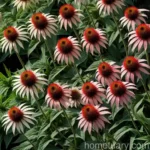
Understanding Echinacea ‘Maui Sunshine’ (Coneflower)
Echinacea ‘Maui Sunshine’, commonly known as coneflower, is a beautiful and beneficial plant belonging to the daisy family, Asteraceae. In this blog post, we will delve into the characteristics, uses, care tips, and interesting facts about Echinacea ‘Maui Sunshine’. Whether you are an avid gardener, a nature enthusiast, or simply curious about this remarkable plant, this guide will provide you with comprehensive insights into the world of coneflowers.
What is Echinacea ‘Maui Sunshine’ (Coneflower)?
Echinacea ‘Maui Sunshine’ is a vibrant and attractive perennial plant that is adored for its stunning flowers and medicinal properties. This cultivar is a member of the Echinacea genus, which comprises several species, each with unique traits and uses.
Key Takeaways – Echinacea ‘Maui Sunshine’ (Coneflower)
Before we delve deeper into the specifics of Echinacea ‘Maui Sunshine’, let’s take a moment to preview the key takeaways of this plant.
- Characteristics: Echinacea ‘Maui Sunshine’ possesses distinct features that make it a standout addition to any garden. Its bright yellow petals and robust growth habit set it apart from other coneflower varieties.
- Uses: Besides being a visually appealing plant, Echinacea ‘Maui Sunshine’ has various applications, including medicinal, landscaping, and ecological purposes.
- Care Tips: Understanding the specific cultural requirements of this plant is essential for its successful growth and maintenance. From soil preferences to pruning techniques, we will cover all the essential care tips.
- Propagation: Learning about the different methods of propagating Echinacea ‘Maui Sunshine’ will enable you to multiply and share this beautiful plant with ease.
- Container Gardening: If you are limited on space or prefer the versatility of container gardening, we will explore how Echinacea ‘Maui Sunshine’ thrives in containers.
- Pests and Diseases: Despite its resilience, coneflowers are still susceptible to certain pests and diseases. By understanding these challenges, you can effectively protect your plants.
- Fun Facts: Alongside the extensive information regarding the botanical aspects, we will also uncover some fascinating and lesser-known facts about Echinacea ‘Maui Sunshine’.
Now, let’s embark on a comprehensive exploration of this remarkable plant, starting with its culture and growing requirements.
Culture of Echinacea ‘Maui Sunshine’ (Coneflower)
Understanding the cultural needs of Echinacea ‘Maui Sunshine’ is crucial for providing an optimal environment for its growth and development. Here are the key cultural aspects to consider when cultivating this stunning coneflower variety.
Water
Echinacea ‘Maui Sunshine’ will flourish in well-drained soil but requires regular watering, especially during its initial establishment phase. Adequate moisture is essential in promoting healthy root development and vibrant flower production. However, it is important to avoid waterlogged conditions, which can lead to root rot and other plant health issues.
When watering Echinacea ‘Maui Sunshine, be mindful of its specific needs at different growth stages. During periods of prolonged drought or hot weather, it may require additional watering to maintain its vigor and floral abundance.
Sunlight
Like many coneflower varieties, Echinacea ‘Maui Sunshine’ thrives in full sun to partial shade. It is essential to provide this plant with adequate sunlight to support its photosynthetic processes and encourage robust flowering. In regions with scorching summers, partial shade during the hottest part of the day can be beneficial in preventing stress to the plant.
When selecting an ideal planting location for Echinacea ‘Maui Sunshine, consider the exposure to sunlight throughout the day and ensure that it aligns with the plant’s requirements for healthy growth.
Fertilizer
While Echinacea ‘Maui Sunshine’ is generally resilient and low-maintenance, providing it with appropriate nutrition can enhance its overall performance. A balanced, slow-release fertilizer applied in spring can support its growth and promote abundant blooms. It is important to follow the recommended dosage and application guidelines to prevent over-fertilization, which can lead to excessive foliage at the expense of flower production.
Soil
Well-drained, loamy soil with a slightly acidic to neutral pH is ideal for Echinacea ‘Maui Sunshine’. This plant is relatively adaptable to different soil types but thrives in soil that allows for adequate drainage. Additionally, incorporating organic matter such as compost or well-rotted manure during soil preparation can contribute to improved soil structure and fertility, benefiting the overall health of the plant.
Pruning Echinacea ‘Maui Sunshine’
Pruning is a vital aspect of maintaining the vitality and aesthetics of Echinacea ‘Maui Sunshine’. Regular deadheading – the removal of spent blooms – promotes continuous flowering and prevents the plant from expending energy on seed production. Additionally, cutting back the plant to its basal foliage in late winter or early spring rejuvenates its growth and encourages robust flowering in the upcoming season.
When pruning Echinacea ‘Maui Sunshine, use clean, sharp pruners to make precise cuts and minimize the risk of disease transmission. By incorporating proper pruning practices into your plant care routine, you can ensure that this coneflower variety remains healthy, vigorous, and visually appealing.
Propagation of Echinacea ‘Maui Sunshine’
Expanding your collection of Echinacea ‘Maui Sunshine’ can be achieved through various propagation methods, such as division, seed sowing, and root cuttings. Each approach offers unique advantages, and understanding the intricacies of propagation will enable you to propagate this plant with confidence.
Division
Dividing mature clumps of Echinacea ‘Maui Sunshine’ allows you to create new plants and rejuvenate older specimens. This method is typically carried out in early spring or early autumn, when the plants are not actively blooming. By carefully separating the clumps into smaller sections, each containing healthy roots and growth points, you can establish new plantings that will thrive and contribute to the beauty of your garden.
Seed Sowing
Growing Echinacea ‘Maui Sunshine’ from seeds offers a rewarding experience and allows you to explore the genetic diversity within this cultivar. Sow the seeds indoors in early spring or directly in the garden after the last frost date, ensuring that the soil is warm and moist.
Echinacea ‘Maui Sunshine’ seeds typically germinate within 10 to 20 days under optimal conditions. By providing consistent moisture and suitable growing conditions, you can nurture the young seedlings as they develop into robust plants that exhibit the same captivating characteristics as the parent plant.
Root Cuttings
Root cuttings provide an effective means of propagating Echinacea ‘Maui Sunshine’ while preserving its desirable traits. This method involves carefully selecting healthy, mature roots and cutting them into segments before planting them in a suitable growing medium.
Root cuttings are best taken during the dormant season, with the resulting plants exhibiting vigorous growth and the distinctive features of the parent plant. By employing proper techniques and attentive care, you can successfully propagate Echinacea ‘Maui Sunshine’ through root cuttings and expand your garden with this exceptional coneflower variety.
Container Gardening with Echinacea ‘Maui Sunshine’
Echinacea ‘Maui Sunshine’ lends itself well to container gardening, offering the flexibility to adorn patios, balconies, and small outdoor spaces with its radiant blooms and impressive foliage. When cultivating this coneflower variety in containers, consider the following tips to ensure its thriving growth and visual appeal.
-
Container Size: Select a container that provides ample space for the plant’s root system to develop. A 12 to 16-inch diameter container with sufficient drainage holes is suitable for accommodating Echinacea ‘Maui Sunshine’ while promoting healthy growth.
-
Growing Medium: Choose a high-quality potting mix with excellent drainage properties. A mix formulated for perennial plants or native species is well-suited for supporting the growth of Echinacea ‘Maui Sunshine’ in containers.
-
Watering: Container-grown Echinacea ‘Maui Sunshine’ may require more frequent watering compared to plants in the ground, especially during hot and dry periods. Monitor the soil moisture regularly and provide supplemental watering as needed to maintain optimal growing conditions.
-
Sunlight: Position the container in a location that receives ample sunlight, typically at least 6 to 8 hours of direct sunlight per day. Be mindful of adjusting the placement as the seasons change to ensure that the plant continues to receive adequate sunlight for its growth and flowering.
By embracing the versatility of container gardening, you can showcase the beauty of Echinacea ‘Maui Sunshine’ in various outdoor settings, enriching your living spaces with its vibrant colors and ornamental appeal.
Popularity of Echinacea ‘Maui Sunshine’
Echinacea ‘Maui Sunshine’ has garnered significant popularity among gardeners, landscapers, and nature enthusiasts due to its striking appearance and versatile uses. Whether cultivated in home gardens, public parks, or botanical gardens, this coneflower variety continues to captivate individuals with its radiant blooms and noteworthy attributes.
Common Diseases of Echinacea ‘Maui Sunshine’
Despite its resilience, Echinacea ‘Maui Sunshine’ is susceptible to certain diseases that can affect its overall vigor and appearance. Recognizing the common diseases and employing preventative measures are essential for safeguarding the health of this plant.
Disease Diagnosis
-
Powdery Mildew: A fungal disease that manifests as a powdery, white coating on the leaves and stems of the plant. It is often triggered by high humidity and poor air circulation. To prevent powdery mildew, ensure proper spacing between plants and provide adequate ventilation.
-
Botrytis Blight: This fungal disease causes brown, water-soaked spots on the foliage, often leading to the collapse of affected plant parts. Maintaining good air circulation and avoiding overhead watering can help prevent the development of botrytis blight.
-
Root Rot: Overly wet or poorly drained soil can lead to root rot in Echinacea ‘Maui Sunshine’. To prevent this disease, ensure proper drainage and avoid overwatering, especially during periods of excessive rainfall or prolonged wetness.
By promptly identifying and addressing any signs of these diseases, you can mitigate their impact and support the overall health and resilience of Echinacea ‘Maui Sunshine in your garden.
Common Pests
Echinacea ‘Maui Sunshine’ may attract certain pests that can negatively impact its growth and aesthetics. Being vigilant in monitoring for potential pest infestations and taking appropriate measures are essential in preserving the well-being of this plant.
Botanist’s Tips
-
Aphids: These small, sap-sucking insects can cluster on the stems and undersides of the leaves, causing distortion and discoloration of the foliage. Regularly inspect the plant for aphids and use natural predators or insecticidal soap to control their populations if necessary.
-
Japanese Beetles: These voracious pests can feed on the foliage and flowers of Echinacea ‘Maui Sunshine’, causing significant damage. Handpicking beetles or employing organic control methods can help manage their presence and minimize their impact on the plant.
-
Caterpillars: Certain caterpillar species may feed on the foliage of Echinacea ‘Maui Sunshine’, potentially defoliating the plant. By implementing cultural and biological control measures, such as handpicking and introducing beneficial insects, you can mitigate the impact of caterpillar infestations.
By incorporating these botanist’s tips into your plant care routine, you can effectively address potential pest issues and maintain the vitality of Echinacea ‘Maui Sunshine’ in your garden or landscape.
Fun Facts about Echinacea ‘Maui Sunshine’
Uncover fascinating and lesser-known aspects of Echinacea ‘Maui Sunshine’ that showcase its unique charm and botanical significance.
-
Immunostimulant Properties: Like other Echinacea species, Echinacea ‘Maui Sunshine’ contains compounds that are believed to stimulate the immune system, a characteristic that has contributed to its traditional medicinal uses.
-
Bees and Butterflies: The vibrant blooms of Echinacea ‘Maui Sunshine’ attract pollinators, such as bees and butterflies, making it a valuable addition to pollinator-friendly gardens and landscapes.
-
Medicinal Heritage: Echinacea species have a rich history of traditional medicinal uses by indigenous cultures, and Echinacea ‘Maui Sunshine’ continues to be valued for its potential health benefits.
By delving into these captivating facts, you can gain a deeper appreciation for the ecological, cultural, and medicinal significance of Echinacea ‘Maui Sunshine’.
Links to External Resources
For further exploration and in-depth information about Echinacea ‘Maui Sunshine’ (Coneflower), consider referring to the following external resources:
- Royal Horticultural Society – Echinacea
- University of Maryland Medical Center – Echinacea
- The American Phytopathological Society – Plant Disease Management
Conclusion
Through this comprehensive guide, we have explored the diverse and captivating aspects of Echinacea ‘Maui Sunshine’ (Coneflower), from its cultural needs and propagation methods to its ecological role and medicinal heritage. Whether you are drawn to its vibrant blooms, fascinated by its ecological benefits, or intrigued by its potential health uses, Echinacea ‘Maui Sunshine’ stands as a remarkable plant that continues to enrich our gardens, landscapes, and understanding of the natural world.
By embracing the best practices for cultivating, caring, and appreciating Echinacea ‘Maui Sunshine’, you can partake in the timeless tradition of plant stewardship while fostering beauty, biodiversity, and wellness in your surroundings. StringUtilizing the insights shared in this guide, you can embark on a fulfilling journey of cultivating and nurturing Echinacea ‘Maui Sunshine’ in your own garden or landscape, enriching your connection with nature and the remarkable botanical world.