Delosperma LAVENDER ICE (Ice Plant)
Delosperma LAVENDER ICE, commonly known as Ice Plant, is a stunning and versatile succulent that is prized for its ability to spread across the ground and.
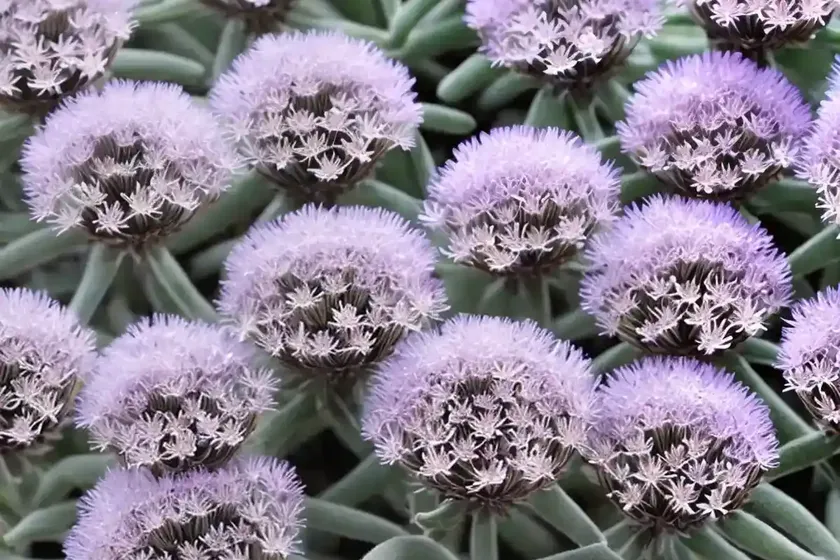
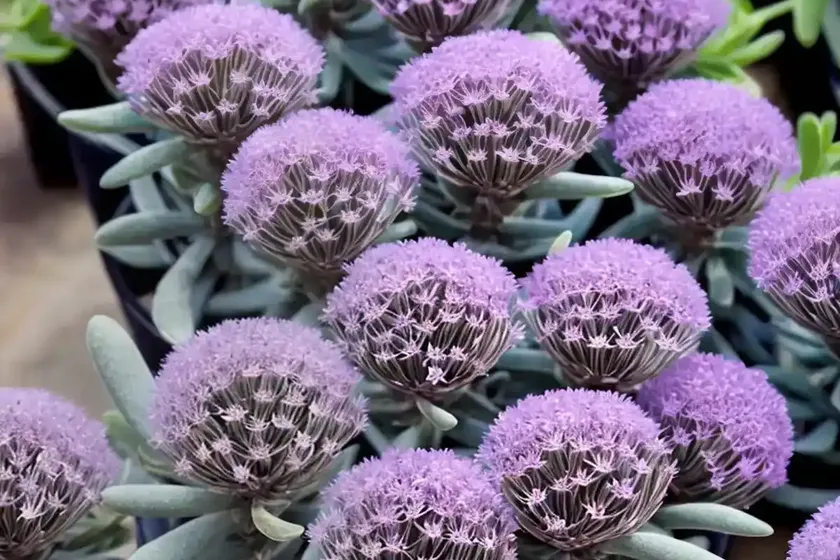
Delosperma LAVENDER ICE, commonly known as Ice Plant, is a stunning and versatile succulent that is prized for its ability to spread across the ground and produce beautiful blooms. This plant is a favorite among gardeners and landscaping enthusiasts for its low maintenance and ability to thrive in various growing conditions. In this comprehensive guide, we will explore the characteristics, cultivation tips, maintenance, and various uses of the Delosperma LAVENDER ICE, providing valuable insights for both enthusiasts and professional horticulturists.
What is Delosperma LAVENDER ICE (Ice Plant)?
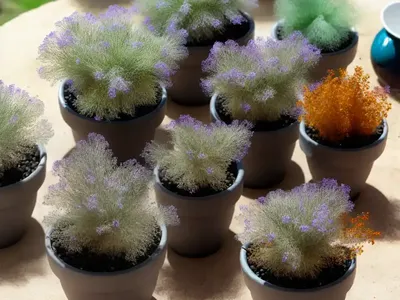
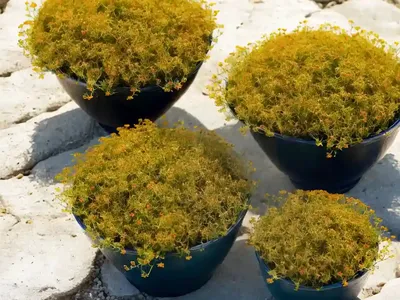
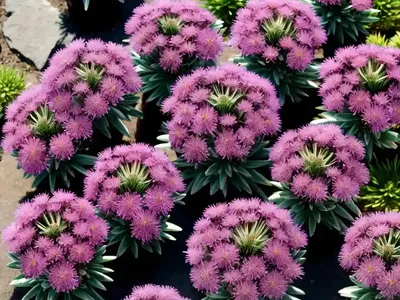
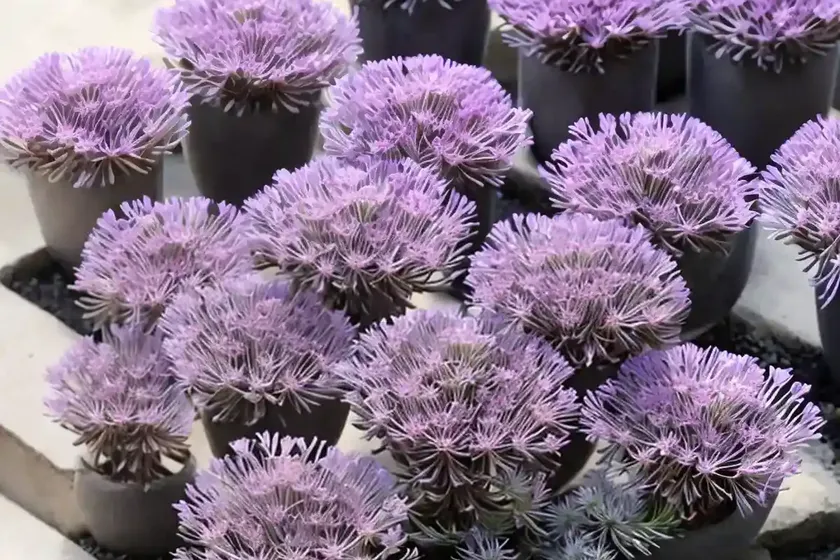
Delosperma LAVENDER ICE, known as Ice Plant, is a genus of roughly 100 species of succulent plants in the family Aizoaceae, native to southern Africa. It is a low-growing, fast-spreading plant that produces daisy-like flowers in an array of vibrant colors such as lavender, pink, orange, yellow, and white. The fleshy, evergreen foliage of Ice Plant makes it a popular choice for ground cover, rock gardens, and containers. It is highly valued for its ability to thrive in dry, desert-like conditions and its low maintenance requirements, making it an excellent choice for water-wise landscaping and gardening.
Key Takeaways – Delosperma LAVENDER ICE (Ice Plant)
Delosperma LAVENDER ICE Features
- Genus: Delosperma
- Common Name: Ice Plant
- Species: LAVENDER ICE
- Family: Aizoaceae
- Origin: Southern Africa
- Growth Habit: Low-growing, spreading
- Foliage: Fleshy, evergreen
- Flower Colors: Lavender, pink, orange, yellow, white
Ice Plant Varieties
- Delosperma cooperi
- Delosperma nubigenum
- Delosperma basuticum
- Delosperma ecklonis
- Delosperma dyeri
- Delosperma tradescantioides
Now, let’s delve into the various aspects of caring for and cultivating Delosperma LAVENDER ICE, including its cultural requirements, uses, maintenance, and more.
Culture
Cultivating Delosperma LAVENDER ICE can be a rewarding experience, given its resilience and adaptability. Understanding its cultural requirements is essential for promoting healthy growth and abundant flowering.
Uses
- Ground cover
- Rock gardens
- Containers
- Landscape borders
- Erosion control
- Xeriscaping
- Succulent and drought-tolerant gardens
- Pollinator gardens
- Coastal gardens
The versatility of Ice Plant makes it suitable for a wide range of landscaping and gardening applications, from filling in gaps in rock gardens to providing erosion control on slopes.
Water
Delosperma LAVENDER ICE is well-adapted to dry conditions, making it an excellent choice for water-wise landscaping. While it is drought-tolerant once established, regular watering is essential during the initial establishment period. Once rooted, Ice Plant can thrive with minimal supplemental watering, particularly in well-draining soil.
Sunlight
Ice Plant thrives in full sunlight and is well-suited to hot, sunny locations. Adequate sunlight is crucial for promoting flowering and maintaining the compact growth habit of this plant.
Fertilizer
While Ice Plant is not heavy feeder, a balanced, soluble fertilizer can be applied sparingly during the growing season to promote healthy growth and flowering. Avoid excessive fertilization, as this can lead to leggy growth and reduced flowering.
Soil
Well-draining soil is essential for the health of Delosperma LAVENDER ICE. A sandy or gritty soil mix is ideal for replicating its native growing conditions. Amending heavy clay soil with organic matter or sand can improve drainage and create a more suitable environment for Ice Plant.
Pruning
Pruning requirements for Delosperma LAVENDER ICE are minimal. Deadheading spent flowers can encourage additional blooming and prevent the plant from self-seeding excessively. Additionally, removing any damaged or diseased foliage can help maintain the plant’s overall health and appearance.
Propagation
Ice Plant can be easily propagated through division or stem cuttings. Division is particularly effective in spring when the plant is actively growing. Stem cuttings can be taken in late spring or early summer and rooted in a well-draining medium to produce new plants.
Container Popularity
Delosperma LAVENDER ICE is a popular choice for container gardening due to its compact growth habit and vibrant flowers. Its ability to thrive in containers makes it suitable for adding splashes of color to patios, decks, and other outdoor living spaces.
Now, let’s explore the common diseases, pests, and maintenance practices associated with Delosperma LAVENDER ICE.
Common Diseases
- Root Rot: Caused by overwatering or poorly draining soil.
- Powdery Mildew: Fungal disease favored by high humidity and poor air circulation.
- Crown Gall: Bacterial disease that causes swollen growths on stems and roots.
Disease Diagnosis
Early diagnosis of diseases is crucial for effective management. Symptoms such as wilting, yellowing foliage, or the presence of powdery white spots on leaves can indicate the presence of common diseases in Delosperma LAVENDER ICE.
Common Pests
- Aphids: Small, sap-sucking insects that can distort new growth and excrete honeydew.
- Spider Mites: Tiny pests that can cause stippling and webbing on leaves.
- Snails and Slugs: These pests can feed on the foliage, leaving behind ragged edges and holes.
Botanist’s Tips
- Monitor soil moisture to prevent overwatering and reduce the risk of root rot.
- Provide adequate air circulation to discourage the development of powdery mildew.
- Inspect plants regularly for signs of pest infestations and take appropriate control measures.
Now that we’ve covered the cultural requirements, diseases, and pests associated with Delosperma LAVENDER ICE, let’s delve into some fascinating facts and additional information about this versatile plant.
Fun Facts
- The common name “Ice Plant” is derived from the glistening appearance of its foliage, which can resemble ice crystals when wet.
- Delosperma LAVENDER ICE is a magnet for pollinators, attracting bees, butterflies, and other beneficial insects to the garden.
- Some species of Ice Plant have traditional medicinal uses in Africa, where they are used to treat various ailments.
- Ice Plant has been used in landscaping to stabilize slopes and prevent soil erosion due to its mat-forming growth habit.
These fun facts provide a glimpse into the unique attributes and ecological significance of Delosperma LAVENDER ICE.
Links to External Resources
To further enrich your knowledge and appreciation of Delosperma LAVENDER ICE, here are some valuable external resources:
- The Delosperma: A Comprehensive Guide
- Growing Ice Plant in the Garden
- Managing Diseases in the Landscape
- Integrated Pest Management for Home Gardeners
These resources offer in-depth insights into the cultivation, maintenance, and ecological importance of Ice Plant, catering to both enthusiasts and professional horticulturists.
In conclusion, Delosperma LAVENDER ICE, or Ice Plant, is a remarkable succulent that showcases resilience, beauty, and ecological value. By understanding its cultural requirements, uses, maintenance practices, and ecological significance, we can foster a deeper appreciation for this versatile plant and harness its potential in various gardening and landscaping endeavors. Whether used as a ground cover, rock garden accent, or container specimen, Delosperma LAVENDER ICE adds vibrancy and resilience to outdoor spaces, making it a valuable addition to any garden or landscape.