Plant Scientist’s Guide to Echeveria ‘Ruffles’
Echeveria ‘Ruffles’ is a stunning succulent plant known for its rosette shape and frilly edges. This popular plant is prized for its attractive appearance and relatively low maintenance requirements, making it a favorite among both experienced gardeners and beginners. In this comprehensive guide, we will explore everything you need to know about Echeveria ‘Ruffles’, from its basic characteristics to its care, propagation, and common issues. Whether you are a succulent enthusiast, a landscaping professional, or a homeowner looking to add a touch of elegance to your garden, this guide will provide you with valuable insights into nurturing and enjoying this beautiful plant.
What is Echeveria ‘Ruffles’?
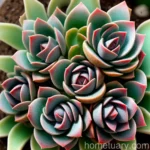
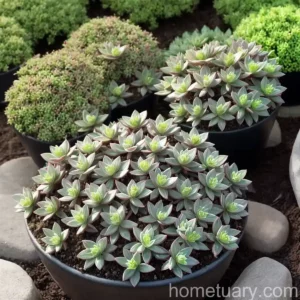
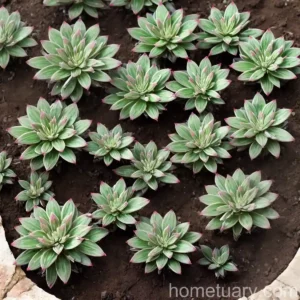
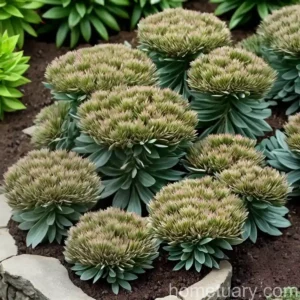
Echeveria ‘Ruffles’ is a cultivar of the Echeveria genus, which is part of the Crassulaceae family. Originating from Mexico and Central America, Echeverias are a diverse group of succulent plants known for their striking appearance and resilience. Echeveria ‘Ruffles’ is a hybrid variety that has been specifically bred for its unique visual appeal, characterized by wavy, ruffled edges on its leaves that give it a distinct and elegant look.
Key Takeaways
- Plant Name: Echeveria ‘Ruffles’
- Common Names: Ruffled Echeveria, Ruffles Echeveria
- Scientific Name: Echeveria spp.
- Family: Crassulaceae
- Genus: Echeveria
- Variety: ‘Ruffles’
Culture
Uses
Echeveria ‘Ruffles’ is a versatile plant with several potential uses, both indoors and outdoors. Its attractive appearance and low maintenance requirements make it a popular choice for various applications, including:
- Indoor Décor: Echeveria ‘Ruffles’ is well-suited for indoor cultivation, adding a touch of nature to homes, offices, and other indoor spaces.
- Outdoor Landscaping: In outdoor gardens, Echeveria ‘Ruffles’ can be used in rock gardens, succulent beds, and drought-tolerant landscapes.
- Container Gardening: The compact size of Echeveria ‘Ruffles’ makes it an excellent choice for container gardening, such as in pots, planters, and terrariums.
- Special Arrangements: Its visually appealing rosettes and ruffled leaves make Echeveria ‘Ruffles’ an ideal candidate for specialized succulent arrangements and compositions.
Water
One of the most critical aspects of Echeveria ‘Ruffles’ care is proper watering. As with many succulent plants, overwatering can be detrimental to the health of Echeveria ‘Ruffles’ and may lead to root rot and other issues. On the other hand, insufficient watering can result in dehydration and wilting. Therefore, it is essential to strike a balance and adhere to a consistent watering routine.
- Watering Frequency: Echeveria ‘Ruffles’ should be watered when the soil has dried out completely. As a general guideline, aim to water the plant every 10-14 days during the growing season. However, adjust the frequency based on environmental conditions and the moisture level of the soil.
- Watering Method: When watering Echeveria ‘Ruffles’, it is recommended to use the soak-and-dry method. Water the soil thoroughly until excess water drains out from the bottom of the container, ensuring that the roots receive adequate moisture.
- Avoid Overwatering: To prevent overwatering, always check the soil moisture before watering. If the soil feels damp, postpone the watering to avoid waterlogged conditions.
Sunlight
Echeveria ‘Ruffles’ thrives in bright sunlight and prefers ample sunshine to maintain its compact growth and vibrant coloration. Adequate exposure to sunlight is crucial for the plant’s overall health and appearance.
- Light Requirements: Position Echeveria ‘Ruffles’ in a location where it receives at least 6 hours of direct sunlight per day. South-facing or west-facing windows are generally ideal for indoor cultivation.
- Outdoor Placement: When grown outdoors, choose a sunny spot for Echeveria ‘Ruffles’, such as a well-drained area with full sun exposure. Avoid shaded or damp locations to prevent issues related to insufficient light and excessive moisture.
Fertilizer
Proper nutrition is essential for the optimal growth and development of Echeveria ‘Ruffles’. While these succulents are relatively low-maintenance when it comes to feeding, providing them with occasional fertilization can support their health and enhance their visual appeal.
- Fertilizer Type: Use a balanced, water-soluble fertilizer formulated for succulent plants. A fertilizer with an N-P-K (nitrogen, phosphorus, and potassium) ratio of 2:1:2 or 3:1:2 can be suitable for Echeveria ‘Ruffles’.
- Application Frequency: Apply fertilizer to Echeveria ‘Ruffles’ sparingly, typically during the growing season. A monthly application or fertilization every 6-8 weeks can be sufficient to supply essential nutrients.
- Caution: Avoid over-fertilizing Echeveria ‘Ruffles’, as excessive amounts of nutrients can result in salt buildup and adverse effects on the plant’s roots. Always dilute the fertilizer according to the manufacturer’s instructions and administer it when the soil is already moist to prevent root damage.
Soil
The selection of appropriate potting mix or soil for Echeveria ‘Ruffles’ is crucial for its well-being. Given its succulent nature, Echeveria ‘Ruffles’ requires well-draining soil to prevent waterlogging and promote healthy root systems.
- Ideal Soil Type: Use a well-draining, porous, and gritty soil mix suitable for succulents and cacti. A commercial succulent or cactus mix combined with additional perlite, coarse sand, or pumice can create a suitable growing medium for Echeveria ‘Ruffles’.
- Aeration and Drainage: Ensure the soil mix provides adequate aeration and drainage to prevent water retention around the plant’s roots. Good air circulation and moisture management are essential for preventing root rot and other soil-related issues.
Pruning
Pruning Echeveria ‘Ruffles’ is generally minimal and primarily focused on maintaining the plant’s shape, removing dead leaves, and managing its size when necessary. Regular maintenance activities can help keep the plant looking tidy and healthy.
- Dead Leaf Removal: Periodically remove any dried or withered leaves from the base of the plant to promote a cleaner appearance and reduce the risk of disease or pest issues.
- Size Management: If Echeveria ‘Ruffles’ becomes overgrown or develops leggy stems, consider pruning back the excessive growth to maintain a more compact and attractive appearance.
- Propagation Material: Pruned leaves and stem cuttings can be utilized for propagation, allowing for the creation of new plants from the trimmed sections of Echeveria ‘Ruffles’.
Propagation
Propagation is an exciting aspect of Echeveria ‘Ruffles’ cultivation, enabling enthusiasts to expand their succulent collection and share these beautiful plants with others. Several methods can be employed to propagate Echeveria ‘Ruffles’, each with its unique advantages and considerations.
- Leaf Propagation: Echeveria ‘Ruffles’ can be propagated from individual leaves, which are carefully removed and laid on a suitable propagation medium. Given time and proper care, new plantlets will develop from the base of the detached leaves, eventually forming independent rosette plants.
- Stem Cutting Propagation: Stem cuttings from healthy, mature Echeveria ‘Ruffles’ specimens can also be utilized for propagation. Allow the cut ends to callus before placing the cuttings in a well-draining potting mix, initiating root development for new plants.
- Seed Propagation: While less commonly practiced for Echeveria ‘Ruffles’, seed propagation is another viable option. Growing Echeveria ‘Ruffles’ from seeds allows for the introduction of new genetic variations and potential for hybridization, although the process requires patience and careful attention to environmental conditions.
Container
Echeveria ‘Ruffles’ is an excellent candidate for container gardening, offering a compact size, aesthetic appeal, and relatively undemanding care requirements. When selecting a container for Echeveria ‘Ruffles’, prioritize features that contribute to proper moisture management, root health, and overall plant well-being.
- Container Material: Choose containers made from materials that facilitate breathability and moisture evaporation, such as terracotta, ceramic, or unglazed pots. These materials can help prevent excess moisture buildup around the plant’s roots.
- Drainage Holes: Ensure that the selected container has adequate drainage holes at the bottom to allow excess water to escape, reducing the risk of waterlogging.
- Size Consideration: Select a container that accommodates the current size of Echeveria ‘Ruffles’ with a bit of extra space for potential growth. However, avoid excessively large containers that can lead to prolonged soil moisture and potentially harm the plant.
- Aesthetics: Consider the visual harmony between the container and the plant, aiming for a pleasing combination that complements the unique appearance of Echeveria ‘Ruffles’. Additionally, the container’s color, texture, and design can contribute to the overall aesthetic appeal of the plant arrangement.
Popularity
Echeveria ‘Ruffles’ has gained significant popularity among succulent enthusiasts, landscapers, and plant lovers for its distinctive appearance, ease of care, and versatility in different settings. This cultivar’s unique characteristics and striking visual appeal have contributed to its widespread presence in various horticultural contexts.
- Succulent Collections: Echeveria ‘Ruffles’ is often included in succulent collections and arrangements due to its elegant rosettes and frilly leaf margins, becoming a centerpiece or focal point in many compositions.
- Landscaping Trends: In drought-tolerant landscapes and xeriscaping projects, Echeveria ‘Ruffles’ is frequently incorporated for its ability to thrive in arid conditions and contribute to water-efficient garden designs.
- Indoor Décor: As a potted plant for indoor display, Echeveria ‘Ruffles’ has become a popular choice, adding a touch of nature, texture, and color to interior spaces such as homes, offices, and commercial establishments.
- Social Media Presence: Echeveria ‘Ruffles’ has garnered attention and appreciation on social media platforms, where plant enthusiasts share and showcase their love for succulents, contributing to the cultivar’s visibility and appeal.
Common Diseases
While Echeveria ‘Ruffles’ is generally resilient and resistant to many diseases, certain conditions and improper care practices can make the plant susceptible to potential issues. Understanding common diseases and their management is essential for maintaining the health and vitality of Echeveria ‘Ruffles’.
Disease Diagnosis
- Root Rot: Excessive moisture and waterlogged soil can lead to root rot in Echeveria ‘Ruffles’, causing the roots to decay and compromise the plant’s ability to absorb nutrients and water. Symptoms include wilting, yellowing or browning of lower leaves, and a foul odor emanating from the soil.
- Powdery Mildew: In humid or poorly ventilated conditions, powdery mildew can affect the leaves of Echeveria ‘Ruffles’, manifesting as powdery white spots or patches on the foliage. This fungal disease can inhibit photosynthesis and weaken the plant if not addressed promptly.
- Leaf Spot: Bacterial or fungal leaf spot diseases can occur on Echeveria ‘Ruffles’, causing the development of discolored spots or lesions on the leaves. Leaf spot diseases can be exacerbated by leaf moisture and poor air circulation, potentially affecting the plant’s vitality.
Common Pests
Echeveria ‘Ruffles’ can occasionally face challenges from pests that seek to feed on its succulent foliage and sap. Vigilance and proactive pest management can help prevent infestations and reduce the impact of common pests on the plant’s health.
- Aphids: These small, soft-bodied insects may infest Echeveria ‘Ruffles’, feeding on the plant’s sap and causing distorted growth, yellowing of leaves, and the formation of sticky honeydew.
- Mealybugs: Mealybugs can cluster on the leaves and stems of Echeveria ‘Ruffles’, creating white, cottony masses and draining the plant’s sap, potentially leading to stunted growth and decline.
- Spider Mites: Infestations of spider mites can result in webbing on the plant and stippling or discoloration of the foliage, weakening the overall vigor of Echeveria ‘Ruffles’ and interfering with its aesthetic quality.
Botanist’s Tips
To maximize the success of cultivating and enjoying Echeveria ‘Ruffles’, consider implementing the following botanist’s tips based on scientific insights and practical experience.
- Proper Air Circulation: Ensure adequate airflow around Echeveria ‘Ruffles’ to reduce the risk of fungal diseases and promote transpiration, contributing to the plant’s overall health.
- Avoid Humidity Buildup: Minimize humidity levels around the plant, particularly in indoor environments, to prevent conditions that favor the development of powdery mildew and other moisture-related issues.
- Responsible Watering: Practice responsible watering habits, allowing the soil to dry out between waterings and adjusting the frequency based on seasonal changes and environmental factors.
Fun Facts
In addition to its beauty and resilience, Echeveria ‘Ruffles’ harbors several intriguing and noteworthy characteristics that add to its allure and appeal.
- Blossoming Beauty: Echeveria ‘Ruffles’ can produce delicate, bell-shaped flowers on tall, slender stems, typically in hues of pink, red, or orange, enhancing the plant’s ornamental value during the blooming season.
- Habitat Variety: In its native habitats across Mexico and Central America, Echeveria ‘Ruffles’ can be found thriving in diverse ecosystems, from arid deserts to mountainous regions, showcasing its adaptability and tolerance to varying climates.
- Hybridization Potential: Given its popularity among succulent enthusiasts and horticulturists, Echeveria ‘Ruffles’ presents opportunities for hybridization with other Echeveria varieties, leading to the creation of novel cultivars with unique traits and aesthetics.
Links to External Resources
For more in-depth information and resources related to Echeveria ‘Ruffles’ care, propagation, and cultivation, explore the following reputable external sources:
- Succulent Plant Health and Care Guidelines
- Society for the Study of Echeveria
- Comprehensive Succulent Propagation Techniques
- Disease Control and Prevention Strategies for Succulents
- Pest Identification and Management for Indoor and Outdoor Plants
- Expert Tips for Container Gardening Success
In conclusion, Echeveria ‘Ruffles’ represents an enchanting and delightful addition to any succulent collection, garden, or landscape design. With its distinctive frilly leaves, charming rosette formation, and resilience in various environments, this cultivar continues to captivate plant enthusiasts and horticulture professionals worldwide. By understanding and implementing the recommended care practices, propagation techniques, and pest and disease management strategies, you can foster the health and beauty of Echeveria ‘Ruffles’, allowing it to thrive and flourish as a beloved botanical gem.
References:
– Succulent Plant Health and Care Guidelines
– Society for the Study of Echeveria
– Comprehensive Succulent Propagation Techniques
– Disease Control and Prevention Strategies for Succulents
– Pest Identification and Management for Indoor and Outdoor Plants
– Expert Tips for Container Gardening Success